

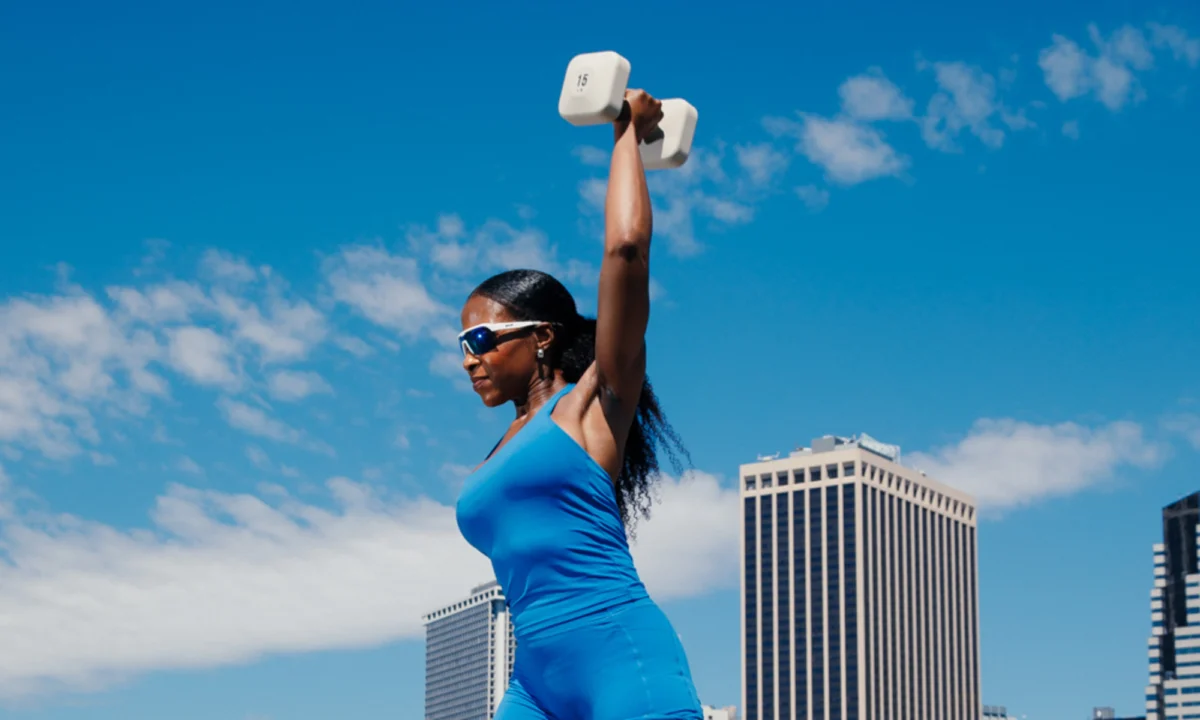
A recent study highlights a profound shift in self-perception among women who engage in regular strength training, moving beyond aesthetic goals to embrace a more empowering focus on physical capability. This transformative process, observed in a cohort of women in Malatya, Turkey, suggests that the pursuit of physical strength can foster significant improvements in confidence, body image, and overall sense of self-efficacy. The findings underscore a growing trend where women are increasingly redefining their relationship with exercise, prioritizing function and empowerment over purely appearance-driven motivations.
Unveiling the Transformation: From Appearance to Achievement
The journey into strength training often begins with conventional goals such as weight loss or achieving a certain physique. However, for many women, the consistent engagement with resistance exercises triggers a subtle yet powerful recalibration of their self-perception. This shift is characterized by a diminishing focus on external appearance and a burgeoning appreciation for what their bodies can physically accomplish. Small victories, such as effortlessly carrying groceries, rising from the floor with greater ease, or completing a challenging workout, accumulate to build a new internal narrative of capability and resilience.
This evolving perspective was meticulously examined in a study conducted among women participating in women-only fitness centers. Researchers aimed to comprehensively understand the psychological and emotional impacts of initiating and maintaining a regular exercise regimen, with a particular emphasis on strength training. The study delved into how these physical activities might reshape women’s confidence levels, their internal dialogue surrounding body image, and their fundamental sense of self.
The Research Methodology: A Qualitative Deep Dive
The research, conducted in Malatya, Turkey, involved in-depth interviews with 16 women aged between 23 and 48. A key criterion for participation was membership in women-only fitness facilities, a characteristic that researchers believed could foster a unique environment for self-exploration and empowerment. The participants were at varying stages of their fitness journeys, with most having exercised for a year or less, but all having maintained a consistent workout routine for a minimum of two months. This duration was deemed sufficient to allow for initial habit formation and the emergence of discernible psychological changes.
To gather rich qualitative data, the women were asked to respond to a series of written questionnaires. These questionnaires were designed to elicit detailed accounts of their experiences, perceptions, and any shifts in their mindset and self-image related to their fitness activities. The research team then systematically analyzed these responses, employing thematic analysis to identify recurring patterns, common sentiments, and pivotal moments in the participants’ journeys. This qualitative approach allowed for a nuanced understanding of the subjective experiences of the women, moving beyond mere quantitative metrics to explore the deeper psychological underpinnings of their transformations.
The Emergence of Inner Strength: Beyond the Scale
A significant finding from the study was the common initial motivation for exercise among the participants. Many women reported starting their fitness routines with the primary aims of improving their physical appearance or addressing specific health concerns. This aligns with widespread societal messaging that often links exercise predominantly to aesthetic outcomes. However, as the women progressed in their training, a discernible trend emerged: their focus began to pivot. The emphasis on how their bodies looked gradually ceded ground to a greater appreciation for what their bodies could do.

Participants articulated feeling a profound increase in their overall confidence. This was not solely tied to physical changes but stemmed from a growing awareness of their own strength and resilience. Many described feeling more at ease and comfortable within their own skin, a sentiment that often eludes individuals solely focused on external validation. Furthermore, the study revealed a heightened awareness of their physical capabilities. This awareness extended beyond the gym, translating into a greater sense of independence and competence in navigating the demands of everyday life. Simple tasks that might have previously presented challenges became more manageable, contributing to a bolstered sense of self-efficacy.
The study also highlighted the crucial role of the exercise environment. The women-only fitness centers were consistently described as sanctuaries of support and encouragement. In these spaces, participants reported feeling less subjected to external judgment regarding their bodies or their performance. This perceived lack of scrutiny allowed them to redirect their attention inward, concentrating on their personal progress and the intrinsic rewards of their efforts, rather than conforming to external ideals of beauty or fitness. This supportive milieu created a fertile ground for cultivating a healthier and more empowering relationship with their bodies.
The Power of Capability: Redefining Body Image
The contrast between what a mirror reflects and what physical activity reveals is stark and illuminating. While a mirror offers a static, visual representation of one’s body, the process of engaging in strength training provides a dynamic, experiential understanding of its capabilities. The study’s participants frequently cited instances where a weight that once felt insurmountable became manageable, or a particular exercise that was once impossible became achievable. These milestones, often celebrated within the supportive environment of their fitness groups, served as tangible evidence of their progress and growing strength.
These moments of accomplishment fostered a different kind of appreciation for their bodies. Instead of engaging in critical self-assessment based on visual cues, the women found new reasons to feel pride and gratitude for their physical forms. The focus shifted from perceived flaws to demonstrated abilities, creating a more positive and self-accepting internal dialogue. This shift in perspective is crucial in combating negative body image, which is often fueled by unrealistic societal standards and relentless exposure to curated imagery.
Moreover, the research touched upon the external pressures some women faced. Some participants reported encountering questions or skepticism from their social circles regarding their commitment to exercise, particularly when their motivations were not visibly aligned with conventional beauty standards. These instances underscored the significance of the dedicated, women-only fitness spaces, providing a vital refuge where their personal goals could be pursued without the constant barrage of external commentary and societal expectations. This protected environment allowed them to internalize their achievements and build a robust sense of self, independent of external validation.
Cultivating a Holistic Approach to Fitness
The findings of this study offer a valuable perspective for individuals seeking a more profound and sustainable relationship with exercise. While aesthetics can be a valid motivator, the research suggests that broadening the focus to encompass physical capability can unlock a deeper reservoir of confidence and self-worth. This does not necessitate abandoning all concern for appearance but rather integrating it into a more comprehensive understanding of health and well-being.

The implication is that by actively seeking out activities that challenge and empower them physically, women can foster a more positive and resilient self-image. This might involve exploring different forms of strength training, engaging in activities that require coordination and skill, or setting performance-based goals that prioritize personal bests over external benchmarks. The key lies in shifting the narrative from one of passive observation to one of active engagement and achievement, where the body is seen not just as an object to be viewed, but as a powerful tool to be utilized and appreciated.
The Broader Impact: A Paradigm Shift in Women’s Health
The implications of this research extend beyond individual experiences, pointing towards a potential paradigm shift in how women approach health and fitness. As societal norms around female strength and capability continue to evolve, the emphasis on functional fitness and empowerment is likely to gain further traction. This could lead to a greater demand for fitness environments that foster inclusivity, support, and a focus on holistic well-being.
The study’s findings resonate with a growing body of research that links physical activity to enhanced mental health outcomes. By promoting a sense of accomplishment and mastery, strength training can serve as a powerful antidote to stress, anxiety, and depression. Furthermore, the development of physical strength can translate into greater independence and autonomy in various aspects of life, contributing to a more fulfilling and empowered existence.
The research also implicitly calls for a re-evaluation of how fitness is portrayed in media and popular culture. A move towards showcasing the diverse capabilities of women’s bodies, rather than solely focusing on narrow aesthetic ideals, could foster a more inclusive and empowering fitness landscape for all. This includes celebrating the strength, resilience, and achievements of women across all ages, body types, and fitness levels.
The Takeaway: Strength as a Foundation for Self-Esteem
In conclusion, the research from Malatya, Turkey, provides compelling evidence that strength training can be a powerful catalyst for positive self-perception among women. The study’s participants demonstrated a significant transformation, moving from a focus on external appearance to an intrinsic appreciation for their bodies’ capabilities. This shift was intrinsically linked to enhanced confidence, improved body image, and a stronger sense of self-efficacy.
The key takeaway is that by embracing the challenge and reward of physical exertion, women can cultivate a deeper, more resilient form of self-esteem. The act of becoming stronger is not merely about physical prowess; it is about realizing one’s own potential, building resilience, and forging a more empowered and self-assured identity. This journey of strength, both physical and psychological, offers a profound and lasting pathway to well-being.

