

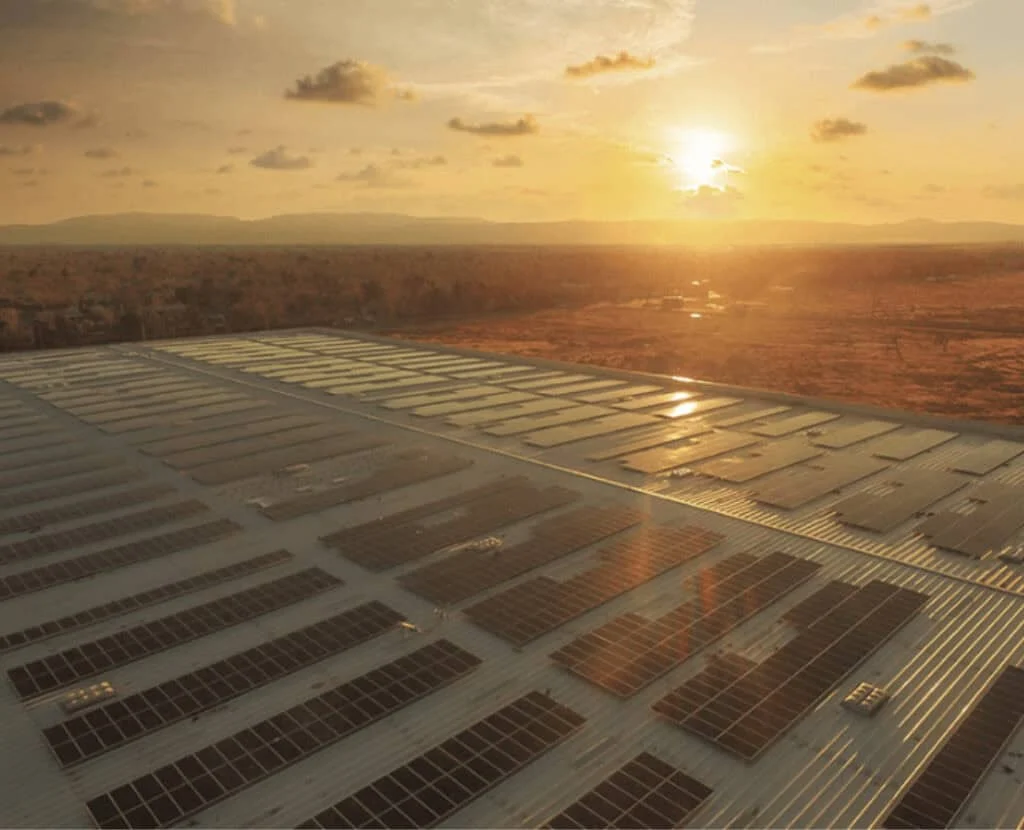
The Australian energy landscape is undergoing a profound structural transformation, transitioning from a historical reliance on fossil fuels toward a decentralized, renewable-led grid. According to the latest data from Australia’s Department of Climate Change, Energy, the Environment and Water (DCCEEW), renewable electricity generation on the continent has more than doubled over the last decade. This shift is further underscored by the Clean Energy Council’s most recent reporting, which indicates that over 40% of Australia’s total electricity is now derived from renewable sources, including solar, wind, hydro, and biomass. As the nation moves toward its ambitious 2030 emissions reduction targets, several key corporate players have emerged as leaders in providing the hardware and software necessary for households and businesses to navigate this transition.
The rapid proliferation of clean energy in Australia is no longer driven solely by environmental advocacy; it is increasingly a matter of economic pragmatism. With rising wholesale electricity prices and the volatility of global gas markets, millions of Australian households have turned to rooftop solar and battery storage as a means of achieving energy independence and long-term cost savings. This shift has created a highly competitive marketplace for clean energy technology, where efficiency, durability, and local support have become the primary benchmarks for consumer selection.
A Chronology of Australia’s Renewable Ascent
To understand the current dominance of the five brands highlighted in this report, one must examine the timeline of Australia’s energy evolution. In the early 2010s, renewable energy accounted for less than 15% of the national electricity mix. The decade that followed saw a massive influx of investment, driven by the Renewable Energy Target (RET) and various state-based feed-in tariffs that incentivized homeowners to install solar panels.
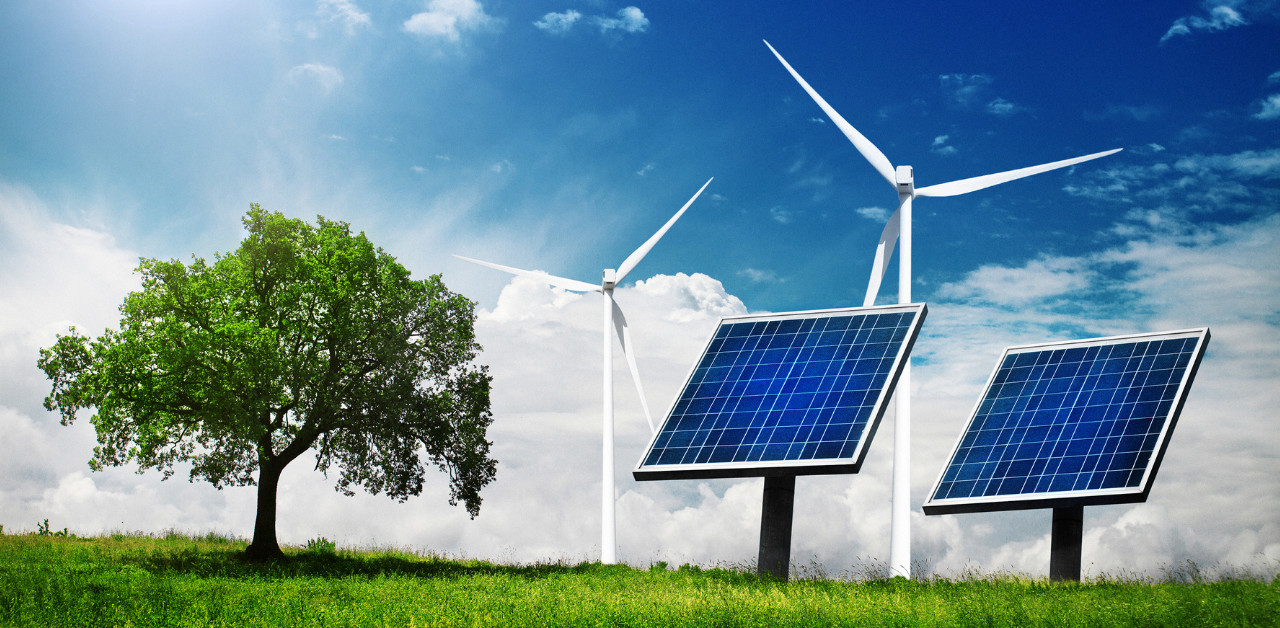
By 2020, Australia had achieved the highest uptake of rooftop solar per capita in the world. However, this surge in generation created new challenges for grid stability, leading to the "storage era" of the 2020s. The focus shifted from merely generating power to storing it, allowing households to mitigate the impact of the "duck curve"—a phenomenon where solar production peaks during the day when demand is low, only for demand to spike in the evening when the sun sets.
The current phase of the transition, spanning from 2023 to 2026, is defined by the integration of smart energy management systems and the rise of Virtual Power Plants (VPPs). In this environment, the following five brands have distinguished themselves through innovation and market reliability.
1. VoltX Energy: Local Focus and Reliability
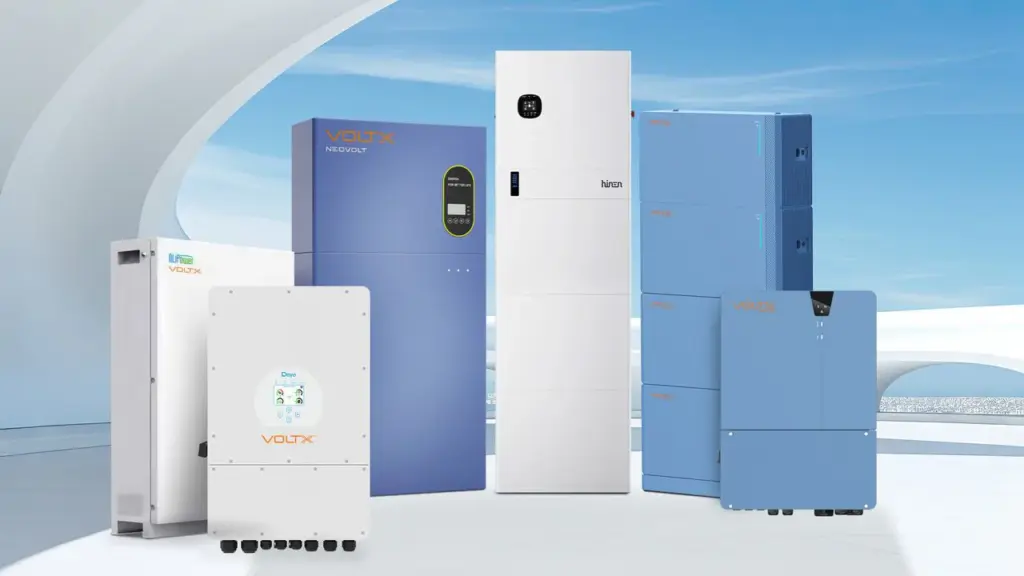
VoltX Energy has carved out a significant niche in the Australian and New Zealand markets by prioritizing high-performance home battery systems that are specifically engineered for the region’s harsh climatic conditions. Unlike some global conglomerates that offer "one-size-fits-all" solutions, VoltX has focused on the practicalities of domestic energy storage.
Their product range spans from entry-level solar batteries to sophisticated home energy management systems (HEMS). A key factor in their success is the modularity and compatibility of their systems; VoltX batteries are designed to integrate with a wide variety of existing solar inverter setups. This allows homeowners to upgrade to energy storage without the prohibitive cost of a complete system overhaul. Furthermore, VoltX has gained traction by offering localized customer support, a critical factor for Australian consumers who value accessible technical assistance and warranty security.
2. Tesla Energy: Ecosystem Integration and Software Excellence
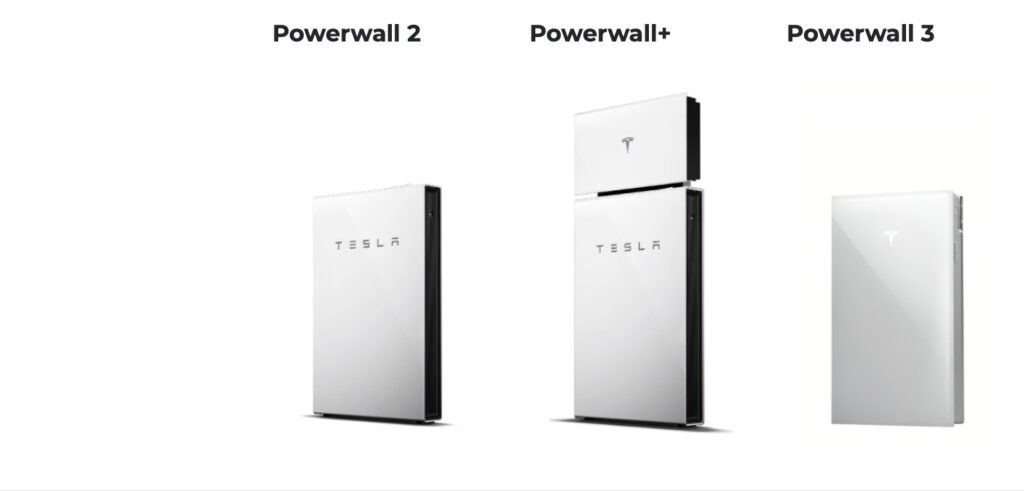
Tesla Energy remains the most recognizable name in the global clean energy sector, and its presence in Australia is formidable. The Tesla Powerwall has become the industry benchmark for home battery storage, celebrated for its sleek, minimalist design and high energy density.
The latest iteration, the Powerwall 3, represents a significant technological leap by integrating a solar inverter directly into the battery unit. This "all-in-one" approach simplifies the installation process and reduces the number of failure points within a home energy system. Beyond hardware, Tesla’s competitive advantage lies in its software. The Tesla app provides users with real-time data on energy production and consumption, while also allowing participation in Virtual Power Plants. Through VPPs, Tesla owners can collectively discharge stored energy back into the grid during periods of peak demand, earning financial credits and supporting grid stability. While Tesla products carry a premium price tag, their long-term value proposition is bolstered by continuous over-the-air software updates and a robust global supply chain.
3. SunPower: Efficiency and Long-Term Durability
In the solar panel segment of the market, SunPower (utilizing Maxeon cell technology) continues to lead in terms of efficiency and longevity. For Australian homeowners with limited roof space, the efficiency of a solar panel—defined by how much sunlight it can convert into electricity per square meter—is a paramount consideration.
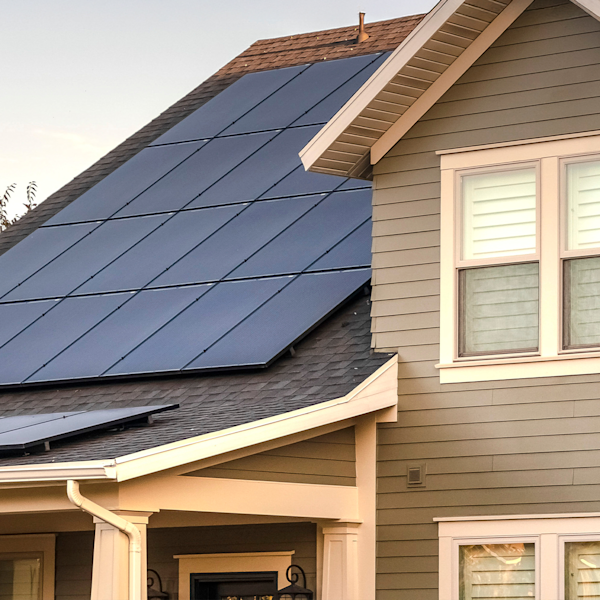
SunPower’s Maxeon panels utilize a unique solid copper foundation that makes them nearly immune to the corrosion and cracking that can plague conventional panels. This technical superiority allows the company to offer some of the most extensive warranties in the industry, often spanning 25 to 40 years. While the initial capital expenditure for a SunPower system is higher than that of budget-tier competitors, the higher energy yield over the system’s lifespan typically results in a superior return on investment (ROI). In an era where "disposable" technology is a growing concern, SunPower’s focus on durability aligns with the values of the eco-conscious consumer.
4. Fronius: The Backbone of Solar Infrastructure
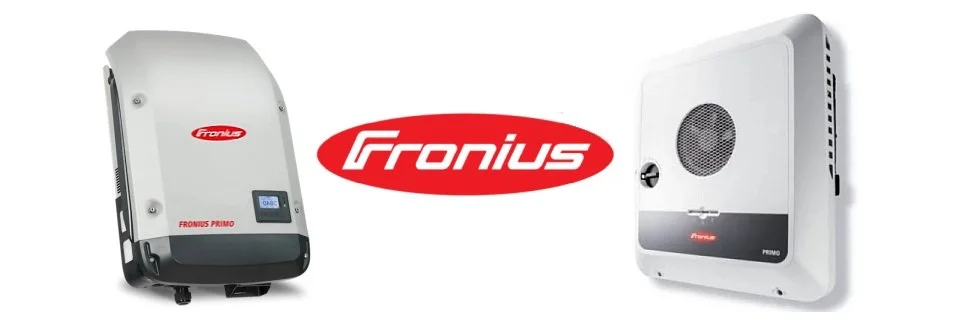
While solar panels and batteries often receive the most media attention, the inverter is the critical component that converts direct current (DC) from panels into usable alternating current (AC) for the home. Austrian manufacturer Fronius has established itself as the preferred choice for high-end solar installations in Australia.
Fronius inverters, particularly the Primo and Symo series, are lauded by installers for their "SnapInverter" design, which allows for easy servicing and maintenance. Technically, Fronius leads the market in smart monitoring and grid integration capabilities. Their "active cooling" technology ensures that the inverters maintain high efficiency even in the extreme heat of the Australian summer, a condition that often causes lesser inverters to throttle their output. As the grid becomes more complex, the role of a smart inverter like those produced by Fronius becomes vital for managing the flow of energy between the home, the battery, and the utility provider.
5. BYD: Modular Solutions and Safety-First Chemistry
BYD (Build Your Dreams), a global leader in electric vehicles and battery manufacturing, has seen rapid adoption of its Battery-Box range in Australia. The primary appeal of BYD’s storage solutions is their modularity. The "stackable" design of the Battery-Box Premium allows households to start with a modest storage capacity (e.g., 5 kWh) and add additional modules as their energy needs or budget grow.
Critically, BYD utilizes Lithium Iron Phosphate (LFP) chemistry for its home batteries. LFP is widely regarded as a safer alternative to the Nickel Manganese Cobalt (NMC) chemistry used in some other lithium-ion batteries, as it is less prone to thermal runaway and offers a longer cycle life. This focus on safety, combined with a price point that is often more accessible than Tesla or SunPower, makes BYD a dominant force in the middle-market segment of the Australian clean energy landscape.
Supporting Data and Market Analysis
The acceleration of these brands is supported by broader economic data. According to the International Energy Agency (IEA), the global transition to renewable energy is moving faster than any previous energy shift in human history. In Australia, this is evidenced by the declining cost of solar technology, which has dropped by approximately 80% over the last decade.
However, the market is also facing headwinds. Supply chain fluctuations and a shortage of skilled electrical tradespeople have led to longer installation lead times. Industry analysts suggest that consumers are increasingly moving away from "budget" components in favor of brands with established Australian offices and proven track records. This "flight to quality" is a reaction to the early days of the solar boom, where many fly-by-night companies installed sub-par hardware that failed within five years.
Broader Implications for the Australian Grid
The rise of these clean energy brands has implications that extend far beyond individual household savings. As more Australians adopt systems from providers like Tesla, BYD, and VoltX, the national grid is becoming a "two-way street." This decentralization reduces the need for massive, coal-fired power stations and the expensive transmission infrastructure required to move power over long distances.
Furthermore, the integration of these technologies is essential for Australia to meet its international climate commitments. The DCCEEW has indicated that the "electrification of everything"—from home heating to transportation—will require a massive increase in renewable generation. The brands currently dominating the market are not just selling products; they are providing the infrastructure for a post-carbon economy.
Strategic Considerations for Consumers
For residents and businesses considering the switch, industry experts recommend a holistic approach to system design. Resources such as EnergySage and local consumer advocacy groups emphasize the importance of matching battery capacity to daytime generation and evening consumption patterns.
The consensus among energy analysts is that the era of "passive" energy consumption is ending. With smart inverters from Fronius and integrated apps from Tesla, consumers are becoming "prosumers"—active participants in the energy market who generate, store, and sell power.
Final Analysis
The Australian clean energy market has matured into a robust ecosystem of international innovators and local specialists. The success of brands like VoltX Energy, Tesla, SunPower, Fronius, and BYD reflects a broader societal shift toward autonomy, sustainability, and economic resilience. As the continent continues its trajectory toward becoming a renewable energy superpower, the hardware provided by these companies will serve as the foundation for a more stable, affordable, and environmentally responsible power grid. The transition is no longer a future prospect; it is a current reality, driven by technological excellence and a clear consumer mandate for change.

