

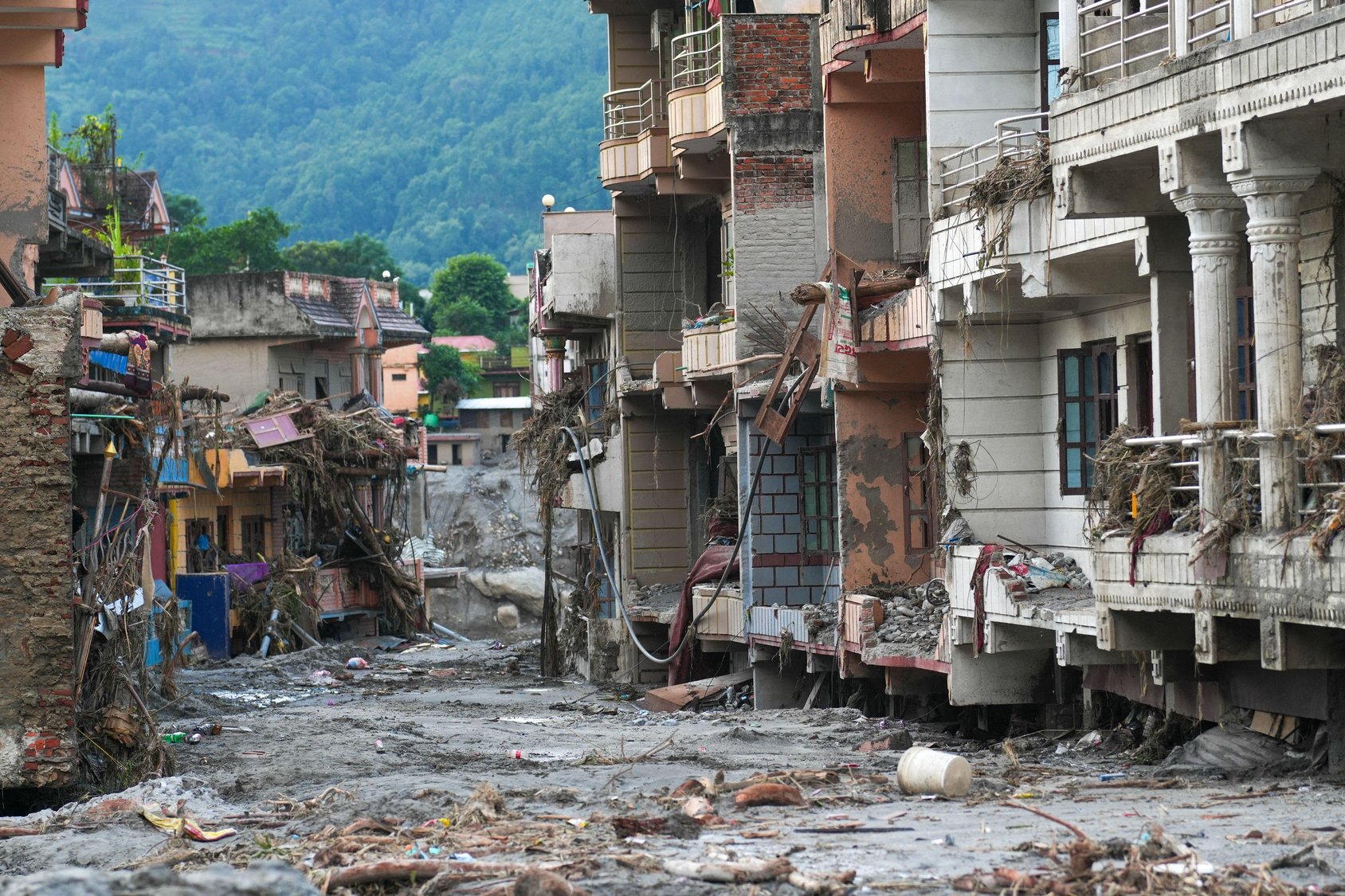
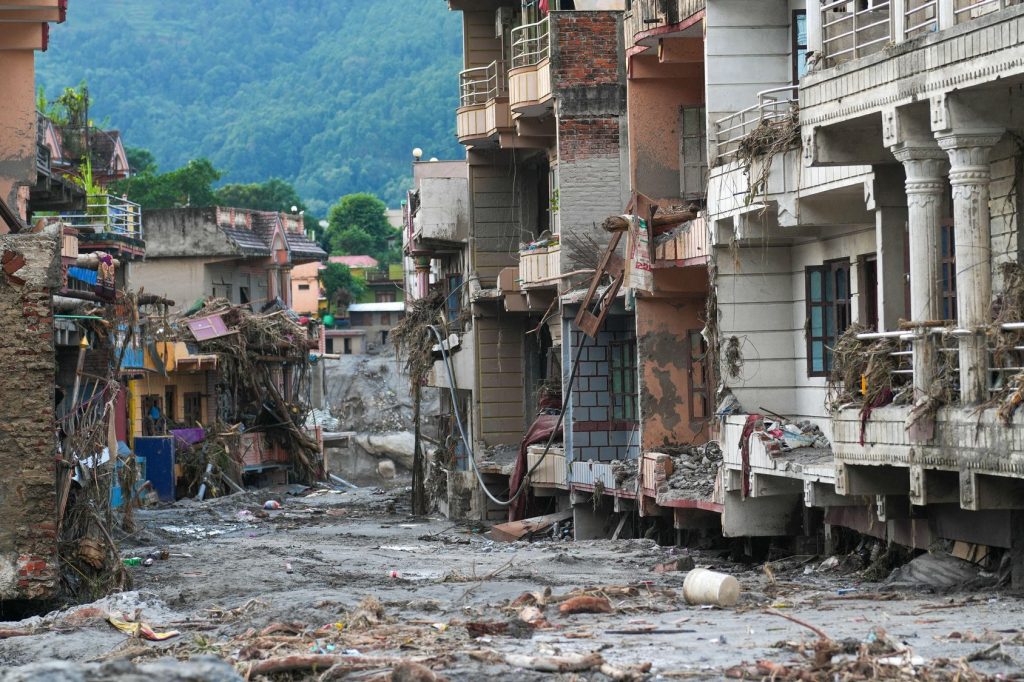
On the morning of Wednesday, August 26, 2026, a catastrophic flash flood, triggered by the dramatic collapse of a glacier within Nepal’s Langtang National Park, unleashed a torrent of destruction. This devastating event, occurring approximately seventy-five miles north of the capital city of Kathmandu, sent a massive wave of water and debris cascading downstream for over fifty miles, obliterating everything in its path. In the days and weeks that followed, Buddhist groups, both within the affected regions of Nepal and Tibet and across the global community, have swiftly mobilized their resources and compassion to aid those grappling with the immense human and material losses.
The Scale of the Disaster
The immediate aftermath of the flash flood revealed a grim and escalating toll. As of September 2, 2026, official reports from Nepal indicated a staggering death toll of 1,222 individuals, with an additional 5,000 people still unaccounted for. The human cost on the Tibetan side of the border was also significant, with Chinese state media reporting 21 fatalities and over 540 individuals missing. The sheer volume of missing persons has led to heart-wrenching scenes in Kathmandu, where families have been forced to pin photographs and descriptions of their lost loved ones in public spaces, desperately seeking any news. The scale of the loss has necessitated mass burials, with some ceremonies incorporating straw effigies to represent those whose bodies could not be recovered.
The geographic epicenter of this tragedy holds deep spiritual significance. The Kathmandu Valley is a revered pilgrimage site for multiple world religions, including Buddhism, Hinduism, Jainism, Sikhism, and Tibetan Bon. This profound spiritual connection means that the missing individuals include not only local residents but also pilgrims on their journeys to sacred sites, such as the revered Mount Kailash. The disruption to these pilgrimage routes and the potential loss of life among devotees underscore the far-reaching impact of the disaster beyond the immediate geographical area.
Buddhist Response on the Ground
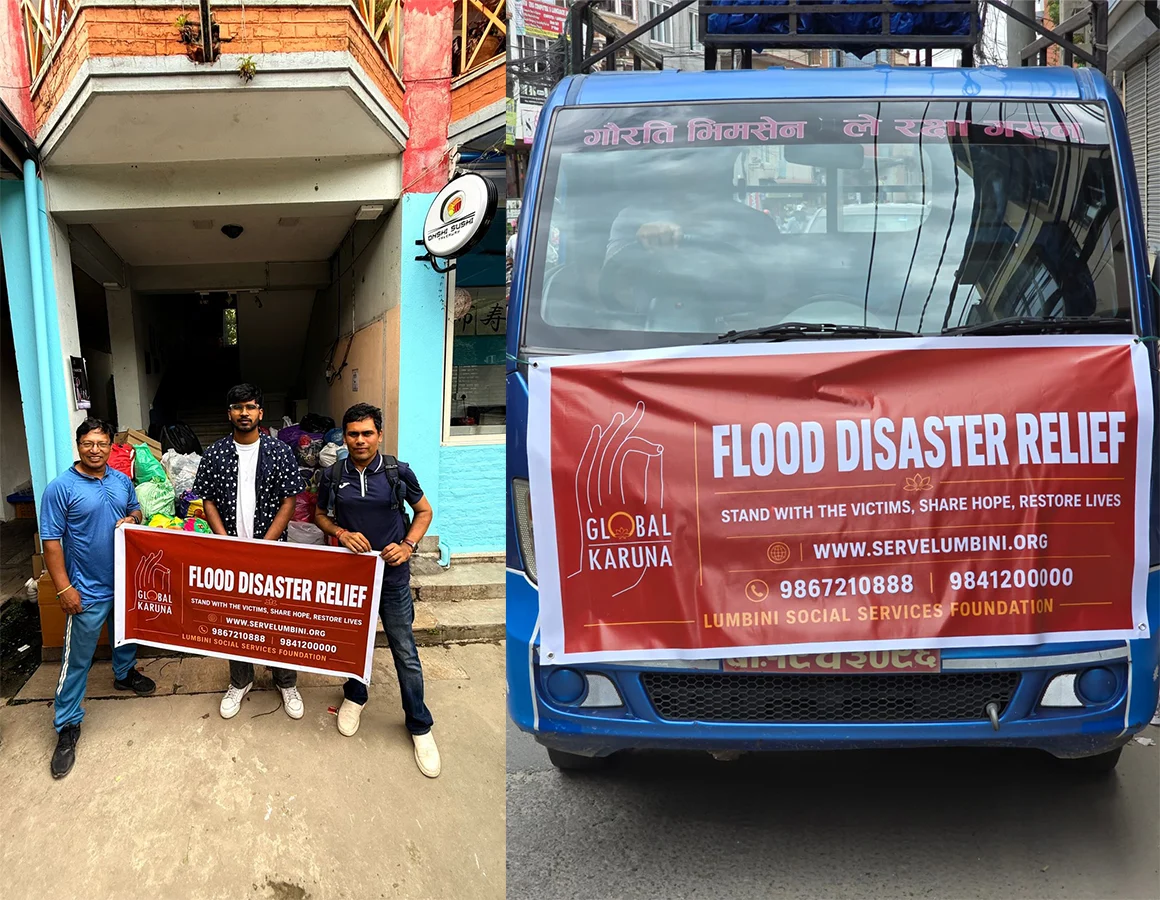
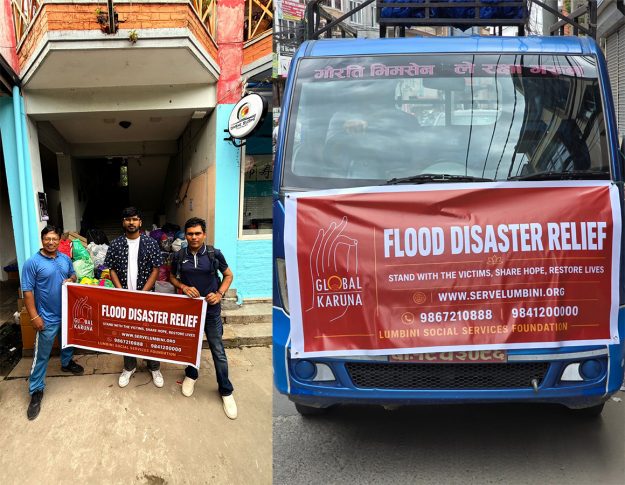
In the face of such overwhelming devastation, the spirit of compassionate action, a cornerstone of Buddhist philosophy, has been powerfully demonstrated by those on the ground. Rockey Tripathi, a dedicated volunteer in Nepal affiliated with the Bodhi Institute and numerous other organizations in Lumbini – the sacred birthplace of the Buddha – provided a stark account of the initial challenges. "Yes, we are doing the first response, but it’s just very difficult to access the flooded area due to road blockages and also constant threat of landslides," Tripathi communicated in a brief correspondence with Tricycle.
Tripathi and his fellow volunteers, many of whom had previously responded to the devastating 2015 Nepal earthquake and the more recent COVID-19 pandemic, immediately focused their efforts on the critical task of aid distribution. Their initial deployment took them to Galchi, in the Dhading District, an area heavily impacted by the floods.
The immediate focus has been on providing essential relief, but the long-term commitment to recovery is already evident. "We are preparing to go and rebuild, clean and tidy the houses for flood victims (for) as many requests that need helping hands," Tripathi stated. His plans include extending support and vital supplies to those residing in government temporary housing, with a particular emphasis on the needs of children, women, and girls. This commitment to rebuilding and supporting vulnerable populations reflects a deep understanding of the interconnectedness of suffering and the imperative of collective action. Tripathi’s brother, Venerable Metteyya Sakyaputta, a respected monk in Lumbini whose work centers on empowering local women through training programs and supporting young nuns at Peace Grove Nunnery, exemplifies the broader network of compassion and aid that is being mobilized.
Global Solidarity and Support
The call for assistance has resonated far beyond the borders of Nepal and Tibet, galvanizing Buddhist communities and like-minded individuals worldwide. Tripathi highlighted the importance of coordinated international support, suggesting direct donations through Anatta World Health, a U.S.-based nonprofit organization, and the Canadian Engaged Buddhist Organization (CEB). These organizations are playing a crucial role in channeling financial and material aid to the affected regions, ensuring that relief efforts are sustained and impactful.
Furthermore, the broader network of Buddhist organizations and individuals is actively contributing to relief and awareness campaigns. Adhikaar, a women-led community and workers organization serving the Nepali-speaking community in New York, has been instrumental in compiling vital resources. They have developed a comprehensive list of emotional support services, including contact information for chaplains and community organizations, and have hosted community gatherings to foster solidarity and shared grieving. In a significant initiative, Adhikaar has also launched a database for tracking missing and located individuals, a critical tool for families anxiously awaiting news of their loved ones, and importantly, this database includes information on foreign nationals affected by the disaster.
The interconnectedness of the global Buddhist community means that news of the disaster has prompted widespread prayer vigils, meditation sessions, and fundraising initiatives. Monasteries, dharma centers, and individual practitioners are dedicating their spiritual practices to the well-being of those affected, sending intentions of healing, strength, and peace to the devastated communities. This collective spiritual engagement, while not always tangible in immediate material terms, plays a vital role in sustaining hope and fostering resilience among those experiencing profound loss and trauma.
Broader Context and Implications
This catastrophic event serves as a stark reminder of the escalating threat posed by climate change, particularly in fragile mountain ecosystems. The melting of glaciers, a direct consequence of rising global temperatures, has created increasingly volatile conditions in the Himalayas, a region already prone to natural disasters. The Langtang National Park, known for its stunning glacial landscapes and popular trekking routes, has now become synonymous with this devastating environmental crisis.
The event’s timing, occurring in late August, highlights the vulnerability of these regions during monsoon season, when increased rainfall can exacerbate the impact of glacial lake outburst floods (GLOFs) and debris flows. The sheer force and speed of the flash flood underscore the urgent need for enhanced early warning systems, improved disaster preparedness infrastructure, and a deeper understanding of the complex interplay between climate change and geological instability in the Himalayas.
Chronology of Events and Related Developments
- August 26, 2026 (Morning): A glacier collapses in Langtang National Park, Nepal, triggering a massive flash flood.
- August 26 – September 2, 2026: Initial rescue and relief efforts commence, hampered by damaged infrastructure and ongoing safety concerns.
- September 2, 2026: Nepal’s death toll reaches 1,222, with nearly 5,000 missing. Tibetan authorities report 21 deaths and over 540 missing.
- Early September 2026: Buddhist organizations and volunteers, including those from Lumbini, actively engage in aid distribution and begin planning for reconstruction efforts. Global Buddhist communities initiate fundraising and solidarity campaigns.
- September 3, 2026: A 4.7-magnitude earthquake is detected in Tibet, approximately 700 kilometers northeast of the flood-affected area, according to the GFZ Helmholtz Centre for Geosciences. While not directly linked to the flood, this seismic event adds another layer of concern to the region’s stability.
Analysis of Implications
The long-term implications of this disaster are multifaceted. Economically, the destruction of infrastructure, homes, and agricultural land will have a profound impact on the livelihoods of countless individuals and communities. The disruption to tourism, a vital source of income for Nepal, will likely be significant, particularly given the damage to trekking routes and popular destinations.
Socially, the trauma of losing loved ones and homes will require extensive psychological support and community healing efforts. The displacement of communities will necessitate careful planning for resettlement and the provision of long-term housing and services.
Environmentally, the event highlights the urgent need for greater attention to the vulnerability of high-altitude regions to climate change. The increased frequency and intensity of glacial melt and related hazards in the Himalayas demand international cooperation and investment in research, adaptation strategies, and mitigation efforts.
Spiritually, the disaster underscores the Buddhist principle of impermanence and the interconnectedness of all beings. The compassionate response from Buddhist groups worldwide demonstrates the enduring power of these teachings in times of crisis, offering a beacon of hope and solidarity amidst profound loss. The rebuilding efforts will not only focus on physical reconstruction but also on fostering spiritual resilience and reinforcing the values of compassion, interdependence, and mindfulness in the face of adversity. The ongoing commitment of Buddhist organizations to provide aid, support, and spiritual solace is a testament to their dedication to alleviating suffering and contributing to the well-being of all sentient beings.

