

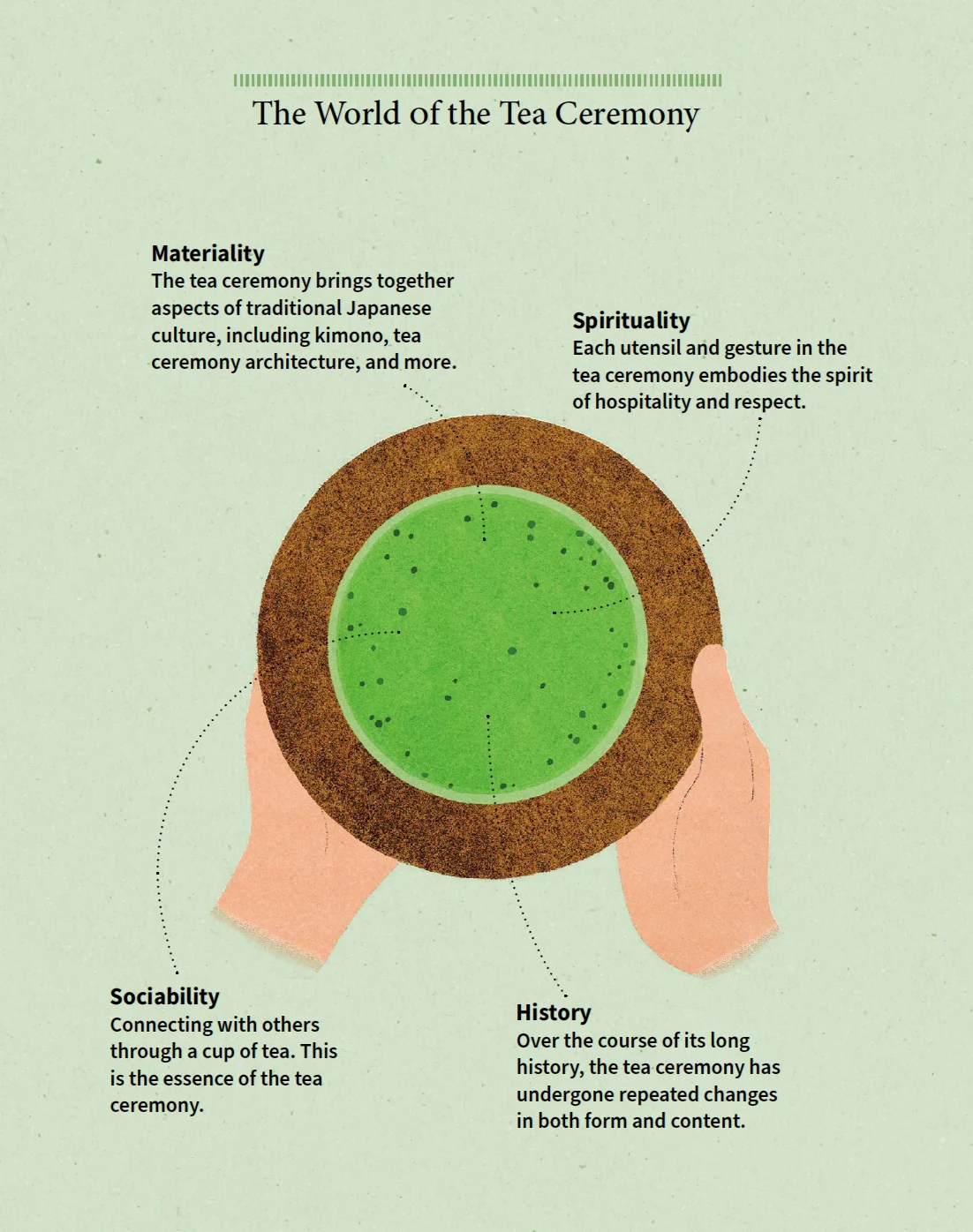
The Japanese tea ceremony, or chanoyu, often conjures images of stringent formality and an almost unattainable world removed from the rhythms of daily life. However, practitioners and scholars alike emphasize that beneath its structured surface lies a profound connection to the ordinary, a discipline designed to imbue everyday existence with beauty and mindfulness. As art historian Okakura Tenshin articulated in his seminal work, The Book of Tea, the ceremony is "a ritual based on the worship of the beautiful in the everyday." This philosophy suggests that the intricate forms and etiquette of the tea ceremony are not arbitrary but are, in fact, woven from the very fabric of daily actions and interactions.
Mastering these forms, proponents argue, naturally cultivates grace in one’s outward demeanor. More significantly, the practice extends beyond mere physical refinement, fostering internal transformations that alter one’s perception and emotional landscape. These internal shifts, in turn, are believed to expand social connections and contribute to positive societal change, a ripple effect stemming from the quiet contemplation of a shared cup of tea.
A Personal Journey into the Heart of Tea
The personal narrative of Soryo Matsumura, a teacher at the Urasenke tea ceremony school SHUHALLY in Yokohama and Tokyo, offers a compelling insight into this transformative potential. Matsumura’s path to becoming a tea master was unconventional. He recounts growing up with no familial ties to the tradition, his youthful interests leaning more towards foreign street culture than established Japanese arts. It was during his student travels abroad that a stark realization of his own cultural unfamiliarity ignited a desire to explore the traditions of his homeland. In his mid-twenties, he embarked on his tea ceremony studies.
Initially, the physical demands of sitting on the floor and the sheer volume of conventions presented a significant challenge. The intricate forms and rules seemed daunting. Yet, as his practice deepened, Matsumura began to discern the inherent meaning within each gesture and recognized the refined aesthetic sensibility that had been meticulously passed down through generations. Concurrently, he experienced a subtle but profound internal metamorphosis.
He found himself becoming more attuned to his everyday movements, his posture, and even his breathing. The subtle distinctions between seemingly identical tea utensils became apparent. Walks through the city transformed from mundane journeys into sensory explorations, where he noticed the changing hues of street trees, the whispers of the wind, and the delicate fragrance of flowers – details previously overlooked. This heightened awareness, he explains, brought a sense of fulfillment to both his daily life and his spiritual existence.
Matsumura views the Way of Tea not merely as a comprehensive traditional Japanese art but as the "distilled essence of everyday life." He defines "everyday life" in this context as encompassing the simple yet profound sentiments: the sincerity behind a "thank you," the moment the heart recognizes beauty. He posits that previous generations invested their wisdom into distilling these feelings and elevating them into an art form, thus imbuing the tea ceremony with elements that foster human growth.
Furthermore, he emphasizes the universal appeal of the Way of Tea, asserting that it transcends age, gender, nationality, and even language, serving as a potent force for bringing people together. His experiences hosting tea gatherings internationally highlight this unifying power, noting the universal smiles that emerge with each sip of matcha. He describes the practice as an almost spiritual communion with nature and history, a testament to its ability to connect seemingly disparate elements.
The Genesis and Evolution of the Tea Ceremony
The fundamental question, "Would you like some tea?" is considered the genesis of the tea ceremony. While the setting of a formal tea room with a host and guest may appear vastly different from sharing tea with a friend in a café, the core function of communication remains the same. Historically, tea gatherings have evolved to serve diverse purposes, from political strategy sessions to the exchange of vital business information. However, the underlying principle of "connecting with others through tea" has persisted across centuries.
What distinguishes the tea ceremony from casual tea drinking is its deep spiritual underpinnings, a direct influence of Zen Buddhism. The historical integration of tea in Japan began with Zen monks who used it to aid in their meditation practices, seeking to maintain wakefulness during long hours of contemplation. This spiritual dimension is evident in the deliberate design of the tea room and the prescribed etiquette observed during a gathering. Simultaneously, the Way of Tea is rich in tangible elements that embody traditional Japanese culture, including the carefully selected tea utensils, the architectural aesthetics of the tea room, the elegance of kimonos, and the artistry of wagashi (traditional Japanese sweets). The true allure of the Way of Tea, therefore, lies in its dual capacity to offer both profound spiritual depth and exquisite material beauty.
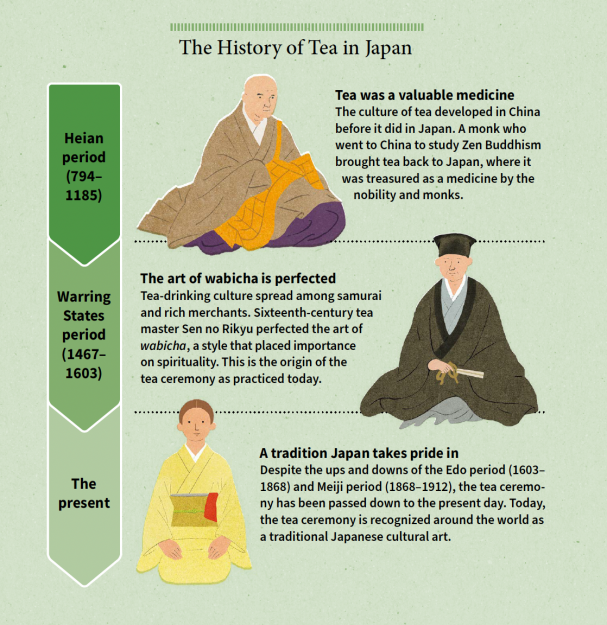
The history of tea in Japan traces back to the Heian period (794-1185), when tea leaves were introduced from China by a priest who had studied Zen Buddhism. Initially, tea was primarily used as medicine and was highly valued by the imperial court and Buddhist temples. During the Kamakura period (1185-1333), trainee monks utilized tea to stay alert during their meditative practices. Eisai, a prominent figure in the Rinzai sect of Zen Buddhism, is credited with introducing powdered green tea (matcha) and its cultivation methods to Japan, and is even said to have cured the shogun Minamoto no Sanemoto of a hangover with a serving of matcha.
The Muromachi period (1392-1573) witnessed a surge in tea’s popularity among the samurai class and affluent merchants. Shoguns Ashikaga Yoshimitsu and Yoshimasa actively collected Chinese tea implements and hosted elaborate tea ceremonies. This era also marked the formalization of chanoyu by influential figures such as Murata Juko, often considered the founder of wabicha (a style emphasizing simplicity and rustic aesthetics), followed by his disciples Takeno Jo’o and Kitamuki Dosen. The most pivotal figure in the development of the tea ceremony was Sen no Rikyu, who lived during the late Muromachi and Azuchi-Momoyama periods (16th century). Rikyu is credited with perfecting chanoyu, integrating Zen principles with aesthetic ideals to create the refined and spiritual practice we recognize today. Following Rikyu’s death, various schools of tea ceremony emerged, notably the three Senke schools founded by his grandson, Sotan, alongside contributions from masters like Furuta Oribe and Kobori Enshu. It was during this period that the term sado (the Way of Tea) gained widespread usage.
The Meiji Restoration in 1868 brought significant societal upheaval, including the abolition of the samurai class, who were traditional patrons of the Way of Tea, leading to a period of uncertainty for the practice. However, the tea ceremony experienced a resurgence in the early 20th century, gaining traction within political and business circles and being integrated into girls’ school curricula. This renewed popularity has continued to the present day.
The Multifaceted Benefits of Practicing the Tea Ceremony
The practice of the tea ceremony offers a rich tapestry of benefits, fostering both interpersonal connection and a deeper understanding of oneself. For individuals who tend towards introversion, the structured environment of a tea gathering can provide a comfortable avenue for engagement.
The inherent dynamic of a tea ceremony, always involving a host and at least one guest, naturally cultivates interpersonal connections. Individuals who might not otherwise meet find themselves brought together by the shared experience of tea. Within the shared space and moment, a gradual opening up occurs, leading to a collaborative creation of the unique atmosphere of the occasion. This dynamic, according to practitioners, presents a valuable opportunity for novel forms of communication and connection.
For those familiar with practices like yoga and meditation, the similarities to tea ceremony practice become apparent. The core essence of both yoga and meditation lies in focusing consciousness on the present moment, a principle that forms the bedrock of the tea ceremony. Every element—from the hanging scroll on the wall and the design of the flower container to the sound of boiling water and the feel of the tea bowl—engages the five senses, inviting a quiet internal dialogue. Each action, from cleaning the tea room to tidying up afterwards, is a cycle of sensing, noticing, and translating that awareness into mindful action. Through these daily tasks and moments of seated contemplation, the senses are sharpened, leading to insights that can contribute to spiritual awakening. This rare blend of deep connection with others and profound immersion in one’s inner world is what makes the tea ceremony so uniquely compelling.
Accessibility and Overcoming Perceived Barriers
A common misconception is that the tea ceremony requires specialized knowledge or a particular background, leading some to perceive it as intimidating. However, experts emphasize that the most crucial step is simply to begin, with a casual and open mind.
In contemporary tea ceremony classes, a diverse range of students participate, driven by varied motivations. Some are drawn by the opportunity to wear a kimono, others seek to enhance their posture and presence, while some are captivated by the beauty of traditional crafts and wish to experience tea utensils firsthand. Historical figures like Sen no Rikyu also draw interest, sparking curiosity through books or even video games. The age, goals, and motivations of students are incredibly varied, underscoring the practice’s broad appeal.
There is no necessity for a grand purpose or prior expertise to commence. A fundamental principle of the tea ceremony is that all individuals are considered equal within the tea room; one’s occupation or social standing becomes irrelevant. While beginners often express a sense of bewilderment, continued engagement naturally deepens their interest and understanding.
Historically, in Japan, the tea ceremony was sometimes associated with bridal training, a set of skills expected of young women preparing for marriage. This historical context, coupled with tales of strict tutelage, may contribute to a lingering perception of formality and difficulty. However, modern approaches to teaching the tea ceremony are generally more relaxed, alleviating the need for such anxieties.
Navigating the "Rules" and Embracing Form
While the tea ceremony is often described as having "rules," a more accurate perspective is to consider them as "forms." Initially, learning these forms can feel overwhelming. However, as they become ingrained through practice, their deeper meanings and intentions begin to emerge organically.
For instance, the prescribed method for serving tea, while consistent in its form, yields subtly different results depending on the individual. The host’s physical characteristics and personality inevitably imbue the action with a unique quality. It is through these established forms that one can gain insight into another’s character.
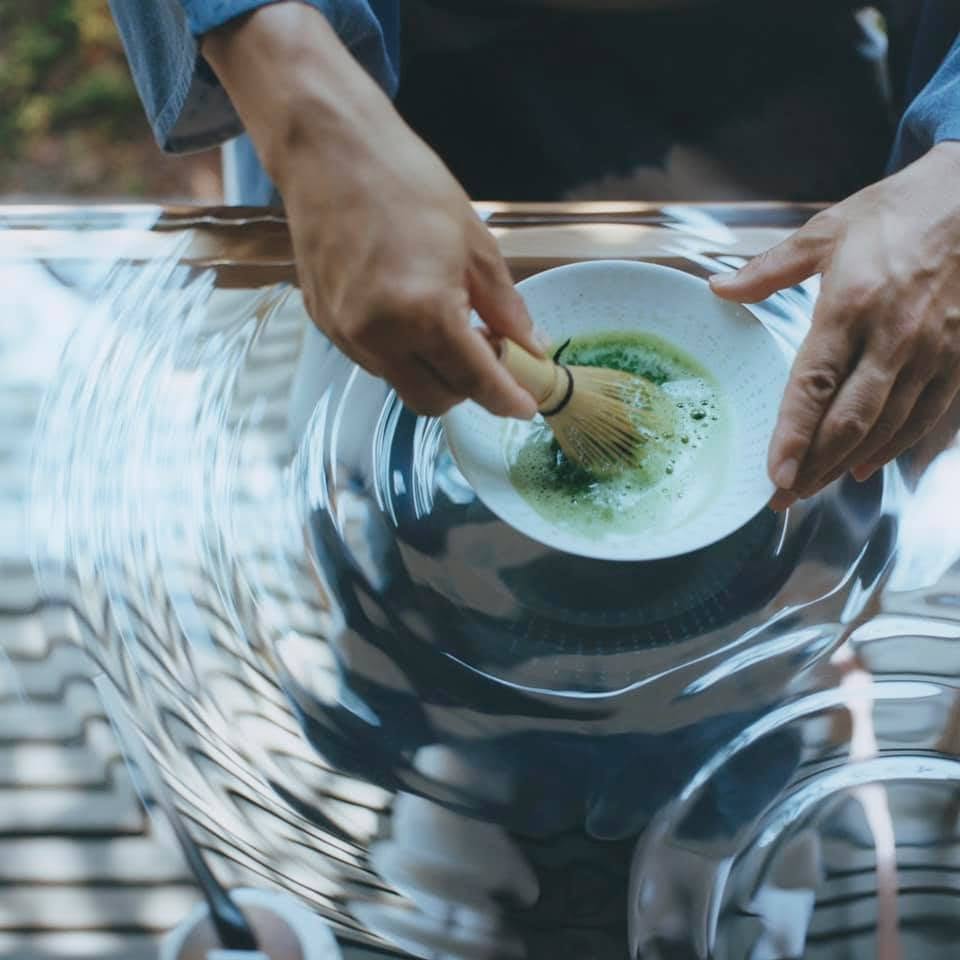
The presence of a common language in the form of these established procedures ensures that both host and guests operate with a shared understanding of the unfolding sequence of events. Each action, performed with a sense of ritual, naturally enhances concentration, allowing participants to focus on the present moment with a sense of peace. Yet, the inherent human element ensures that unexpected occurrences are inevitable. The gap between the anticipated and the actual, the element of surprise, is itself a source of joy within the practice.
The Enduring Gift of Enrichment
The tea ceremony offers a multitude of benefits, which can be broadly summarized as "enrichment." This encompasses the practical enrichment of cultivating beautiful manners, the spiritual enrichment of one’s inner life, and the enrichment of one’s relationships within society. The enduring appeal of the tea ceremony, practitioners suggest, stems from its capacity to enrich human lives in both tangible and intangible ways.
The practical benefits are readily apparent. Learning the tea ceremony improves posture, refines greeting etiquette, and teaches organized movement. Even novice practitioners often receive compliments on their graceful demeanor. The etiquette learned can translate into various social and professional situations, fostering an impression of polish and reliability, which can, in turn, open doors to helpful connections and opportunities.
As practice progresses, knowledge deepens concerning tea utensils, seasonal customs, and Zen phrases, leading to a heightened sensitivity. This allows for the recognition of beauty in the ordinary: wildflowers by the roadside, the tableware at a restaurant, the phases of the moon, or a thoughtfully chosen phrase in conversation. One’s capacity for appreciation expands significantly.
Beyond personal growth, the tea ceremony fosters a sense of social richness. The values inherent in tea practice, such as meticulous care for one’s tools, resonate with many of life’s broader social challenges. Through tea, individuals can cultivate themselves, nurture their surroundings, and ultimately contribute to a more enriched world. This path of continuous growth and service remains a central aspiration for many who dedicate themselves to the Way of Tea.

