

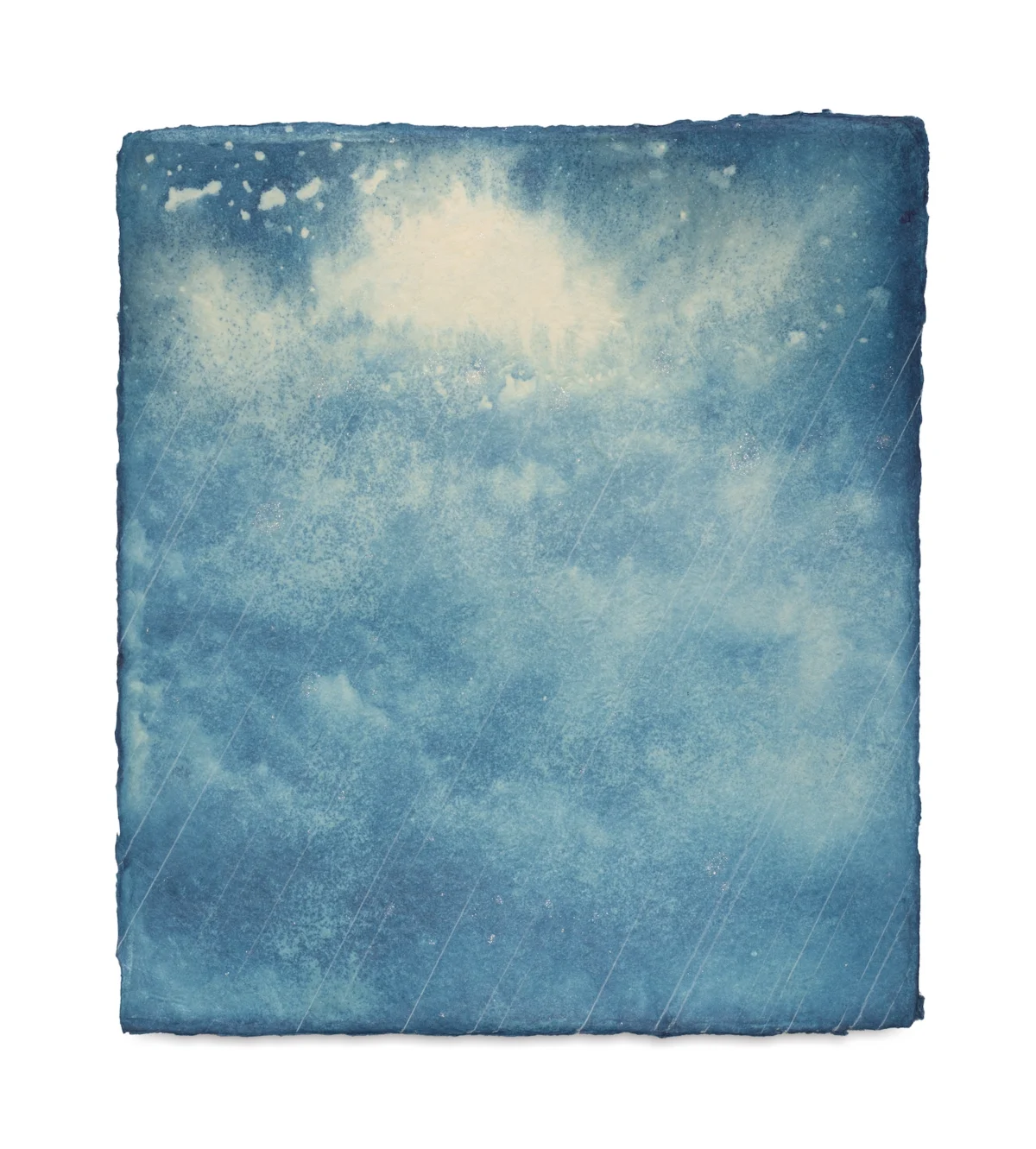
The profound connection between humanity and the natural world is often articulated through language, and in Japan, this connection is particularly rich when it comes to the phenomenon of rain. Artist Miya Ando’s monumental project, Water of the Sky: A Dictionary of 2,000 Japanese Rain Words, delves into this intricate linguistic tapestry, offering a profound exploration of how a single natural element has been perceived, categorized, and poetically expressed across millennia. Born from a childhood encounter with the evocative term kitsune no yomeiri—or "fox wedding rain"—Ando’s work transcends a mere linguistic compilation; it is a philosophical inquiry into our relationship with transient phenomena and the lessons they impart about our own impermanence.
Ando’s journey into this vast lexicon began with a deeply personal moment of wonder. As a child growing up in Japan, the concept of rain occurring while the sun shone, known as kitsune no yomeiri, utterly captivated her. Her grandparents explained it as the time when foxes hold their wedding ceremonies, a notion that sparked a lasting sense of awe and reverence. This early fascination with the specificity and poetry of language surrounding natural events became a cornerstone of her artistic practice. For decades, Ando has dedicated her multidisciplinary artistry to examining and expressing the ephemeral beauty of transient phenomena. Water of the Sky represents the culmination of this lifelong pursuit, drawing from a diverse array of Japanese cultural and spiritual traditions.
A Tapestry of Tradition: Sources and Scope
The title itself, Water of the Sky, is derived from the ancient Japanese term ama no mizu, a literal translation of "water of the heavens," underscoring the sacred and mystical dimensions Ando seeks to honor. Her selection of source materials is deeply personal, reflecting her own biography and the manifold influences that have shaped her perspective.
Buddhist Roots and Divine Interventions:
Ando’s Buddhist upbringing profoundly informs the dictionary. It includes numerous expressions associated with Buddhist rain sutras and deities. Notably, the collection features at least two dozen amagoi, or prayers for rain. One such poignant example is “Open, O God, the Celestial River, the Milky Way, to Send Water to the Rice Fields—The Priest Noin’s Poem That Was Used as a Rain Prayer” (#1876). These entries highlight a historical reliance on spiritual intervention for agricultural sustenance and a deep-seated respect for the forces governing natural cycles. The inclusion of these prayers speaks to a time when human existence was inextricably tied to the whims of nature, with communities actively seeking divine favor for survival.
Zen Philosophy and Metaphysical Teachings:
Inspired by her mother and grandmother’s practice of the tea ceremony, Ando incorporates a selection of Zen idioms (zengo). These short, often metaphorical sayings use rain as a vehicle to convey profound metaphysical teachings on the precariousness of existence. An example is Ame Narazu Shite Hana nao Otsu (“Even If There Is No Rain, Petals Will Fall”) (#1559). Such idioms serve as potent reminders of the inherent impermanence of all things, irrespective of external conditions. They invite contemplation on the inevitability of change and loss, encouraging acceptance rather than resistance.
Heian Elegance and Seasonal Observations:
The dictionary also draws from the writings of Heian-period women poets, whose works were introduced to Ando at a young age by her mother. Many of these entries are delicate seasonal observations, linking specific types of rain to natural events such as the blossoming of wisteria or the waxing and waning of the moon. These poetic expressions reveal a sophisticated aesthetic sensibility, where rain is not merely a meteorological event but an integral part of the unfolding beauty of the year. The inclusion of these verses offers a glimpse into a refined cultural appreciation for the subtle nuances of nature and its cyclical rhythm.
Regional Dialects and Historical Echoes:
Beyond these prominent traditions, Ando has meticulously sourced terms from a variety of hyperlocal dialects and archaic expressions that have largely fallen out of common usage. The earliest entries in the dictionary date back to 720 CE, while the most recent, from the 20th century, is kuroi ame—a chilling descriptor of the black rain that fell on Hiroshima following the atomic bombing. This inclusion of kuroi ame serves as a stark reminder of how rain, a symbol of renewal and life, can also bear witness to immense destruction and tragedy. The juxtaposition of ancient prayers for rain with the aftermath of nuclear devastation underscores the complex and often contradictory relationship humanity has with this elemental force.
The Significance of Lexical Gaps
Ando’s background as a Japanese American artist provides a unique lens through which she examines the concept of "lexical gaps"—the absence of specific words for certain phenomena in different languages and cultures. Her heritage, marked by a split childhood between a Nichiren Buddhist temple in Okayama, Japan, and the Santa Cruz Mountains of California, instilled in her a deep understanding of how language reflects and shapes cultural values.

“When you truly value something, you give it a name,” Ando stated in a recent interview on Tricycle Talks. “So this is a way to look at what we value in one society versus another.” For Ando, art becomes a crucial tool for highlighting these linguistic lacunae, offering a pathway to understanding concepts that may not have direct equivalents in our own lexicons. This approach suggests that the richness of a culture can be measured not only by the words it possesses but also by the insights gained from the words it lacks.
The Art of Impermanence: Mono no Aware and Shinrabansho
At the core of Ando’s artistic philosophy lies a profound engagement with the concept of mono no aware, which she translates as “an empathy for the pathos of transitory things.” This aesthetic and philosophical principle emphasizes a sensitivity to and appreciation for the fleeting nature of existence. “The idea of mono no aware is both a philosophical and aesthetic idea,” she explained. “It’s about having a sensitivity to or an appreciation of particularly fleeting things. Why are fleeting things depicted as particularly beautiful? It’s because we are fleeting. It’s an empathy to yourself, and you are no different from these fleeting things like clouds and falling stars.”
This deep appreciation for impermanence is further articulated through the concept of shinrabansho, literally meaning "the all-covering forest." Ando uses this term to describe her focus on all things in nature that exist under heaven—clouds, rain, shooting stars, and the lunar cycle—and how they have been recorded and depicted in language and literature. Her work follows in the tradition of the 15th-century monk Ikkyu Sojun, who famously advised, “Let us learn to read the love letters sent from the wind, rain, snow, and moon, rather than studying complicated things, such as sutras.”

Ando sees the natural world as a mirror to our own lives and our own impermanence. The changing seasons, the ephemeral nature of rain, and other transient phenomena reflect our own evanescence. Within this framework of mono no aware, impermanence, death, and dying are not viewed nihilistically but as opportunities to be acutely aware of the present moment. Experiencing something evanescent in nature, such as a shooting star or a falling autumn leaf, becomes a cause for gratitude. This perspective encourages a mindful engagement with life, cherishing each moment precisely because it is fleeting.
Visualizing the Ephemeral: Artistic Materials and Techniques
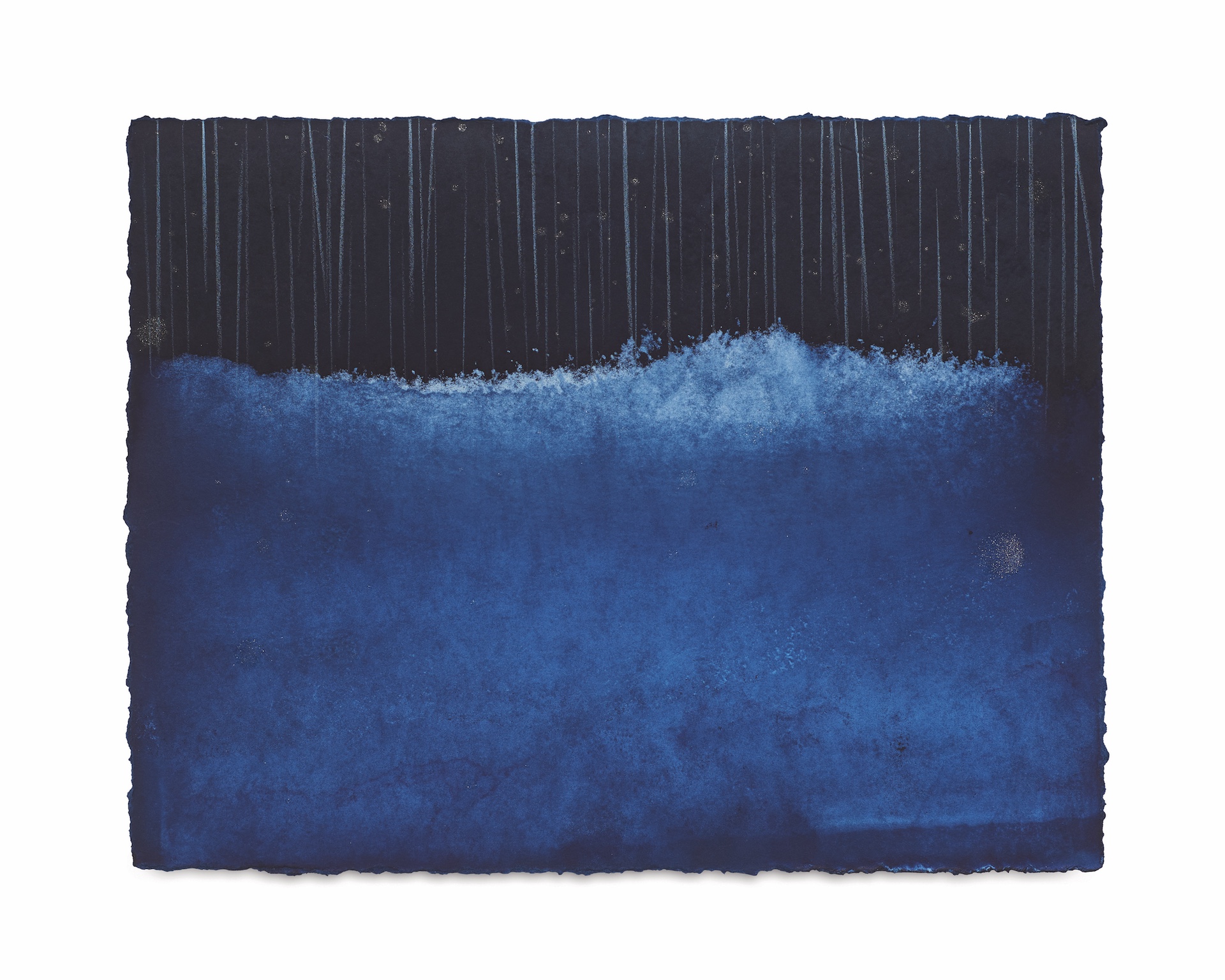
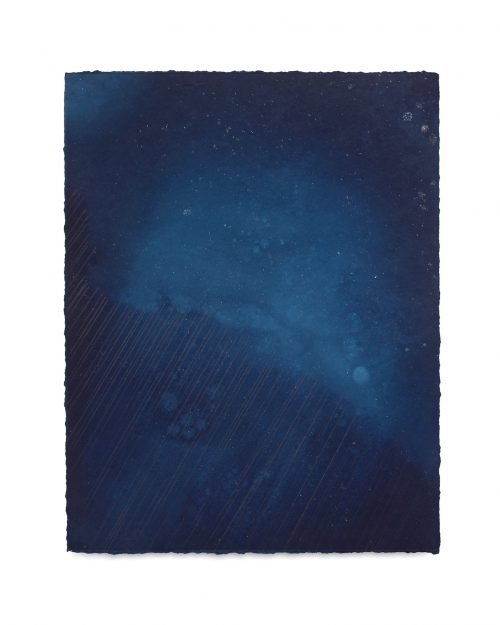
The drawings accompanying Water of the Sky are not mere illustrations but rather "evocations," as Ando describes them, aiming to embody the ephemeral nature of each rain term. Her choice of materials is deliberate and conceptually rich. She employs micronized silver, which subtly shifts its reflectivity based on the time of day, thereby capturing the dynamic quality of light. Traditional indigo dye, a material she characterizes as a "natural clock," is central to her practice. The deeper the hue achieved through prolonged submersion, the more it conceptually records and communicates the passage of time. This deliberate selection of materials imbues her visual interpretations with a profound connection to the very essence of time and transience that the dictionary explores.
Broader Implications: Climate Change and the Future of Language
Ando’s meticulous cataloging of rain terminology takes on an urgent contemporary relevance in the face of climate change. As weather patterns shift, many of the rain types described by these specific, often archaic, terms are becoming increasingly rare or disappearing altogether. Ando views her project as an "extinction diary" or a time capsule, a vital effort to preserve and pass down knowledge that might otherwise be lost to time.
This perspective positions her work as a crucial intervention in a world grappling with ecological crisis. The project suggests that a heightened ecological awareness can foster care and compassion, lessons that are increasingly vital as we confront the realities of a changing planet. The potential loss of these nuanced descriptions for weather phenomena is not just a linguistic loss but a cultural and ecological one, representing a diminishment of our collective understanding and connection to the natural world.
A Call to Attention and Devotion
Ultimately, Water of the Sky offers a profound gift: the potential to instill in its viewers a similar posture of attention and devotion to the fleeting phenomena that constitute our lives and our ever-changing world. Through the dictionary’s rich vocabulary for the minutiae of existence, readers are invited to discover new language for everyday wonders that often escape notice. Much like Ando’s childhood enchantment with the notion of fox wedding rain, encountering these terms can lead to new ways of seeing, fundamentally altering our relationship with manifestations of impermanence.
As we engage with this extraordinary collection, we are encouraged to follow the example set by Ikkyu Sojun and Ando herself—to learn to read the "love letters sent by transient things" and to savor their beauty while we can. In doing so, we not only honor the linguistic and cultural heritage of Japan but also cultivate a deeper appreciation for the delicate, ever-shifting tapestry of existence, recognizing our own ephemeral place within it. The project serves as a powerful reminder that by paying closer attention to the world around us, we can find profound beauty and meaning, even in the most transient moments.

