

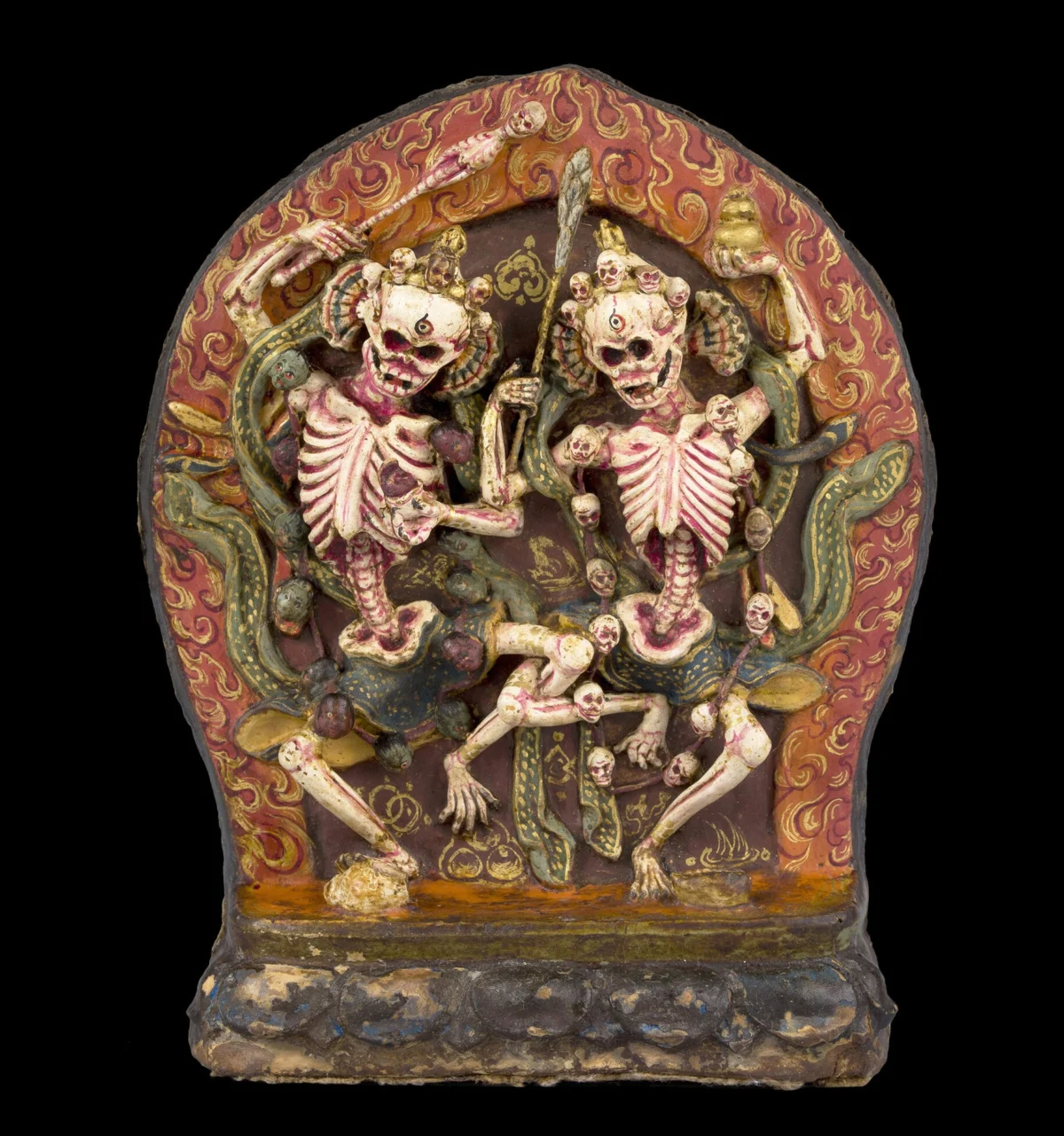
Death stands as a foundational element at the very genesis of the Buddhist path. Canonical texts meticulously recount the pivotal moment when Siddhartha Gautama, confronted by the stark realities of old age, debilitating illness, and the inevitability of death, chose to renounce his opulent life and embark on a spiritual quest for liberation. This profound encounter with mortality serves not only as a fundamental existential concern but also as a potent catalyst, driving the pursuit of freedom from suffering and the cyclical nature of existence, known as samsara. Buddhist teachings further expound that all conditioned phenomena are inherently impermanent, a principle that fundamentally reframes death not as a singular, tragic end, but as an ever-present facet of the human experience. By cultivating sustained awareness of impermanence, individuals can gradually diminish the grip of fear and attachment, thereby enabling them to approach their final moments with enhanced clarity, equanimity, and wisdom.
Historical Perspectives: The Buddha’s Passing and Its Significance
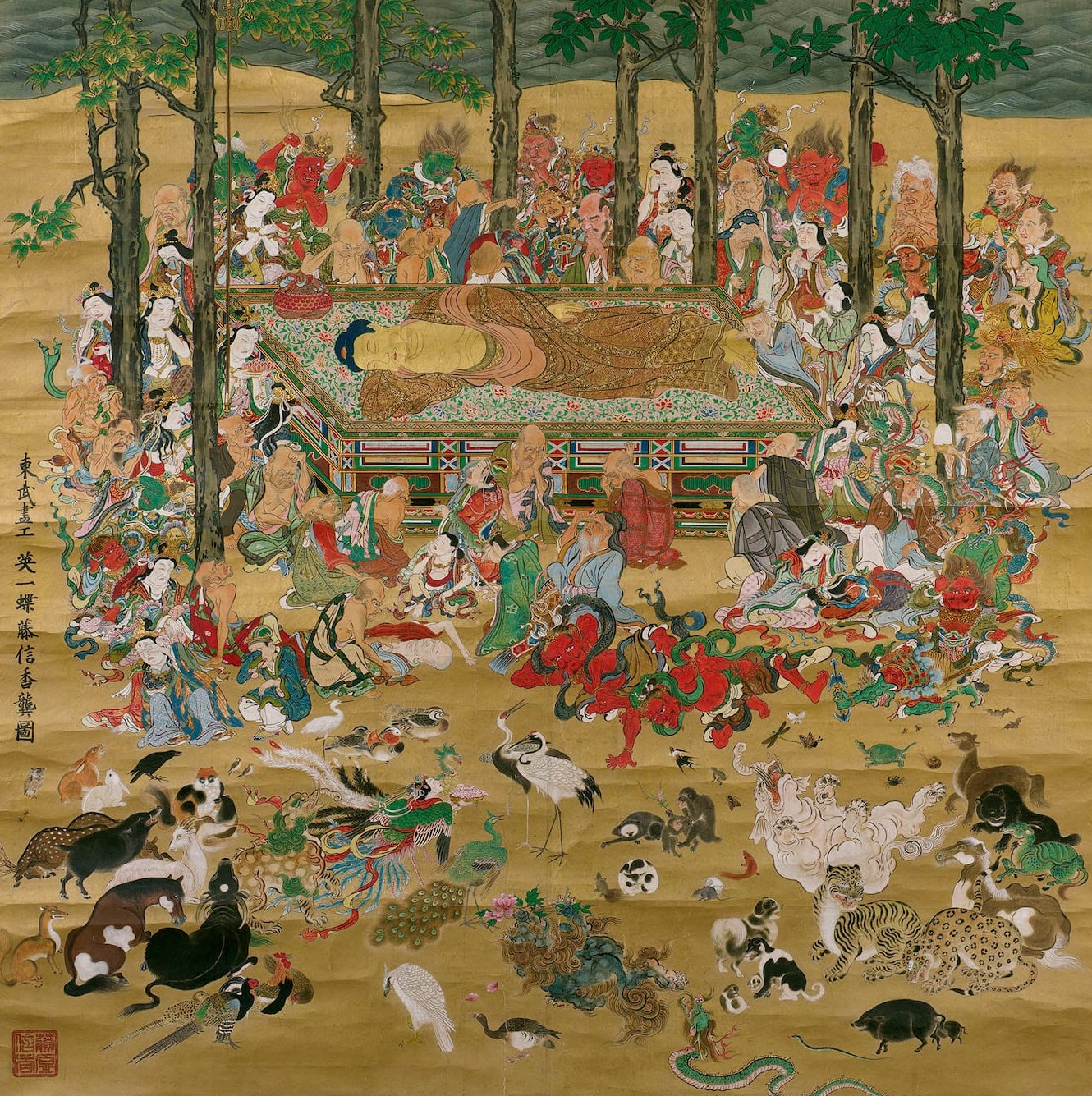
The narratives surrounding the Buddha’s death offer a nuanced spectrum of perspectives on human mortality. Ananda, his devoted attendant, is depicted as openly mourning the profound loss of his teacher and close companion. In contrast, other monks maintained a more composed demeanor, viewing the Buddha’s passing as a poignant affirmation of the very teachings he had imparted throughout his life. These accounts uniformly present his death as parinirvana, signifying his ultimate liberation from the cycle of rebirth and suffering. The inclusion of grief within these narratives is not an oversight; rather, it signifies an integration of sorrow alongside the profound recognition of death’s inevitability. For the Buddha, his death is portrayed as a release, seamlessly woven into the broader doctrinal tapestry of impermanence and the cessation of samsaric existence.
Cultivating Awareness: Buddhist Practices for Facing Death
Buddhist traditions offer a rich and diverse array of practices designed to confront mortality directly. A central tenet of these practices is the emphasis on death’s certainty and the inherent unpredictability of its timing. Techniques such as dedicated contemplation of death, often referred to as maranasati or death awareness, are integral. These practices can involve intensive meditation on the transient nature of the physical body, including corpse meditations, which are designed to strip away the illusion of permanence and foster a profound understanding of decay and impermanence. Visualizations, particularly prominent in Tibetan bardo teachings and Pure Land traditions, train practitioners to hold the reality of death steadily in their minds as an intrinsic aspect of human existence. The primary objective of these methods is to cultivate samvega, a sobering sense of urgency and profound awareness of impermanence that acts as a powerful motivator for spiritual practice. By regularly recollecting death, individuals are encouraged to re-evaluate their priorities, thereby fostering a more mindful and purposeful utilization of their precious time.
Timeline of Key Buddhist Concepts Related to Death:
- Circa 5th Century BCE: Siddhartha Gautama’s awakening and the articulation of the Four Noble Truths, which directly address suffering, its causes, its cessation, and the path to its cessation, inherently involving the impermanence of existence.
- Early Buddhist Councils: Codification of the Buddha’s teachings, including discourses on impermanence (anicca) and the nature of death.
- Development of Mahayana Buddhism: Expansion of concepts like bodhicitta (the aspiration for enlightenment for the benefit of all beings), often fueled by a deep understanding of suffering and the impermanence of life.
- Emergence of Tibetan Buddhism: Development of sophisticated bardo teachings, detailing the intermediate states between death and rebirth, and practices like phowa (consciousness transference).
- Medieval Japan: Establishment of specific mortuary rituals and practices, including deathbed ordinations and temple-based funerary rites, providing economic support and reinforcing religious authority.
- 20th-21st Centuries: Western adoption and adaptation of Buddhist death awareness practices, integration into hospice care, and academic-clinical dialogues on end-of-life issues.
Ritualizing the Final Moment: Deathbed Practices and Their Purpose
The very moment of death has historically been regarded as a critically significant juncture within Buddhist traditions. Deathbed rituals, encompassing practices such as chanting and, in medieval Japan, deathbed ordination, were developed to guide the dying person’s consciousness and to influence their postmortem destination. In Tibetan Buddhism, the practice of phowa, or consciousness transference, aims to direct the consciousness at the moment of death to a favorable rebirth or to a pure land. The Japanese monk Kakuban (1095–1143) meticulously documented methods for maintaining right mindfulness at the point of death, reflecting a widespread belief that ritual precision could significantly contribute to a favorable rebirth.
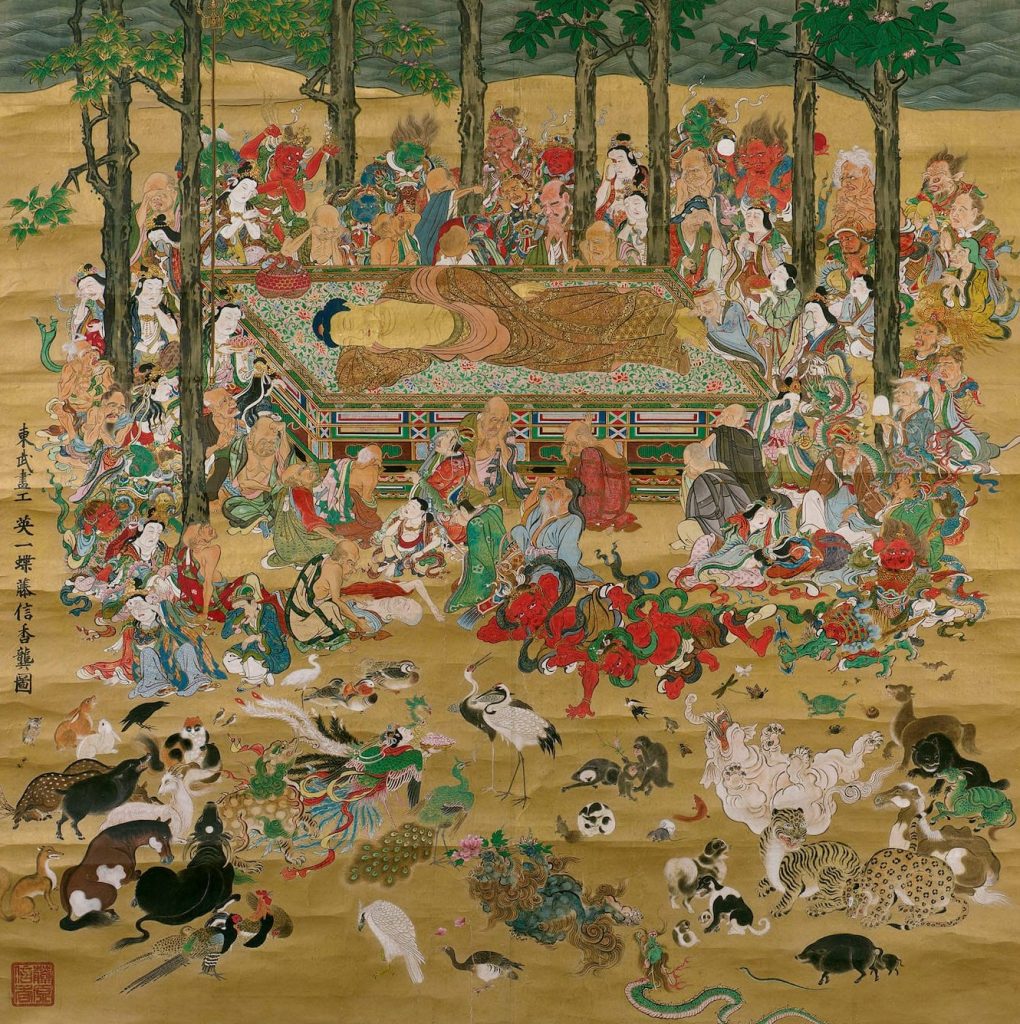
Beyond the immediate spiritual benefits for the dying, extended funerary and postmortem rites have historically played a crucial role in providing sustained economic support for Buddhist temples and ritual specialists. The performance of these rites, along with the interpretation of auspicious signs such as the absence of bodily decay or the presence of relics produced during cremation, served to reinforce the religious authority and elevate the status of Buddhist lineages and institutions. These practices underscore a pragmatic dimension to Buddhist ritual, where spiritual aspirations are intertwined with the maintenance of religious structures and the demonstration of spiritual efficacy.
Contemporary Engagements: Buddhist Death Practices in the Modern World
In contemporary times, Buddhists continue to draw upon these rich traditional practices to navigate the complexities of mortality. The practice of mindfulness of death, Theravada chanting rites, and Japanese Zen mortuary ceremonies stand in marked contrast to prevailing Western funerary customs. In many Western contexts, practices such as embalming, cosmetic restoration, and discreet interment serve to create a physical and emotional distance from the deceased, with the management of the body largely delegated to professional hands. In contrast, Buddhist approaches tend to encourage a more direct and engaged confrontation with mortality.
Over recent decades, Western practitioners have increasingly embraced roles in hospice chaplaincy, participated in death-awareness retreats, and engaged in academic-clinical dialogues that bring traditional Buddhist teachings on impermanence into direct conversation with contemporary ethical end-of-life care. This cross-pollination of ideas and practices highlights a growing recognition of the potential benefits of Buddhist perspectives in addressing the profound challenges of death and dying in secularized societies.
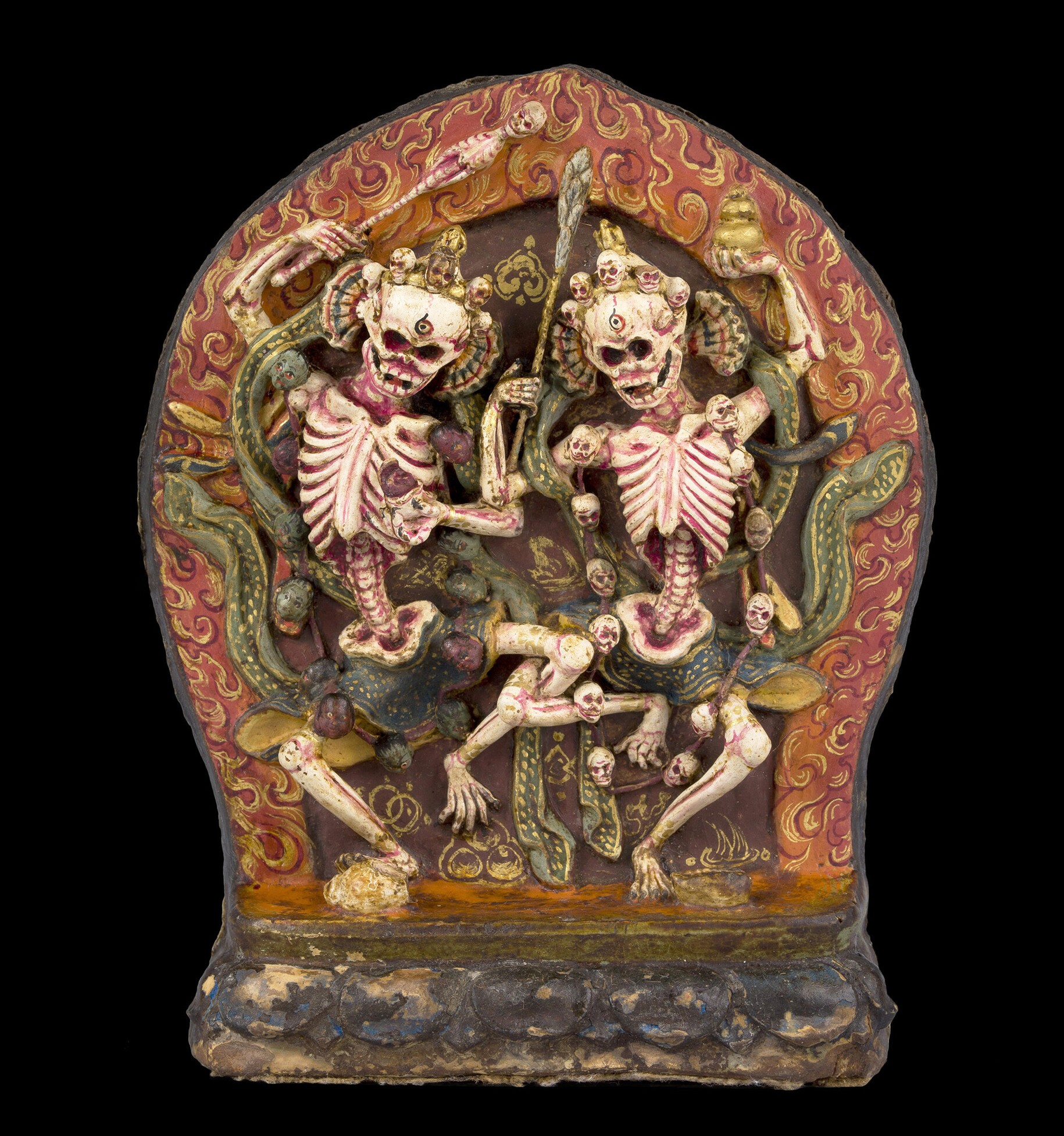
However, questions remain regarding the extent to which these traditional deathbed practices can be effectively maintained within the institutional settings of modern hospitals and hospices. Such rituals often presuppose a trained community of practitioners and a cosmological framework in which the destination of the consciousness after death holds significant importance. The ongoing integration of Buddhist death practices into contemporary Western healthcare systems involves a dynamic process of adaptation, where certain elements may endure and evolve, while others may be less readily transferable or might undergo significant modification. This evolving landscape reflects a continuous exploration of how ancient wisdom can be applied to the pressing realities of modern mortality.
Broader Implications and Future Directions
The Buddhist approach to death offers a profound counterpoint to cultures that often seek to sanitize or distance themselves from mortality. By integrating awareness of impermanence into daily life, Buddhist traditions foster a resilient and less fearful attitude towards the inevitable. The emphasis on mindful dying and the continuity of consciousness, while challenging to translate directly into Western medical paradigms, offers valuable insights into providing holistic and compassionate end-of-life care. As Western societies grapple with an aging population and the increasing complexities of medical interventions at the end of life, the contemplative, practice-oriented approach of Buddhism presents a compelling model for cultivating acceptance, meaning, and spiritual well-being in the face of death. The ongoing dialogue between Buddhist scholars, practitioners, and healthcare professionals promises to yield innovative approaches to death education, grief support, and the ethical considerations surrounding end-of-life decisions, ultimately enriching our collective understanding and experience of this universal human transition.

