

The fitness and strength and conditioning industries are currently navigating a significant paradigm shift regarding the methodology of muscle growth and athletic development. For decades, the prevailing mantra among many practitioners was centered on the "annihilation" of muscle tissue—a philosophy suggesting that maximum physical exhaustion is the primary indicator of a successful training session. However, modern sports science and high-level coaching perspectives are increasingly advocating for a more nuanced approach: the strategic stimulation of muscle tissue through managed stress. This evolution in training philosophy emphasizes that while high-intensity work is necessary for adaptation, it must be balanced within a structured, periodized framework to avoid the pitfalls of systemic fatigue and injury.
The Biological Basis of Stress and Adaptation
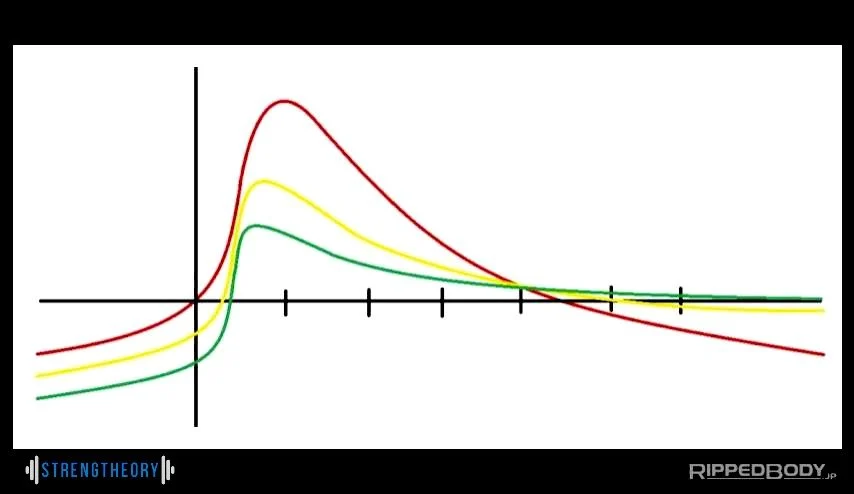
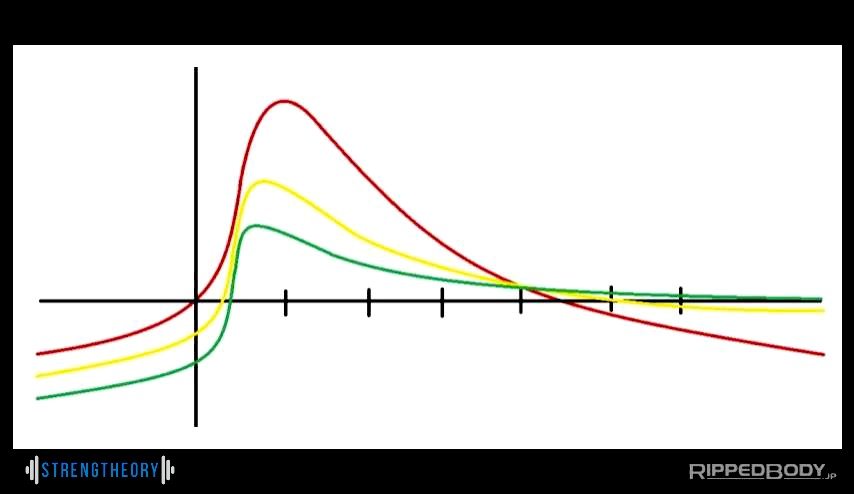
At the core of contemporary strength and conditioning is the principle of General Adaptation Syndrome (GAS), a theory first proposed by Hans Selye. This model describes how the body responds to stress through three stages: alarm, resistance, and exhaustion. In a fitness context, the "alarm" phase is the workout itself, which disrupts homeostasis. The "resistance" phase is where the body adapts to the stressor, resulting in increased strength or hypertrophy. If the stressor is too frequent or too intense without adequate recovery, the body enters the "exhaustion" phase, leading to performance decrements.
Prominent coaches, including Alex Viada of Complete Human Performance and Chad Wesley Smith of Juggernaut Training Systems, argue that the term "annihilation" is often misunderstood by the general public. In a professional coaching context, "annihilating" a muscle does not mean training to the point of injury; rather, it refers to the deliberate application of high-volume or high-intensity work designed to force a physiological response. This is typically achieved through a "concurrent" or "undulated" training plan, where training variables such as load, volume, and frequency are adjusted systematically to fluctuate training stress.
Distinguishing Functional Fatigue from Overtraining Syndrome
A critical point of confusion within the fitness community is the distinction between acute fatigue and Overtraining Syndrome (OTS). Journalistic analysis of current training trends reveals that social media often conflates "feeling tired" with being "overtrained." According to the National Strength and Conditioning Association (NSCA), true overtraining is a serious physiological condition characterized by a long-term decrease in performance coupled with psychological and hormonal disturbances, often taking weeks or months of total rest to resolve.
To put the rarity of true overtraining into perspective, sports historians point to the 2015 feat of James Lawrence, known as the "Iron Cowboy." Lawrence completed 50 full-distance triathlons in 50 different U.S. states over 50 consecutive days. While Lawrence experienced extreme fatigue and significant physical strain, he did not technically reach a state of clinical overtraining because his team meticulously managed his caloric intake, sleep, and therapeutic recovery. This case study serves as a benchmark for the human body’s resilience, suggesting that the average gym-goer is rarely at risk of clinical overtraining, but is frequently at risk of "overreaching"—a temporary state of fatigue that can be cleared with a few days of rest.
The Divergence Between Elite and General Population Training
A significant challenge in the modern fitness landscape is the "pro-sumer" effect, where amateur trainees attempt to replicate the high-volume programs of elite athletes. For instance, "Squat Every Day" programs or "Squatober" challenges—popularized by figures like Chris Duffin, who famously squatted 800 pounds daily for a month—are often misinterpreted by the general public.
Data indicates a stark contrast in recovery capacity between professional athletes and the average working professional. An elite athlete may dedicate four to six hours daily to training and recovery, whereas a typical trainee often spends eight to nine hours in a sedentary office environment. This discrepancy in "non-exercise activity thermogenesis" (NEAT) and systemic stress levels means that a program designed for a world-class powerlifter is often biologically inappropriate for a desk-bound employee. Experts suggest that for the general population, the goal should not be to mimic elite volume, but to achieve the highest possible intensity that their specific lifestyle and recovery capacity allow.
Strategic Reductions in Mechanical Loading
To maintain long-term progress without "annihilating" the central nervous system (CNS), coaches are increasingly recommending strategic reductions in specific high-impact lifts. The deadlift, while foundational for posterior chain development, is widely regarded as the most taxing lift neurologically. Data from high-performance centers suggest that once a trainee reaches a strength level of approximately twice their body weight, the "point of diminishing returns" for frequent heavy deadlifting begins to manifest.
The physiological cost of a maximal-effort deadlift can suppress the CNS for several days, potentially compromising the quality of subsequent workouts. To mitigate this, a structured "Day 1/Day 2" approach is often implemented:

- High-Intensity/Cluster Sets: Focusing on loads at 70–85% of a one-rep maximum (1RM) with short, intra-set rest periods to maintain form and power.
- Speed and Technique Work: Utilizing lighter loads (60% of 1RM) to focus on bar speed and movement efficiency, which provides a stimulus without the heavy neurological tax.
Furthermore, the integration of bodyweight movements as "accessory work" is gaining traction. Exercises such as the Bulgarian Split Squat, performed for time rather than just repetitions, provide significant metabolic stress and muscular hypertrophy without the spinal compression associated with heavy barbell loading.
The Role of Low-Intensity Recovery and Deload Cycles
A vital but often overlooked component of a "smart" training program is the inclusion of active recovery. Low-intensity steady-state (LISS) activity, such as casual walking, has been shown to facilitate recovery by increasing blood flow to damaged tissues without adding to the systemic stress load. Unlike "rucking" (walking with a weighted pack) or high-intensity interval training (HIIT), casual walking does not trigger a significant cortisol response, making it an ideal tool for stress management.
In addition to daily recovery tactics, the implementation of a "deload week" is standard practice in professional strength circles. Typically occurring every fourth week of a training block, a deload involves a significant reduction in training volume (total sets and reps) while maintaining a moderate-to-high intensity (percentage of 1RM). This allows the musculoskeletal system to repair micro-trauma and the CNS to "recharge," effectively unmasking the fitness gains that were previously hidden by accumulated fatigue.
Industry Implications and Expert Reactions
The shift toward "stress management" coaching has drawn reactions from various sectors of the fitness industry. Dr. Pat Davidson, a noted exercise physiologist and strength coach, summarizes the modern role of the trainer as a "stress manager." Davidson posits that the primary function of a coach is to apply the maximum amount of stress a client can survive and adapt to, rather than simply exhausting them for the sake of perspiration.
This objective approach to training is also influencing how fitness facilities are designed. There is a growing trend toward "recovery suites" within gyms, offering tools like infrared saunas, cold plunges, and compression boots. While these tools are beneficial, industry analysts note that they cannot compensate for a poorly structured training program. The "Smart Training" movement emphasizes that recovery begins with the program design itself, not just the post-workout modalities.

Chronology of Training Philosophy Evolution
The transition from "no pain, no gain" to "stress management" can be traced through several key eras:
- 1970s–1980s (The Bodybuilding Era): High volume and training to failure were the gold standards, heavily influenced by the Golden Age of bodybuilding.
- 1990s–Early 2000s (The Functional Movement Era): A shift toward "corrective exercise," sometimes at the expense of necessary intensity.
- 2010s (The Powerbuilding/CrossFit Era): A return to heavy lifting and high-intensity competition, which led to a spike in interest regarding recovery and overtraining.
- 2020s–Present (The Integrated Stress Management Era): The current period, characterized by the use of data (heart rate variability, GPS tracking, and periodization software) to balance high-intensity "annihilation" with strategic recovery.
Conclusion and Broader Impact
The move toward a more analytical and objective approach to strength and conditioning is likely to have long-term benefits for public health and athletic longevity. By understanding that "lifting weights isn’t supposed to tickle" but also recognizing that we are "not Terminators," the fitness industry is creating a sustainable path for both elite athletes and the general population.
The broader implications of this shift include a reduction in overuse injuries and a higher rate of long-term adherence to exercise programs. When trainees understand that fatigue is a manageable variable rather than a sign of failure or "overtraining," they are more likely to stay committed to their physical development. As the science of stress management continues to evolve, the focus remains on the intelligent application of work: doing more work when possible, but doing it smartly.

