

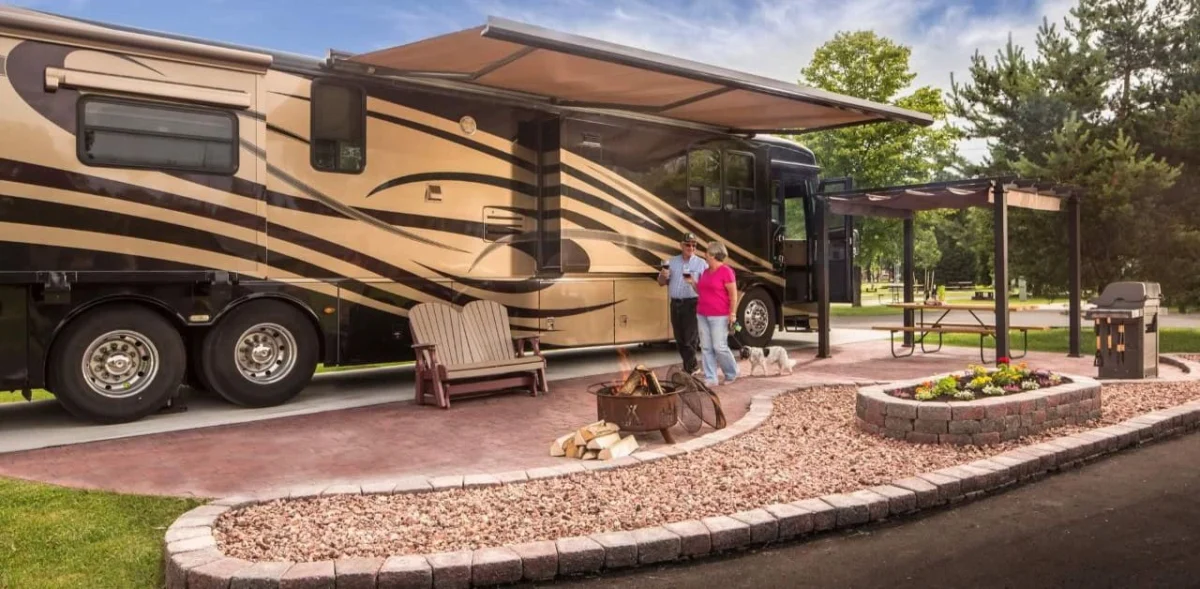
Finding a suitable winter base requires more than just identifying a warm climate; it involves evaluating infrastructure reliability, community engagement opportunities, and proximity to regional amenities. For the 2024-2025 season, professional campground operators and travel analysts have identified seven specific locations that represent the pinnacle of winter accommodations for those seeking to escape the frost.
The Socio-Economic Context of Winter Migration
The term "snowbird" traditionally referred to retirees from the northern U.S. and Canada who spent October through April in Florida, Arizona, or Texas. However, recent shifts in the labor market—specifically the rise of remote work—have introduced "zoom-birds" to the mix. These younger professionals require robust digital infrastructure, including high-speed Wi-Fi and cellular boosters, which has forced many campgrounds to upgrade their technological offerings.

According to tourism reports from Florida and Arizona, seasonal residents contribute significantly to local economies, often spending between $3,000 and $6,000 per month on housing, dining, and local services. This influx of capital supports small businesses that might otherwise struggle during the traditional "off-season." Consequently, the competition for high-quality sites has intensified, with many premier locations reporting 90% occupancy for the winter months as early as the preceding spring.
1. Tucson KOA Resort, Arizona: A Desert Oasis for Social Connection
Tucson remains a primary hub for winter travelers due to its unique Sonoran Desert climate, which offers mild daytime temperatures and low humidity. The Tucson KOA Resort has positioned itself as a flagship for long-term stays by integrating resort-style amenities with traditional camping.
The facility features two swimming pools and a nine-hole mini-golf course, but its true value lies in its social infrastructure. The on-site Steak Rush Grill provides a communal dining space that reduces the isolation often felt during extended travel. Furthermore, the park offers upgraded Wi-Fi and full hookups on all monthly RV sites. Strategically located, the resort serves as a gateway to Saguaro National Park and the Arizona-Sonora Desert Museum, allowing travelers to balance leisure with ecological exploration. Analysts note that Tucson’s popularity is bolstered by its relatively lower cost of living compared to coastal California or Florida.

2. St. Petersburg/Madeira Beach KOA Holiday, Florida: Gulf Coast Accessibility
Florida remains the undisputed capital of snowbird culture, and the St. Petersburg/Madeira Beach KOA Holiday exemplifies why the Gulf Coast is a perennial favorite. Located alongside a mangrove-lined bayou, this site offers a rare combination of waterfront access and urban convenience.
One of the defining features of this location is its proximity to the 38-mile Pinellas County Fitness Trail. This paved artery allows for non-motorized transport across the county, appealing to the health-conscious demographic of modern seasonal travelers. The park’s commitment to a quiet environment is evidenced by its adult-only hot tub area, a feature frequently requested by long-term residents seeking a reprieve from the family-oriented atmosphere of traditional summer camping. The presence of dolphins and herons in the adjacent Long Bayou provides a constant connection to Florida’s native wildlife.
3. South Padre Island KOA Holiday, Texas: Tropical Latitude in the Deep South
For those seeking the most southern latitudes possible within the contiguous United States, South Padre Island offers a sub-tropical climate that rivals the Florida Keys. The South Padre Island KOA Holiday sits on the Laguna Madre Bay, a hypersaline lagoon known for its exceptional fishing and birdwatching.

The resort’s infrastructure includes a boat ramp and rentals for hydrocycles and kayaks, catering to travelers who prioritize water-based recreation. A key logistical advantage of this site is the free Metro shuttle that stops at the campground entrance, providing residents with easy access to local grocery stores, restaurants, and the beach without the need to unhook their primary tow vehicle or motorhome. This level of accessibility is a critical factor for snowbirds who may stay for three to five months at a time.
4. Myrtle Beach KOA Resort, South Carolina: The Atlantic’s "Off-Season" Sanctuary
While South Carolina experiences cooler winters than Florida, Myrtle Beach remains a popular choice for those who prefer "shoulder-season" temperatures. The Myrtle Beach KOA Resort is distinguished by its 40-year-old growth of pine trees, which provides a natural aesthetic often missing from newer, concrete-heavy RV parks.
The resort connects to the Atlantic Ocean via the Withers Swash tidal basin, offering a tranquil alternative to the bustling beachfront. Community-building is a central focus here, with the park hosting specific "snowbird activities" designed to foster long-term friendships among guests. Additionally, the Kamp K9 dog park ensures that the increasing number of travelers with pets have dedicated spaces for socialization, a trend that RVIA reports has increased by 15% among long-term campers over the last decade.

5. Okeechobee KOA Resort, Florida: Sports and Socialization
Located in the heart of Florida’s agricultural interior, the Okeechobee KOA Resort caters to a specific niche of active travelers. The presence of a nine-hole golf course, driving range, and putting green on-site eliminates the need for residents to commute to local clubs.
Lake Okeechobee, the largest freshwater lake in Florida, is the primary draw for the region’s renowned bass fishing. The resort capitalizes on this by maintaining an active social calendar that includes live concerts, themed parties, and seasonal parades. The Shanty Lounge and Poolside Grill serve as the park’s "town square," a necessary component for maintaining mental well-being during long-term stays away from home.
6. New Bern KOA Holiday, North Carolina: Historical Context and Moderate Climates
For snowbirds who find the heat of the Deep South oppressive, the New Bern KOA Holiday offers a temperate alternative. Situated on the Neuse River, the park features a 250-foot-long fishing pier, emphasizing the region’s maritime heritage.

The historical significance of New Bern—North Carolina’s first capital—adds a layer of cultural enrichment to the stay. Travelers often spend their winter months exploring the colonial architecture and the Tryon Palace. The park’s dual swimming pools and "jumping pillow" make it a preferred destination for those whose grandchildren may visit during winter breaks. This "mid-Atlantic" snowbird route is becoming increasingly popular as climate patterns shift and travelers seek out areas with four distinct, albeit mild, seasons.
7. Townsend/Great Smokies KOA Holiday, Tennessee: Mountain Wintering
Challenging the assumption that all snowbirds head for the beach, the Townsend/Great Smokies KOA Holiday caters to those who prefer the aesthetics of the Great Smoky Mountains. Known as the "Peaceful Side of the Smokies," Townsend offers a quiet retreat compared to the high-traffic tourist zones of Gatlinburg or Pigeon Forge.
The park has implemented a dedicated winter program from December through February, offering monthly rates that start at approximately $1,000. This all-inclusive pricing model—covering utilities, Wi-Fi, and laundry—appeals to budget-conscious travelers. The proximity to Cades Cove allows for world-class wildlife viewing in the winter, when the lack of foliage makes it easier to spot black bears, deer, and elk.

Planning and Industry Implications
The logistical demands of winter migration require a timeline that begins months in advance. Industry experts recommend that travelers finalize their winter 2025 bookings by June of the previous year. The "first-come, first-served" era of RVing has largely been replaced by digital reservation systems that open windows up to a year in advance.
The broader impact of this migration is seen in the evolving standards of the hospitality industry. As campgrounds compete for a more affluent and technologically savvy demographic, the "standard" site is being redefined. Full hookups (water, sewer, and 50-amp electricity) are now considered a baseline requirement, with "premium" sites offering outdoor kitchens, fireplaces, and private gazebos.
From a policy perspective, the concentration of seasonal residents has led some municipalities to review zoning and occupancy laws. While most southern states welcome the economic influx, there is an ongoing dialogue regarding the environmental impact of large-scale RV parks on local water tables and waste management systems.

In conclusion, the winter migration of 2024-2025 reflects a maturing industry that balances the desire for natural exploration with the need for modern comfort. Whether situated in the arid deserts of Arizona or the humid bayous of Florida, these top-tier campgrounds provide the essential framework for a successful seasonal transition, ensuring that the "snowbird" tradition continues to thrive in an era of changing travel preferences.

