

For the past eighteen months, a unique dialogue has unfolded between this publication and David Malinsky, a writer, photographer, and ardent nature enthusiast. Malinsky’s profound connection with the Great Basin Bristlecone Pine (Pinus longaeva), a species he affectionately refers to as his "Old Friend in High Places," has been the focal point of their extensive correspondence. This article delves into Malinsky’s deeply personal reflections on these ancient trees, offering a glimpse into the profound beauty and philosophical insights he derives from his explorations. His invitation to join his listserve, extending an opportunity for shared conversation and feedback, can be facilitated by contacting him directly at [email protected].
The Bristlecone Pine: A Symbol of Resilience and Longevity
The Great Basin Bristlecone Pine is a species of tree native to the higher mountain ranges of the southwestern United States. Renowned for their extreme longevity, these trees are among the oldest living organisms on Earth. Some individuals have been scientifically dated to be over 4,000 years old, with the oldest known specimen, "Methuselah," estimated to be 4,856 years old as of 2024. These venerable trees are found in harsh, arid environments at elevations typically between 9,800 and 11,500 feet (3,000 and 3,500 meters). Their ability to survive and thrive in such challenging conditions, characterized by poor soil, extreme temperatures, and limited precipitation, is a testament to their remarkable adaptability.
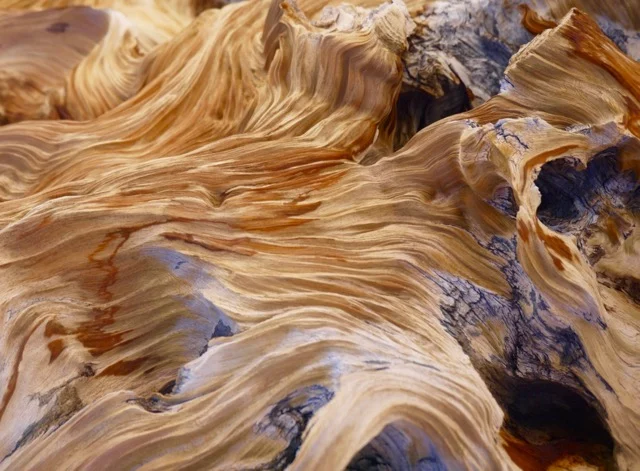
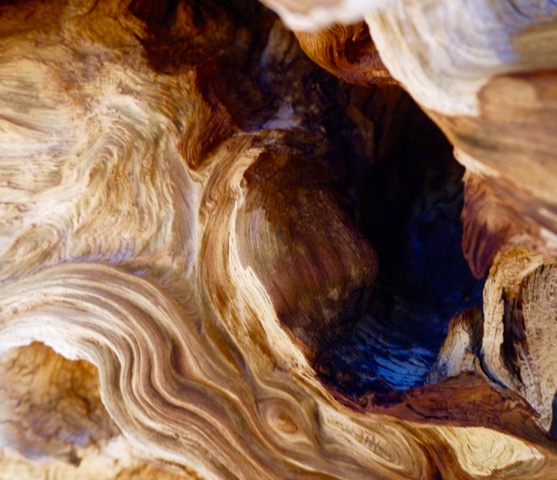
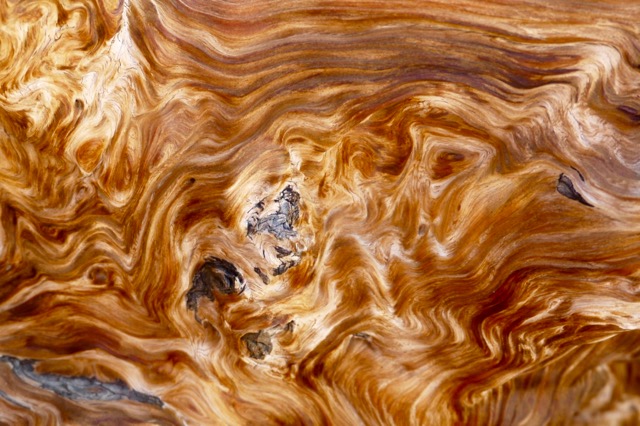
The physical characteristics of bristlecone pines are as distinctive as their age. They typically grow in a twisted, gnarled form, often with much of their bark shed, exposing the pale, weathered wood beneath. This "bleached" appearance, a result of the tree’s slow growth and adaptation to conserve moisture and nutrients, gives them an almost sculptural quality. Their needles are short, stiff, and typically clustered in bundles of five, with resinous buds that are covered in a white, waxy coating, hence the "bristlecone" moniker. These adaptations allow them to endure the relentless winds and arid climate of their alpine homes.
Malinsky’s Philosophical Exploration: Beyond the Bullseye
David Malinsky’s writings, shared through his communications, offer a compelling perspective on the human spirit’s inclination to explore the unknown. He draws an evocative parallel between the pursuit of knowledge and the act of archery. "Daring to take a path towards what may be unknowable can be among the most noble pursuits of the human spirit," Malinsky observes. He posits that while known targets offer tangible achievements, they also impose limitations. An arrow, once released, halts its trajectory upon hitting its mark. However, Malinsky encourages a broader perspective: "Allow the arrow to be what it is, a tool for a particular purpose, but after your fingers release the bowstring do not let the confines of the arc define you. It was what you did, but only a small piece of who you are."
This philosophy directly informs his appreciation of the bristlecone pines. By refraining from narrowing his focus to a singular, predefined "bullseye," Malinsky finds a wealth of observation and understanding. "Without narrowing the focus on the bullseye, there can be so much to see, much that will be missed if our sights are too confined," he writes. He advocates for an expansive consciousness, capable of embracing the totality of experience: "You do not have to reduce all of this to a single place; there is room in your consciousness for all of it, if you allow it in." This approach allows him to perceive the intricate beauty and profound narratives embedded within the seemingly austere landscapes inhabited by these ancient trees.
The Journey of Self: Embracing the Uncharted Path
Malinsky’s reflections extend to the nature of personal growth and discovery, emphasizing the importance of venturing beyond established boundaries. He suggests that true self-discovery often begins when one deviates from predictable paths. "It is in taking a path beyond established targets that you begin the journey of yourself," he explains. Initially, such a journey might appear to be a quest for a specific destination ("a ‘Where’"), but as one progresses, it transforms into a profound exploration of identity ("a ‘Who’"). This is a process where the individual and the environment become intrinsically linked.
The markers of being on this transformative path, according to Malinsky, are internal. "When you feel something inside of yourself growing with each step, and your developing senses appreciating what surrounds the path even more, then you are on the verge of the most important discovery you can make," he notes. This heightened awareness and internal resonance render external guides, like maps, obsolete. The journey becomes its own reward, an unfolding narrative without a definitive end. "Your path has no end, for both you and Nature are constantly evolving," Malinsky asserts, underscoring the dynamic interplay between the individual and the natural world. This inherent trust in nature’s processes allows for an approach characterized by "joy of anticipation, instead of trepidation" when facing the unknown.
Navigating Darkness: Finding Light in the Unilluminated
A crucial aspect of Malinsky’s philosophy, particularly relevant in the context of exploring remote and challenging environments, is the concept of confronting darkness. He posits that developing trust – in both nature and oneself – fundamentally alters one’s perception of the unknown. "Once you develop that trust, both of Nature and of yourself, when you come across what appears to be a darkness you do not fear," he writes. This "darkness" is not perceived as an insurmountable obstacle but as a space awaiting illumination.
Malinsky’s perspective suggests that by approaching these unlit areas with an "open spirit," one can discover that their intended destination was precisely there all along. This is a profound realization where the explorer becomes the source of light. This metaphorical journey resonates deeply with the environmental challenges faced by bristlecone pines, which exist in extreme conditions that might appear inhospitable to many. Their survival and the profound wisdom they embody serve as a powerful reminder that even in apparent desolation, immense vitality and profound lessons can be found.
Supporting Data and Conservation Efforts
The Great Basin Bristlecone Pine is not just a subject of philosophical contemplation; it is also a species of significant scientific interest and ecological importance. Their extreme age provides invaluable data for climate studies, as their annual growth rings can be analyzed to reconstruct past climate conditions over millennia. This dendrochronological research has contributed significantly to our understanding of long-term climate variability and cycles.
Despite their resilience, bristlecone pines face threats, including climate change, increased fire risk due to invasive species like cheatgrass, and the impact of human activities such as tourism and resource extraction in some areas. Conservation efforts are underway in various regions where these trees are found. For example, the Ancient Bristlecone Pine Forest in California, home to some of the world’s oldest trees, is a protected area managed by the U.S. Forest Service. Similarly, Great Basin National Park in Nevada safeguards significant populations of these ancient trees. These protected areas are crucial for ensuring the long-term survival of Pinus longaeva, allowing future generations to study and appreciate their enduring majesty.
Broader Impact and Implications
David Malinsky’s reflections on the Great Basin Bristlecone Pine and his philosophical approach to exploration offer broader implications for how we engage with the natural world and our own inner landscapes. His emphasis on embracing the unknown, cultivating trust, and expanding consciousness encourages a shift away from a purely utilitarian or goal-oriented relationship with nature. Instead, it promotes a more holistic and experiential connection, one that fosters personal growth alongside environmental appreciation.
The scientific value of bristlecone pines, particularly in climate research, highlights the critical importance of their preservation. The data they hold is essential for informing global climate policy and understanding our planet’s environmental history. Malinsky’s work serves as a reminder that these ancient trees are not merely biological specimens but living archives, offering profound insights into both ecological and existential realms.
His invitation to join his listserve signifies a desire to foster a community of like-minded individuals who can share their own experiences and perspectives. This collaborative approach to understanding and appreciating nature is vital in an era where human impact on ecosystems is increasingly significant. By encouraging dialogue and shared reflection, Malinsky aims to cultivate a deeper, more nuanced understanding of the interconnectedness between ourselves and the natural world, particularly embodied by the stoic wisdom of the Great Basin Bristlecone Pine. The ongoing correspondence and shared insights from individuals like David Malinsky provide a unique lens through which to view the enduring power and profound lessons offered by Earth’s most ancient inhabitants.

