

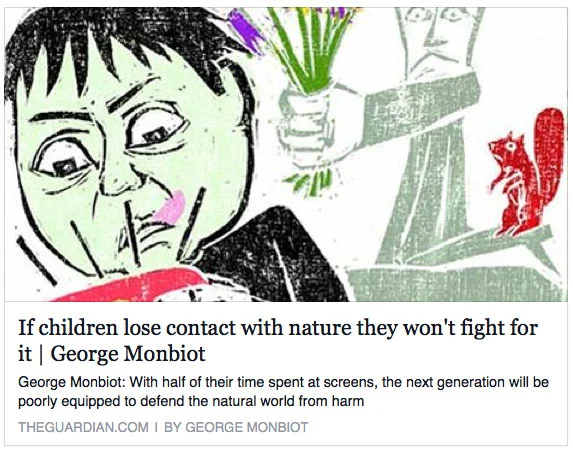
A recent commentary published by The Guardian, penned by environmental journalist George Monbiot, has ignited a significant discourse regarding the perceived disconnection of contemporary youth from the natural world. Monbiot’s central thesis, articulated in his article "If Children Lose Contact With Nature They Won’t Fight For It," posits a direct correlation between diminished childhood engagement with nature and a subsequent decline in future environmental stewardship. While the core sentiment resonates with many in the environmental advocacy sphere, the article’s attribution of this phenomenon primarily to the pervasive influence of digital screens has drawn nuanced counterpoints, suggesting a more complex interplay of societal factors and the potential of digital platforms themselves to foster nature connection.
The crux of Monbiot’s argument, published in November 2012, stems from an observation that children today spend a disproportionately larger amount of time indoors, often engaged with electronic devices, compared to previous generations. This shift, he contends, leads to a fundamental erosion of their understanding and appreciation for the natural environment. Without direct, visceral experiences of the outdoors – the textures of soil, the scent of rain, the vastness of a starry sky – Monbiot argues that children will fail to develop the deep emotional bonds that typically fuel a lifelong commitment to conservation. He draws a parallel to the concept of "love of country" being fostered through direct experience and cultural immersion, suggesting that a similar process is necessary for cultivating a "love of nature." The implication is that a generation raised without this intimate connection will lack the intrinsic motivation to defend ecosystems and biodiversity when they face future threats.
However, this perspective, while highlighting a genuine concern, has been met with a counter-narrative that emphasizes the multifaceted nature of modern childhood and the evolving landscape of information dissemination. Critics, including those within the ecopsychology community, acknowledge the dramatic societal shifts that have curtailed children’s unsupervised access to natural spaces. These shifts encompass a range of factors beyond the digital realm, including increased urbanization, heightened parental concerns regarding safety, and reduced availability of green spaces in many communities. The decline in children’s freedom to roam and explore independently is a well-documented trend, often linked to societal anxieties and changes in urban planning. According to a 2015 report by the National Trust in the UK, the average child spends half as much time outdoors as they did a decade prior, with only one in ten children regularly playing in wild or natural spaces. This statistic underscores a broader societal challenge that predates and extends beyond the digital revolution.
Furthermore, the counter-argument suggests that to dismiss digital platforms entirely as the sole antagonist is an oversimplification, potentially overlooking their capacity to serve as conduits for nature engagement. For individuals who, for various reasons, may not have immediate access to expansive natural environments, digital media can offer a gateway to understanding and appreciating the natural world. The argument posits that the very tools Monbiot identifies as problematic can, in fact, be leveraged as powerful educational and inspirational resources. This perspective draws from historical parallels, where books and visual media have long served to ignite passion and curiosity in the absence of direct experience. For instance, many prominent naturalists and environmental activists throughout history have cited literature, scientific illustrations, and early forms of documentary filmmaking as pivotal in shaping their environmental consciousness.
Amy Lenzo, writing in an opinion piece on ecopsychology.org, articulates this nuanced view, agreeing with Monbiot’s premise that a loss of contact with nature is detrimental, but challenging the reductive attribution of blame. Lenzo highlights her own upbringing as an example, stating that her passion for the natural world was cultivated through books, even in the "prickly" environment of the Arizona desert. She posits that today’s "books" have evolved into multi-media experiences that can be even more effective in drawing children into the "mystery and magic" of nature. This suggests that rather than viewing screens as solely a barrier, they can be seen as potentially powerful tools for inspiration and education, capable of reaching audiences who might otherwise remain disconnected.
The implications of this debate are significant for the future of environmentalism. If the primary drivers of nature disconnection are indeed solely digital, then the solution might appear straightforward: reduce screen time and increase outdoor play. However, if the issue is more complex, involving broader societal changes and the potential of digital platforms themselves, then the strategies for fostering nature connection must be more sophisticated and inclusive. This includes exploring how digital technologies can be utilized to supplement, rather than replace, direct experience, and how to create more accessible and engaging pathways to nature for all children, regardless of their geographical or socioeconomic circumstances.
The Growing Divide: Childhood and Nature in the 21st Century
The 21st century has witnessed a profound transformation in how children interact with their environment. Urbanization has led to a reduction in accessible green spaces, with studies indicating a significant decrease in children’s free play in natural settings over the past few decades. For example, research published in the journal Environmental Health Perspectives in 2019 highlighted that children in urban areas are significantly less likely to have access to natural environments within walking distance of their homes. This spatial limitation, coupled with parental concerns about safety and the increasing prevalence of structured, supervised activities, has contributed to a decline in unstructured outdoor exploration.
The rise of digital technology, while offering unprecedented connectivity and access to information, has also been identified as a contributing factor to this disconnect. The allure of video games, social media, and other forms of digital entertainment can compete for children’s attention, drawing them away from opportunities to engage with the physical world. A 2014 study by the Kaiser Family Foundation found that children and adolescents aged 8-18 spend an average of 7.5 hours per day consuming media, excluding time spent on homework. This extensive screen time can limit the hours available for outdoor activities and potentially diminish the perceived value of such pursuits.
Monbiot’s Thesis: The Argument for Direct Experience
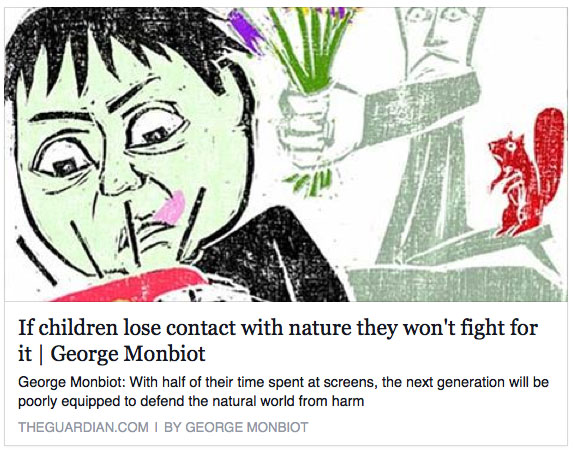
George Monbiot’s commentary, published in The Guardian on November 19, 2012, directly addresses this perceived shift. He argues that the loss of direct contact with nature, particularly during childhood, has profound consequences for the development of environmental consciousness. His central premise is that an intimate, personal relationship with the natural world is the most potent catalyst for fostering a desire to protect it. He posits that without experiencing the beauty, complexity, and vulnerability of nature firsthand, future generations will lack the emotional investment necessary to become passionate environmental advocates.
Monbiot’s article emphasizes that this connection is not merely about appreciating aesthetics but about developing a fundamental understanding of ecological interconnectedness and a sense of belonging to the natural world. He suggests that the abstract understanding of environmental issues, often mediated through media or classroom instruction, cannot replicate the deep-seated motivations that arise from direct, sensory engagement. The implication is that a generation that grows up primarily interacting with nature through screens will be less likely to recognize its intrinsic value and therefore less motivated to defend it against threats like climate change, habitat destruction, and pollution.
Counterarguments and the Evolving Role of Digital Media
While Monbiot’s concern about the loss of nature connection is widely shared, his singular focus on digital screens as the primary culprit has sparked debate. Critics argue that this perspective overlooks the broader societal factors that have contributed to children’s reduced access to nature. These include:
- Urbanization and Loss of Green Space: As cities expand, natural areas are often encroached upon, reducing the availability of accessible wild spaces for children to explore.
- Safety Concerns and Parental Supervision: Increased societal anxieties about child safety have led to greater parental supervision and a reduction in unsupervised outdoor play, which was once a common feature of childhood.
- Changes in Lifestyle and Play: The shift towards more structured, indoor activities and the decline of traditional outdoor games have also played a role.
Furthermore, a significant counterpoint suggests that digital platforms, when utilized thoughtfully, can actually serve as powerful tools for fostering nature connection. This perspective, articulated by individuals and organizations within the ecopsychology field, posits that digital media can:
- Provide Access to Information and Inspiration: For children in urban environments or those with limited access to natural areas, online resources can offer rich educational content about flora, fauna, and ecological processes. Documentaries, interactive websites, and virtual field trips can spark curiosity and provide a foundation for understanding.
- Facilitate Community and Shared Experience: Online platforms can connect like-minded individuals, allowing children and adults to share their nature experiences, learn from each other, and build communities around environmental interests. This can foster a sense of collective responsibility and engagement.
- Enhance Direct Experience: Digital tools can augment, rather than replace, direct engagement. For example, nature identification apps, citizen science projects that utilize mobile devices, and geotagged nature photography can enrich outdoor experiences and encourage deeper observation.
Amy Lenzo’s commentary exemplifies this viewpoint, noting her own childhood passion for nature was ignited by books. She argues that today’s multi-media "books" can be even more effective in captivating young minds, drawing them into the wonders of the natural world. This perspective suggests that the challenge lies not in eliminating digital engagement but in integrating it constructively with real-world experiences. The emphasis shifts to how we use these tools, encouraging "sense-based language and photography to stay connected to the natural world" and reminding users of their own embodied presence and connection to actual human beings and their environments.
Broader Implications for Environmental Advocacy and Education
The debate over children’s connection to nature has significant implications for the future of environmental advocacy and education. If Monbiot’s concerns are addressed solely by reducing screen time without considering the broader societal shifts, interventions may be insufficient. Conversely, if the potential of digital platforms is fully embraced and integrated, new avenues for environmental education and engagement can be opened.
Analysis of Implications:
- Educational Strategies: Environmental education curricula need to evolve to incorporate both direct experiential learning and the strategic use of digital resources. This could involve blended learning approaches that combine outdoor excursions with interactive online modules.
- Urban Planning and Access: Initiatives focused on increasing access to green spaces in urban areas, such as creating more parks, community gardens, and nature reserves, are crucial. Policies that prioritize the preservation and expansion of natural habitats within or near urban centers can provide vital opportunities for children’s direct engagement.
- Parental and Community Involvement: Empowering parents and communities with resources and knowledge about the benefits of nature play and how to facilitate it safely is essential. Community-led initiatives and outdoor education programs can play a significant role.
- Digital Literacy for Nature Connection: Developing digital literacy skills that enable children to critically engage with online environmental information and utilize digital tools for nature exploration and advocacy is becoming increasingly important. This includes teaching them to discern credible sources and to use technology as a tool for positive environmental action.
The core agreement across these differing perspectives is the undeniable importance of fostering a deep and meaningful connection between children and the natural world. The divergence lies in the diagnosis of the primary causes and the proposed solutions. Moving forward, a comprehensive approach that acknowledges the complex interplay of societal changes, technological advancements, and the enduring power of direct experience will be vital in ensuring that future generations develop the passion and commitment necessary to protect our planet. The goal, as articulated by many in the field, is not to demonize technology but to harness its potential while championing the irreplaceable value of the tangible, sensory experience of nature.

