

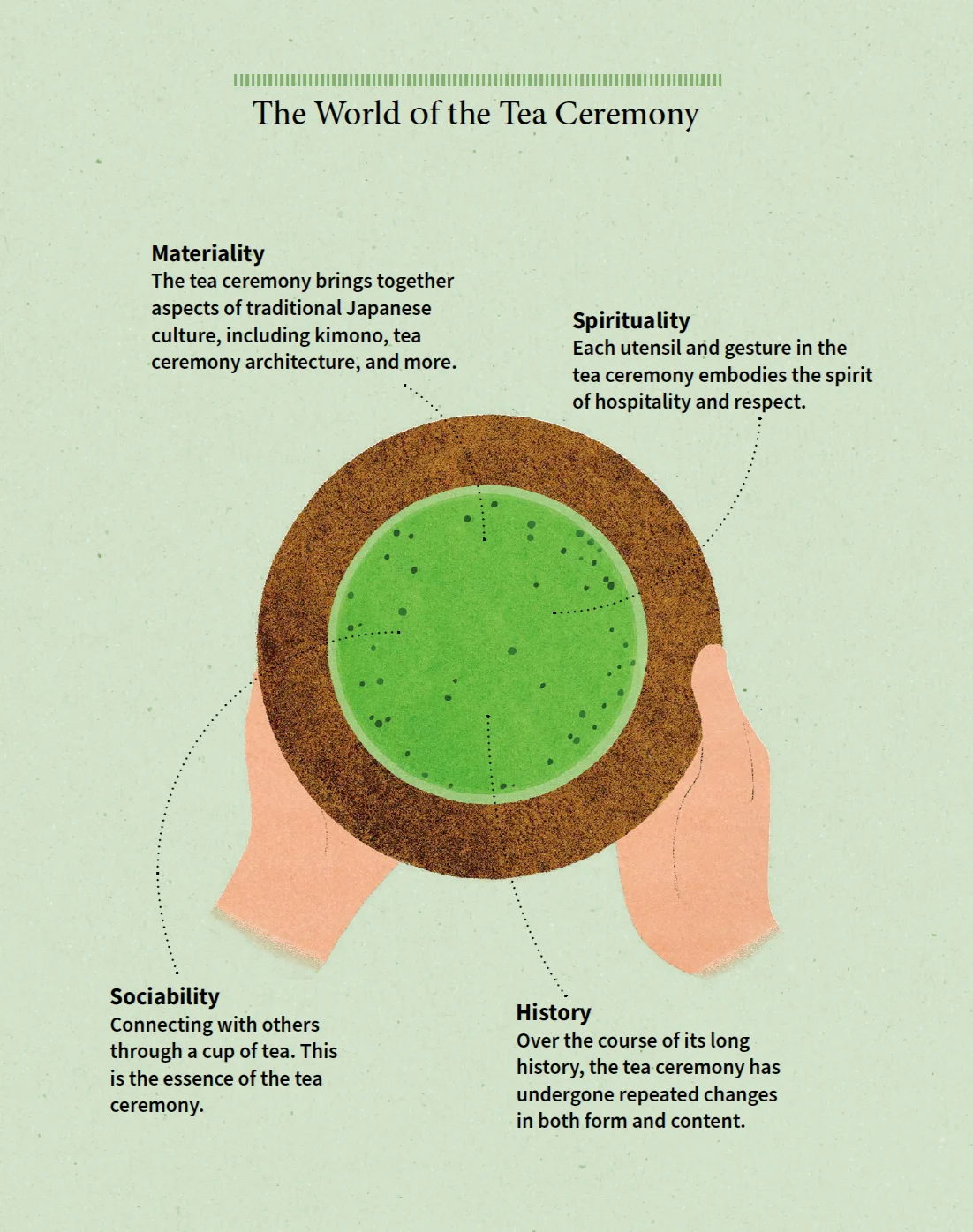
The gentle whisking of matcha, the mindful placement of a ceramic bowl, the quiet appreciation of a seasonal bloom – these are the hallmarks of the Japanese tea ceremony, or Chanoyu. Far from being a mere historical relic or an exclusive ritual for the elite, the Way of Tea, as it is also known, is presented as a deeply integrated practice that enriches everyday life, fosters human connection, and cultivates a profound sense of inner awareness. This perspective is championed by practitioners and scholars who see the ceremony not as an escape from the mundane, but as an elevated engagement with it.
Art historian Okakura Kakuzo, in his seminal work The Book of Tea, famously described the tea ceremony as "a kind of ritual based on the worship of the beautiful in the everyday." This foundational concept underscores the ceremony’s inherent connection to the ordinary fabric of existence. It is an art form born from and sustained by the simple, quotidian acts of life. As practitioners master the prescribed forms and etiquette, these movements and behaviors are intended to naturally imbue daily actions with grace and beauty. However, the transformative power of the Way of Tea extends beyond mere outward refinement. It is believed to foster internal shifts, altering one’s perception and emotional landscape, ultimately leading to expanded social connections and positive societal contributions.
The Personal Journey of a Tea Master
The contemporary understanding and promotion of Chanoyu are often shaped by individuals who bridge traditional scholarship with modern accessibility. One such figure, who teaches at the Urasenke tea ceremony school SHUHALLY in Yokohama and Tokyo, and shares insights through a YouTube channel, offers a compelling personal narrative that challenges common misconceptions about tea masters. This individual, who prefers to remain unnamed in this context, did not initially hail from a lineage steeped in tea tradition. Their upbringing was marked by an early disinterest in traditional Japanese culture, with a greater affinity for global street styles and international ideas during their formative years.
A pivotal moment arrived during overseas travels as a student. This experience ignited a realization of their own cultural unfamiliarity, sparking a deep-seated desire to explore and understand Japan’s rich heritage. This newfound curiosity led them to begin formal tea studies in their mid-twenties. The initial stages were, by their own admission, challenging. The physical demands of sitting on the floor for extended periods and the sheer volume of established conventions presented significant hurdles. Yet, as they persevered, a deeper appreciation emerged. The intricate forms and rules began to reveal their underlying meaning, and a refined aesthetic sensibility, honed over centuries, became apparent. This intellectual and aesthetic journey was paralleled by significant internal transformation.
The practitioner became acutely aware of their own posture, breathing, and everyday movements. A heightened sensitivity developed towards the subtle distinctions between seemingly similar tea utensils, each possessing its own unique character. This enhanced perception extended to the natural world; walks through town became opportunities to notice minute seasonal changes – the subtle hues of foliage, the whisper of the wind, the ephemeral fragrance of blossoms. This growing awareness, they recount, led to a profound sense of fulfillment, enriching both their daily existence and their spiritual life.
The Essence of Tea: A Ritual of Connection and Spirituality
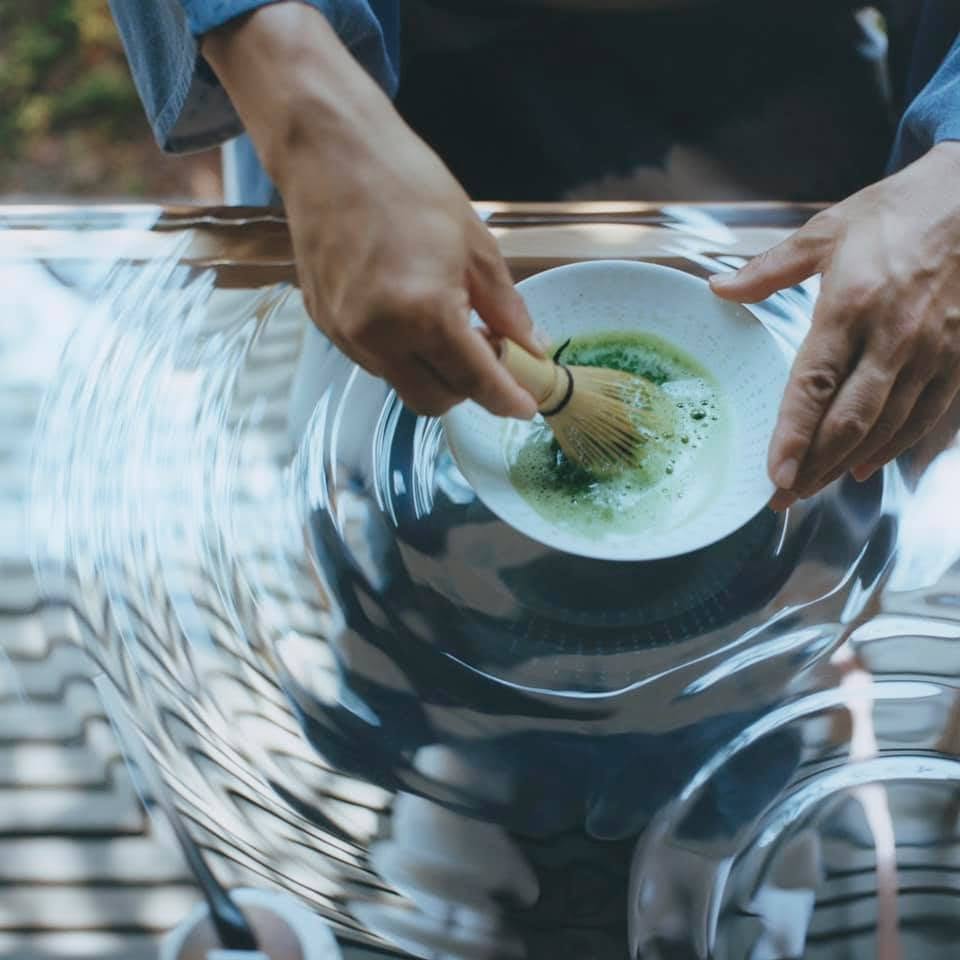
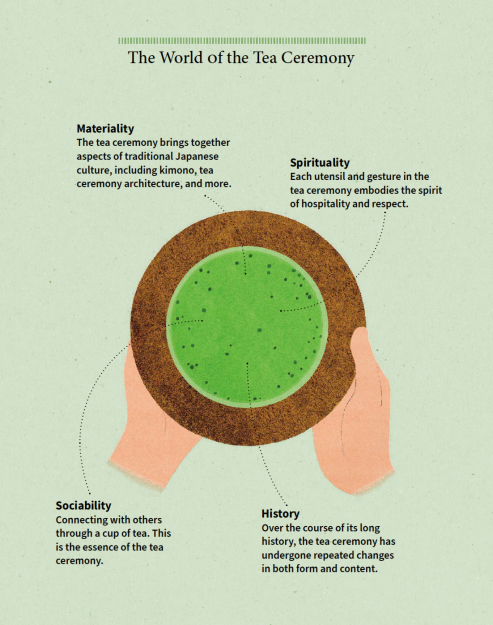
At its core, the tea ceremony can be traced back to the simple invitation, "Would you like some tea?" While the formal setting of a tea room and the preparation of matcha may seem a world away from sharing a casual cup with a friend, the fundamental act of communication remains the same. Throughout history, tea gatherings have evolved to serve diverse purposes, from facilitating political discourse to fostering business relationships. Yet, the enduring essence of "connecting with others through tea" has persisted.
The Way of Tea distinguishes itself through its deep spiritual underpinnings, a legacy stemming from its historical roots with Zen Buddhist monks. This spiritual dimension influences the design of the tea room, the prescribed etiquette, and the overall contemplative atmosphere. The influence of Zen is evident in the emphasis on mindfulness, impermanence, and the appreciation of simplicity. Simultaneously, the tea ceremony is richly material, showcasing the pinnacle of traditional Japanese craftsmanship through its carefully selected tea utensils, the architectural elegance of the tea room, the artistry of kimono, and the delicate beauty of wagashi (traditional sweets). It is this harmonious blend of the intangible spiritual depth and the tangible material beauty that defines the unique appeal of Chanoyu.
A Historical Tapestry of Tea in Japan
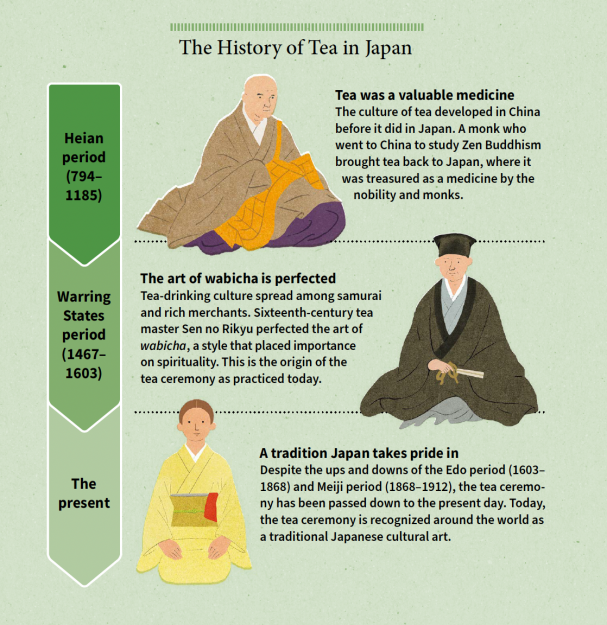
The introduction of tea to Japan dates back to the Heian period (794-1185), brought by priests returning from studies in China. Initially consumed as a medicinal beverage and highly valued by the imperial court and Buddhist temples, tea gradually integrated into Japanese society. During the Kamakura period (1185-1333), Zen monks utilized tea to maintain wakefulness during long meditation sessions. Eisai, a prominent figure in the Rinzai sect of Zen Buddhism, is credited with introducing powdered green tea (matcha) and promoting its health benefits, even reputedly curing the shogun Minamoto no Sanemoto of a hangover with a cup of matcha.
The Muromachi period (1392-1573) witnessed tea’s burgeoning popularity among the samurai class and wealthy merchants. Shoguns like Ashikaga Yoshimitsu and Yoshimasa amassed collections of Chinese tea wares and hosted elaborate tea gatherings. This era also saw the foundational development of wabicha, a more subdued and rustic style of tea ceremony, pioneered by Murata Juko and further refined by his disciples Takeno Jōō and Kitamuki Dōsen. The most influential figure in this lineage was Sen no Rikyū, who is widely regarded as the master who perfected Chanoyu. Following Rikyū’s death, various schools of tea ceremony emerged, most notably the three Senke schools established by his grandson Sōtan, alongside contributions from other esteemed tea masters such as Furuta Oribe and Kobori Enshū. It was during this period that the term Sadō, or the Way of Tea, came into common usage.
The Meiji Restoration in 1868 marked a period of upheaval for the tea ceremony, as the abolition of the samurai class, a traditional patronage base, posed a significant challenge to its survival. However, the early 20th century saw a resurgence in its popularity. The tea ceremony became a favored pursuit within political and business circles and was integrated into the curriculum of girls’ schools, ensuring its continued transmission to younger generations. This enduring appeal has carried the practice into the present day.
The Multifaceted Benefits of Practicing the Tea Ceremony
Engaging in the tea ceremony offers a dual pathway to enrichment: fostering connection with others and facilitating a profound self-discovery through heightened sensory awareness. Even for individuals who identify as introverted, the practice can be a source of comfort and engagement. The inherent structure of the tea ceremony, which always involves a host and at least one guest, naturally cultivates interpersonal connections. At a tea gathering, individuals from diverse backgrounds can converge, united by the shared experience of tea. Within this shared space and moment, barriers often dissolve, leading to a collaborative creation of the event’s atmosphere. This process offers a unique avenue for exploring new forms of communication.
For those familiar with practices like yoga and meditation, the tea ceremony shares a common philosophical ground. The core principle of focusing consciousness on the present moment is central to all three disciplines. In Chanoyu, every element – from the calligraphy on the hanging scroll to the shape of the flower container, the sound of boiling water, the taste of matcha, and the tactile sensation of the tea bowl – serves as an invitation to engage in quiet introspection. The entire cycle of a tea gathering, from the meticulous cleaning of the tea room to the final tidying, is a process of sensing, noticing, and translating that awareness into deliberate action. This continuous interplay between the external environment and internal perception sharpens the senses and can lead to profound insights, fostering a path toward spiritual awakening. It is this rare synthesis of deep connection with others and profound immersion in one’s inner world that makes the tea ceremony such a compelling pursuit.
Accessibility and Inclusivity: Who Can Practice Tea?
A common apprehension surrounding the tea ceremony is the perceived need for specialized knowledge or a particular background. However, practitioners emphasize that the most crucial element is simply to begin, approaching the practice with an open mind and a casual attitude. The contemporary tea ceremony embraces a wide spectrum of participants, each drawn by unique motivations. Some are attracted by the opportunity to wear a kimono, others seek to improve their posture and presence, while many are captivated by the beauty of traditional crafts and the tactile experience of tea utensils. Interest can also be sparked by historical figures like Sen no Rikyū, encountered through literature or popular culture. The diversity in age, goals, and motivations underscores the practice’s broad appeal.
Crucially, there is no prerequisite for a "lofty" reason or prior expertise. The tea room is envisioned as a space of equality, where one’s occupation or social standing becomes irrelevant. While beginners may initially feel overwhelmed by unfamiliarity, continued engagement naturally fosters a deepening interest and broader understanding. Historically, in Japan, the tea ceremony was sometimes associated with bridal training, which may have contributed to a perception of formality and strictness. However, modern tea education prioritizes a supportive and encouraging environment, dispelling the notion that mistakes are met with harsh correction.
Navigating the "Rules" of the Tea Ceremony
The notion of "rules" in the tea ceremony can be more accurately understood as "forms" – established patterns of movement and etiquette that guide the practice. While initially these forms may seem daunting, their true meaning and purpose reveal themselves through consistent practice. For instance, the prescribed method of serving tea, while standardized, is subtly influenced by the individual performing the action. The unique physical characteristics and personality of the host invariably imbue the ritual with a personal touch. It is precisely within the framework of these set forms that the individuality of the practitioner can emerge and be appreciated.
These common forms create a shared language between host and guest, fostering a mutual understanding of the unfolding sequence of events. Each action, performed with intentionality, cultivates a heightened state of concentration, allowing for a peaceful focus on the present moment. Yet, the inherent human element means that unexpected occurrences are inevitable. The delightful moments of surprise that arise from the gap between expectation and reality are an integral part of the joy found in the tea ceremony.
The Profound Offerings of the Tea Ceremony
The Way of Tea offers a wealth of benefits, which can be broadly categorized as "enrichment." This encompasses the practical refinement of manners, the cultivation of one’s inner spirit, and the enhancement of one’s relationship with society. The enduring presence of the tea ceremony throughout centuries is a testament to its ability to enrich human lives. This enrichment manifests in both tangible and intangible ways.
On a practical level, learning the tea ceremony cultivates improved posture, graceful greetings, and organized movement. Beginners often report receiving compliments on their refined demeanor. The etiquette learned can be transferable to various social and professional situations, fostering an impression of polish and reliability, which can, in turn, lead to valuable connections and opportunities. As practice deepens, so does knowledge of tea utensils, seasonal customs, and Zen philosophy, leading to a heightened sensitivity. This sensitivity allows individuals to perceive beauty in the ordinary – from wildflowers by the roadside to the arrangement of tableware, the phases of the moon, or a thoughtfully chosen word in conversation. One’s capacity for appreciation expands significantly.
Beyond personal growth, the tea ceremony fosters a sense of social richness. The values inherent in tea practice, such as the meticulous care of tools, resonate with broader societal challenges. Through Chanoyu, individuals can cultivate self-awareness, nurture their immediate environment, and, in time, contribute to bringing greater richness to the world. This path of continuous self-improvement and contribution is a journey that many dedicated practitioners, including the educators and proponents of the Way of Tea, continue to pursue with unwavering commitment.

