

Death sits at the origin of the Buddhist path. Canonical texts recount that Siddhartha Gautama, upon encountering old age, illness, and death, renounced his privileged life and set out on his path to liberation. Awareness of mortality is both a fundamental existential concern and a catalyst for pursuing freedom from suffering and samsaric existence. Buddhist teachings also hold that all conditioned things are impermanent, which reframes death as an ever-present feature of human experience rather than a single tragedy at the end of it. Sustained attention to impermanence loosens fear and attachment well before the final moment arrives, enabling us to approach death with clarity and wisdom.
This exploration delves into how various Buddhist traditions have historically and continue to contemplate mortality, confront impermanence, and ritualize the final moments of life. It examines the philosophical underpinnings, the practical applications of these contemplations, and the enduring relevance of these practices in contemporary society, particularly in the context of evolving end-of-life care.
The Buddha’s Death: A Paradigm of Acceptance and Liberation
The narratives surrounding the death of the historical Buddha, Siddhartha Gautama, offer profound insights into the Buddhist understanding of mortality. These accounts reveal a spectrum of emotional responses, from the profound grief of his devoted attendant, Ananda, to the equanimity of other monks who viewed his passing as a final confirmation of his teachings. Ananda’s weeping, as recounted in canonical texts, highlights the deep personal loss felt by those closest to the Buddha. However, the overall portrayal of the Buddha’s death as parinirvana—his final liberation from the cycle of rebirth—underscores the ultimate goal of Buddhist practice: release from suffering.
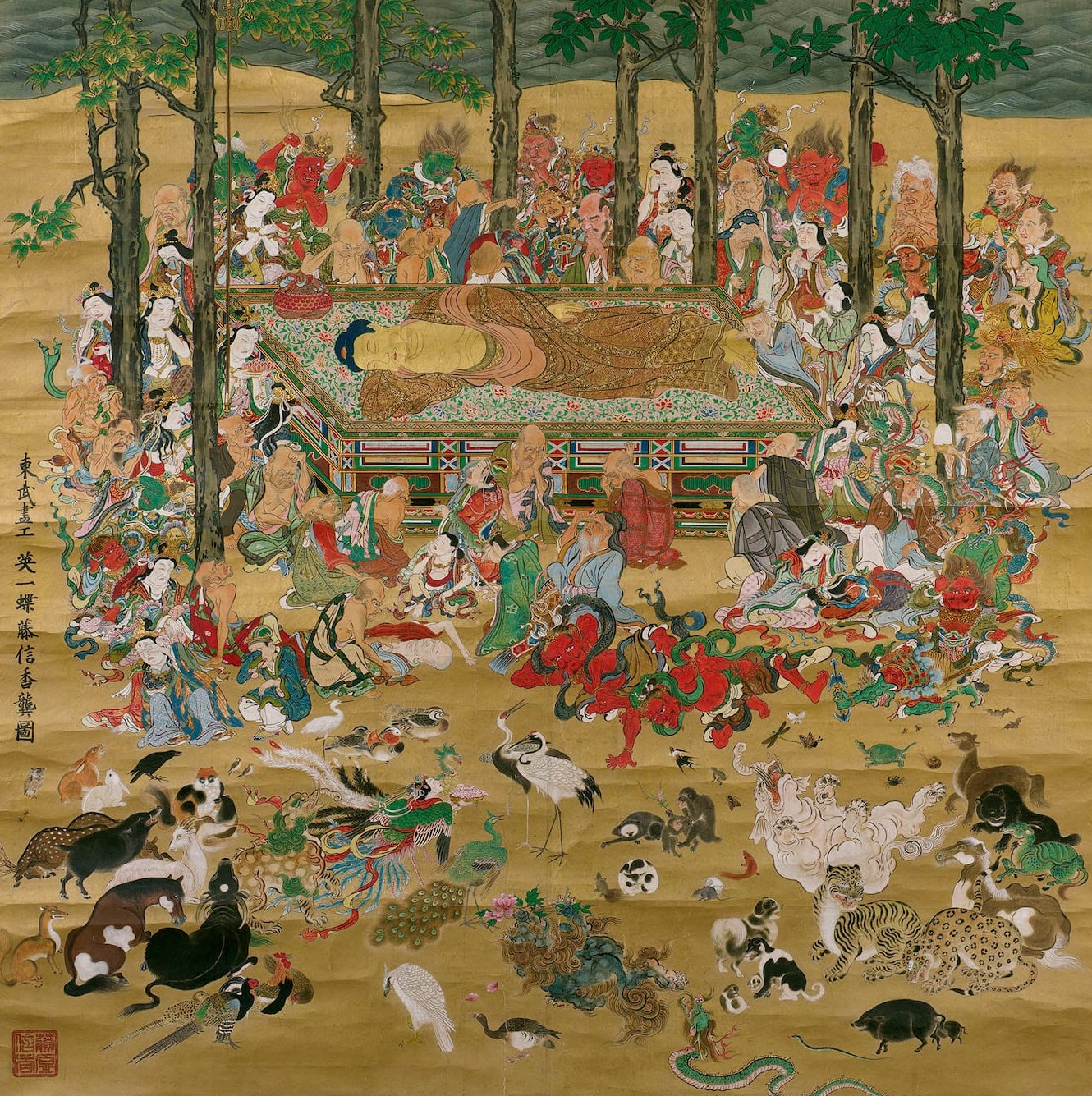
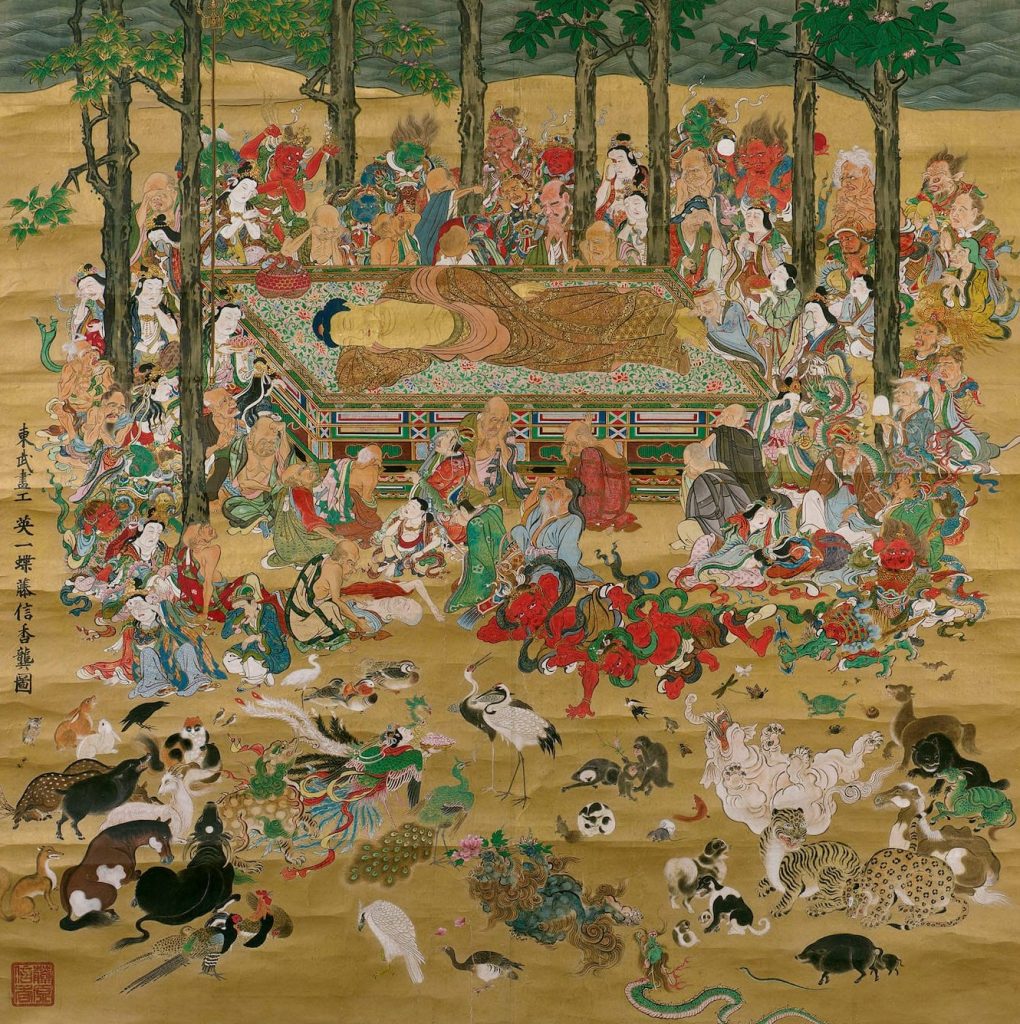
These narratives are not intended to dismiss grief as an emotional obstacle. Instead, they integrate it within a broader framework of Buddhist philosophy, acknowledging the inevitability of death and, in the Buddha’s case, framing it as a release. This approach allows for the experience of sorrow to coexist with the wisdom of impermanence and the understanding of the cessation of rebirth. The Buddha’s final moments, as described in the Mahaparinibbana Sutta, emphasize his serene composure and his final exhortations to his followers, further solidifying his death as a testament to his teachings. The image of the Buddha on his deathbed, surrounded by his disciples, has been a recurring motif in Buddhist art for centuries, symbolizing the culmination of a life dedicated to awakening and the ultimate triumph over mortality. For instance, Hanabusa Itcho’s 1713 painting, "Death of the Historical Buddha," housed in the Museum of Fine Arts, Boston, vividly captures this poignant scene, serving as a visual reminder of this pivotal event.
Facing Mortality: Practices for Cultivating Wisdom and Urgency
Buddhist traditions offer a rich tapestry of practices designed to confront mortality directly, with a consistent emphasis on recognizing the certainty of death and the unpredictability of its timing. These practices are not morbid obsessions but rather deliberate efforts to cultivate a profound understanding of existence.
One of the most foundational practices is maranasati, or death contemplation. This involves regularly reflecting on the fact that death will inevitably come, and that one’s own death is not a distant event but a present possibility. This sustained attention aims to erode the illusion of permanence and to foster a sense of urgency, known as samvega. Samvega is a sobering realization of impermanence that acts as a powerful motivator for spiritual practice, encouraging individuals to prioritize what truly matters and to engage with life wholeheartedly.
Corpse meditations, prevalent in several Buddhist traditions, particularly Theravada Buddhism, involve visualizing or contemplating the decomposition of the body. While seemingly stark, these meditations serve to demystify death and the physical body, highlighting its transient nature and reducing attachment to physical form. Similarly, visualizations found in Tibetan bardo teachings or Pure Land traditions offer frameworks for understanding the transitional states between death and rebirth. These practices train the mind to remain steady and aware, even in the face of profound change, and to navigate the experiences that may arise after death with wisdom and courage.
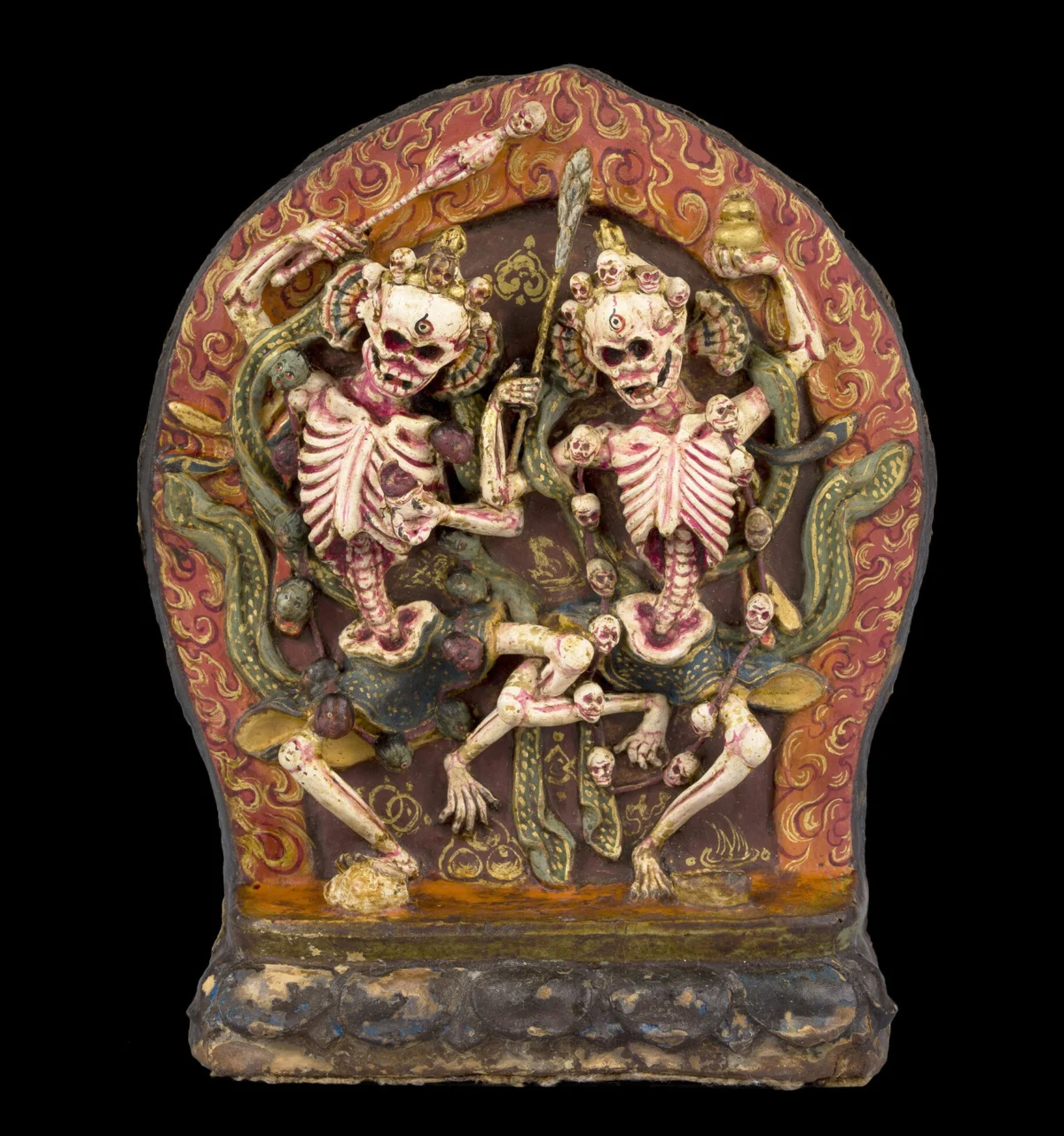
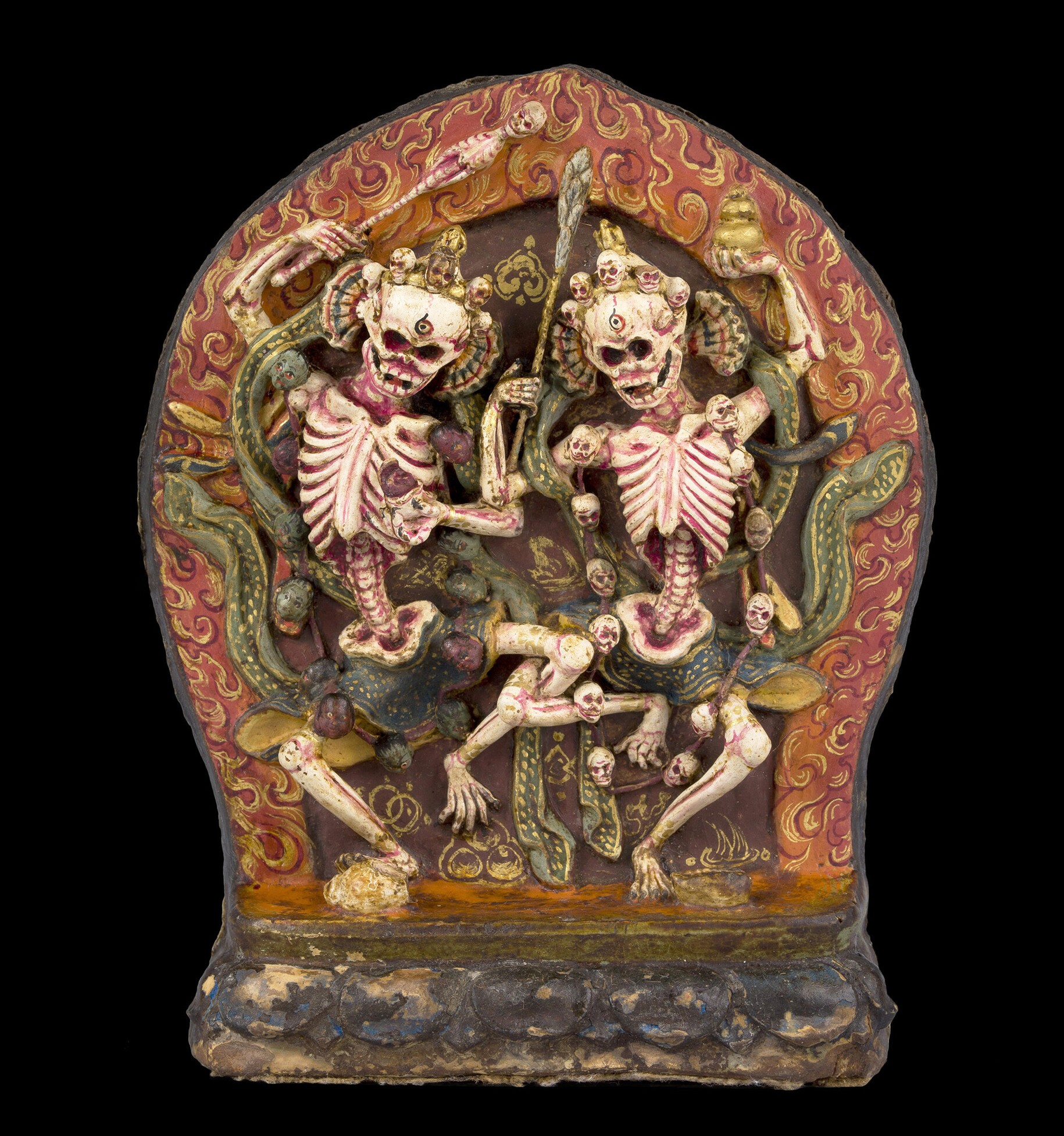
The practice of recollecting death is not solely about preparing for the end; it is also about clarifying priorities in the present. By keeping the inevitability of death in mind, individuals are encouraged to use their time wisely, to cultivate wholesome actions, and to let go of trivial concerns. This perspective can lead to a more meaningful and purposeful life, free from the anxieties of unfulfilled potential or regret. The art of the Citipati, or "Lords of the Charnel Grounds," as depicted in 18th-century Tibetan terracotta, illustrates this profound engagement with the cycle of life and death, where enlightened beings meditate amidst the remnants of life, symbolizing the integration of mortality into the path of spiritual realization.
Rituals at the Precipice: Guiding the Dying and Honoring the Deceased
The moment of death itself has historically been considered a critical juncture in Buddhist traditions, with elaborate rituals developed to guide the dying and influence their postmortem journey. These rituals reflect a deep understanding of the mind’s state at the time of death and its potential impact on future existences.
In medieval Japan, deathbed rituals often included chanting and deathbed ordinations. The chanting of Buddhist sutras by monks and lay practitioners was believed to create a supportive and spiritually charged atmosphere, aiding the dying person’s mind in remaining calm and focused. Deathbed ordinations, where an individual received monastic vows shortly before death, were seen as a means to purify karma and ensure a favorable rebirth.
A more specialized practice is found in Tibetan Buddhism: phowa, or consciousness transference. This advanced practice involves the conscious projection of one’s consciousness at the moment of death, often directed towards a Pure Land or a state of liberation. Trained practitioners can guide the dying through this process, aiming to ensure a peaceful and auspicious transition. The monk Kakuban (1095–1143) detailed methods for sustaining right mindfulness at the moment of death, reflecting a widespread belief that ritual precision, coupled with focused mental cultivation, could significantly contribute to a favorable rebirth.
Beyond the immediate moment of death, extended funerary and postmortem rites have played a significant role in Buddhist societies. These rites have not only provided spiritual support for the deceased and their families but have also served as crucial sources of economic support for temples and ritual specialists. The performance of these ceremonies, the interpretation of auspicious signs (such as the absence of bodily decay or the presence of relics after cremation), and the lineage of those performing them all reinforced the religious authority and the status of Buddhist institutions and their practitioners. These traditions underscore a cosmology where the destination of the deceased is of paramount importance and where ritual actions have tangible spiritual consequences.
Contemporary Engagements with Death and Dying
In the contemporary world, Buddhists continue to draw upon and adapt traditional practices to address mortality. While prevailing Western funerary customs often prioritize discretion and the professional management of the deceased, with practices like embalming and cosmetic restoration creating a distance from the reality of death, Buddhist approaches tend to engage mortality more directly.
Theravada chanting rites, common in Southeast Asian Buddhist communities, continue to offer solace and spiritual guidance during funerals. In Japanese Zen Buddhism, mortuary ceremonies remain an integral part of temple life, providing opportunities for reflection on impermanence and the interconnectedness of all beings.
In recent decades, Western practitioners have increasingly integrated Buddhist principles into end-of-life care. This includes engaging in hospice chaplaincy, where Buddhist chaplains offer spiritual support to patients and their families. Death-awareness retreats, drawing inspiration from maranasati, provide structured environments for individuals to confront their own mortality and cultivate a more profound understanding of impermanence. Furthermore, academic and clinical dialogues are emerging, bringing Buddhist teachings on impermanence and mindful acceptance into conversation with modern medical ethics and end-of-life care practices. This cross-disciplinary approach seeks to enhance the quality of life for those facing terminal illness and to foster a more compassionate and informed approach to death.
However, the practical application of some traditional deathbed rituals faces challenges in the context of modern hospitals and hospices. These rituals often assume a trained community of practitioners readily available to support the dying, as well as a cosmological framework in which the postmortem destination is a central concern. The extent to which these traditional rituals can be effectively integrated into secularized healthcare settings, and what aspects of these practices are retained or adapted, remains an ongoing process of exploration and negotiation within contemporary Buddhist communities. The dialogue between ancient wisdom and modern realities is actively shaping the future of Buddhist end-of-life practices, ensuring their continued relevance in helping individuals navigate the profound mystery of death with wisdom, courage, and compassion.

