

The seasonal migration of "snowbirds"—individuals, typically retirees or remote workers, who flee northern latitudes for warmer southern climates during the winter months—has evolved from a niche travel trend into a multi-billion-dollar pillar of the American hospitality and outdoor recreation industries. As the 2024-2025 winter season approaches, the demand for long-term recreational vehicle (RV) sites has reached unprecedented levels, driven by a combination of traditional retirement patterns and the sustained rise of the "work-from-anywhere" lifestyle. This shift has placed a premium on high-quality campgrounds that offer more than just a parking space, focusing instead on community-building, robust infrastructure, and proximity to natural landmarks.
According to data from the RV Industry Association (RVIA), approximately 11.2 million households in the United States own an RV, with a significant percentage utilizing their vehicles for extended winter stays in the "Sun Belt" states. This demographic shift provides a critical economic lifeline to southern municipalities, where winter residents contribute to local tax bases, frequent small businesses, and support seasonal employment. To meet this demand, established networks such as Kampgrounds of America (KOA) have refined their "resort" and "holiday" models to cater specifically to the long-term needs of winter migrants.

The Evolution of the Snowbird Infrastructure
The modern snowbird seeks a "home base" that mirrors the comforts of a permanent residence while providing the mobility and social opportunities of a vacation. Quality winter camping operations are distinguished by their "full hookup" capabilities, which include reliable 30-to-50-amp electrical service, pressurized water connections, and integrated sewer systems. However, the contemporary traveler also demands high-speed fiber-optic Wi-Fi, on-site laundry facilities, and climate-controlled communal spaces.
Market analysis indicates that the most successful campgrounds for the winter season are those that integrate regional character with standardized reliability. By examining seven key locations across the Southern United States, analysts can identify the specific amenities and geographic advantages that define the current gold standard for winter RV travel.
1. Tucson KOA Resort: The Southwestern Desert Anchor
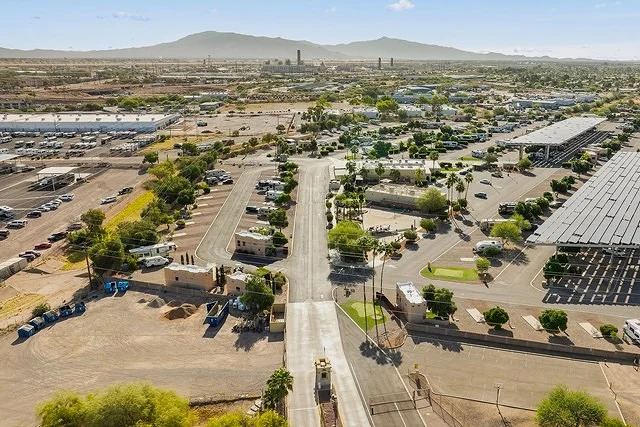
Arizona remains a primary destination for those seeking a dry, arid climate. The Tucson KOA Resort serves as a prime example of the "resort" model, where the focus is on maximizing outdoor socialization. The facility features two swimming pools and a nine-hole mini-golf course, designed to foster interaction among long-term guests.

A critical component of this location’s appeal is its proximity to Saguaro National Park and the Arizona-Sonora Desert Museum. From a logistical standpoint, the resort offers monthly RV sites with upgraded Wi-Fi, addressing the needs of the increasing number of "silver nomads" who maintain active digital lives. The inclusion of the on-site Steak Rush Grill reflects a trend toward providing "hassle-free" dining options for residents who may wish to minimize meal preparation during their stay.
2. St. Petersburg/Madeira Beach KOA Holiday: Gulf Coast Access
Florida continues to hold the largest market share of winter travelers, with the Gulf Coast being particularly prized for its temperate waters. The St. Petersburg/Madeira Beach KOA Holiday is strategically positioned along a mangrove-lined bayou, offering a unique intersection of marine ecology and suburban convenience.
The facility’s integration with the 38-mile Pinellas County Fitness Trail provides residents with a non-motorized transportation artery for cycling and walking, a feature highly valued by health-conscious seniors. Furthermore, the park’s management has implemented age-specific amenities, such as an adult-only hot tub, to ensure that the environment remains conducive to the quietude often sought by long-term residents. The availability of kayak rentals for exploring Long Bayou allows guests to engage with local wildlife, including dolphins and herons, directly from the property.

3. South Padre Island KOA Holiday: Tropical Texas Isolation
South Padre Island offers a distinct "tropical" experience within the continental United States. The KOA Holiday at this location overlooks the Laguna Madre Bay, a shallow hypersaline lagoon known for its biodiversity. This site is particularly attractive to "water-bird" snowbirds who prioritize aquatic recreation.
The infrastructure here supports a wide range of vessels, featuring a dedicated boat ramp and rentals for hydrocycles and kayaks. To mitigate the isolation of the island, the local municipality provides the "Metro" shuttle, which stops at the campground entrance. This free public transit service connects residents to shopping centers and local attractions, reducing the need for guests to unhook their primary vehicles or maintain a secondary "toad" (towed vehicle) for local errands.
4. Myrtle Beach KOA Resort: The Atlantic Coastal Heritage
South Carolina’s Grand Strand has long been a summer destination, but its winter appeal has grown as travelers seek more temperate, rather than strictly tropical, climates. The Myrtle Beach KOA Resort, shaded by 40-year-old pine trees, offers a cooler, forested alternative to the sun-baked sites of the deep south.

The resort’s connectivity to the Atlantic Ocean via the Withers Swash tidal basin provides a waterfront experience without the high-density crowds of the beachfront hotel districts. For the winter resident, the "Kamp K9" dog park and the on-site adventure trails are essential for maintaining a routine for pets and owners alike. This location’s proximity to the Myrtle Beach entertainment district ensures that long-term guests have access to theater, dining, and golf during the off-peak season.
5. Okeechobee KOA Resort: The Inland Florida Sporting Hub
For travelers whose winter goals are centered on sport and hobby rather than beach lounging, the Okeechobee KOA Resort provides a specialized environment. Located near Florida’s largest freshwater lake, the resort caters heavily to the fishing and golfing communities.
The property includes a nine-hole golf course, a driving range, and a putting green, allowing enthusiasts to maintain their skills throughout the winter months. Lake Okeechobee is globally recognized for its largemouth bass fishing, making this campground a high-demand site for competitive and recreational anglers. The resort also maintains an active social calendar, featuring live concerts and themed parades, which functions as a "micro-community" for those spending three to five months on-site.

6. New Bern KOA Holiday: Historical and Riverine North Carolina
The "Half-Back" phenomenon—where snowbirds move halfway back toward the north from Florida—has increased the popularity of North Carolina’s coastal plains. The New Bern KOA Holiday, situated on the Neuse River, appeals to those who prefer a four-season experience with mild winters.
The facility features a 250-foot private fishing pier, emphasizing the riverine lifestyle. Its proximity to historic New Bern, the state’s first colonial capital, provides a cultural dimension to the stay. This location is often chosen by travelers who find the extreme heat of the deep south oppressive but still wish to avoid the snow and ice of the Mid-Atlantic or New England states.
7. Townsend/Great Smokies KOA Holiday: The Mountain Winter
A growing segment of the snowbird population is eschewing the coast entirely in favor of the mountains. The Townsend/Great Smokies KOA Holiday, located on the "Peaceful Side of the Smokies," offers a starkly different winter experience characterized by crisp air and quiet vistas.

Between December and February, this location provides specific extended-stay programs. With monthly rates starting at approximately $1,000—inclusive of utilities and laundry access—it represents one of the most cost-effective options for long-term winter stays. The proximity to Cades Cove in the Great Smoky Mountains National Park offers unparalleled wildlife viewing opportunities during the winter when the deciduous canopy is thin, making it easier to spot elk, deer, and black bears.
Economic Implications and Local Integration
The influx of winter residents into these regions is not merely a travel trend; it is a critical economic driver. In many of these locations, the "off-season" has effectively been eliminated. Local businesses, from hardware stores to healthcare providers, have adjusted their operations to accommodate the needs of a seasonal population that stays for months rather than days.
Analysts suggest that the "snowbird" economy contributes billions to the Sun Belt states annually. For example, in Florida, seasonal residents are estimated to increase the state’s population by over 5% during the winter peak. This necessitates significant infrastructure planning by local governments, particularly in terms of waste management, water usage, and emergency services.

Planning and Availability Challenges
As the popularity of winter RVing grows, the window for securing a site has narrowed. Industry experts recommend that travelers seeking three-month or six-month stays at premier locations like those listed above should book their reservations six to twelve months in advance.
The rise of dynamic pricing in the campground industry also means that early planners can often lock in lower rates. For the "migratory" traveler, the choice of a winter home base is a decision that impacts physical health, social connectivity, and financial stability for nearly half the year. As the 2024 season begins, the focus remains on facilities that can provide a seamless transition from a northern permanent residence to a southern seasonal retreat, ensuring that the winter migration remains a sustainable and enriching lifestyle.

