

Bangkok, Thailand – In the bustling heart of Bangkok, a unique establishment offers a stark departure from typical tourist attractions. The Death Awareness Cafe, founded in 2018 by Buddhist philosopher Veeranut Rojanaprapa, provides an immersive experience designed to confront visitors with their own mortality. For one individual, this unconventional destination became a poignant backdrop to a deeply personal battle against her mother’s recurring liver cancer, offering unexpected solace and a profound shift in perspective.
The genesis of this unique cafe lies in a desire to foster greater mindfulness and ethical behavior among the populace. Rojanaprapa, drawing from Buddhist teachings, posits that a keen awareness of death can curb societal issues like anger and greed, encouraging individuals to live more ethically and compassionately. The cafe’s approach is multifaceted, presenting death not as an ending to be feared, but as an intrinsic part of the human experience, to be understood and integrated.
A Personal Journey Amidst Medical Uncertainty
The narrative unfolds against a backdrop of escalating familial anxiety. The author, facing her mother’s third diagnosis of liver cancer in 2026, grappled with a lifetime of ingrained fears surrounding her parents’ mortality. These anxieties, deeply rooted in childhood, manifested as an obsessive preoccupation with potential loss. The author recounts vivid childhood memories of imagining worst-case scenarios for her younger brothers, a testament to a lifelong struggle with anticipatory grief. This fear was amplified by her father’s night shift work, which often left her in a state of anxious vigilance until his safe return.
The re-emergence of her mother’s cancer, a diagnosis that contradicted previous assurances of remission, brought these long-held fears into sharp, devastating focus. Doctors discovered two previously undetected tumors, underscoring the unpredictable nature of the disease. While her mother began clinical trials in Melbourne, the author found herself preparing for a pre-booked trip to Thailand, a journey that would unexpectedly become a pilgrimage of sorts, confronting not only her mother’s illness but also her own deep-seated relationship with death.
The Bangkok Death Awareness Cafe: An Experiential Exploration
Upon arrival at the cafe, located adjacent to a petrol station, the author is greeted with a refreshing Thai pink milk tea and a selection of snacks. The receptionist provides an overview of the cafe’s philosophy, emphasizing Rojanaprapa’s belief that confronting death can lead to more virtuous living, particularly in a culture where Buddhist principles are prevalent. This philosophy, while seemingly lofty, is presented in an accessible and engaging manner within the cafe’s distinct exhibit spaces.
The cafe’s design is intentionally thought-provoking, featuring four main exhibits: Birth, Elder, Pain, and Death. Each section is curated to elicit introspection and understanding. The author’s initial encounter is with the Death exhibit, which showcases diverse global funerary practices. This includes the Tibetan sky burial, where bodies are offered to vultures as a final act of generosity and return to nature, and the historical Hindu practice of Sati, where some widows immolated themselves on their husbands’ funeral pyres. These stark examples, while perhaps unsettling, serve to broaden the understanding of how different cultures and belief systems grapple with the end of life.
A Childhood Shaped by Diverse Beliefs
The author’s personal connection to death and spirituality is further explored through her family’s background. Raised in a secular household with a Buddha statue as a central fixture, her family’s approach to the afterlife was shaped by a blend of influences. A pivotal moment occurred during a family trip to Kuala Lumpur when the author was seventeen. While visiting her grandfather’s memorial, her family performed traditional rituals of offering food and bowing, a practice rooted in the belief that loved ones continue to offer guidance. However, her aunt, who had converted to Christianity, abstained, stating her sole allegiance to God. This divergence highlights a fundamental difference in their understanding of love and connection beyond death, with her father maintaining a strong belief in the enduring presence and influence of ancestors, a conviction that shaped his life, particularly after his father’s tragic death in a drunk driving accident.
Navigating Grief and Legacy
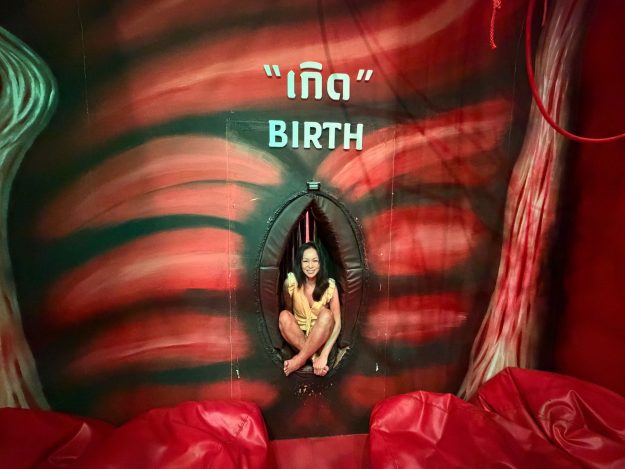
The cafe’s exhibits serve as catalysts for confronting complex emotional landscapes. The "Birth" exhibit, an immersive experience within a giant crimson womb, evokes a poignant desire to protect her mother, a wish to "carry her away from the end of hers." This exhibit underscores the cyclical nature of life and the profound desire to reverse the inevitable flow of time when faced with loss.
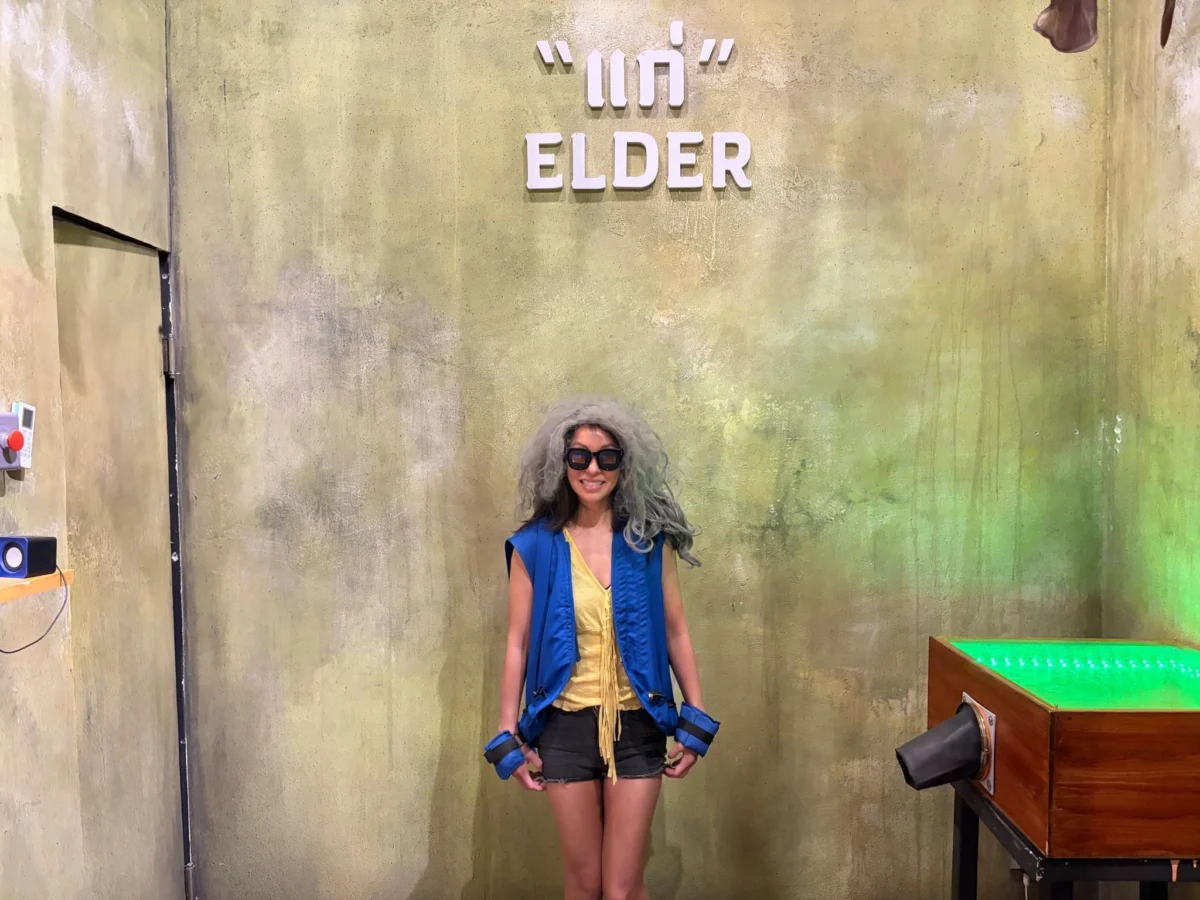
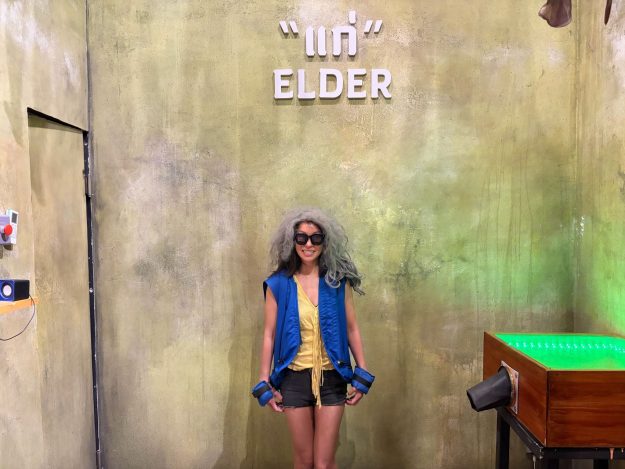
The "Elder" exhibit, where visitors don weighted vests, gray wigs, and clouded glasses to simulate the physical effects of aging, offers a tangible understanding of the physical decline that often accompanies later life. This experience prompts a realization of missed opportunities to truly see and appreciate the aging process of her own parents. The author recalls subtle signs during a recent family trip—her parents needing more rest, altered meal times, and visible fatigue—which she had previously attributed to minor ailments, failing to recognize them as the quiet onset of aging. This section emphasizes the importance of observing and cherishing the present, rather than solely focusing on the future.
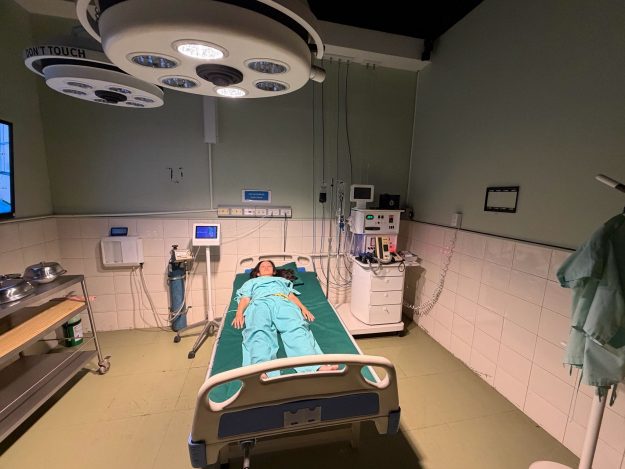
The "Pain" exhibit, simulating an ICU environment, forces a confrontation with practical and existential questions. The author reflects on the absence of a will, the lack of preparedness for her own incapacitation, and the potential burden on her brothers. This simulated crisis triggers a deeper consideration of her parents’ potential grief should she be the one to pass away first, a perspective she had rarely entertained amidst her own anxieties.
The Coffin and a Shift in Perspective
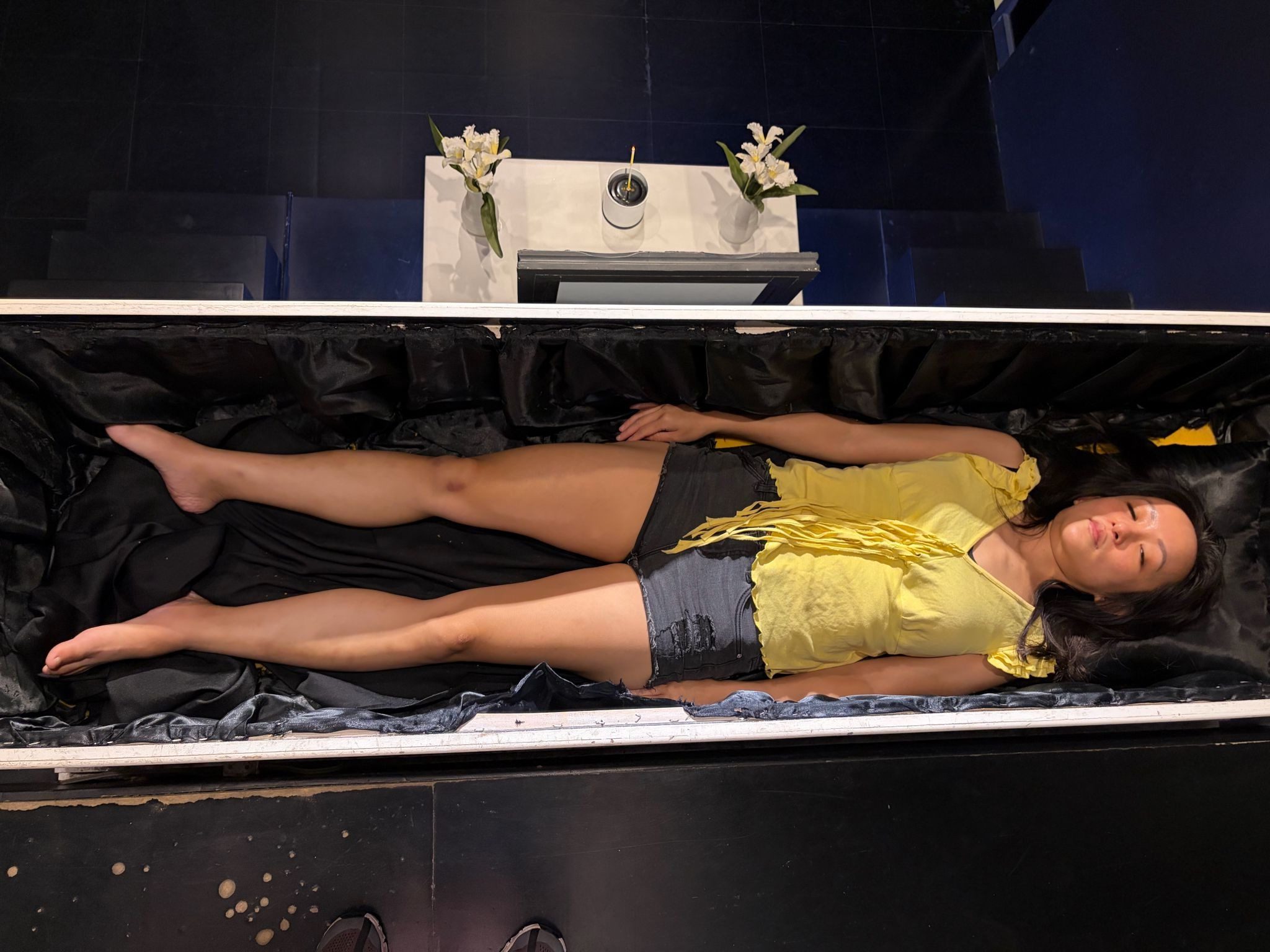
The culminating experience at the cafe is a literal encounter with a coffin. Placed on a raised platform within a dimly lit, incense-filled space, the coffin represents the ultimate confrontation. The author lies within, the lid closing, plunging her into darkness. Instead of profound insight, a primal fear surfaces: the question of whether she can get out. This immediate, visceral reaction highlights the instinctual human response to confinement and the unknown.
However, this immediate fear soon gives way to a more profound understanding. The author begins to re-evaluate her concept of time and loss. The six years her family believed her mother to be cancer-free, followed by the discovery of persistent tumors, underscore how time can be both a healer and a deceptive passage. The statistics and medical measurements of liver cancer, while crucial for treatment, fail to capture the essence of her mother’s spirit – her infectious laugh, her nurturing gestures, and the enduring love that binds their family. Her father’s unwavering belief in the continued presence of ancestors, exemplified by his reaction to her grandfather’s perceived intervention in her university acceptance, further reinforces the idea that love and connection transcend physical presence. The author’s grandfather’s memorial became a touchstone, a reminder that even in death, love could manifest in unexpected ways.
Redefining "Death Awareness"
The Death Awareness Cafe’s philosophy, the author realizes, is not about practicing goodbye, but about actively noticing and cherishing those who are still present. Her mother’s everyday gestures – checking if she’d eaten, shortening her pajama pants – transform from mundane routines into precious moments, no longer taken for granted. The years spent bracing for the worst had, paradoxically, blinded her to the beauty of the life that was already unfolding.
This realization comes as she prepares for her third solo trip to Bangkok, a journey that, unlike her brothers’ frequent international travels, elicits a torrent of protective warnings from her father. His anxieties, while rooted in love, are juxtaposed with her mother’s more relaxed and encouraging stance. This contrast underscores the different ways love and concern are expressed, and the author’s desire to be present for all of it, both the anxieties and the affirmations.
The Bangkok Death Awareness Cafe, through its unconventional and immersive approach, offers more than just an educational experience. For the author, it served as a profound catalyst for personal growth, transforming a lifelong obsession with death into a renewed appreciation for life, love, and the enduring connections that transcend even the most formidable of human experiences. The cafe’s success lies in its ability to facilitate a personal reckoning with mortality, leading not to despair, but to a more vibrant and engaged existence.

