

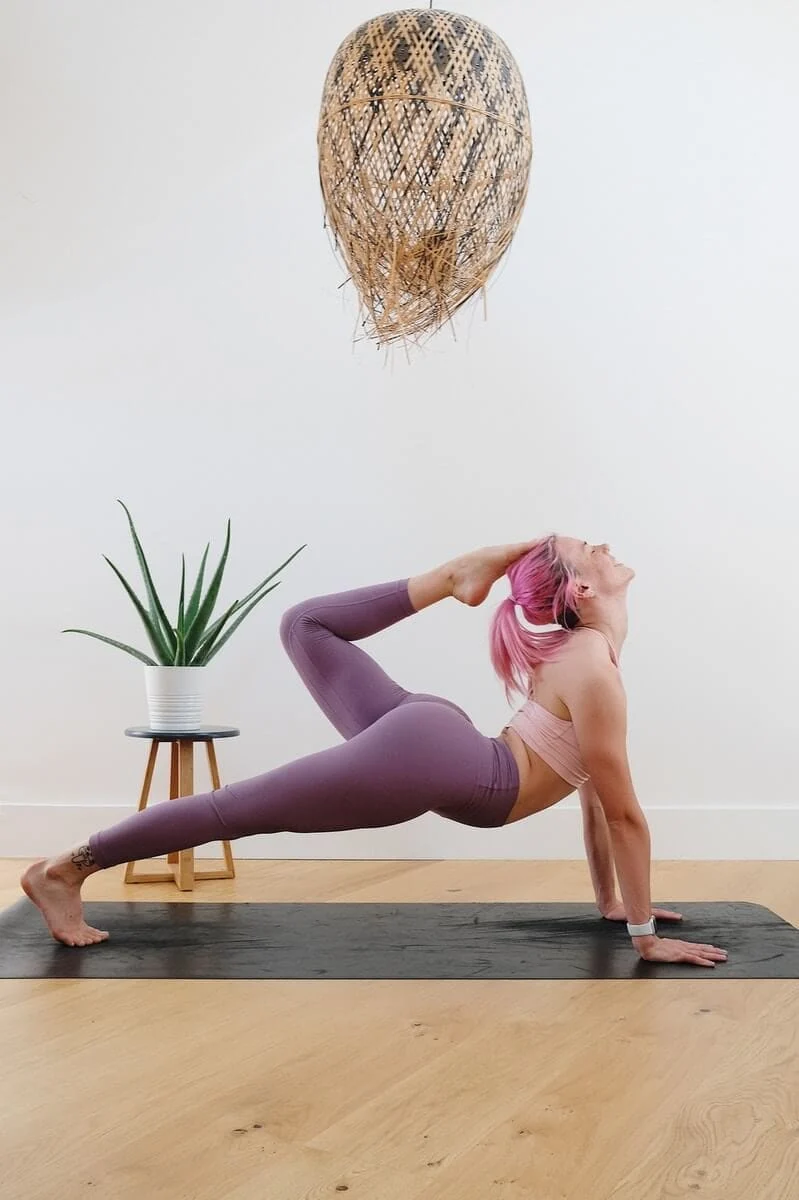
The DoYou Global Yoga Survey 2021, a comprehensive study encompassing over 10,000 respondents from 124 countries, has unveiled compelling insights into the evolving landscape of yoga practice worldwide. Among its most salient findings is a pronounced and growing preference for practicing yoga within the confines of one’s home, a trend that appears to be reshaping the wellness industry. A remarkable 85% of the survey participants indicated that they regularly engage in home-based yoga, signifying a substantial departure from traditional studio-centric models. This significant shift is attributed to a confluence of factors, primarily convenience, affordability, the desire for privacy, and enhanced personal control over one’s practice.
Understanding the Context: The DoYou Global Yoga Survey 2021
Conducted during the unprecedented global health crisis of the COVID-19 pandemic, the DoYou Global Yoga Survey 2021 offers a unique snapshot of a wellness industry in flux. The pandemic, which necessitated widespread lockdowns, social distancing measures, and the closure of many public venues, including yoga studios, undoubtedly acted as a powerful catalyst for the acceleration of home-based fitness routines. While the survey’s findings are undoubtedly influenced by these extraordinary circumstances, they also highlight underlying trends that were already gaining momentum prior to the pandemic. The survey’s broad international reach, encompassing diverse demographics and cultural contexts, lends considerable weight to its conclusions, providing a robust dataset for analysis of global yoga habits.
The Ascendancy of Home Practice: Key Drivers
The survey meticulously identified four primary drivers behind the increasing popularity of home yoga practice: convenience, affordability, privacy, and personal control. These factors collectively paint a picture of modern practitioners seeking flexible, personalized, and accessible wellness solutions that seamlessly integrate into their often-demanding lifestyles.
1. Unparalleled Convenience: Fitting Yoga into Modern Life
Convenience emerged as the most significant motivator, with 71% of home practitioners citing it as a primary reason. In an increasingly fast-paced world, the prospect of navigating traffic, commuting, and adhering to fixed studio schedules can be a considerable deterrent. Home practice eliminates these logistical hurdles entirely. Practitioners can unroll their mats at any time of day or night, whether it’s for an energizing morning flow before work, a quick midday stretch, or a winding-down session before bed. This flexibility is particularly appealing to individuals with demanding professional lives, parental responsibilities, or irregular schedules. The ability to practice without the need for specific attire, or even in one’s pajamas, further underscores the liberating aspect of home yoga. It transforms yoga from a scheduled obligation into an organic part of daily life, making consistent practice more attainable. This aligns with broader consumer trends observed across various sectors, where on-demand services and personalized experiences are increasingly favored over rigid, time-bound commitments.
2. Economic Accessibility: Yoga for Every Budget
Affordability stands as another critical factor, influencing 46% of home practitioners. Traditional yoga studio memberships can represent a substantial financial commitment, often ranging from tens to hundreds of dollars per month, depending on location and studio offerings. When factoring in additional costs such as transportation, specialized attire, and parking, the cumulative expense can become prohibitive for many. The advent of digital platforms has revolutionized access to yoga by offering a spectrum of cost-effective alternatives. Free yoga tutorials proliferate on platforms like YouTube, making high-quality instruction available to anyone with an internet connection. Beyond free content, numerous subscription-based apps and websites offer extensive libraries of classes at a fraction of the cost of studio memberships. This democratization of access ensures that financial constraints no longer pose an insurmountable barrier to engaging in regular yoga practice, fostering greater inclusivity within the global yoga community.
3. The Sanctuary of Privacy: Overcoming Self-Consciousness
For 33% of respondents, the privacy afforded by home practice is a crucial draw. Yoga, while inherently personal, can sometimes be perceived as a performance-oriented activity, especially for beginners or those grappling with body image concerns. The environment of a public studio, with its mirrors, crowded classes, and varying skill levels, can inadvertently foster feelings of self-consciousness, comparison, or even judgment. Practicing at home provides a safe, non-judgmental space where individuals can explore poses, stumble, and experiment without the fear of external scrutiny. This sense of security is particularly valuable for those who are new to yoga, recovering from injuries, or simply prefer a more introspective and uninhibited practice. It allows practitioners to focus solely on their bodies, breath, and inner experience, deepening their connection to the practice without external distractions.
4. Empowering Personal Control: Tailoring the Practice
Over 60% of overall survey respondents emphasized the importance of the instructor and atmosphere to their enjoyment of a class. Home practice empowers individuals to exert complete control over these elements. Practitioners can curate their experience by choosing specific instructors from a vast online pool, selecting class styles that resonate with their current needs (e.g., gentle restorative, vigorous Vinyasa, meditative Hatha), and even controlling the ambiance of their space with music, lighting, and aromatherapy. This level of personalization ensures that every practice session is precisely tailored to their physical, mental, and emotional state on any given day. The ability to pause, rewind, or repeat sections of a class at will further enhances the learning experience, allowing for deeper exploration and mastery of poses. This autonomy contrasts sharply with the fixed curriculum and instructor assignments typical of studio classes, offering a truly bespoke yoga journey.
The Digital Transformation of Yoga: A Chronological Perspective
The trajectory towards home-based yoga has been a gradual yet accelerating process, intrinsically linked to advancements in digital technology.
- Early 2000s: The nascent stages saw a few pioneering instructors offering DVDs or limited online content, primarily as supplementary resources.
- Late 2000s – Early 2010s: The rise of YouTube and personal blogs began to democratize access to yoga instruction. While quality varied, a growing number of practitioners discovered the convenience of following along with videos at home.
- Mid-2010s: Specialized yoga apps and subscription platforms started to emerge, offering structured programs, diverse class libraries, and higher production values. This marked a professionalization of online yoga.
- 2020-2021 (Pandemic Era): The COVID-19 pandemic acted as an unprecedented accelerant. With studios forced to close, millions of practitioners globally migrated online. Existing platforms saw massive surges in subscribers, and many traditional studios rapidly pivoted to offer virtual classes, often via live-streaming. The DoYou Global Yoga Survey 2021, conducted during this period, captures the immediate impact of this mass migration, solidifying home practice as a mainstream option rather than a niche alternative.
This timeline illustrates that while the pandemic significantly amplified the trend, the technological infrastructure and user readiness for digital wellness were already well-established, paving the way for the current paradigm.
The Flip Side: Downsides and Challenges of Exclusive Home Practice
While the advantages of home practice are compelling, the survey also implicitly highlights several critical downsides, particularly when it becomes the sole mode of engagement. These challenges underscore the enduring value of in-person instruction and community.
- Risk of Injury and Form Correction: One of the most significant drawbacks is the lack of immediate, personalized feedback from a trained instructor. When practicing challenging poses or maintaining incorrect alignment, individuals are at an increased risk of injury. An instructor in a studio setting can physically adjust a student, offer verbal cues tailored to their body, and identify subtle misalignments that are impossible to detect through a screen. This is especially crucial for beginners or individuals with pre-existing injuries or chronic conditions, where improper form can exacerbate problems rather than alleviate them.
- Missing Personalized Guidance for Special Needs: For practitioners with specific physical limitations, injuries, or health conditions, the controlled environment of a studio with a knowledgeable instructor is often safer and more beneficial. A trained teacher can offer modifications, prop suggestions, and alternative poses to accommodate individual needs, ensuring a therapeutic and safe practice. This level of personalized care is inherently difficult to replicate in an unsupervised home setting, even with highly detailed online instructions.
- Loss of Community and Shared Energy: Beyond the physical aspects, yoga studios often serve as vital community hubs. The shared energy of a group practice, the camaraderie with fellow practitioners, and the sense of belonging fostered by a common interest contribute significantly to the overall well-being and motivation of many individuals. Practicing exclusively at home, while private, can lead to feelings of isolation and a missed opportunity for the social and emotional benefits derived from collective engagement. Many practitioners report a distinct "mood boost" and heightened motivation from the group dynamic, which is absent in solitary practice.
Industry Reactions and Hybrid Models: Adapting to the New Normal
The dramatic shift towards home practice has compelled the yoga industry, particularly traditional brick-and-mortar studios, to re-evaluate their operational models. Rather than viewing home practice as a direct competitor, many are increasingly embracing a hybrid approach.
- Studio Adaptation: Many studios have invested in high-quality live-streaming capabilities, allowing their existing members and new virtual clients to participate in classes from home. This not only retains current students who may prefer or require home practice but also expands their reach globally.
- Enhanced Online Offerings: Beyond live-streaming, studios and independent instructors are developing comprehensive on-demand libraries, workshops, and even personalized virtual coaching sessions. This allows them to monetize their expertise beyond the physical confines of their studios.
- The "Why Not Do Both?" Philosophy: As highlighted in the survey, a significant number of practitioners now enjoy a blend of both home and studio practice. This allows for increased scheduling flexibility – attending a studio class for the community and expert guidance when possible, and practicing at home for convenience on other days. Industry experts suggest that the future of yoga lies in this integrated approach, where practitioners are empowered to choose the mode of practice that best suits their needs at any given moment.
- Focus on Niche Experiences: Studios are also focusing on offering unique in-person experiences that cannot be replicated online, such as specialized workshops, retreats, teacher training programs, and community events, thereby reinforcing their value proposition.
Broader Impact and Implications for the Future of Yoga
The findings of the DoYou Global Yoga Survey 2021 have profound implications for the trajectory of yoga as a global wellness practice.
- Increased Accessibility and Democratization: The rise of home practice, especially through free and affordable online resources, has significantly broadened access to yoga for populations previously excluded due to geography, finances, or social anxieties. This widespread accessibility is likely to fuel continued growth in the number of yoga practitioners globally.
- Evolution of Instructor Training: The demand for online content necessitates a different skill set for instructors. Beyond teaching physical poses, they must also master virtual communication, camera presence, and the ability to convey alignment cues effectively without direct physical interaction. Teacher training programs are beginning to integrate modules on digital content creation and virtual instruction.
- Innovation in Digital Wellness Technology: The trend is driving further innovation in fitness technology, from AI-powered form correction apps to interactive virtual reality yoga experiences, promising even more immersive and personalized home practice options.
- Redefinition of "Community": While physical communities remain vital, online platforms are also fostering new forms of digital yoga communities, where practitioners connect, share experiences, and offer mutual support across geographical boundaries.
- Long-Term Sustainability for Studios: Studios that successfully adapt to the hybrid model, offering compelling in-person experiences alongside robust online offerings, are best positioned for long-term sustainability in this evolving landscape. Those that fail to innovate risk being left behind.
In conclusion, the DoYou Global Yoga Survey 2021 offers a compelling narrative of adaptation and evolution within the yoga world. While the COVID-19 pandemic undoubtedly accelerated the shift, the underlying drivers of convenience, affordability, privacy, and control represent fundamental shifts in consumer behavior that predate the crisis. The future of yoga appears to be a dynamic ecosystem where home practice and studio engagement coexist, offering practitioners unparalleled flexibility and personalization in their wellness journeys. The challenge and opportunity for the yoga industry lie in harmonizing these modalities to create a more inclusive, accessible, and sustainable practice for all.

