

The landscape of North American travel has undergone a seismic shift over the last decade, with recreational vehicle (RV) camping evolving from a niche retirement pastime into a multi-billion-dollar pillar of the hospitality industry. At the center of this transformation is Kampgrounds of America, Inc. (KOA), a franchise-based system that has defined the standardized camping experience since its inception in the early 1960s. With more than 500 locations spanning the United States and Canada, KOA represents the largest network of privately owned campgrounds in the world. As the RV Industry Association (RVIA) reports that over 11 million American households now own an RV, the demand for reliable, full-service infrastructure has reached unprecedented levels. This report examines the operational structure, historical significance, and modern amenities of the KOA system, providing an analytical look at how the organization facilitates outdoor recreation for millions of travelers annually.
The Historical Trajectory of Kampgrounds of America
The origins of KOA are rooted in the 1962 World’s Fair in Seattle. Dave Drum, a businessman in Billings, Montana, recognized that travelers heading west across the Great Plains required a consistent and reliable place to stay. Drum transformed his property along the Yellowstone River into a campground, offering hot showers, clean restrooms, and a small store—amenities that were rarely found together in public campgrounds at the time. Charging $1.75 per night, the venture was an immediate success.
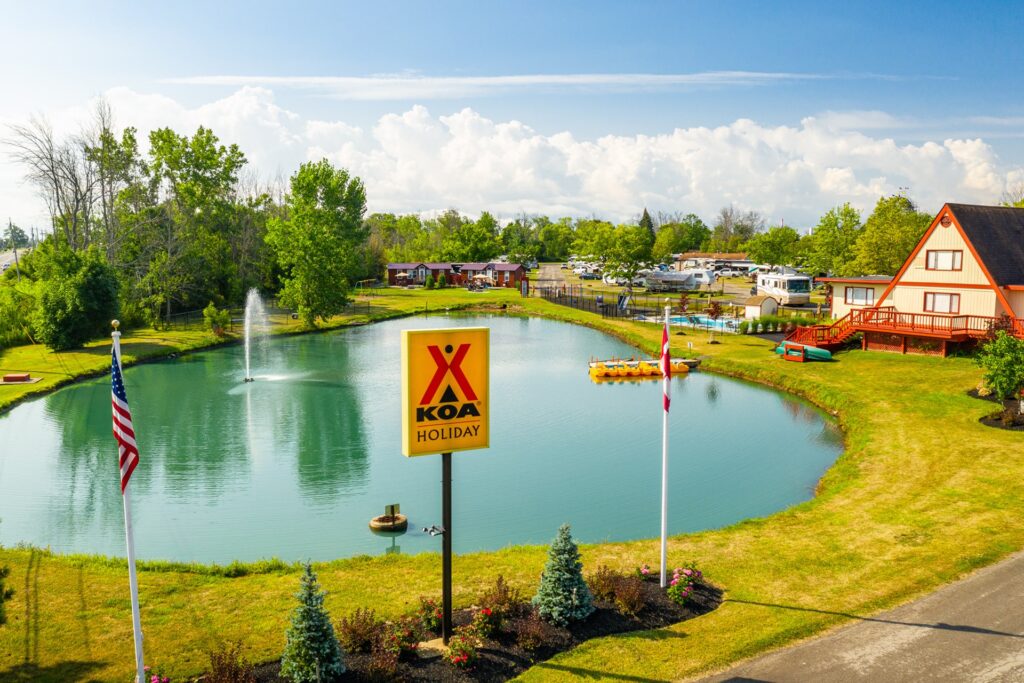
By 1963, Drum and his partners began franchising the concept, a revolutionary move in the outdoor hospitality sector. This allowed for rapid expansion across North America. Over the ensuing six decades, KOA navigated various economic cycles, including the oil crises of the 1970s and the recent post-pandemic surge in domestic travel. Today, the "Yellow Sign" has become a cultural icon, representing a standardized level of quality that serves as a benchmark for the private campground industry.
Market Demographics and the Contemporary RV Boom
Data from the RVIA’s 2024 demographic profiles indicate that the RV community is becoming younger and more diverse. While the traditional "Snowbird" demographic—retirees traveling south for the winter—remains a core segment, there has been a 62% increase in RV ownership among millennials and Gen Z since 2017. Currently, approximately 8.1 million households own an RV, while an additional 16.9 million individuals express a firm intent to purchase or rent a rig within the next five years.
This surge is driven by several factors, including the rise of remote work, which allows "digital nomads" to operate from campsites with reliable Wi-Fi, and a growing societal emphasis on wellness. Scientific research consistently links time spent in natural environments with reduced cortisol levels and improved circadian rhythms. KOA has strategically positioned its facilities to capitalize on these trends, transitioning from basic overnight stops to full-service "outdoor resorts."
Operational Categorization: Journey, Holiday, and Resort Models
To manage consumer expectations and provide specialized services, KOA reorganized its 500+ locations into three distinct categories. This segmentation allows travelers to select a destination based on the intent of their trip.
KOA Journey
Designed specifically for the "Cross-Country Voyager," KOA Journey locations are typically situated near major highways. These sites prioritize efficiency and ease of access. Key features include:
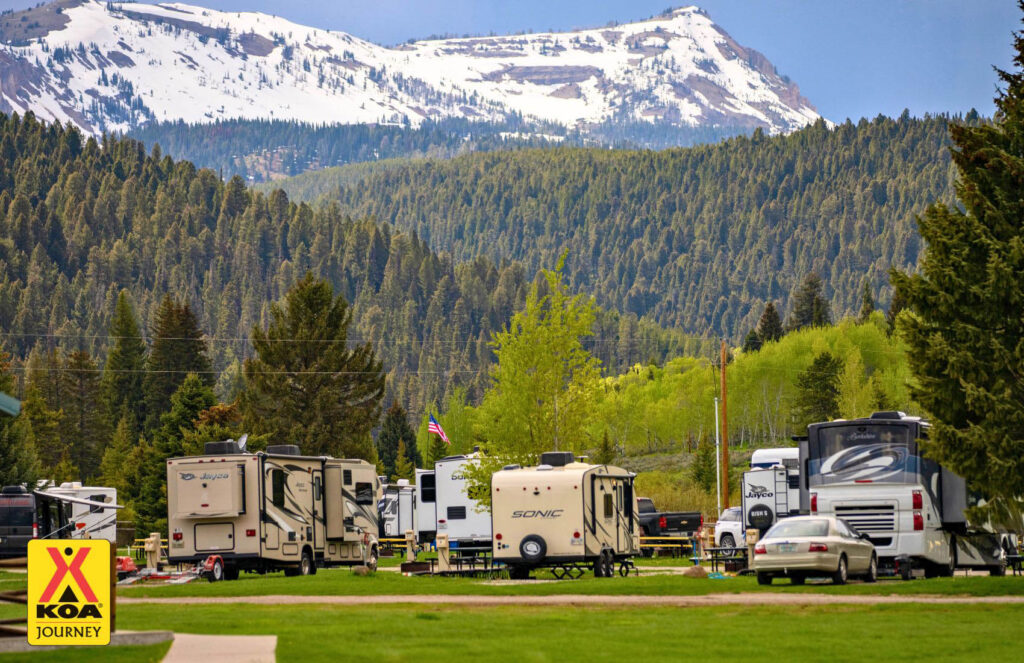
- Pull-through sites: Long, wide berths that allow large motorhomes to enter and exit without the need for complex backing maneuvers.
- Late-night check-in: Streamlined services for travelers arriving after standard business hours.
- Premium infrastructure: Well-lit environments with high-capacity fuel stations often located nearby.
KOA Holiday
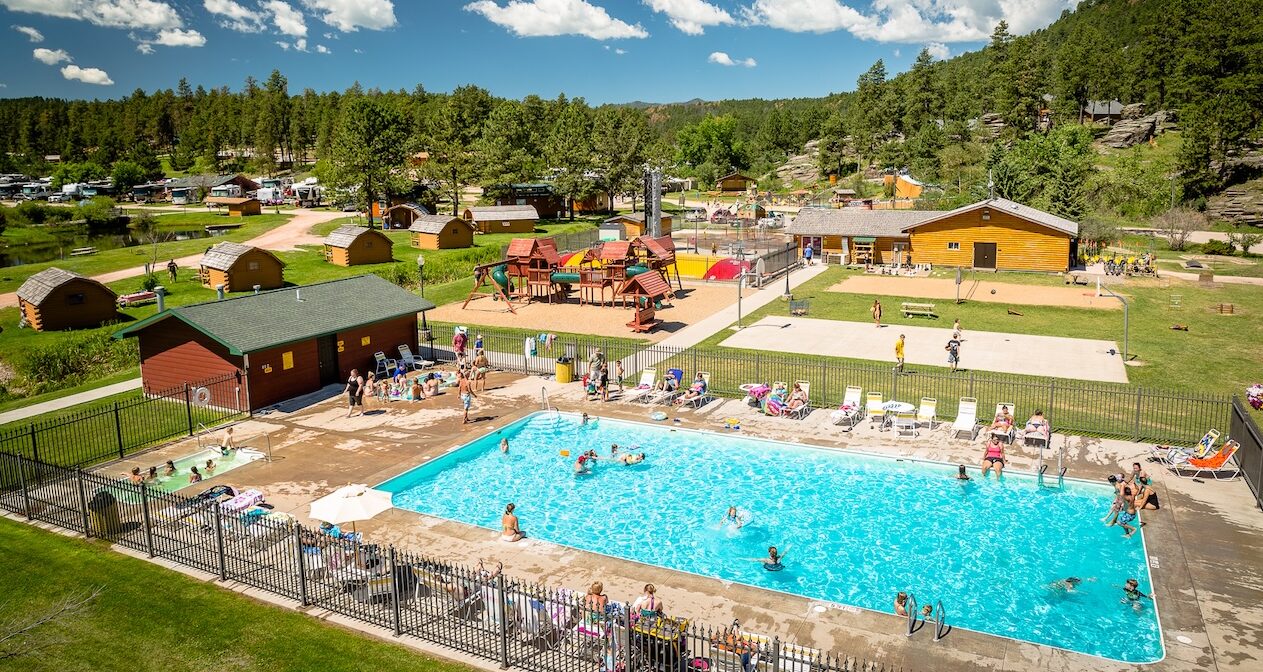
Positioned as a base camp for regional exploration, the Holiday model caters to "The Weekend Warrior" and "The Family Vacationer." These campgrounds are usually located near major attractions, such as National Parks or historical landmarks. They offer expanded amenities, including:
- Deluxe Cabins: For groups traveling with non-RV owners.
- Organized Activities: Scheduled events for children and families.
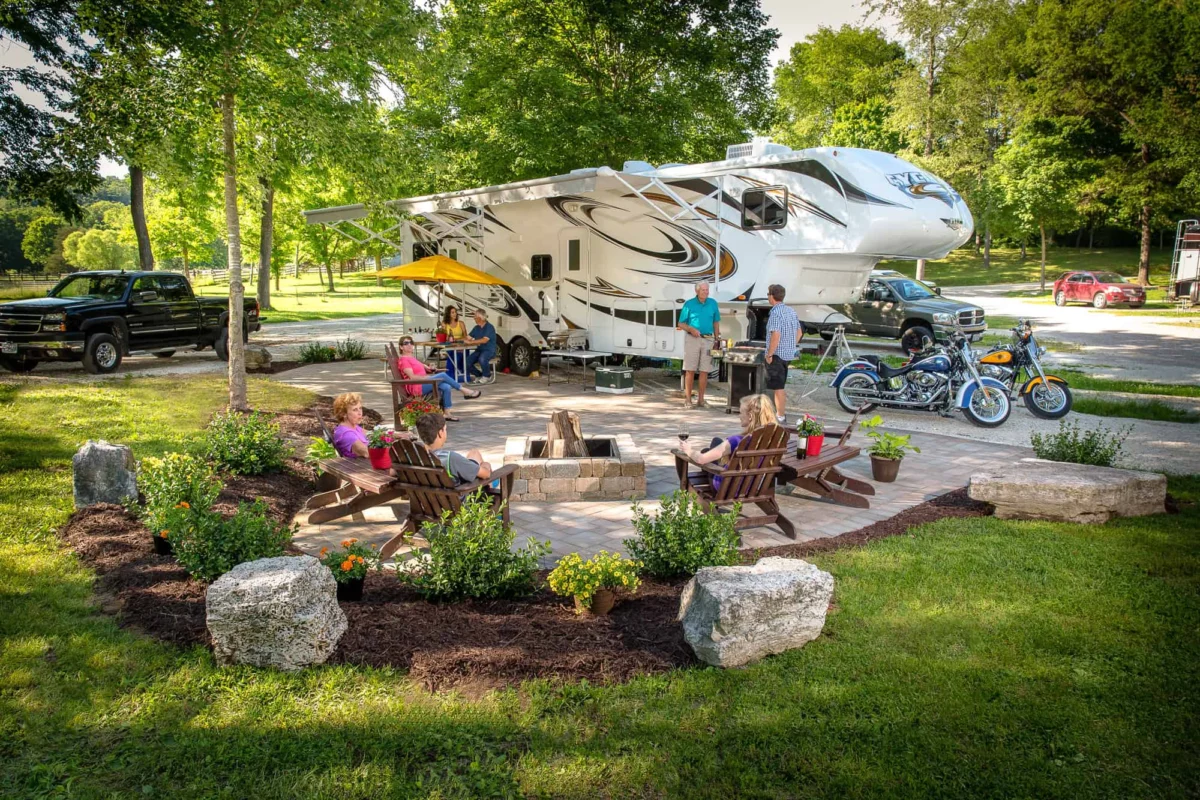
- Enhanced Outdoor Spaces: Large patios and communal fire pits.
KOA Resort
The Resort model represents the pinnacle of the KOA system, often serving as the primary destination for "The Snowbird" or long-term travelers. These facilities compete directly with traditional high-end resorts and include:
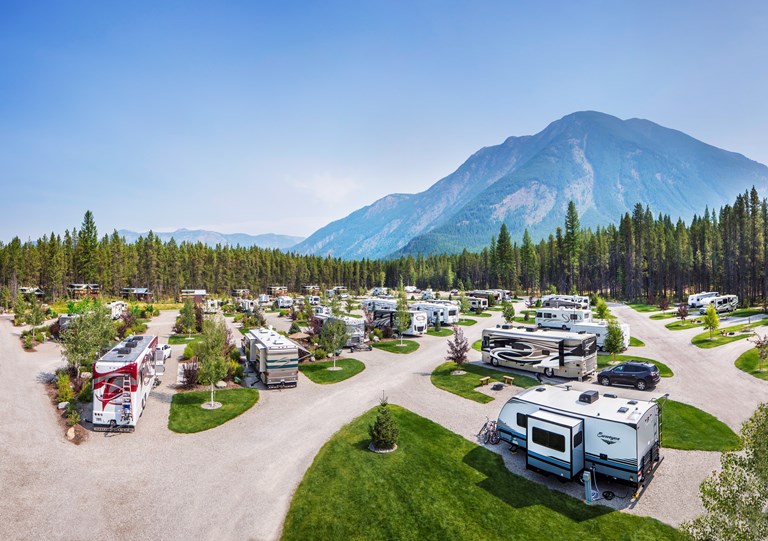
- On-site Dining: Many resorts feature cafes or snack bars.
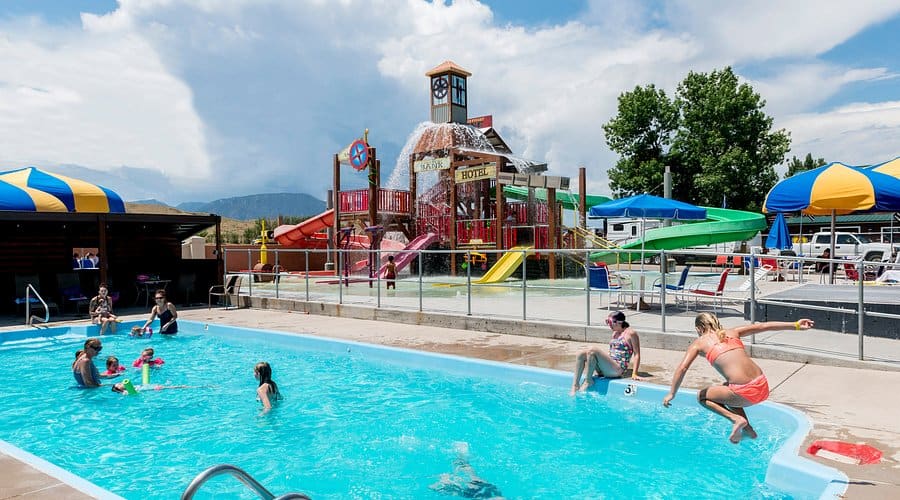
- Extensive Recreation: Swimming pools, mini-golf, bike rentals, and sometimes even water parks.
- Concierge Services: Staffed desks to assist with local tour bookings and transportation.
Infrastructure and Technical Specifications
A critical component of the KOA value proposition is its technical infrastructure, specifically regarding "hookups." For modern RVers, the availability of utility connections is often the deciding factor in site selection.
The Hookup Spectrum
- Full Hookups: This includes three essential connections: electricity (ranging from 20 to 50 amps), pressurized city water, and a sewer connection for waste disposal. This allows for a "home-like" experience where appliances and plumbing function continuously.
- Partial Hookups: Typically provides water and electricity but lacks a sewer connection at the individual site. These campgrounds provide centralized "dump stations" for waste management.
- Dry Camping/No Hookups: While less common at KOA, some sites offer primitive spaces for van lifers or those with robust solar power systems who prefer a more traditional camping atmosphere.
Site Architecture
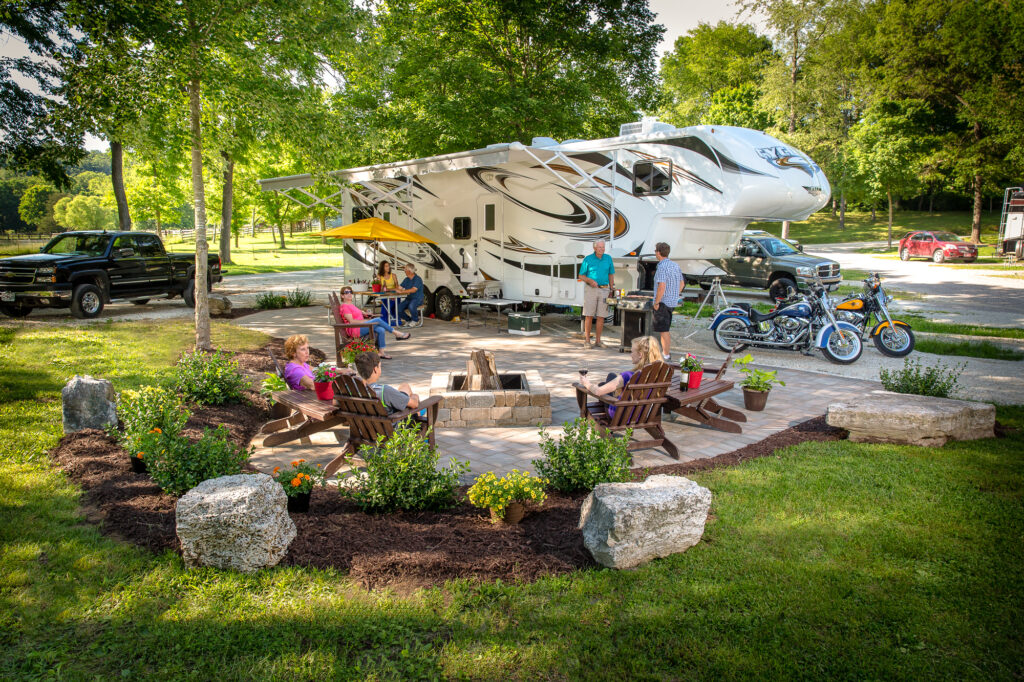
KOA has pioneered the "KOA Patio" site, an upgraded RV pitch that includes a leveled concrete or paved pad, high-end outdoor furniture, and a dedicated fire ring. This addresses the growing demand for "Glamping" (glamorous camping), where the outdoor experience is paired with luxury-level comfort. Furthermore, the network accommodates rigs of all sizes, with specific engineering to support 45-foot Class A motorhomes, which require significant turning radii and heavy-duty surface stability.
The Evolution of Pet-Friendly Travel: KampK9 and Paw Pens
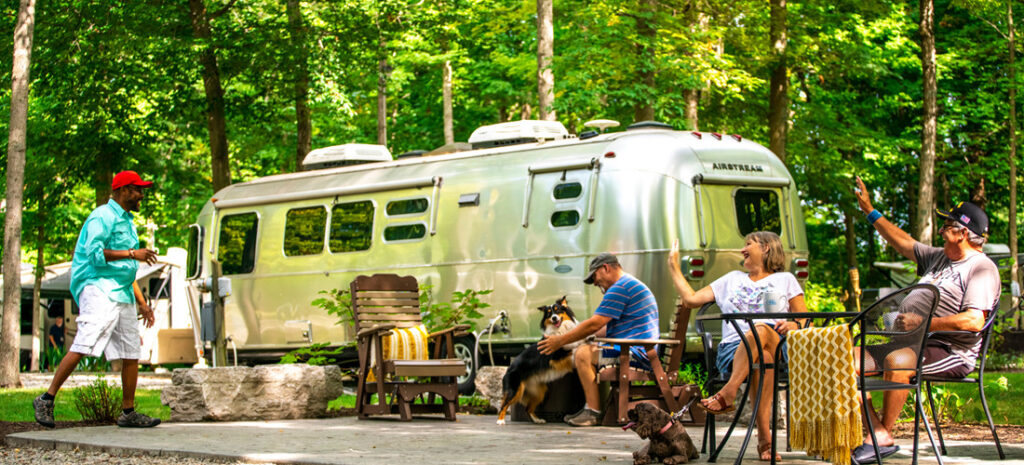
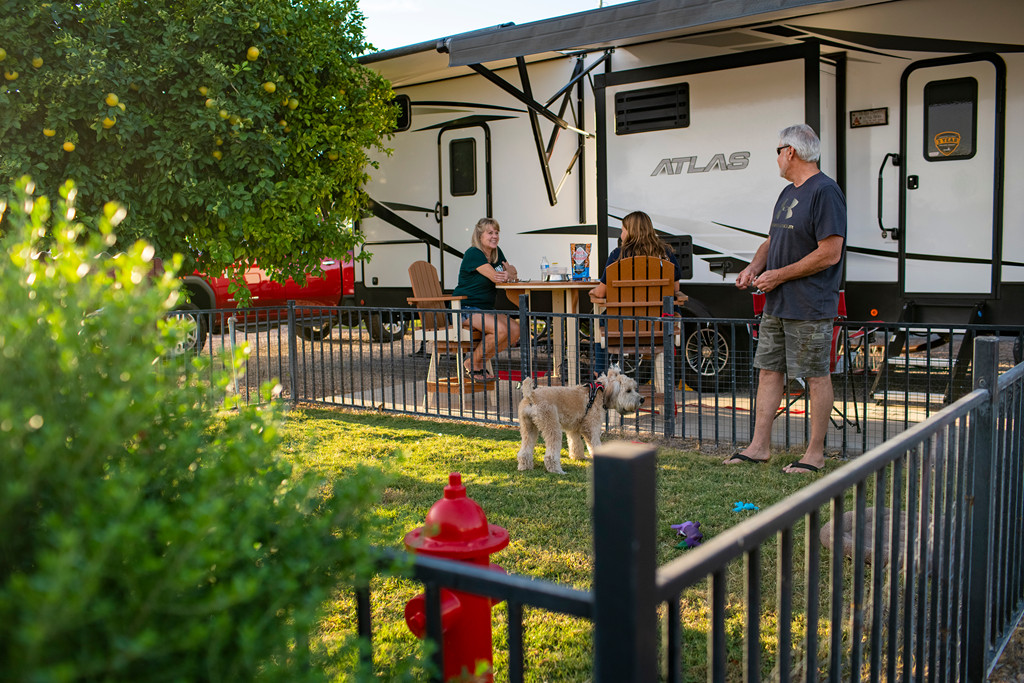
Industry surveys indicate that 43% of RVers travel with pets, primarily dogs. Recognizing this, KOA has integrated pet-specific infrastructure into its standard operating procedures. The "KampK9" initiative ensures that every location features a fenced, off-leash park with fresh water and disposal stations.
In a recent innovation, KOA introduced "Paw Pen" sites. These are individual RV sites that include a private, fenced-in area directly attached to the pitch. This allows pet owners to let their dogs outdoors without the need for constant leashing, a feature that has seen high adoption rates and positive feedback in guest satisfaction surveys.
Economic Impact and the Loyalty Ecosystem
The economic footprint of KOA extends beyond simple campsite rentals. The organization utilizes a transparent, real-time booking engine that eliminates the hidden fees often associated with the hotel industry. This digital transformation has been essential in maintaining market share against emerging competitors and peer-to-peer rental platforms.
The KOA Rewards Program
The organization’s loyalty program serves as a significant driver of repeat business. Members pay an annual fee to receive:
- Direct Discounts: A 10% reduction in nightly stay rates.
- Point Accumulation: A system where points earned can be redeemed for future free nights.
- Partner Perks: Discounts on RV rentals, equipment, and roadside assistance.
From a business analysis perspective, this program provides KOA with a massive data set on traveler habits, allowing for targeted marketing and strategic expansion into underserved geographic regions.
Analysis of Implications for the Travel Industry
The continued growth of the KOA network suggests a long-term shift in how North Americans view domestic tourism. The "outdoor hospitality" sector is no longer viewed as a lower-cost alternative to hotels, but rather as a preferred lifestyle choice. The implications of this are three-fold:
- Infrastructure Pressure: As RVs become more technologically advanced, campgrounds must invest heavily in high-speed fiber-optic internet and increased electrical grid capacity to support the power demands of modern rigs.
- Environmental Stewardship: With 500+ locations, KOA’s policies on waste management, water conservation, and "Leave No Trace" principles have a significant impact on local ecosystems. The organization has increasingly moved toward sustainable practices, including solar-powered facilities and eco-friendly cleaning supplies.
- Economic Resilience: The RV industry has historically shown resilience during economic downturns. When international air travel becomes prohibitively expensive or logistically complex, domestic RV travel typically sees an uptick, positioning KOA as a stable player in the broader travel market.
Conclusion and Future Outlook
As Kampgrounds of America moves further into its seventh decade, the organization remains a dominant force by balancing its heritage of "yellow-shirt" hospitality with aggressive technological and infrastructural upgrades. For the millions of current and aspiring RVers, the network provides the necessary safety net of consistency in an inherently unpredictable outdoor environment.
Looking forward, the industry anticipates a shift toward electric RVs (eRVs), which will require KOA to implement high-speed charging stations at individual sites. Additionally, as the line between work and play continues to blur, the demand for "work-from-camp" amenities will likely dictate the next phase of campground evolution. By maintaining a diverse portfolio of Journey, Holiday, and Resort locations, KOA is well-positioned to remain the primary facilitator of the North American road trip for generations to come.

