

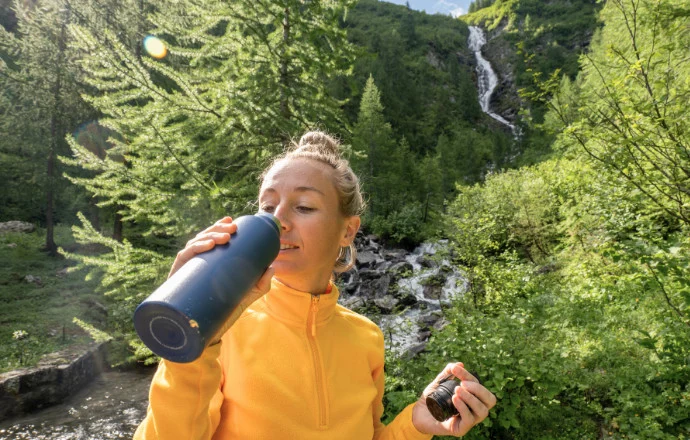
The global tourism industry, which accounts for approximately 10% of global GDP, has long struggled with a persistent environmental paradox: the massive consumption of single-use plastic water bottles by travelers seeking to avoid waterborne illnesses. As international travel returns to pre-pandemic levels, reaching an estimated 1.5 billion arrivals annually, the pressure on local waste management systems—particularly in developing nations—has intensified. For the modern traveler, the choice between health safety and environmental stewardship is no longer a simple personal preference but a significant component of global sustainability efforts.
The fundamental challenge lies in the disparity of global municipal water infrastructure. While the World Health Organization (WHO) has established the Guidelines for Drinking-water Quality (GDWQ) as a worldwide barometer, the implementation of these standards varies wildly based on national wealth, geological factors, and historical investment in filtration technology. Consequently, travelers often default to bottled water, contributing to a global crisis where over one million plastic bottles are purchased every minute, only a fraction of which are ever recycled.

The Biological Reality of Waterborne Pathogens
To understand the risks associated with tap water, one must look beyond the binary of "clean" versus "dirty." Most municipal water sources in the developed world are treated to eliminate pathogens, but "safe" is a relative term in microbiology. A traveler’s gastrointestinal tract is colonized by a specific biome of bacteria. When exposed to foreign microorganisms—even those that do not affect the local population—the immune system may react aggressively.
Traveler’s Diarrhea (TD) remains the most common travel-related illness, affecting between 30% and 70% of travelers depending on the destination and season. While often categorized as a minor inconvenience, TD can lead to severe dehydration and secondary infections. The primary culprits are enteric plastic-borne bacteria such as Escherichia coli (E. coli), Salmonella, and Shigella. Beyond bacteria, protozoan parasites like Giardia duodenalis and Cryptosporidium pose more resilient threats, as they are often resistant to standard chlorine treatments used in many municipal systems.
In regions with aging infrastructure, the risk is not always at the source but in the delivery. Lead pipes, cross-contamination with sewage systems, and biofilm buildup in storage tanks can contaminate water that was technically safe when it left the treatment plant. This complexity necessitates a nuanced approach to water consumption that goes beyond simply looking at a country’s economic status.

A Geographic Analysis of Water Safety Standards
The Centers for Disease Control and Prevention (CDC) and the WHO maintain rigorous databases on water safety, which serve as the primary resource for international health advisories.
Regions of High Safety Confidence
In the following regions, municipal tap water is generally treated with advanced filtration, UV sterilization, and chemical disinfection, making it safe for direct consumption:
- North America: The United States and Canada maintain some of the strictest water quality regulations in the world under the Safe Drinking Water Act and similar provincial mandates.
- Western and Northern Europe: Countries such as Switzerland, Norway, and Germany are global leaders in water purity. Switzerland, in particular, sources much of its water from natural springs and groundwater, requiring minimal chemical intervention.
- The European Union: Most EU member states adhere to the EU Drinking Water Directive, which was recently updated in 2020 to include stricter standards for endocrine disruptors and microplastics. This includes nations like France, Spain, Italy, and the Nordic countries.
- Asia-Pacific: Japan, South Korea, Singapore, and Hong Kong represent the gold standard for urban water management in Asia. Australia and New Zealand also provide highly regulated tap water across their territories.
- Middle East: Israel has invested heavily in desalination and advanced filtration, making its tap water safe for consumption.
Regions Requiring Caution
In much of the "Global South," including large portions of Africa, Central and South America, and Southeast Asia, travelers are advised to avoid tap water. The issues here are multifaceted:

- Mexico and Central America: Despite modernization in tourist hubs like Cancun or Mexico City, the consistency of water treatment remains a concern. The "Cutzamala System" in Mexico, while an engineering marvel, faces significant challenges with contamination and aging pipes.
- The Indian Subcontinent: In countries like India and Bangladesh, rapid urbanization has outpaced the development of water treatment infrastructure. High levels of arsenic in groundwater and industrial runoff further complicate tap water safety.
- Southeast Asia: While Thailand and Vietnam have made strides in urban water quality, rural areas remain high-risk zones for waterborne parasites.
The Environmental Toll: Data and Implications
The environmental case for skipping bottled water is supported by staggering data. According to a report by the United Nations University Institute for Water, Environment and Health, the global bottled water market grew by 73% between 2010 and 2020. This growth has come at a steep ecological price.
- Recycling Failure: Despite the ubiquity of recycling symbols on PET (Polyethylene terephthalate) bottles, the OECD reports that only 9% of plastic waste is successfully recycled globally. The remainder ends up in landfills (19%), is incinerated (50%), or leaks into the environment (22%).
- Carbon Intensity: The production of bottled water is significantly more carbon-intensive than tap water. It requires fossil fuels for the plastic resin, energy for the bottling process, and massive amounts of fuel for global shipping.
- Water Inefficiency: Ironically, it takes approximately three liters of water to produce just one liter of bottled water, considering the cooling and filtration processes required in manufacturing.
Environmental NGOs, including Greenpeace and the World Wildlife Fund (WWF), have frequently pointed out that the "safety" of bottled water is often a marketing triumph rather than a scientific one. In many developed nations, tap water is tested more frequently and for a wider array of contaminants than the bottled water industry is required to report.
Technological Solutions for the Sustainable Traveler
For travelers visiting regions where tap water is unsafe, the historical solution was to purchase "factory-sealed" bottles. However, the 21st century has seen a surge in portable purification technologies that allow travelers to treat water on the go, effectively neutralizing the need for plastic.

Mechanical Filtration
Modern portable filters, such as those utilizing hollow fiber membranes, can remove 99.999% of bacteria and protozoa. The "absolute pore size" is the critical metric here; a filter with a 0.1-micron rating is sufficient to block most pathogens, though it will not stop viruses, which are smaller.
Ultraviolet (UV) Sterilization
Devices like the SteriPEN use UV-C light to disrupt the DNA of microorganisms, rendering them unable to reproduce. This technology is highly effective against viruses, bacteria, and protozoa. Its primary limitation is "turbidity"—if the water is cloudy with sediment, the UV rays cannot penetrate effectively.
Chemical Disinfection and Boiling
Boiling remains the most foolproof method of purification, recommended by the WHO for its ability to kill all classes of pathogens. However, it is energy-intensive and impractical for transit. Chemical tablets (Chlorine Dioxide or Iodine) are lightweight and effective but often impart a chemical taste and require a "contact time" of 30 minutes to four hours to be fully effective.

Broader Impact: The Shift Toward Circular Tourism
The travel industry is currently undergoing a "green transition." Major hotel chains, including Marriott and Hilton, have committed to removing single-use plastics from their properties. Many luxury resorts in the Maldives and Southeast Asia have installed on-site desalination and glass-bottling plants to provide guests with safe, plastic-free water.
Furthermore, the "Refill My Bottle" movement—a community-led initiative—has mapped thousands of water refill stations across Asia, encouraging travelers to use reusable stainless steel or BPA-free plastic containers. These systemic changes suggest a future where the burden of sustainability is shared between the traveler and the destination’s infrastructure.
Conclusion and Future Outlook
The dilemma of tap water versus bottled water abroad is a microcosm of the broader struggle for global environmental health. While the safety of the traveler must remain paramount, the data suggests that the reliance on single-use plastics is an unsustainable solution to a manageable problem.

By conducting pre-trip research into local water standards and investing in portable purification technology, travelers can significantly reduce their ecological footprint. As global infrastructure continues to modernize, the list of "safe" countries is expected to grow. Until then, the marriage of high-tech filtration and conscious consumption remains the most effective path toward a healthier planet and a safer journey. The transition from a "disposable" travel culture to a "circular" one is not merely an option; it is a necessity for the preservation of the very destinations travelers seek to explore.

