

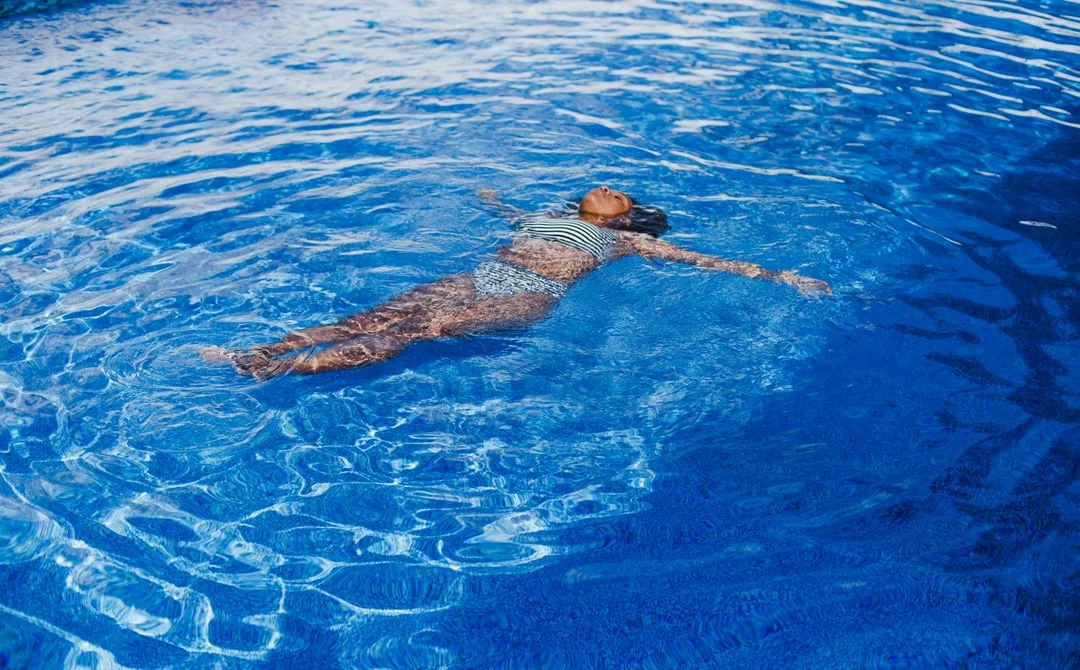
While traditional running remains a cornerstone of cardiovascular fitness and weight management for millions globally, its high-impact nature increasingly presents challenges, particularly as individuals age or contend with pre-existing physical conditions. The repetitive pounding on hard surfaces, while undeniably effective for cardiac conditioning, carries an elevated risk of musculoskeletal injuries, including but not limited to patellofemoral pain syndrome (runner’s knee), iliotibial band syndrome (ITBS), shin splints, plantar fasciitis, and even more severe issues such as stress fractures and hip degeneration. For those experiencing these adverse effects, or nursing injuries that impede energetic movement, a compelling alternative has emerged from the realms of sports medicine and rehabilitative therapy: water running, commonly known as aqua jogging. This innovative cross-training methodology allows for robust muscular engagement and cardiovascular benefits without the detrimental impact forces typically associated with land-based locomotion, offering a unique pathway to fitness and recovery.
The inherent biomechanics of terrestrial running involve forces equivalent to two to three times an individual’s body weight being absorbed by the joints and connective tissues with each stride. Over years, this cumulative microtrauma can lead to degenerative changes, particularly in cartilage and bone density. Age-related physiological shifts, such as decreased elasticity in ligaments and tendons, reduced muscle mass (sarcopenia), and altered gait patterns, exacerbate this vulnerability. According to a meta-analysis published in the British Journal of Sports Medicine, up to 79% of runners experience an injury at least once a year, with the knee being the most commonly affected joint. For many, this necessitates a reduction in activity or even complete cessation of running, leading to a potential decline in fitness and overall well-being. It is against this backdrop of persistent injury risk that aqua jogging offers a scientifically supported and physiologically sound solution.
Understanding the Hydrodynamic Advantage of Aqua Jogging
Aqua jogging fundamentally reconfigures the exercise environment by leveraging the unique properties of water. The primary principle at play is buoyancy, which effectively counteracts gravity, reducing the load on joints by as much as 85-90% when an individual is fully submerged up to the neck. This dramatically minimizes impact stress on the knees, hips, ankles, and spine. Simultaneously, water’s viscosity provides a consistent, multi-directional resistance that engages muscles more comprehensively than air resistance alone. Unlike traditional running where resistance is predominantly against forward motion, water resistance acts on all surfaces of the body as it moves, forcing muscles to work harder through a full range of motion. This dual benefit of reduced impact and increased resistance makes aqua jogging an exceptionally efficient and safe form of exercise.
The concept of using water for therapeutic exercise dates back to ancient civilizations, but its application in modern sports science, particularly for mimicking land-based running, gained prominence in the late 20th century. Initially adopted by elite athletes for rehabilitation from severe injuries or as a low-impact cross-training tool during high-volume training cycles, aqua jogging gradually transitioned into mainstream fitness and physical therapy protocols. Its effectiveness was underscored by early studies demonstrating that deep-water running could elicit similar cardiovascular responses to land running, without the associated orthopedic stress. This background context highlights its evolution from a niche athletic recovery technique to a widely recognized and recommended exercise modality.
The Scientific Basis: Cardiovascular Efficacy and Muscular Engagement
Numerous studies have substantiated the physiological benefits of aqua jogging. A pivotal 2003 study on deep-water running, published in the Journal of Strength and Conditioning Research, demonstrated that participants could achieve significant cardiovascular activity, characterized by elevated heart rates and oxygen consumption, comparable to land-based running. The study highlighted that while heart rates might be slightly lower in water due to hydrostatic pressure aiding venous return and reducing cardiac strain, the perceived exertion and energy expenditure are substantial. This indicates that aqua jogging is not merely a gentle recovery method but a legitimate tool for enhancing aerobic capacity.
The unique resistance profile of water further contributes to muscular development. Every movement against water requires active engagement of both agonist and antagonist muscle groups to maintain control and propulsion. For instance, the upward motion of the leg (hip flexion) is resisted, as is the downward thrust (hip extension). This concentric and eccentric muscle engagement, occurring without the high-force impact of ground contact, helps to build balanced strength around joints, improving stability and reducing injury risk in the long term. Moreover, the hydrostatic pressure of water can assist in reducing swelling and improving circulation, which is particularly beneficial for post-exercise recovery and rehabilitation from edema-related conditions. The thermoregulatory properties of water also allow for prolonged exercise sessions, especially in hot climates, as the body dissipates heat more efficiently, preventing overheating and improving exercise tolerance.
Optimal Techniques for Effective Aqua Jogging
Mastering aqua jogging involves specific techniques to maximize its benefits. The primary goal in deep water is to mimic a natural running motion without touching the bottom of the pool, thereby eliminating impact. A flotation belt, worn around the waist, is crucial for maintaining an upright, buoyant position, allowing the individual to focus on form rather than staying afloat.
- Posture and Alignment: Maintain an upright torso, with a slight forward lean, similar to land running. Engage the core muscles to stabilize the pelvis and spine. Avoid slumping or hunching over, as this can compromise breathing mechanics and reduce the effectiveness of leg movements.
- Arm Action: Arms should move naturally, with elbows bent at approximately 90 degrees, swinging forward and backward from the shoulders, just as they would on a treadmill or track. The hands can be slightly cupped to push against the water, adding a minor propulsive element and increasing upper body engagement.
- Leg Drive: Focus on a high knee drive, bringing the thigh parallel to the pool floor, followed by a powerful downward and backward push with the foot, mimicking a full running stride. Emphasize a full range of motion at the hip, knee, and ankle. The foot should move through a full dorsiflexion and plantarflexion, engaging the calf muscles against water resistance.
- Foot Strike Simulation: While there’s no "ground contact," visualize a mid-foot strike, bringing the foot directly under the hip rather than reaching out with the heel. This promotes an efficient and biomechanically sound running pattern that can translate back to land running.
- Breathing: Maintain a steady, rhythmic breathing pattern, coordinating it with your arm and leg movements. The hydrostatic pressure on the chest can initially make breathing feel more challenging, but the body quickly adapts.
Structuring Your Aqua Jogging Workouts
To achieve significant cardiovascular and strength benefits, aqua jogging workouts should be structured with intensity and progression in mind. A typical session might include:
- Warm-up (5-10 minutes): Gentle aqua jogging, followed by dynamic stretches performed in the water (e.g., leg swings, arm circles).
- Main Set (20-45 minutes, progressing over time):
- Interval Training: Alternate periods of high-intensity aqua jogging (e.g., 5 minutes at a challenging pace, where conversation is difficult) with recovery periods (e.g., 1 minute of gentle jogging or active rest). Repeat this cycle 3-6 times. Gradually increase the duration of the high-intensity segments or reduce recovery time.
- Tempo Runs: Maintain a consistently challenging pace for a longer duration (e.g., 20-30 minutes), focusing on sustained effort.
- Fartlek (Speed Play): Incorporate spontaneous changes in pace and intensity, perhaps sprinting for the length of the pool, then jogging, then moderate effort.
- Cool-down (5-10 minutes): Gradual reduction in intensity, followed by static stretches performed against the water’s resistance, gently stretching major muscle groups.
For runners looking to maintain specific training paces, it’s important to understand that perceived exertion in water may differ from land. Using a waterproof heart rate monitor can provide objective feedback. The goal is to elevate the heart rate to a target zone comparable to a steady dry-land jog. Over time, as technique and stamina improve, aqua jogging will become more fluid and enjoyable.
Essential Equipment and Advanced Training Tools
The basic requirements for aqua jogging are minimal: a swimsuit and access to a deep-water pool. However, specific equipment can significantly enhance the experience and effectiveness:
- Flotation Belt (Aqua Belt): This is the most critical piece of equipment for deep-water running. It keeps the upper body afloat and upright, allowing the legs to move freely and mimic running motions without touching the bottom. Belts come in various designs and materials, with adjustable straps for a secure and comfortable fit.
- Water Shoes: While optional, water shoes can provide better grip on pool surfaces, protect the feet, and add a minimal amount of resistance, enhancing sensory feedback.
- Waterproof Heart Rate Monitor/Watch: Essential for tracking intensity and duration, especially for athletes following specific training zones.
- Resistance Tools for Intensification: Once basic technique is mastered and fitness levels improve, various accessories can be introduced to increase the workout’s intensity and target specific muscle groups:
- Hand Paddles or Webbed Gloves: Increase resistance for upper body and arm propulsion.
- Ankle Weights or Cuffs: Add resistance to leg movements, intensifying quadriceps, hamstrings, and glute engagement. These should be used cautiously and progressively to avoid strain.
- Aqua Dumbbells or Bells: Used for upper body strength and core stability exercises, enhancing the overall body workout.
Broader Applications and Beneficiary Groups
The versatility of aqua jogging extends its benefits to a wide spectrum of individuals, moving beyond just injured runners.
- Rehabilitation and Injury Recovery: This is perhaps its most celebrated application. Physical therapists frequently prescribe aqua jogging for individuals recovering from orthopedic surgeries (e.g., knee or hip replacements, ACL reconstruction), stress fractures, Achilles tendonitis, or chronic conditions like osteoarthritis. The buoyant environment facilitates early movement and strengthening without compromising healing tissues.
- Aging Population: For seniors, aqua jogging provides a safe and effective way to maintain cardiovascular health, muscular strength, balance, and flexibility without the joint pain often associated with land-based exercise. It helps combat sarcopenia and maintain bone density, crucial for preventing falls and maintaining independence.
- Cross-Training for Athletes: Elite and recreational athletes across various disciplines (not just runners) utilize aqua jogging as a vital cross-training tool. It allows them to maintain or even improve cardiovascular fitness, enhance muscle endurance, and refine running mechanics without adding impact stress, thereby preventing overtraining and extending athletic careers. It’s an excellent way to add volume to training without the cumulative wear and tear.
- Weight Management: The combination of cardiovascular demand and resistance training in water contributes to significant calorie expenditure and muscle toning. The increased muscle mass, in turn, boosts basal metabolic rate, aiding long-term weight management.
- Individuals with Chronic Conditions: People living with conditions like arthritis, fibromyalgia, or obesity often find land-based exercise painful or difficult. Aqua jogging offers a comfortable, pain-mitigating environment that encourages physical activity, improves joint mobility, and enhances overall quality of life.
- Pre- and Post-Natal Exercise: For expectant and new mothers, aqua jogging offers a safe, low-impact way to stay active, manage weight gain, and alleviate common discomforts like back pain and swelling, all while supporting cardiovascular health.
Developing a Consistent Regimen and Future Outlook
Integrating aqua jogging into a regular fitness routine requires planning and consistency. Finding a suitable pool, whether at a community center, YMCA, or private gym, is the first step. For those new to the activity, consulting with a certified aqua fitness instructor or a physical therapist, especially if recovering from an injury, can provide invaluable guidance on proper form and program design. The recommendation to always consult a health professional before beginning any new exercise regimen, particularly for rehabilitation purposes, cannot be overstated.
The future of aqua jogging appears bright, driven by increasing awareness of its benefits and advancements in sports science. Research continues to refine understanding of its physiological impacts and optimize training protocols. Innovations in wearable technology, such as waterproof smartwatches with advanced heart rate tracking and performance metrics, will further enhance the ability of individuals and coaches to monitor and tailor aqua jogging workouts. As populations age and the prevalence of chronic conditions rises, low-impact, effective exercise modalities like aqua jogging will become increasingly vital in promoting public health and well-being. Its role as a versatile, inclusive, and scientifically validated exercise option solidifies its position as a life-changing magic for many seeking sustainable fitness.

