

The field of postpartum recovery is undergoing a significant paradigm shift as healthcare providers and fitness professionals move away from traditional, isolation-based exercises toward a more holistic, strength-oriented approach. For decades, the standard recommendation for postpartum physical activity focused almost exclusively on Kegel exercises to address pelvic floor dysfunction. However, emerging clinical perspectives and exercise science data suggest that a comprehensive strategy involving integrated respiratory mechanics, postural alignment, and progressive resistance training is essential for long-term maternal health and functional restoration.
This evolution in maternal care recognizes that the physiological changes occurring during pregnancy—including the displacement of internal organs, the stretching of the abdominal wall, and the shifting of the center of gravity—require more than just localized muscle contractions to resolve. Instead, specialists are increasingly advocating for a "canister-based" model of core stability that synchronizes the diaphragm, the transverse abdominis, and the pelvic floor.
The Limitations of Isolation-Based Recovery
Historically, postpartum rehabilitation was characterized by a "wait and see" approach, often followed by a cautious return to low-impact aerobics or isolated pelvic floor contractions. While Kegel exercises remain a scientifically validated tool for improving pelvic floor strength—with studies indicating that women who engage in dedicated pelvic floor training are 17% less likely to report urinary incontinence—experts warn against their over-utilization as a standalone solution.
Clinical observations from specialists, including Dr. Sarah Duvall, founder of the Pregnancy & Postpartum Corrective Exercise Specialist program, suggest that over-reliance on Kegels can lead to an overactive or "hypertonic" pelvic floor. A hypertonic pelvic floor lacks the ability to relax and lengthen, which can be just as detrimental as weakness, leading to pelvic pain and continued dysfunction. The primary issue identified by modern practitioners is the lack of integration between the pelvic floor and the rest of the kinetic chain, particularly the respiratory system.

The Canister Model and Postural Alignment
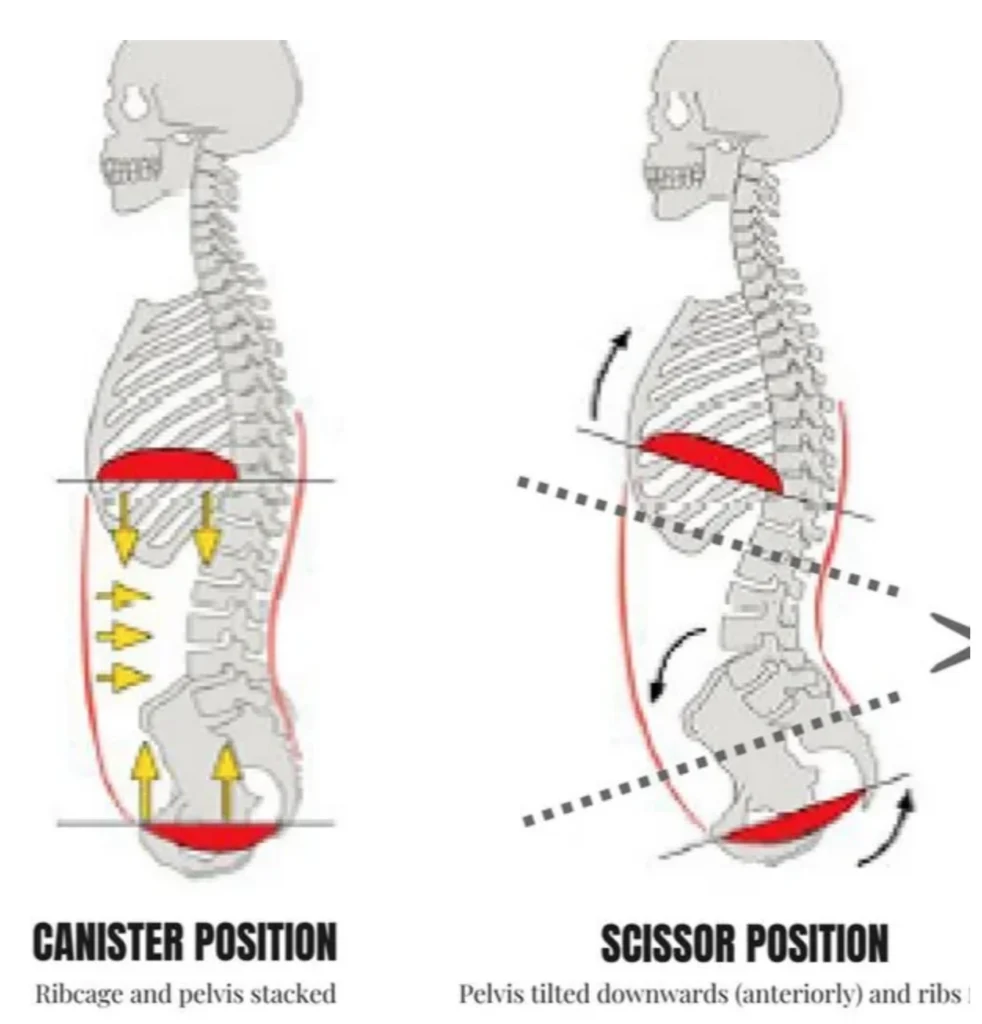
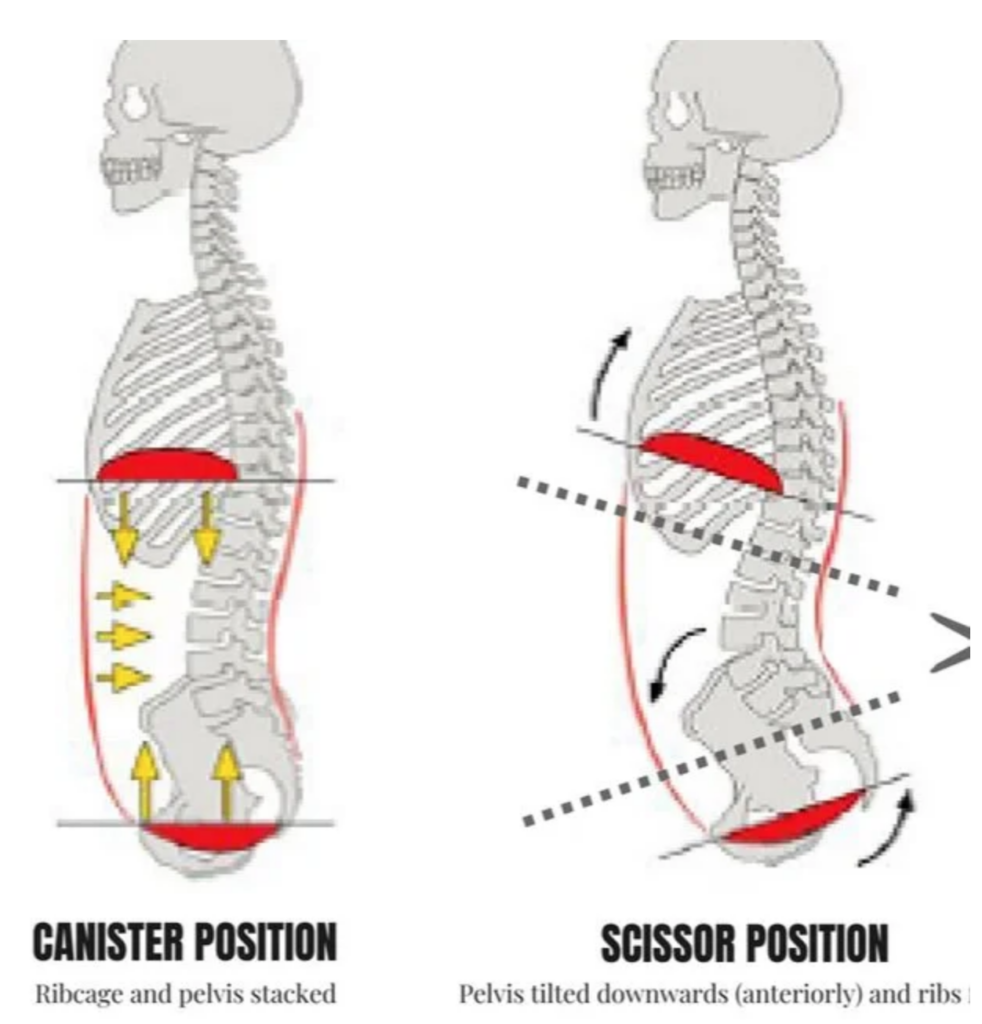
At the center of modern postpartum rehabilitation is the "canister" concept. This model views the torso as a pressurized cylinder where the diaphragm serves as the lid, the pelvic floor as the base, and the abdominal and back muscles as the walls. During pregnancy, this canister is often compromised. As the uterus expands, the ribcage frequently flares upward and outward, and the pelvis may tilt anteriorly, disrupting the "stacked" alignment necessary for optimal pressure management.
Postpartum recovery now prioritizes the restoration of this alignment, often referred to as the "canister position." This involves ensuring the ribcage is positioned directly over the pelvis. When these two structures are aligned, the diaphragm and pelvic floor can work in tandem to manage intra-abdominal pressure (IAP) effectively. Without this alignment, any increase in physical exertion—whether lifting a child or a barbell—can result in "bearing down" pressure on the pelvic floor or a protruding "coning" effect on the abdominal midline, potentially exacerbating conditions like Diastasis Recti Abdominis (DRA).
The Role of 360-Degree Respiratory Mechanics
A critical component of the updated rehabilitation framework is the implementation of three-dimensional, or 360-degree, breathing. This technique moves away from "chest breathing" or "belly breathing" and instead focuses on the lateral and posterior expansion of the ribcage.
In a functional respiratory cycle, an inhale should cause the diaphragm to contract and move downward, which in turn facilitates a gentle expansion and lengthening of the pelvic floor. Practitioners describe this as pushing the "ground floor of the house into the basement." Conversely, a full, controlled exhale allows the pelvic floor and diaphragm to return to their resting positions.
The goal of these drills is to prevent "bearing down"—an aggressive downward pressure often caused by improper breath-holding or restricted ribcage movement. By mastering the timing of the breath, postpartum individuals can utilize the natural pressure-regulating systems of the body to protect the pelvic floor during more strenuous activities.

Chronology of Postpartum Progression
The transition from initial recovery to functional strength training typically follows a structured timeline, though experts emphasize that individual readiness should supersede rigid calendars.
- The Initial Recovery Phase (0–6 Weeks): The primary focus is on rest, tissue healing, and the re-establishment of basic neurological connections. Light walking and foundational breathing drills are introduced to encourage the "canister" to begin functioning without load.
- The Connection Phase (6–12 Weeks): Once cleared by a medical professional, individuals begin integrating breath with movement. Exercises like the "deadbug" are utilized to teach the core to maintain stability while the extremities move. The focus remains on 360-degree inhalation and full exhalation without aggressive abdominal gripping.
- The Loaded Movement Phase (12 Weeks and Beyond): This stage introduces progressive resistance. Movements such as the bodyweight squat are practiced with specific breath timing: inhaling on the descent to allow pelvic floor expansion and exhaling on the ascent to provide support during exertion.
- The Strength Acquisition Phase: As the individual demonstrates mastery over intra-abdominal pressure, external loads are added. Goblet squats, deadlifts, and overhead presses are introduced to build systemic strength, which is vital for the physical demands of motherhood.
Supporting Data on Strength Training Benefits
The shift toward lifting weights in the postpartum period is supported by a growing body of evidence regarding the benefits of resistance training for women. Beyond pelvic floor health, strength training addresses several critical postpartum concerns:
- Bone Mineral Density: Pregnancy and lactation can lead to temporary decreases in bone density. Progressive loading is the most effective way to stimulate bone remodeling and prevent long-term osteopenia or osteoporosis.
- Metabolic Health: Strength training increases basal metabolic rate and improves insulin sensitivity, assisting in the management of postpartum weight retention and reducing the risk of type 2 diabetes.
- Mental Health: Multiple studies have indicated that resistance training can significantly reduce symptoms of postpartum depression and anxiety by improving self-efficacy and hormonal regulation.
- Musculoskeletal Integrity: The hormone relaxin can leave joints lax for several months postpartum. Building muscular strength around these joints provides necessary stability and reduces the incidence of lower back and pelvic girdle pain.
Professional Perspectives and Clinical Guidelines
The American College of Obstetricians and Gynecologists (ACOG) has updated its guidelines in recent years to reflect a more active approach to postpartum recovery. ACOG now emphasizes that physical activity is essential for the "prevention of postpartum depression, improvement of anxiety, and reduction of the risk of deep vein thrombosis."
Furthermore, physical therapists and strength coaches are increasingly collaborating to bridge the gap between clinical "rehab" and "performance." This interdisciplinary approach ensures that women are not just "healed" in a clinical sense but are physically prepared for the high-intensity tasks of daily life. The consensus among experts is that being postpartum is not a permanent state of fragility but a transitional period that requires specific, intelligent loading to reach full functional capacity.
Broader Impact and Implications for Maternal Care
The move toward integrating "lifting" into postpartum care has broader societal implications. It challenges the cultural narrative that mothers must "bounce back" to a pre-pregnancy aesthetic, instead focusing on "building back" functional strength.
By educating mothers on the mechanics of their own bodies—specifically the relationship between the diaphragm, core, and pelvic floor—the fitness industry is empowering women to take agency over their recovery. This education reduces the fear of movement that often plagues postpartum individuals, which can lead to a sedentary lifestyle and long-term health complications.
In conclusion, the modernization of postpartum fitness marks a move away from the simplistic "Kegels-only" model toward a sophisticated understanding of human biomechanics. By prioritizing the "canister" position, 360-degree breathing, and progressive resistance training, the industry is providing a more effective roadmap for women to regain their strength, confidence, and physical autonomy following childbirth. The integration of "lifting shit" is not merely a fitness trend but a necessary evolution in the pursuit of comprehensive maternal healthcare.

