

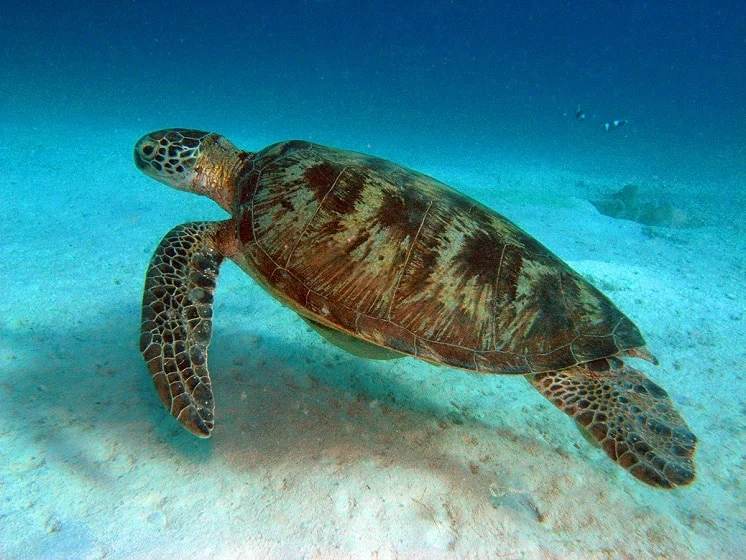
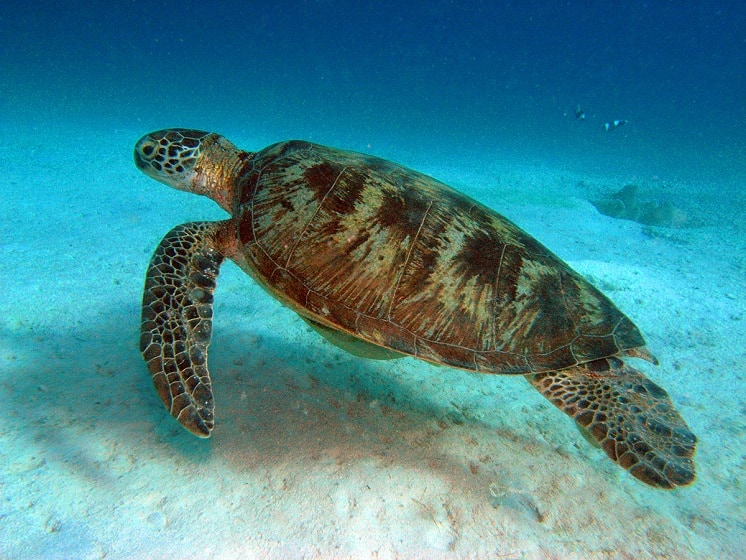
The Galapagos Islands, a province of Ecuador located nearly 600 miles off the mainland coast, represent one of the most critical ecological frontiers in the world. As global awareness of the archipelago’s extraordinary biodiversity grows, the region has solidified its status as a premier destination for ecotourism. Data from the Galapagos National Park Authority (GNPA) indicates that the islands have attracted an average of over 150,000 annual visitors in recent years. While the majority of this tourism is concentrated on the populated hubs of San Cristobal and Santa Cruz Islands, a specialized sector of the industry—small-ship cruises—offers access to remote regions that remain largely untouched by human development.
The Evolution of Galapagos Tourism Regulations
The current landscape of Galapagos travel was significantly reshaped in 2011 when the GNPA implemented a comprehensive set of new regulations. These rules were designed to mitigate the environmental pressures caused by mass tourism and to preserve the delicate balance of the islands’ ecosystems. Central to these changes was a restructuring of cruise itineraries. The GNPA mandated that vessels could not visit the same site more than once within a 15-day period, a move that effectively decentralized tourist traffic.
By encouraging tour operators to explore the "outer islands" and less-frequented visitor sites, the 2011 regulations achieved two primary goals: reducing the carbon footprint and physical impact on the central islands, and enhancing the quality of the visitor experience. For travelers, this shift meant smaller crowds, more intimate wildlife encounters, and the opportunity to witness biological phenomena that are inaccessible to land-based visitors. Analysts suggest that this "high value, low volume" model has been instrumental in maintaining the islands’ status as a UNESCO World Heritage site while providing essential revenue for conservation efforts.
1. Technical Diving and Marine Biodiversity at Wolf Island
One of the most exclusive experiences offered by specialized Galapagos cruises is the opportunity to dive at Wolf Island. Located approximately 100 miles northwest of Isabela Island, Wolf Island is part of a remote volcanic ridge that includes Darwin Island. Because the GNPA prohibits land visits to these islands, they are only accessible via live-aboard dive vessels.
Shark Point, off the coast of Wolf, is regarded by marine biologists and professional divers as one of the most significant pelagic habitats on Earth. The convergence of major ocean currents—including the cold Humboldt Current and the warm Panama Current—creates a nutrient-rich environment that supports a massive biomass of apex predators. Divers frequently encounter schools of hundreds of Scalloped Hammerhead sharks and the elusive Whale Shark.
However, the site presents significant technical challenges. "The currents at Wolf and Darwin are some of the strongest in the world," notes the Charles Darwin Foundation in its marine research briefs. Due to these conditions and limited visibility, the GNPA and tour operators restrict these dives to experienced individuals with advanced certifications. The isolation of Wolf Island serves as a natural laboratory for studying the effects of climate change on migratory marine species.
2. Ornithological Density on Genovesa Island
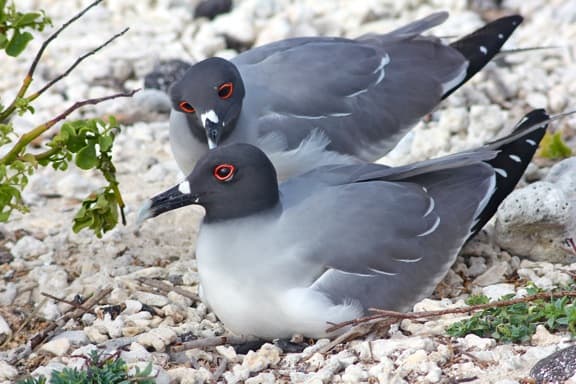
Genovesa Island, often referred to as "Bird Island," offers a concentrated look at the archipelago’s avian diversity. The island is the collapsed caldera of a submerged volcano, creating a horseshoe-shaped harbor known as Darwin Bay. For ornithologists and wildlife photographers, Genovesa represents a unique opportunity to observe 56 native bird species, 45 of which are endemic to the Galapagos.
The hiking trails at Prince Philip’s Steps lead visitors through dense colonies of Nazca and Red-footed Boobies. Unlike other islands where Blue-footed Boobies predominate, Genovesa is the primary stronghold for the Red-footed variety. The island’s lack of land predators has resulted in a phenomenon where birds show no fear of humans, nesting directly on or beside the trails.
The presence of the Short-eared Owl, which has adapted to hunt Storm Petrels during the daylight hours, is a specific point of interest for evolutionary biologists. This behavioral adaptation is a prime example of the "Galapagos effect," where isolation drives unique survival strategies.
3. Historical Hermeneutics at Post Office Bay
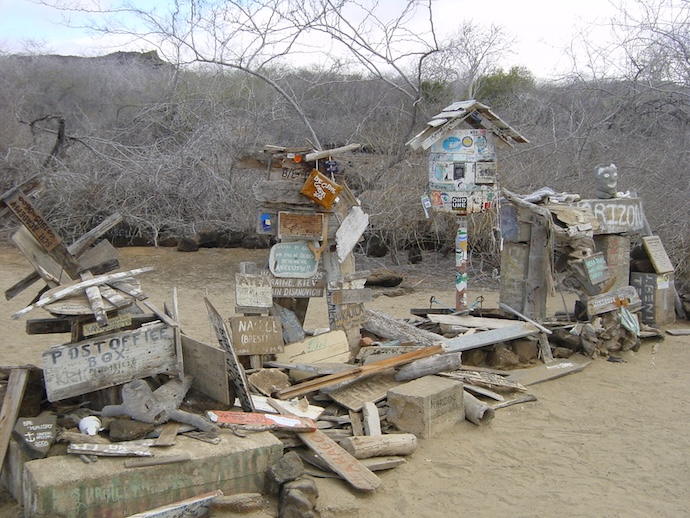
Beyond its biological significance, the Galapagos holds a complex human history. Floreana Island is the epicenter of this narrative, particularly at Post Office Bay. The site dates back to the late 18th century when British whaling vessels established a makeshift postal system using a wooden barrel. Sailors away from home for years would leave letters in the barrel, and passing ships heading toward the letters’ destinations would collect and deliver them.
This tradition is maintained today by the GNPA as a living historical monument. Modern travelers leave unstamped postcards in the barrel and browse through the existing collection to find mail addressed to locations near their own homes.
Floreana also serves as the backdrop for the "Galapagos Affair," a series of mysterious disappearances and deaths among European settlers in the 1930s. The history of the Wittmer and Ritter families, who sought a Nietzschean "return to nature," provides a stark contrast to the islands’ reputation as a pristine paradise, highlighting the difficulties of human habitation in such a rugged environment.
4. Evolutionary Adaptations of the Marine Iguana on Fernandina
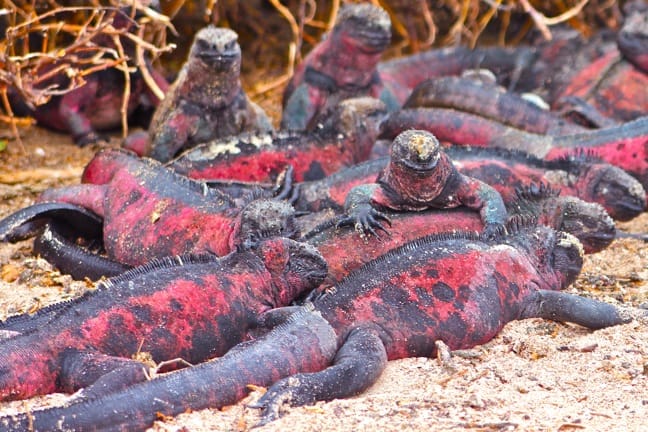
Fernandina is the youngest and most volcanically active island in the archipelago. Its pristine state is protected by strict GNPA regulations, making it accessible only via cruise-based expeditions. The island is the primary habitat for the world’s largest colonies of Marine Iguanas (Amblyrhynchus cristatus).
These reptiles are the only lizards in the world that have evolved to forage in the sea. On Fernandina, hundreds of iguanas can be seen basking on black lava rocks to thermoregulate after diving into the frigid waters to feed on algae. Their physiological adaptations—including flattened tails for swimming and specialized glands to sneeze out excess salt—were famously noted by Charles Darwin during his 1835 visit.
The density of the population on Fernandina provides a critical data set for scientists monitoring the health of the marine ecosystem. During El Niño events, when warmer waters kill off the algae, the iguana population can fluctuate dramatically, serving as a "canary in the coal mine" for regional climate shifts.
5. Genetic Isolation and Discovery at Wolf Volcano
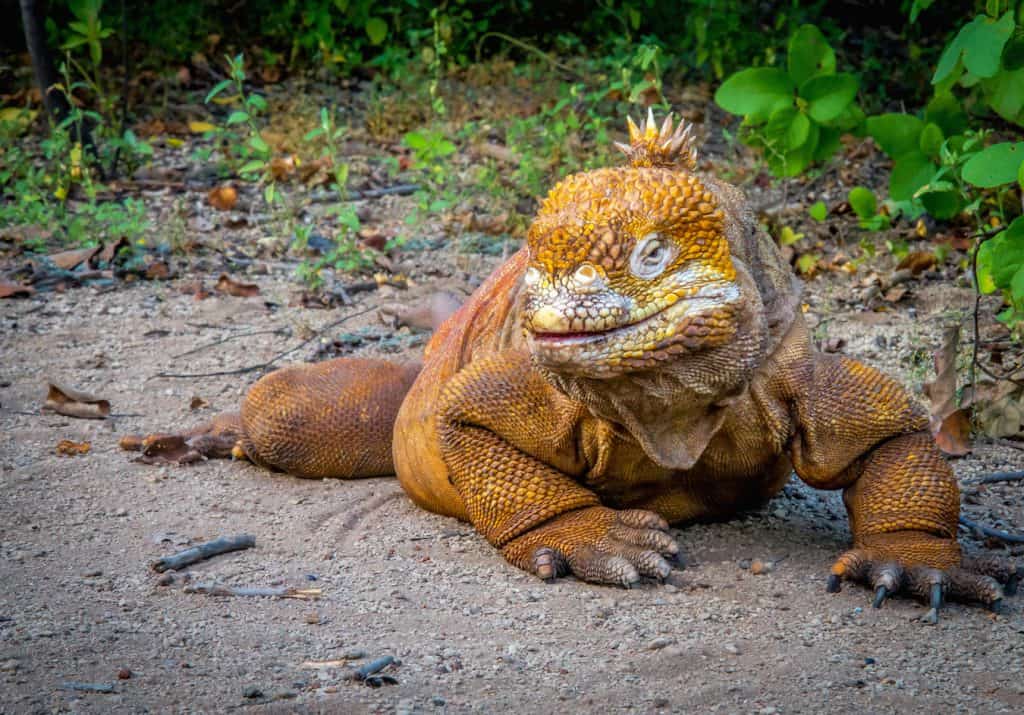
Isabela Island, the largest in the chain, is formed by six shield volcanoes. Wolf Volcano, the highest peak at 5,600 feet, is a site of immense scientific importance. In 2009, researchers identified a new species of reptile here: the Pink Land Iguana (Conolophus marthae). This species is found nowhere else on Earth and is genetically distinct from the yellow land iguanas found on the rest of the island.
The slopes of Wolf Volcano also house a diverse population of Galapagos Tortoises. Interestingly, genetic testing conducted by the Galapagos Conservancy has revealed that some tortoises in this area possess DNA from the extinct Pinta Island and Floreana Island species. It is theorized that 19th-century whalers discarded tortoises from various islands at this location to lighten their loads. Today, conservationists are using selective breeding programs to "resurrect" these lost lineages, a project that represents the cutting edge of restorative biology.
6. The Rare Galapagos Penguin of Tagus Cove
Tagus Cove, located on the western coast of Isabela, is a deep-water harbor that has served as a sanctuary for mariners for centuries. The surrounding cliffs still bear the names of ships carved into the stone, some dating back to the 1800s. However, the cove’s modern significance lies in its role as a feeding ground for the Galapagos Penguin (Spheniscus mendiculus).
The Galapagos Penguin is the only penguin species found north of the equator. Their survival in a tropical environment is made possible by the Cromwell Current, which brings cold, nutrient-rich water to the surface. Small-ship cruises allow visitors to snorkel in these waters, providing a rare opportunity to observe these flightless birds hunting underwater. With a total population estimated at fewer than 2,000 individuals, the Galapagos Penguin is one of the rarest seabirds in the world, and Tagus Cove remains one of the few places where they can be reliably observed in their natural habitat.
7. Social Structures of Sea Lions on Española Island
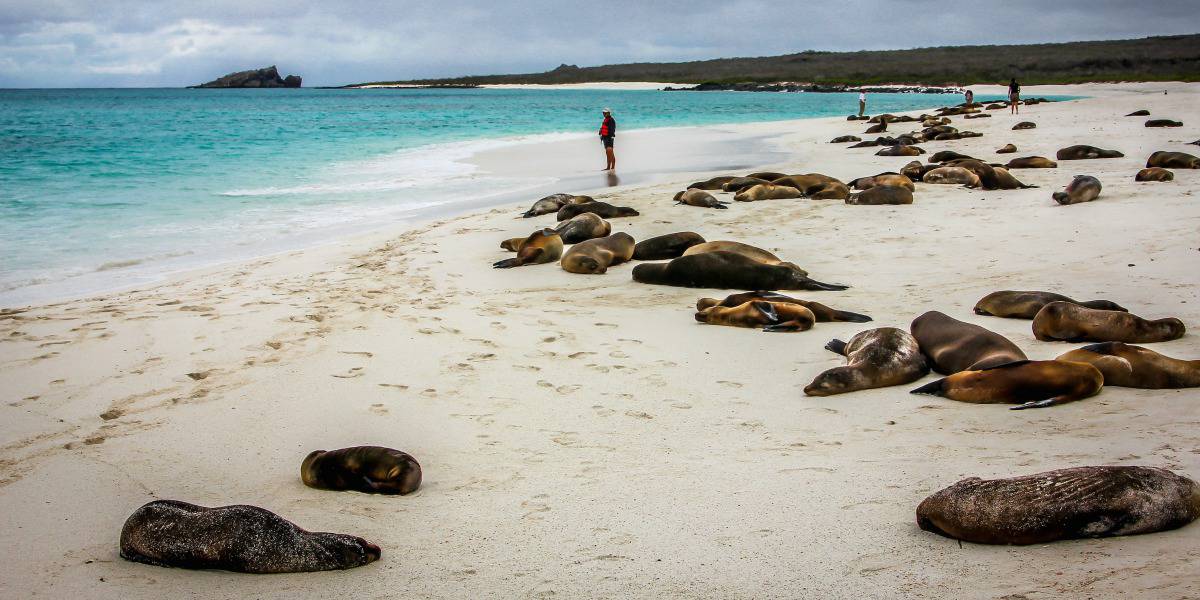
Española Island is the southernmost island in the archipelago and one of the oldest. Gardner Bay, on the island’s northeastern coast, is home to one of the most significant colonies of Galapagos Sea Lions. Unlike the smaller groups found near human settlements, the Española colony exhibits complex social behaviors in a completely wild setting.
The colony is structured around dominant alpha males, known as "beach masters," who defend territories and harems of females. Visitors to Gardner Bay can observe the entire life cycle of these marine mammals, from newborn pups to aging adults. The island is also the sole breeding ground for the Waved Albatross, which nests there from April to December.
Broader Impact and Environmental Outlook
The shift toward small-ship cruising and the diversification of visitor sites have had a measurable impact on the sustainability of the Galapagos. By spreading the economic benefits of tourism across a wider geographical area, the GNPA has incentivized the protection of even the most remote islands.
However, the archipelago faces ongoing challenges. The threat of invasive species, the impact of plastic pollution carried by ocean currents, and the long-term effects of ocean acidification remain at the forefront of the regional agenda. "The Galapagos is not a static museum; it is a living, breathing, and changing system," states a spokesperson for the Galapagos National Park.
The data suggests that the "cruise-based" model of exploration, when strictly regulated, provides the most viable path forward for high-end ecotourism. It allows for the education of the public and the generation of conservation funds while minimizing the permanent infrastructure required on the islands themselves. As the Ecuadorian government continues to refine its management strategies, the unique experiences found on these remote shores remain a testament to the enduring power of the natural world and the importance of proactive environmental stewardship.

