

In the evolving landscape of sports science and physical conditioning, a foundational debate persists regarding the optimal threshold of training intensity required to elicit physiological adaptation. The traditional adage within the fitness community suggests that athletes should "stimulate the muscle to grow, not annihilate it." However, contemporary methodologies championed by leading strength coaches suggest that this perspective may be overly reductionist. Modern strength and conditioning protocols increasingly emphasize a nuanced approach to "stress management," where the goal is not merely to avoid exhaustion but to strategically apply high levels of physical stress within a structured, periodized framework.
The Biological Basis of Training Stress and Adaptation
The concept of training as a form of stress management is rooted in the General Adaptation Syndrome (GAS) theory, originally proposed by Hans Selye. This model describes the body’s short-term and long-term reactions to stress through three stages: alarm, resistance, and exhaustion. In a strength training context, the "alarm" phase is the workout itself, which disrupts homeostasis. The "resistance" phase involves the body repairing tissues and strengthening systems to handle future stress—this is where muscle growth and strength gains occur.
Strength coaches such as Pat Davidson, Ph.D., argue that the primary role of a coach is to serve as a "stress manager." Davidson posits that the objective is to apply the maximum amount of tolerable stress to an individual to trigger survival-based adaptations. According to this school of thought, if the stimulus does not result in systemic failure or injury, it will likely lead to increased physiological robustness. This perspective shifts the focus from simple "exercise" to a calculated manipulation of training variables—including volume, intensity, and frequency—to drive progress without crossing the threshold into pathological exhaustion.
Periodization and the Management of Accumulative Fatigue
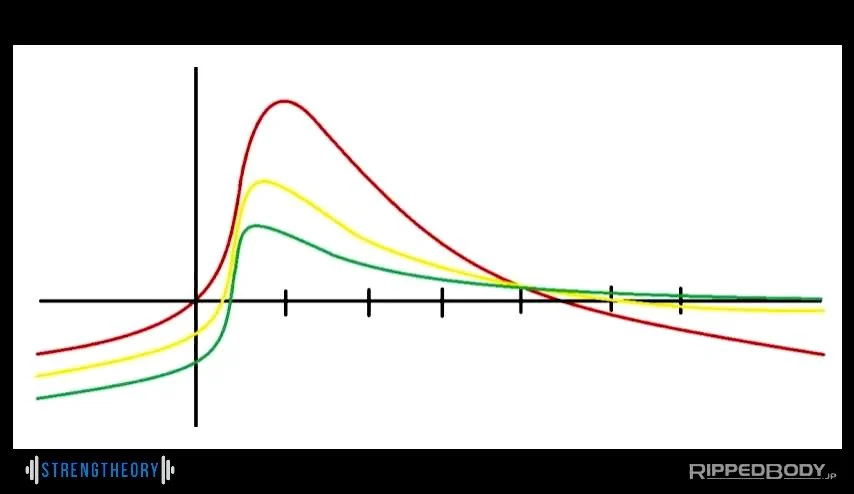
A critical component of modern strength programming is the use of periodization—a systematic planning of athletic training. Experts like Chad Wesley Smith and Alex Viada advocate for plans that fluctuate training stress through undulating or concurrent models. These programs are designed to manage the "Fitness-Fatigue Paradigm," which suggests that every training session creates both fitness gains and fatigue.
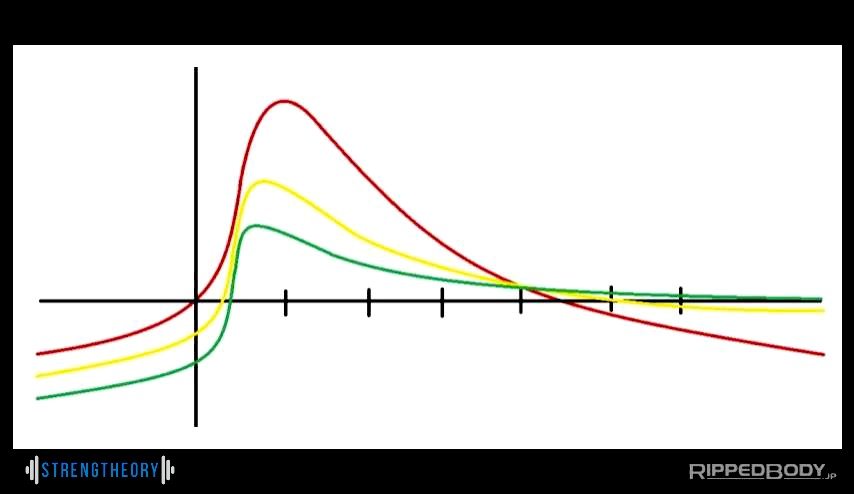
The true level of an athlete’s "preparedness" is the difference between their accumulated fitness and their current level of fatigue. Because fatigue often masks performance, a trainee may appear weaker during high-volume phases of a program. This phenomenon is frequently misinterpreted by amateur athletes as a lack of progress or a sign of "overtraining." In reality, it is a necessary stage of the "accumulation" phase, where the body is primed for future gains once the fatigue is dissipated through a "deload" or recovery period.
Deconstructing the Myth of Overtraining
The term "overtraining" is frequently misused in fitness discourse to describe general soreness or temporary performance decrements. Clinical Overtraining Syndrome (OTS) is a serious physiological condition characterized by long-term decreases in performance, hormonal imbalances, and neurological disruptions that can take months to resolve.
Data from extreme endurance events suggests that the human body is remarkably resilient to high workloads. A notable case study is that of James Lawrence, known as the "Iron Cowboy," who completed 50 iron-distance triathlons in 50 consecutive days across 50 different U.S. states. Despite the extreme physical toll, Lawrence did not reach a state of clinical overtraining, largely due to meticulous attention to recovery, nutrition, and psychological management. This example serves to illustrate that for the vast majority of gym-goers, the risk of true overtraining is minimal compared to the risk of under-stimulating the body through insufficient intensity.
The Elite Athlete Fallacy and its Risks
A significant challenge in the dissemination of fitness information is the "elite athlete fallacy," where recreational trainees attempt to replicate the high-frequency, high-intensity protocols used by professional strength athletes. For example, professional powerlifter Chris Duffin has famously performed daily high-intensity squats at loads exceeding 800 pounds. While such feats are possible for elite performers with years of specialized adaptation and full-time recovery resources, they are often unsustainable for the general population.
The average trainee typically faces environmental stressors that elite athletes do not, such as 40-hour work weeks, sedentary office environments, and limited sleep. Research indicates that prolonged sitting (8–9 hours per day) can lead to "gluteal amnesia" and reduced joint mobility, making sudden shifts into high-intensity daily training programs a significant injury risk. Experts suggest that while daily movement is beneficial, the "all-out" intensity must be moderated based on the individual’s recovery capacity and lifestyle constraints.

Optimization Strategy: Axial Loading and Deadlift Frequency
One of the most physically and neurologically demanding movements in strength training is the deadlift. Due to the high degree of "axial loading"—stress placed directly on the spine—the deadlift requires significant recovery time compared to other compound lifts like the bench press or the squat.
Data gathered from strength practitioners suggests that once an individual can deadlift twice their body weight, the law of diminishing returns begins to apply to high-frequency heavy pulling. Neurological fatigue from maximal effort deadlifting (above 85% of one-rep max) can persist for several days, impacting the performance of other movements. To mitigate this, many advanced programs limit maximal effort deadlifts to once every two to three weeks, utilizing "speed work" or "cluster sets" at lower intensities (60–70%) in the intervening weeks to maintain technical proficiency and explosive power without overtaxing the central nervous system.
The Role of Mechanical Loading and Bodyweight Alternatives
To maintain training intensity while reducing systemic fatigue, coaches often implement strategies that minimize mechanical loading on the joints. One such method involves high-repetition bodyweight exercises or time-under-tension (TUT) protocols.
For instance, the Bulgarian Split Squat, when performed for time (sets of 30 to 60 seconds) rather than specific repetitions, can elicit a significant metabolic response and muscular hypertrophy with a fraction of the spinal loading required by a barbell squat. This "smart" application of work allows trainees to continue "annihilating" specific muscle groups to drive growth while sparing the skeletal system and nervous system from the crushing weights of heavy compound lifts.
Recovery Protocols and the Efficacy of Active Rest
A growing body of evidence supports the use of low-intensity active recovery as a superior method for clearing metabolic waste and reducing muscle soreness compared to total inactivity. Casual walking, often overlooked in high-performance circles, is highly effective at stimulating the parasympathetic nervous system, which is responsible for the "rest and digest" state necessary for recovery.

Unlike "rucking" (walking with a weighted pack) or high-intensity interval training (HIIT), casual walking does not add to the individual’s "stress bucket." Instead, it facilitates blood flow to recovering tissues without further elevating cortisol levels. This form of active rest is increasingly viewed as a mandatory component of a professional-grade strength program.
The Deload Framework: Managing Volume and Intensity
The final pillar of a sustainable strength program is the strategic "deload" week. In a standard four-week training block, the fourth week is typically dedicated to reducing overall training volume while maintaining a moderate-to-high level of intensity.
Research suggests that most cases of burnout or stalled progress are the result of excessive training volume (the total amount of work performed) rather than excessive intensity (the weight on the bar). By reducing the number of sets and repetitions during a deload week—sometimes by as much as 30–50%—trainees allow their bodies to undergo "supercompensation." This is the process where the body over-recovers from the previous weeks of high-stress training, leading to new peaks in strength and performance in the subsequent training cycle.
Broader Implications for Public Health and Longevity
The shift toward viewing strength training as a managed stress response has significant implications beyond the realm of competitive athletics. As the global population ages, the prevention of sarcopenia (age-related muscle loss) and the maintenance of bone density have become public health priorities.
The principles of structured stress application—alternating high-intensity stimuli with planned recovery—provide a blueprint for lifelong physical resilience. By moving away from the binary choice of "light exercise" versus "muscle annihilation" and toward a model of "stress management," individuals can achieve consistent progress while minimizing the risk of injury and chronic fatigue. This scientific approach to training ensures that the physical "annihilation" of muscle serves a productive, long-term purpose: the building of a stronger, more capable human machine.

