

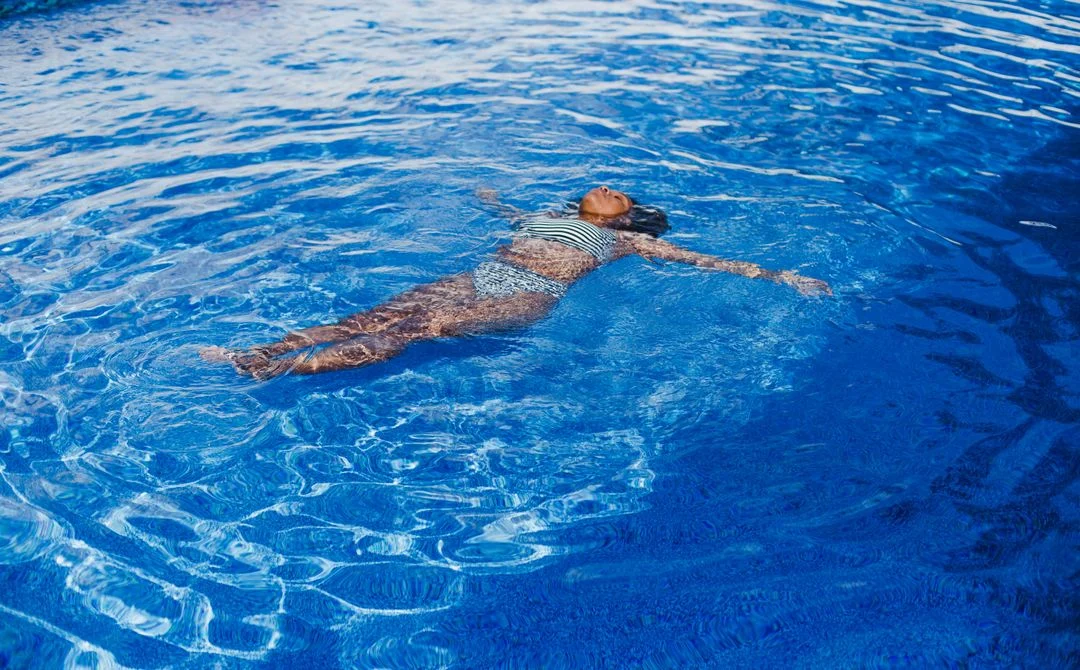
While traditional running remains a highly effective method for cardiovascular conditioning and weight management, its inherent high-impact nature can impose significant strain on the musculoskeletal system, particularly as individuals age or contend with pre-existing conditions. The repetitive impact of feet striking the pavement, though beneficial for heart health and fostering the well-known "runner’s high," simultaneously elevates the risk of common afflictions such as knee injuries, shin splints, and even chronic issues like hip displacement. For a growing demographic of athletes, fitness enthusiasts, and individuals seeking sustainable exercise, these adverse effects necessitate a reevaluation of conventional training paradigms. It is within this context that water running, also known as aqua jogging or pool running, emerges as a compelling and increasingly recognized alternative, offering a robust cardiovascular workout without the debilitating forces of gravity. This method allows for comprehensive muscle engagement and toning, critically mitigating stress on the knees, joints, hips, and back, thereby extending the longevity of one’s active lifestyle.
Understanding the Science: Buoyancy, Hydrostatic Pressure, and Resistance
The efficacy of aqua jogging is rooted in fundamental principles of hydrodynamics, which fundamentally alter the biomechanics of movement. When a body is submerged in water, three primary forces come into play: buoyancy, hydrostatic pressure, and resistance (viscosity).
Buoyancy, the upward force exerted by a fluid that opposes the weight of an immersed object, is perhaps the most significant factor. In deep water, with a flotation belt, an individual can reduce their effective body weight by up to 90%, meaning a 150-pound person might only bear 15 pounds of weight. This dramatic reduction in gravitational load virtually eliminates the impact forces that contribute to stress fractures, joint degeneration, and muscle soreness associated with land-based running. This allows individuals with injuries, arthritis, or age-related joint pain to perform high-intensity movements they might otherwise be unable to execute.
Hydrostatic pressure, the pressure exerted by water at a given depth, uniformly compresses the body. This compression can aid in reducing swelling in injured tissues and enhance venous return, meaning blood flows more efficiently back to the heart. Improved circulation can accelerate recovery from exercise and contribute to a feeling of overall well-being. Furthermore, the constant, uniform pressure acts as a natural support system for joints and muscles, contributing to greater stability and reducing the risk of sudden, uncontrolled movements that could exacerbate injuries.
Water’s viscosity provides a consistent, multi-directional resistance that is absent in air. Unlike traditional weight training, where resistance is primarily vertical, water offers resistance through the entire range of motion, both on the upward and downward thrust of each limb. This translates into a more balanced muscular workout, engaging antagonist muscles equally with agonists, leading to improved strength, endurance, and muscular balance. This resistance is also concentric, meaning there is less eccentric loading (muscle lengthening under tension), which is often the primary cause of delayed onset muscle soreness (DOMS) after high-impact activities. Consequently, aqua jogging can facilitate muscle strengthening and conditioning with significantly reduced post-exercise discomfort.
A Historical Perspective: From Rehabilitation Niche to Mainstream Cross-Training
While the precise origins of aqua jogging are difficult to pinpoint, its rise to prominence as a legitimate training modality can be traced back several decades. Initially, aquatic exercise was primarily utilized in physical therapy settings for rehabilitation purposes, particularly for individuals recovering from orthopedic surgeries or severe injuries where weight-bearing activities were contraindicated. The controlled environment of water allowed for early mobilization and strengthening without putting undue stress on healing tissues.
By the 1980s and 1990s, the benefits of water-based training began to gain traction within the athletic community. Elite runners and professional athletes, seeking ways to maintain cardiovascular fitness and muscular endurance during injury layoffs or to supplement high-volume land training, started incorporating aqua jogging into their regimens. Coaches and sports scientists recognized its potential for "active recovery" and for adding training volume without increasing the cumulative impact stress on an athlete’s body. This period saw the development of specialized equipment, such as flotation belts, designed to optimize the aqua jogging experience and facilitate proper form in deep water.
Today, aqua jogging has evolved beyond a niche rehabilitation tool. It is widely adopted by a diverse range of individuals, from competitive athletes looking for cross-training advantages to older adults seeking a safe and effective way to stay active, and those managing chronic conditions like arthritis or fibromyalgia. Its integration into mainstream fitness programs underscores a broader understanding of its versatile applications and profound benefits for overall health and athletic performance.
Mastering the Technique: Deep Water vs. Shallow Water Protocols
Effective aqua jogging requires specific techniques to maximize benefits and ensure proper form, differing slightly based on whether the exercise is performed in deep or shallow water.
Deep Water Aqua Jogging:
This method, ideal for complete non-impact training, involves running in water where feet do not touch the bottom of the pool. A flotation belt is typically worn around the waist to keep the body upright and prevent sinking.
- Posture: Maintain an upright posture, mimicking your natural running stance. Avoid slumping forward or arching the back excessively. Your head should be up, gaze forward, and shoulders relaxed, not hunched.
- Arm Movement: Your arms should move naturally, similar to land running, but with less emphasis on powerful forward-backward swings. Let them relax at your sides, moving rhythmically with your legs, creating resistance and aiding balance.
- Leg Movement: Focus on a high knee drive and a strong downward "push" with the foot, mimicking the piston-like action of land running. The goal is to cycle the legs as if propelling yourself forward, even though you remain largely stationary or move slowly. Engage the glutes and hamstrings as you "pull" the leg back. The resistance of the water will naturally slow down the movement, requiring more effort to maintain a consistent pace.
- Cadence: Aim for a high turnover rate, much like land running, to elevate your heart rate. While speed is harder to gauge, focus on consistent, powerful leg cycles.
Shallow Water Aqua Jogging:
This technique involves running in water that is waist to chest deep, allowing for partial weight-bearing. It bridges the gap between deep water and land running, offering reduced impact while still engaging ground reaction forces.
- Form: Maintain an upright posture. The partial weight-bearing allows for a more natural running stride compared to deep water, but focus on engaging the core to prevent excessive leaning.
- Foot Strike: Aim for a midfoot strike, similar to land running, but allow the water’s cushioning to absorb some of the impact.
- Resistance: The water resistance will be lower than in deep water, but still significant. Use the water to your advantage by actively pushing off the bottom and propelling yourself forward.
Intensity Monitoring:
Without the visual cues of speed or distance, monitoring intensity in water can be challenging.
- Rate of Perceived Exertion (RPE): This is a highly effective method. On a scale of 1-10, aim for an RPE of 7-9 for high-intensity intervals and 4-6 for recovery periods.
- Heart Rate Monitor: A waterproof heart rate monitor is invaluable for structured training, allowing individuals to maintain specific heart rate zones for endurance, speed work, or recovery.
- Breath Rate: A good indicator of intensity. You should be able to speak in short sentences during moderate intensity and only a few words during high intensity.
Sample Workout Structure:
A common approach is interval training, which has proven effective for cardiovascular improvement.
- Warm-up: 5-10 minutes of gentle aqua jogging, gradually increasing effort.
- Intervals: Alternate 5 minutes of high-intensity aqua jogging (RPE 7-9) with 1-2 minutes of recovery (RPE 4-6). Repeat this cycle 3-6 times.
- Cool-down: 5-10 minutes of gentle aqua jogging, followed by a light swim and stretching to bring the heart rate down and relax muscles.
- Progression: Start with 20-30 minute sessions and gradually increase to 45-60 minutes as stamina improves.
Empirical Evidence: Supporting Data and Clinical Studies
The benefits of aqua jogging are not merely anecdotal; a growing body of scientific research supports its efficacy across various populations and objectives.
A seminal 2003 study published in the Journal of Strength and Conditioning Research titled "Deep-water running: a practical alternative to land-based running for maintaining cardiorespiratory fitness" by Butts, Tucker, and Greening, provided significant evidence. This study demonstrated that deep-water running could effectively maintain cardiorespiratory fitness (measured by VO2 max) in trained runners during a period when they were unable to perform land-based running. Participants showed no significant decrease in VO2 max after a period of exclusive deep-water training, indicating its capacity to provide adequate cardiovascular stimulus.
Further research has expanded on these findings:
- Joint Stress Reduction: Numerous biomechanical studies have confirmed the significant reduction in joint loading during aqua jogging compared to land running. For instance, studies using force plates and motion capture have shown that impact forces on the knee and ankle can be reduced by 80-95% in deep water, making it an ideal modality for individuals with osteoarthritis, recovering from ligament injuries, or those prone to stress fractures.
- Cardiovascular Adaptations: While heart rates may be slightly lower in water due to hydrostatic pressure and cooling effects, studies have shown that subjects can achieve similar levels of oxygen consumption (VO2) and lactate thresholds as on land, provided intensity is appropriately monitored (e.g., using RPE or heart rate zones adjusted for water). This means the cardiovascular system is still being effectively challenged and strengthened.
- Muscle Activation: Electromyography (EMG) studies have indicated that aqua jogging effectively activates key running muscles, including quadriceps, hamstrings, glutes, and calf muscles. The continuous resistance of water ensures that muscles work through both the concentric and eccentric phases of movement, leading to balanced strength development without the high-impact eccentric loading that often causes muscle damage on land. Core muscles are also highly engaged to maintain stability in the water.
- Rehabilitation Efficacy: Clinical reviews consistently highlight aqua jogging as a cornerstone of rehabilitation protocols for various lower extremity injuries, including anterior cruciate ligament (ACL) reconstruction, meniscal tears, Achilles tendonitis, and stress fractures. It allows for early return to functional movement patterns, maintains cardiovascular fitness, and prevents deconditioning while protecting healing tissues.
These scientific validations underscore aqua jogging’s role as a robust and evidence-based exercise alternative.
Expert Perspectives: What Coaches, Therapists, and Physicians Say
The widespread adoption of aqua jogging is significantly bolstered by endorsements from professionals across sports medicine, physical therapy, and athletic coaching.
Dr. Eleanor Vance, an orthopedic surgeon specializing in sports injuries, often recommends aqua jogging to her patients. "For individuals recovering from knee or hip surgery, or those with chronic conditions like severe arthritis, the ability to perform a running motion without impact is revolutionary. It allows for controlled strengthening and cardiovascular conditioning that would otherwise be impossible on land, significantly aiding in faster and safer recovery."
Sarah Jenkins, a veteran physical therapist, emphasizes its role in bridging the gap between injury and full return to sport. "We integrate aqua jogging into almost every lower-body rehabilitation program. It’s fantastic for retraining gait patterns, improving range of motion, and building foundational strength without the risk of re-injury. The hydrostatic pressure also helps reduce swelling, which is crucial in the early stages of recovery."
From a performance standpoint, Coach David Lee, an acclaimed running coach, sees aqua jogging as an invaluable cross-training tool. "Even for my elite athletes, aqua jogging is a staple. It’s a way to add mileage and intensity to their training week without the cumulative wear and tear on their joints. It also helps improve running form by forcing athletes to maintain proper posture and leg drive against resistance, which translates to better efficiency on land. Plus, it’s a great active recovery session after a hard race or long run, helping flush out lactic acid and reduce soreness."
Dr. Anya Sharma, a geriatric fitness specialist, champions aqua jogging for older adults. "The fear of falls and joint pain often deters seniors from high-impact exercise. Aqua jogging offers a safe, enjoyable, and highly effective way to maintain cardiovascular health, muscle strength, and balance, which are all critical for independent living as we age. The water provides a supportive environment that builds confidence."
These professional endorsements highlight aqua jogging’s versatility and efficacy across the spectrum of fitness and health, from elite performance to rehabilitative care and healthy aging.
Essential Equipment for Optimal Performance and Safety
While the beauty of aqua jogging lies in its relative simplicity, certain equipment can significantly enhance the experience, optimize performance, and ensure safety.
- Flotation Belt: This is the most crucial piece of equipment for deep water aqua jogging. Designed to keep the wearer buoyant and upright in deep water, a good flotation belt allows for proper running form without expending energy trying to stay afloat. They typically consist of a foam material with an adjustable strap, contouring to the waist. For beginners, it’s indispensable, but even experienced aqua joggers find them beneficial for maintaining optimal posture and focus on technique rather than buoyancy.
- Swimsuit: A comfortable, well-fitting swimsuit is essential. Drag-reducing suits are not necessary; in fact, some prefer suits that offer a bit more resistance.
- Pool Access: A local swimming pool is the primary "equipment." Community pools, gyms with aquatic facilities, or even private pools can serve the purpose. The depth should allow for deep water running (where feet don’t touch the bottom) or sufficient depth for shallow water workouts.
- Waterproof Heart Rate Monitor: For structured training and ensuring adequate intensity, a waterproof heart rate monitor is highly recommended. This allows individuals to train within specific heart rate zones, track progress, and objectively measure effort, especially when perceived exertion can be influenced by the cooling effect of the water.
- Aqua Shoes or Socks: While not strictly necessary, aqua shoes or socks can provide additional grip on the pool bottom during shallow water running and protect feet from rough surfaces or pool chemicals. They can also add a small amount of resistance.
- Resistance Tools (Optional): As fitness levels improve and individuals seek to intensify their workouts, various resistance tools can be incorporated:
- Webbed Gloves or Hand Paddles: These increase the surface area of the hands, creating more upper body resistance and engaging arm and shoulder muscles more effectively.
- Ankle Weights or Aqua Dumbbells: These add resistance to leg movements, further strengthening lower body muscles. It’s crucial to use these cautiously and progressively to avoid straining joints.
- Kickboards/Pull Buoys: While more for swimming, they can be adapted for specific leg or arm strengthening exercises in water.
Accessibility to a pool remains the primary barrier for many, but with increasing numbers of community centers and gyms offering aquatic facilities, it is becoming more attainable.
The Multifaceted Benefits of Water Running
The advantages of incorporating water running into a fitness regimen are extensive and cater to a broad spectrum of needs, from injury recovery to peak athletic performance and general well-being.
- Injury Prevention and Rehabilitation: This is perhaps the most celebrated benefit. By eliminating ground impact, aqua jogging allows individuals with injuries (e.g., stress fractures, tendinitis, joint sprains) to maintain fitness and active rehabilitation without aggravating their condition. It can also prevent injuries by reducing the cumulative stress on joints for athletes undergoing high-volume training.
- Cardiovascular Health: As supported by scientific studies, aqua jogging effectively elevates heart rate and improves cardiovascular endurance, leading to a stronger heart, improved circulation, and enhanced oxygen delivery throughout the body.
- Muscle Toning and Endurance: The constant, multi-directional resistance of water provides a comprehensive workout for major muscle groups, including the core, glutes, hamstrings, quadriceps, and even the upper body. This leads to increased muscular strength and endurance without the eccentric muscle damage associated with land-based exercise.
- Weight Management: A vigorous aqua jogging session can burn a significant number of calories, making it an effective tool for weight loss or maintenance. The perception of effort can sometimes be lower in water due to cooling, potentially allowing individuals to work harder for longer.
- Improved Running Form: The water environment provides immediate feedback on running mechanics. Maintaining proper posture and leg drive against water resistance can translate to better biomechanics and efficiency when running on land.
- Mental Well-being and Stress Reduction: The buoyancy and rhythmic motion of water can be incredibly calming and meditative. Exercise in water can reduce stress, improve mood, and provide a refreshing break from the demands of daily life. For those unable to run on land due to injury, it can also provide a crucial psychological boost, allowing them to continue their passion.
- Accessibility for Diverse Populations: Aqua jogging is uniquely suited for demographics often excluded from high-impact activities:
- Elderly: Offers a safe way to maintain fitness, bone density (through muscle engagement), and balance without joint pain or fall risk.
- Pregnant Individuals: Provides a low-impact workout that supports the body, reduces swelling, and helps manage weight gain.
- Individuals with Obesity: Reduces stress on joints that might be overburdened by body weight during land exercise, making fitness more accessible and less painful.
- Those in Hot Climates: Offers a refreshing way to exercise and stay cool, preventing overheating.
Integrating Aqua Jogging into Your Fitness Regimen
For those considering aqua jogging, strategic integration is key to maximizing its benefits.
For Beginners or Those in Recovery:
- Consult a Professional: Always consult a healthcare professional, physical therapist, or certified aqua fitness instructor, especially if you are recovering from an injury, managing a chronic condition, or new to exercise. They can provide personalized guidance and ensure the workout is appropriate for your specific needs.
- Start Gradually: Begin with shorter sessions (20-30 minutes) at a moderate intensity, focusing on mastering proper form. Gradually increase duration and intensity as your stamina and comfort improve.
- Focus on Form: Prioritize correct posture and leg/arm mechanics over speed or power initially.
- Utilize a Flotation Belt: This is essential for deep water running, allowing you to focus on your stride without worrying about staying afloat.
For Athletes and Experienced Runners:
- Cross-Training: Incorporate 1-2 aqua jogging sessions per week to supplement land running. This can help increase overall training volume without adding impact stress, reducing the risk of overuse injuries.
- Active Recovery: Use lighter aqua jogging sessions as active recovery after intense land workouts or races. The hydrostatic pressure aids circulation and can help reduce muscle soreness.
- Injury Maintenance: If dealing with a minor niggle or returning from a major injury, aqua jogging allows you to maintain cardiovascular fitness and muscle memory while healing.
- Targeted Workouts: Design specific aqua jogging workouts to mimic land-based training, such as interval training for speed work or longer, steady-state runs for endurance. Use waterproof heart rate monitors to ensure you are hitting target zones.
The Future of Aquatic Exercise: Broadening Horizons
The trajectory of aqua jogging suggests a future where aquatic exercise plays an even more significant role in public health and athletic training. As awareness grows about the long-term impacts of high-stress activities, and as populations age, the demand for sustainable, low-impact alternatives will continue to rise.
Innovation in equipment, such as more sophisticated flotation devices, specialized resistance gear, and even underwater treadmills, is likely to make aqua jogging more accessible and appealing. The development of specialized aquatic fitness classes and certifications for instructors will further professionalize the field, offering structured programs for diverse fitness goals.
Moreover, the integration of technology, such as wearable devices optimized for aquatic environments and virtual reality experiences that simulate outdoor running in a pool setting, could revolutionize how individuals engage with aqua jogging. From a public health perspective, promoting aquatic exercise could be a key strategy in combating sedentary lifestyles and related chronic diseases, offering a safe entry point into physical activity for individuals of all ages, fitness levels, and physical conditions. The life-changing magic of water running is not just a passing trend; it is a fundamental shift towards more inclusive, sustainable, and body-friendly approaches to fitness and wellness.

