

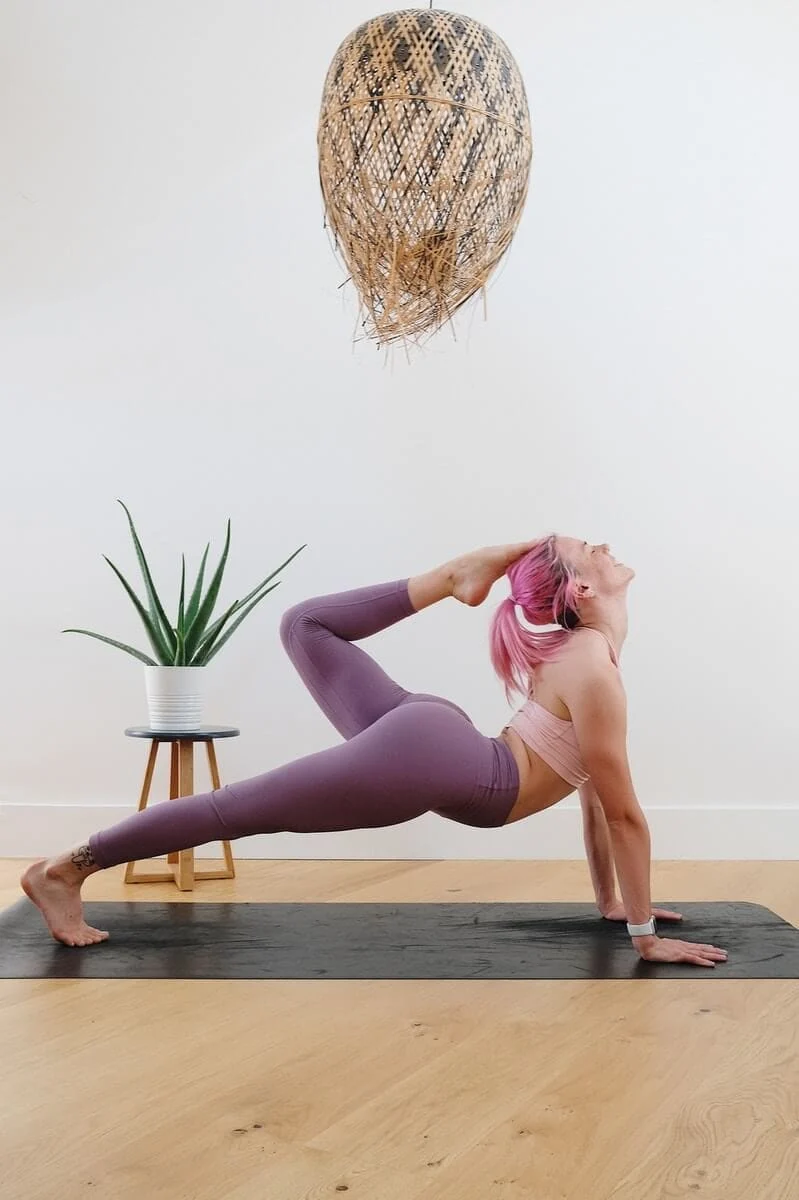
Conducted by DoYou.com, the DoYou Global Yoga Survey 2021, encompassing over 10,000 respondents from 124 countries, has unveiled critical insights into contemporary yoga practices, most notably a significant acceleration in the preference for home-based yoga. A remarkable 85% of survey participants reported engaging in yoga practice within their homes, a trend that appears to be firmly on the upswing, driven by a confluence of factors ranging from practical convenience to personal preference. This data, gathered during a period heavily influenced by global public health restrictions, provides a snapshot of an evolving industry and suggests long-term changes in how individuals approach their wellness routines.
The Rise of Home Practice: A Detailed Analysis
The survey identified four primary drivers behind this pronounced shift towards home practice, each reflecting distinct advantages that resonate with a large segment of the global yoga community. These factors – convenience, affordability, privacy, and control – collectively illustrate a desire for a more personalized and accessible yoga experience.
1. Unparalleled Convenience:
Convenience emerged as the leading factor, cited by 71% of home practitioners. The modern lifestyle, often characterized by demanding work schedules, lengthy commutes, and competing personal commitments, frequently leaves little room for rigid class schedules. The prospect of transitioning from a demanding workday to an external yoga studio, involving further travel and social interaction, is often a deterrent. Practicing yoga at home eliminates these logistical hurdles. It offers unparalleled flexibility, allowing individuals to integrate yoga into their day whenever and wherever it suits them – be it first thing in the morning, during a lunch break, or late in the evening. This flexibility extends to attire, with practitioners enjoying the freedom to practice in their most comfortable clothing, or even in privacy without any, removing social pressures associated with public spaces. The elimination of travel time and associated stress, such as navigating traffic or public transport, directly contributes to a more relaxed and consistent practice routine. This convenience factor is particularly appealing in urban environments where studios may be scarce or commutes excessively long, and has become a cornerstone of the digitally-empowered wellness movement.
2. Enhanced Affordability:
Financial considerations play a significant role, with 46% of home practitioners citing affordability as a key motivator. Traditional yoga studio memberships can represent a substantial recurring expense, often ranging from tens to hundreds of dollars monthly, depending on location and package. These costs are frequently compounded by additional expenditures on travel, specialized attire, or workshop fees. In stark contrast, the digital landscape offers a wealth of free and low-cost alternatives. Platforms like YouTube host an extensive library of yoga tutorials, catering to all levels and styles, completely free of charge. Dedicated yoga apps and online subscriptions provide structured programs and diverse classes at a fraction of the cost of studio memberships. This economic accessibility democratizes yoga, making it available to a broader demographic that might otherwise be deterred by the financial barrier of traditional studio environments. The initial investment in basic home equipment, such as a yoga mat, blocks, or a strap, is typically a one-time expense, further enhancing the long-term affordability of home practice.
3. The Sanctuary of Privacy:
For 33% of respondents, the privacy afforded by home practice is a crucial element. The communal aspect of studio classes, while enriching for many, can be a source of discomfort or intimidation for others. Beginners, individuals with body image concerns, or those feeling self-conscious about their physical abilities or appearance, may find the perceived judgment or competitive atmosphere of a group setting off-putting. Practicing in the privacy of one’s home removes these anxieties, creating a safe and secure environment where individuals can explore their practice without external scrutiny. This sense of security fosters a deeper connection with the self, allowing practitioners to focus solely on their breath, movement, and internal experience. It encourages experimentation and self-discovery, particularly for those who prefer to build confidence and mastery before potentially engaging in public classes. This privacy factor aligns with a broader societal trend towards personalized wellness experiences that cater to individual psychological comfort levels.
4. Absolute Control and Customization:
Over 60% of the overall survey participants emphasized the critical importance of the instructor and atmosphere to their enjoyment of a class. Home practice empowers individuals with complete control over these elements. Practitioners can meticulously curate their experience, selecting instructors whose teaching style, personality, and philosophical approach resonate most deeply with them. Whether through a beloved YouTube guru, a specific online course, or simply self-guided practice, the choice is entirely theirs. This eliminates the risk of disappointment with an unfamiliar instructor or an uncongenial studio atmosphere. Furthermore, home practice allows for complete customization of the session itself – from the duration and intensity to the specific poses, music, and ambient lighting. Individuals can tailor their practice to their immediate needs, energy levels, or therapeutic requirements, ensuring that each session is precisely what their body and mind demand at that moment. This level of autonomy fosters a more engaging and ultimately more effective practice.
Background and Chronology of the Shift
The trajectory of yoga practice has seen significant evolution over the past few decades. Prior to the 2000s, yoga was often seen as a niche activity, largely practiced in specialized studios or community centers. The early 21st century witnessed a global explosion in yoga’s popularity, fueled by a growing awareness of its physical and mental health benefits. This led to a proliferation of yoga studios, teacher training programs, and large-scale yoga events worldwide. The industry thrived on in-person interaction, community building, and hands-on adjustments from experienced instructors.
However, the onset of the COVID-19 pandemic in early 2020 served as an unprecedented catalyst for change. Global lockdowns, social distancing mandates, and restrictions on indoor gatherings forced a rapid pivot across industries, and the yoga sector was no exception. Studios, previously bastions of communal practice, were compelled to close their doors, either temporarily or permanently. This abrupt disruption left millions of practitioners seeking alternative ways to maintain their routines.
In response, the digital yoga landscape, which had been steadily growing, experienced an exponential surge. Online platforms, live-streamed classes, and virtual workshops became the primary avenues for instruction. The DoYou Global Yoga Survey 2021 was conducted during this transformative period, specifically when many public events and in-person activities were still heavily restricted. While the disclaimer acknowledges the pandemic’s influence on the reported numbers, the findings unequivocally highlight a significant acceleration of trends that were already nascent. The pandemic did not create the desire for home practice but rather amplified and normalized it, introducing countless individuals to its benefits out of necessity, many of whom have since chosen to maintain this modality.
The Dual Edges of Home Practice: Challenges and Considerations
While the allure of home yoga is undeniable, the survey also implicitly points to several potential downsides that practitioners and the industry must acknowledge. These challenges underscore the enduring value of traditional studio environments.
1. Risk of Injury and Lack of Personalized Feedback:
One of the most significant concerns with exclusive home practice is the increased risk of injury, particularly for beginners or those attempting advanced poses without supervision. In a studio setting, trained instructors provide real-time, personalized feedback and hands-on adjustments, correcting misalignments and guiding students into poses safely and effectively. At home, without an expert eye, practitioners may unknowingly adopt incorrect form, placing undue stress on joints or muscles. This is particularly critical for individuals with pre-existing injuries or medical conditions, where a tailored approach and expert modifications are essential to prevent exacerbation. Online instruction, while valuable, cannot fully replicate the nuanced, immediate, and tactile guidance of an in-person teacher.
2. Absence of Community and Shared Energy:
Beyond physical instruction, yoga studios offer a profound sense of community. The shared energy of a group, the collective breath, and the camaraderie among fellow practitioners can be a powerful source of motivation and emotional upliftment. This communal aspect fosters connection, reduces feelings of isolation, and can significantly enhance the overall yoga experience. Home practice, by its very nature, lacks this social dimension. While online communities exist, they often cannot fully replicate the palpable energy and interpersonal bonds formed in a physical space. Missing out on these community benefits can impact motivation, discipline, and the holistic well-being derived from a shared practice.
3. Maintaining Motivation and Discipline:
For some, the structured environment of a studio class provides the necessary discipline and motivation to maintain a consistent practice. The commitment of a class schedule, the presence of an instructor, and the social accountability can be powerful incentives. At home, without these external motivators, individuals may struggle with self-discipline, leading to inconsistent practice or a gradual decline in engagement. Distractions from home life – household chores, family responsibilities, or simply the comfort of one’s couch – can easily derail intentions.
Statements and Industry Adaptations
The findings of the DoYou Global Yoga Survey have prompted varied reactions and strategic adaptations across the yoga industry.
From Online Platforms and Survey Organizers:
A spokesperson for DoYou.com commented, "The 2021 survey results are a clear indicator of the evolving landscape of wellness. While the pandemic undoubtedly accelerated the shift, the underlying drivers – convenience, affordability, privacy, and control – represent fundamental human desires that will continue to shape how individuals engage with yoga. Our aim is to continue providing accessible and high-quality resources to support this global trend." Online platforms, already witnessing massive growth, view these results as validation of their business models and are continually investing in higher quality content, interactive features, and personalized programming to meet the surging demand.
From Yoga Instructors and Studio Owners:
Many yoga instructors have adapted by developing hybrid models, offering both in-person and online classes. "The challenge has been to maintain the essence of connection and individualized attention in a virtual format," noted a prominent yoga teacher based in London. "While online classes allow me to reach a global audience, I deeply miss the energy exchange and ability to provide hands-on assists that are central to my teaching philosophy." Studio owners, initially facing existential threats, are now focusing on creating unique, high-value in-person experiences that cannot be replicated online. This includes specialized workshops, community events, retreats, and a renewed emphasis on personalized attention and expert guidance. "We’re seeing a bifurcation," explained the owner of a studio in New York. "Home practice is for daily maintenance, but people still crave the immersive, communal experience that only a studio can offer. Our focus is now on being a community hub and offering premium, expert-led sessions."
Broader Impact and Implications
The insights from the Global Yoga Survey 2021 carry significant implications for the future trajectory of the yoga industry, individual practitioners, and the broader wellness sector.
1. The Enduring Hybrid Model:
The most probable future scenario for yoga is a robust hybrid model. Practitioners will likely integrate both home and studio practice into their routines, leveraging the flexibility and affordability of online resources for daily maintenance and turning to studios for expert guidance, community connection, specialized workshops, and the unique energy of a shared space. This offers increased scheduling flexibility and allows individuals to tailor their practice to different needs and moods. The survey’s finding that many practitioners already enjoy switching between the two modalities supports this view, suggesting that home practice may not necessarily cannibalize studio attendance but rather complement it, potentially even drawing new individuals into the broader yoga ecosystem.
2. Innovation in Digital Yoga:
The demand for high-quality online yoga content will continue to drive innovation in digital platforms. This includes advancements in interactive features, personalized AI-driven feedback, virtual reality (VR) yoga experiences, and sophisticated streaming capabilities. The quality of online instruction will become increasingly professionalized, with higher production values and more robust pedagogical approaches.
3. Evolution of Teacher Training and Instruction:
Yoga teacher training programs will need to adapt to equip instructors with skills for effective online teaching, including verbal cueing, camera presence, and methods for offering virtual modifications. The ability to articulate instructions clearly without physical demonstration or hands-on adjustment will become paramount.
4. Redefining the Studio Experience:
Yoga studios will need to differentiate themselves by emphasizing unique value propositions. This includes creating immersive environments, offering specialized classes (e.g., therapeutic yoga, advanced workshops), fostering strong community bonds, and providing highly personalized instruction that justifies the premium cost. Studios may evolve into wellness hubs, offering a broader range of complementary services.
5. Enhanced Accessibility and Inclusivity:
The rise of home practice significantly enhances the accessibility of yoga. Individuals in remote areas, those with physical disabilities, caregivers, or people with limited financial resources can now access yoga in ways previously unavailable. This democratization of yoga has the potential to expand its reach and benefits to a much broader and more diverse global population.
6. Economic Shifts and Industry Restructuring:
The shift towards home practice will inevitably lead to a restructuring of the yoga economy. While online platforms and content creators may see continued growth, traditional studios might face pressure to adapt their business models, potentially leading to consolidation or a focus on niche markets. Instructors will need to diversify their income streams, combining in-person classes with online offerings, workshops, and private coaching.
In conclusion, the DoYou Global Yoga Survey 2021 provides compelling evidence of a transformative period in the yoga world. While the convenience, affordability, privacy, and control offered by home practice are undeniably powerful attractions, the enduring value of expert guidance, community, and shared energy ensures that traditional studio environments will continue to play a vital, albeit evolving, role. The future of yoga appears to be a dynamic ecosystem where both modalities coexist, offering practitioners an unprecedented array of choices to support their health and lifestyle. This ongoing evolution underscores yoga’s adaptability and its continued relevance in a rapidly changing world.

