

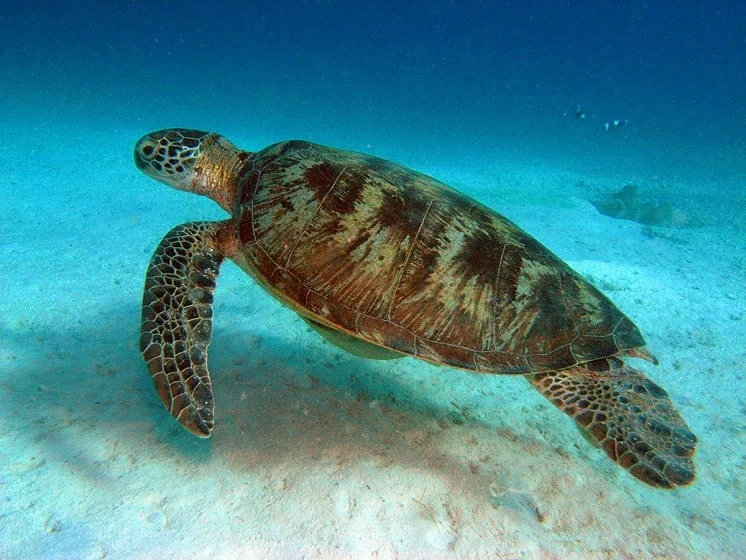
The Galapagos Islands, a volcanic archipelago situated approximately 600 miles off the coast of Ecuador, have solidified their status as a premier global destination for ecotourism and biological research. Known for a staggering array of endemic species and landscapes that served as the crucible for Charles Darwin’s theory of natural selection, the islands now face the complex challenge of balancing environmental preservation with a burgeoning tourism industry. Since the early 21st century, the region has seen an average of over 150,000 annual visitors. While the majority of this foot traffic is concentrated on the inhabited islands of San Cristobal and Santa Cruz, the Galapagos National Park Authority (GNPA) has taken proactive measures to decentralize tourism and mitigate the ecological footprint of human presence.
In 2011, the GNPA implemented a comprehensive set of regulations designed to restructure the logistics of maritime tourism. These rules adjusted the frequency and routes of cruise vessels, mandating a 15-day itinerary cycle that prevents any single site from being visited more than once within a two-week period. This regulatory shift was intended to alleviate "visitor fatigue" in popular areas and encourage operators to incorporate more remote, lesser-known islands into their schedules. The result has been a shift toward a "high-value, low-impact" model that prioritizes small-ship expeditions. For the modern traveler, these cruises offer access to restricted zones and specialized wildlife encounters that remain inaccessible to land-based tourists.
The Evolution of Galapagos Tourism Regulations
The 2011 regulatory overhaul marked a turning point in the management of the archipelago. Prior to these changes, a handful of easily accessible sites bore the brunt of tourism, leading to concerns over soil erosion, wildlife disturbance, and the introduction of invasive species. By diversifying the authorized landing sites, the GNPA successfully spread the economic benefits of tourism across a wider geographical area while simultaneously reducing the density of visitors at any given moment.
Data from the Galapagos Conservancy indicates that while land-based tourism has grown significantly, the cruise sector remains the most strictly monitored. Small vessels, typically carrying between 12 and 100 passengers, must adhere to rigid "leave no trace" protocols. These vessels are required to have certified naturalist guides for every 16 passengers, ensuring that educational components are integrated into every excursion. This structured approach has allowed for the preservation of seven specific experiences that highlight the unique biological and historical tapestry of the islands.
1. Specialized Deep-Sea Exploration at Wolf Island
Wolf Island, located in the far northwest of the archipelago, represents one of the most secluded and biologically significant marine environments on Earth. Positioned roughly 100 miles from the nearest major landmass, Isabela Island, Wolf has no permanent human population and is strictly off-limits for land excursions. The GNPA permits only live-aboard dive boats to frequent these waters, creating an exclusive environment for advanced scuba diving.
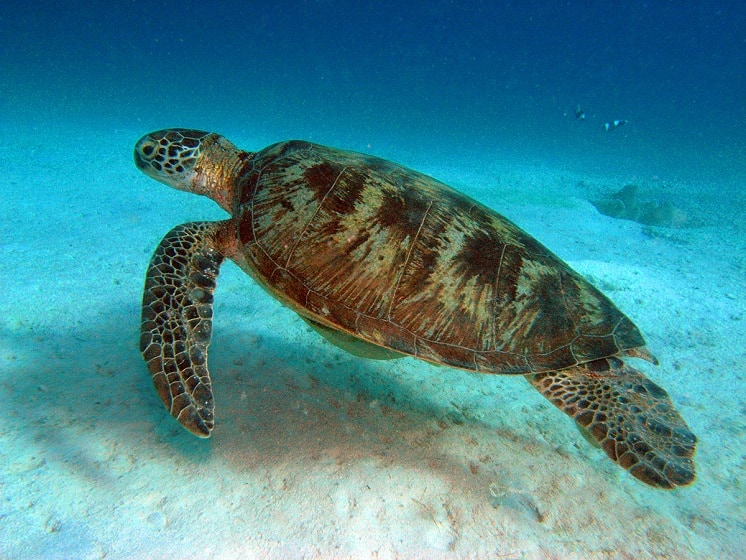
The primary draw for divers at sites like Shark Point is the convergence of major ocean currents, including the cold Humboldt Current and the warm Panama Current. This nutrient-rich "hydrographic crossroads" supports a massive biomass of apex predators. Scientific surveys in the Galapagos Marine Reserve—one of the largest protected marine areas in the world—consistently rank the waters around Wolf and neighboring Darwin Island as having the highest shark biomass ever recorded. Divers frequently encounter massive schools of Scalloped Hammerheads, Galapagos Sharks, and, during the peak months of June through November, the enigmatic Whale Shark. Due to the high-velocity currents and unpredictable swells, the GNPA and tour operators restrict these dives to individuals with advanced certifications, emphasizing safety alongside conservation.
2. Ornithological Density on Genovesa Island
Genovesa Island, often referred to as "Bird Island," provides a stark example of how isolated volcanic environments can become sanctuaries for avian life. The island is the remains of a collapsed caldera, creating a horseshoe-shaped bay (Darwin Bay) that protects a unique ecosystem. Unlike the central islands, Genovesa is home to species that are rarely seen elsewhere, such as the Red-footed Booby.
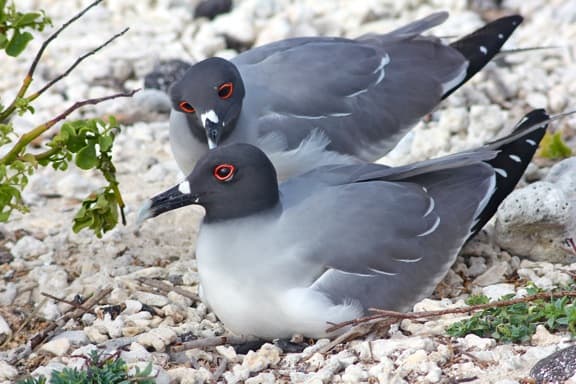
The hiking trails at Prince Philip’s Steps lead visitors through a landscape dominated by Palo Santo forests and low-lying shrubs, which serve as nesting grounds for thousands of birds. The lack of natural predators on the island has resulted in a phenomenon known as "island tameness," where wildlife shows little to no fear of humans. This allows for close-range observation of the Great Frigatebird’s elaborate mating displays, the nocturnal Swallow-tailed Gull, and the Short-eared Owl, which has adapted to hunt Storm Petrels during the daylight hours. For researchers and wildlife photographers, Genovesa offers a concentrated look at the Darwinian principles of adaptation within a very small geographical footprint.
3. Historical Communication Traditions at Floreana Island
Beyond its biological significance, the Galapagos archipelago possesses a rich and often eccentric human history. Floreana Island stands as a testament to the early attempts at colonization. In the 1920s and 30s, the island became the site of the "Galapagos Affair," a series of mysterious disappearances and deaths among German expatriates seeking a utopian lifestyle.
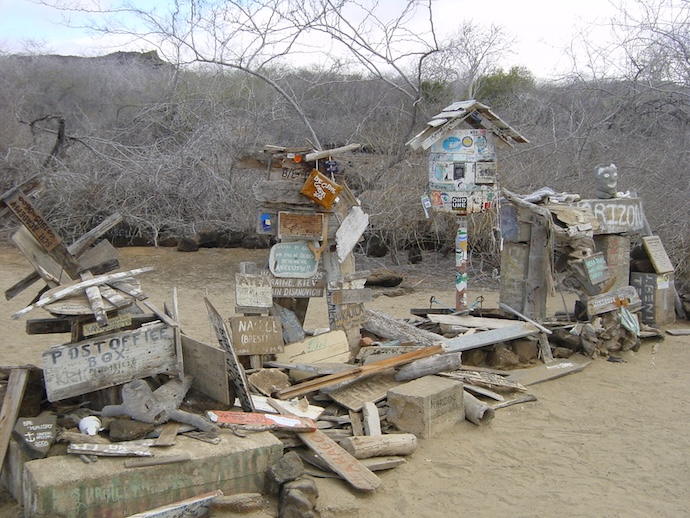
However, the island’s most enduring human legacy is Post Office Bay. Established in the late 18th century by British whalers, the "post office" consisted of a simple wooden barrel. Sailors, who were often away from home for years, would leave letters in the barrel. Passing ships heading toward the letters’ destinations would collect them and provide delivery. This tradition is maintained today by cruise passengers. Thousands of postcards are exchanged annually, with travelers sorting through the barrel to find mail addressed to locations near their own homes. This analog system of "hand-delivery" serves as a cultural link between the 18th-century maritime industry and modern ecotourism.
4. Marine Iguana Congregations on Fernandina Island
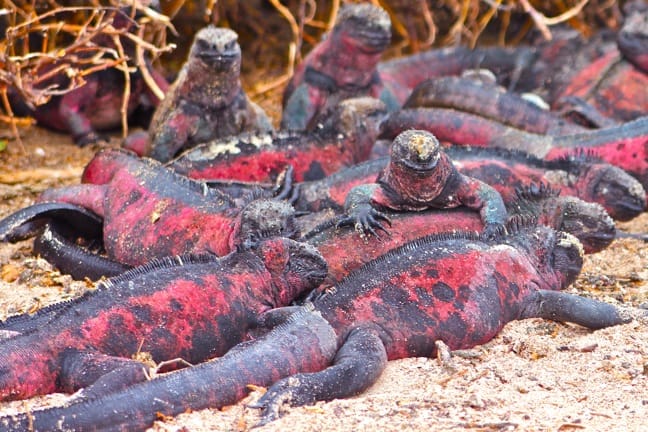
Fernandina is the youngest and most volcanically active island in the Galapagos, characterized by vast fields of black aa and pahoehoe lava. It is here that the Marine Iguana—the world’s only seafaring lizard—exists in its highest density. These endemic reptiles represent a remarkable evolutionary feat; they have developed flattened tails for swimming and specialized cranial glands to expel excess salt.
At sites like Punta Espinosa, hundreds of iguanas can be seen basking on the sun-warmed lava rocks to regulate their body temperature after foraging in the cold Pacific waters. The sight of these prehistoric-looking creatures "sneezing" salt spray is a common occurrence. Fernandina’s pristine state is largely due to its lack of introduced mammals, such as goats or rats, which have historically plagued other islands. Consequently, it offers a window into the archipelago’s state prior to human discovery.
5. Genetic Conservation and the Wolf Volcano
Isabela Island, the largest in the chain, is formed by six shield volcanoes. Wolf Volcano, the highest peak at 5,600 feet, is a site of intense scientific interest. Following its 2015 eruption, researchers renewed their focus on the unique genetic lineages found on its slopes. The volcano is home to a specific subspecies of Galapagos Tortoise with a saddleback shell, an adaptation for reaching higher vegetation in arid environments.
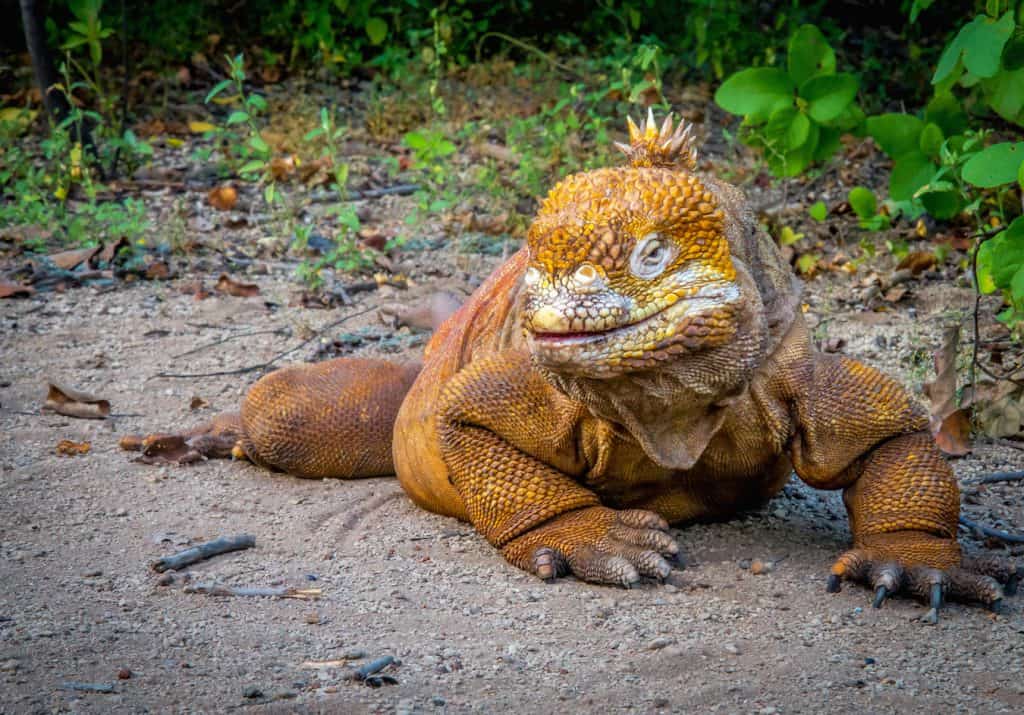
Of particular importance is the ongoing work by the Galapagos Conservancy and the Charles Darwin Foundation to "resurrect" extinct lineages. Genetic testing has revealed that some tortoises on Wolf Volcano possess DNA from the Pinta Island and Floreana Island species, which were previously thought to be extinct (including the lineage of the famous Lonesome George). By selectively breeding these individuals, scientists aim to restore the ecological balance of islands where tortoises once acted as primary herbivores. Additionally, Wolf Volcano is the sole habitat of the Pink Land Iguana, a species not formally described until 2009, which represents a deep evolutionary split from other land iguanas dating back over five million years.
6. Aquatic Agility at Tagus Cove
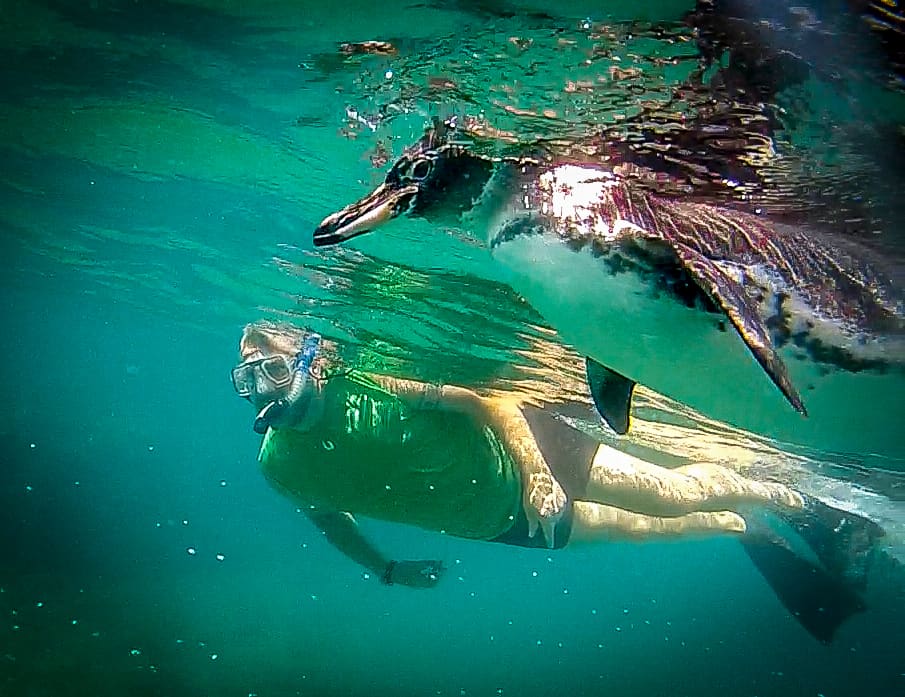
Tagus Cove, located on the western coast of Isabela, served as a historical anchorage for pirates and whalers, whose ship names remain etched into the cliffs. Today, it is a critical site for observing the Galapagos Penguin. As the only penguin species to live north of the equator, these birds rely on the cold, nutrient-rich waters brought by the Cromwell Current to survive in a tropical latitude.
Cruise-based snorkeling excursions in Tagus Cove allow for rare interactions with these flightless birds. While they appear clumsy on land, their underwater speed and agility are formidable. The population is highly sensitive to climate fluctuations; El Niño events, which warm the ocean surface and reduce food availability, have historically devastated penguin numbers. Continued monitoring in Tagus Cove is essential for the species’ long-term survival strategy, as they are currently classified as endangered by the IUCN.
7. The Social Dynamics of Gardner Bay
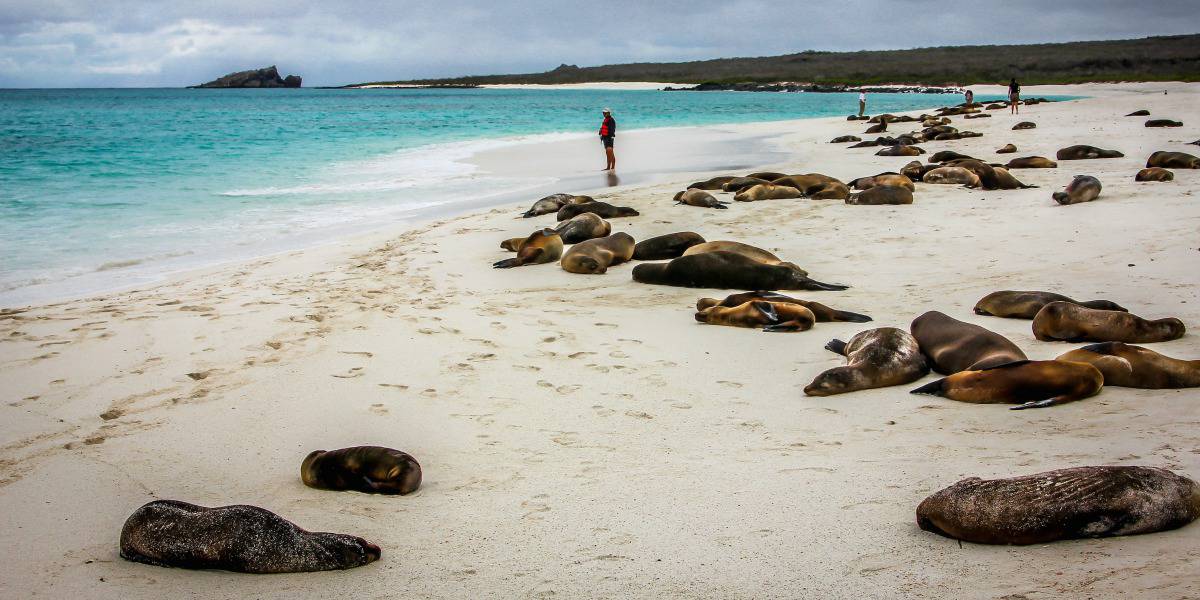
Española Island, the southernmost island in the archipelago, is one of the oldest, with an estimated age of four million years. Gardner Bay is renowned for its expansive white coral sand beach, which serves as a major nursery for the Galapagos Sea Lion. These marine mammals are highly social and play a vital role in the island’s ecosystem.
Observations at Gardner Bay provide insight into the complex social hierarchies of sea lion colonies. During the breeding season, dominant bulls aggressively defend stretches of beach, while "bachelor" colonies form in less desirable areas. The interaction between nursing pups and their mothers, combined with the presence of endemic Española Mockingbirds—known for their fearless and inquisitive nature—creates a unique environment for behavioral study. Because Española is so isolated, the species here, including the Waved Albatross, have evolved in total seclusion, making the island a "must-visit" for those seeking a comprehensive understanding of Galapagos biodiversity.
Analysis of Broader Impacts and Future Outlook
The shift toward regulated, small-ship cruising has proven to be a successful strategy for the Galapagos National Park Authority. By limiting the number of visitors at sensitive sites and enforcing strict itinerary rotations, the GNPA has managed to maintain the integrity of the ecosystem despite the global rise in tourism demand.
However, challenges remain. The rise of land-based "day-trips" from Puerto Ayora and Puerto Baquerizo Moreno presents a different set of pressures, including increased demand for fresh water, waste management issues, and a higher risk of "urbanizing" the wild spaces. In response, environmental groups are advocating for even stricter entry requirements and a potential cap on the total number of tourists allowed into the province annually.
The economic implications are equally significant. Tourism accounts for over 80% of the Galapagos economy. The move toward high-end cruises ensures that a significant portion of the revenue is funneled back into conservation efforts through park entrance fees and permits. As the archipelago continues to navigate the pressures of the 21st century, the model of small-ship cruising stands as a global benchmark for sustainable travel, proving that it is possible to provide profound human experiences without compromising the survival of the world’s most vulnerable species.

