

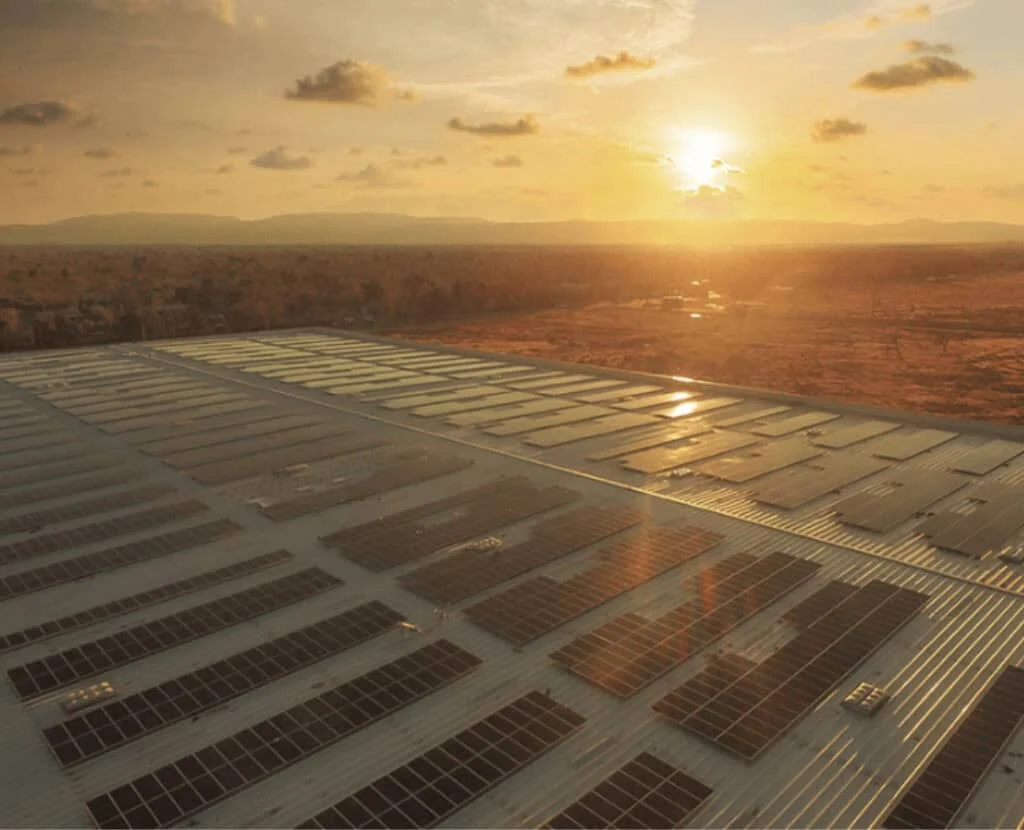
This shift is no longer merely a pursuit of environmental idealism; it has evolved into a pragmatic, cost-saving strategy for millions of households. With energy prices fluctuating and the cost of solar hardware declining, the financial incentive to achieve energy independence has never been stronger. For Australian residents and business owners, the marketplace is now populated with sophisticated brands offering advanced home energy storage and solar solutions. Understanding the key players in this space—ranging from local specialists to global tech giants—is essential for navigating a landscape that is redefining how the nation powers its infrastructure.
The Evolution of the Australian Renewable Landscape
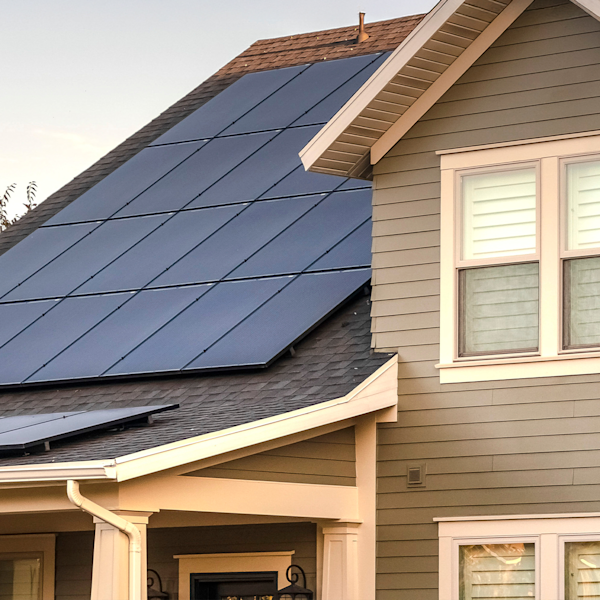
The trajectory of Australia’s energy sector has been defined by a rapid move toward decentralization. In the early 2010s, renewable energy was largely seen as a niche market supported by government subsidies. However, between 2015 and 2024, the "solar rooftop revolution" transformed Australia into a global leader in per-capita solar penetration. By 2025, one in three Australian households had installed solar panels, a statistic that leads the world.
The chronology of this transition can be traced through several key phases. Initially, the focus was on large-scale wind and solar farms. This was followed by the mass adoption of residential solar PV (photovoltaic) systems. Currently, the market is entering the "storage phase," where the integration of high-capacity batteries allows consumers to manage the intermittency of solar power. The Australian federal government’s commitment to achieving 82% renewable energy by 2030 under the "Rewiring the Nation" program has further accelerated investment in grid-scale and residential storage solutions.
1. VoltX Energy: Localized Innovation for the Australasian Market
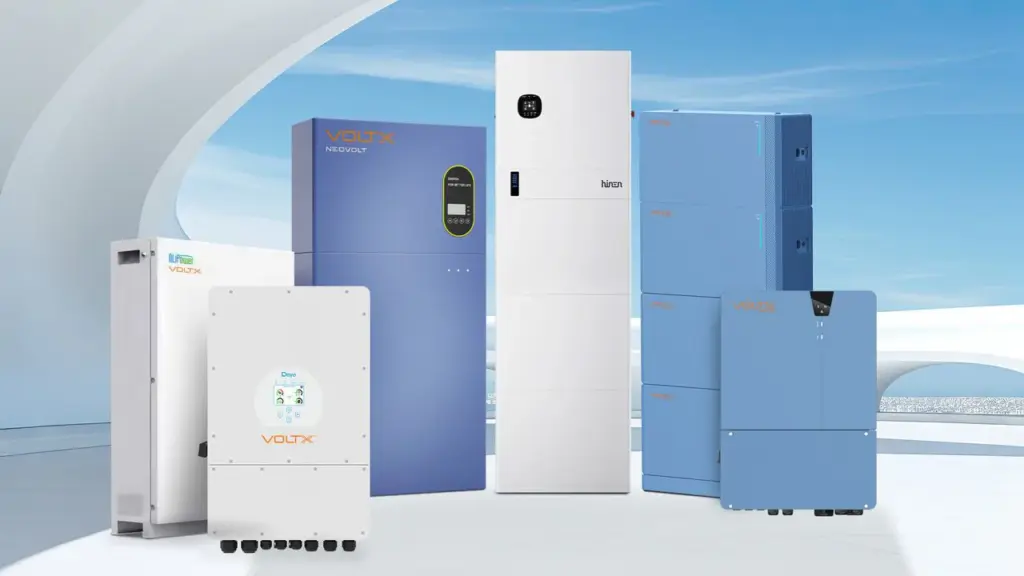
VoltX Energy has emerged as a significant contender by focusing specifically on the unique environmental and regulatory requirements of the Australian and New Zealand markets. Unlike some global brands that offer a one-size-fits-all product, VoltX has built its reputation on engineering reliable, high-performance home battery systems that can withstand the intense heat and varied climates of the southern hemisphere.
Their product range spans from entry-level solar batteries to comprehensive home energy management systems (HEMS). The core philosophy of VoltX is the simplification of energy storage. Their systems are designed for seamless integration with existing solar arrays, allowing homeowners to retro-fit storage capabilities without the need for a total system overhaul. By offering locally backed technical support and warranties, VoltX addresses a primary concern for Australian consumers: the longevity and serviceability of their investment in a market often dominated by distant international corporations.
2. Tesla Energy: Setting the Global Standard for Integration
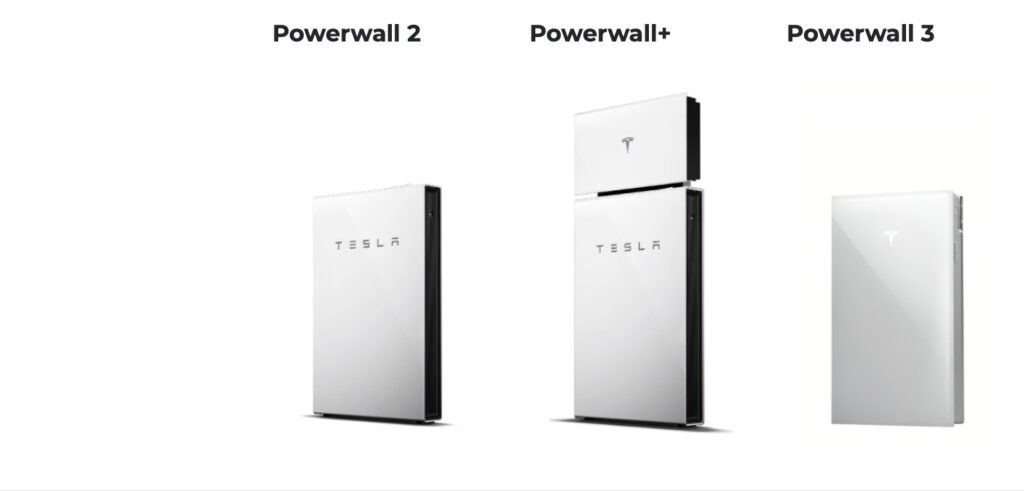
Tesla Energy, a subsidiary of the global electric vehicle and technology firm, remains perhaps the most recognizable name in the clean energy sector. The Tesla Powerwall has become synonymous with home energy storage, offering a sleek, minimalist design that belies its complex internal engineering. The latest iteration, the Powerwall 3, represents a significant leap forward by integrating a solar inverter directly into the battery unit.
This integration simplifies the installation process and enhances overall system efficiency by reducing the energy lost during the conversion from DC (direct current) to AC (alternating current). Beyond hardware, Tesla’s competitive advantage lies in its software ecosystem. Through the Tesla app, users can monitor energy production and consumption in real-time, participate in Virtual Power Plants (VPPs) to sell excess energy back to the grid during peak demand, and coordinate their home energy usage with their electric vehicle charging. While positioned at a premium price point, the Powerwall’s build quality and sophisticated energy management software make it a primary choice for those seeking a fully integrated "smart home" experience.
3. SunPower: High-Efficiency Solar Technology
While batteries are essential for storage, the efficiency of the initial energy capture remains the foundation of any clean energy system. SunPower has consistently led the industry in solar panel efficiency and durability. Utilizing Maxeon cell technology, SunPower panels are designed to produce more energy per square meter than conventional panels. This is a critical factor for urban Australian homes where roof space is often limited.
The durability of SunPower products is backed by some of the most comprehensive warranties in the renewable sector, often spanning 25 to 40 years. This longevity is achieved through a unique solid copper foundation in the cells, which prevents the cracking and corrosion that can plague cheaper alternatives in Australia’s high-UV environment. Although the upfront cost is higher than many competitors, the long-term return on investment (ROI) is often superior due to the panels’ slower degradation rates and higher energy yield over several decades.
4. Fronius: The Engineering Heart of Solar Systems
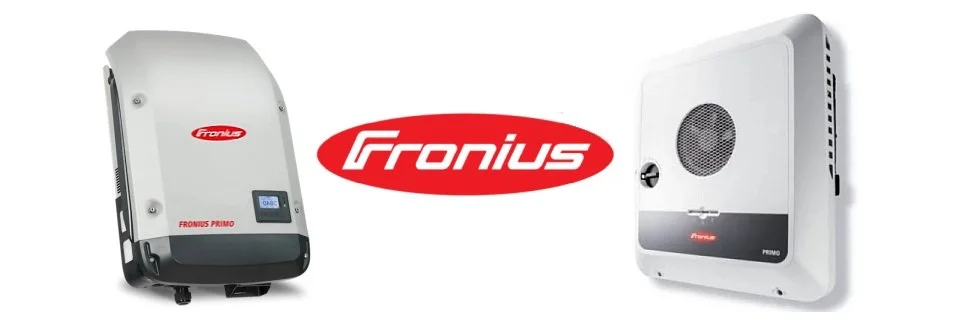
Based in Austria, Fronius is widely regarded by industry professionals as a leader in solar inverter technology. If solar panels are the "engine" of a system and batteries are the "fuel tank," the inverter is the "transmission" that makes the energy usable. Fronius inverters are celebrated for their "SnapInverter" design, which allows for easy installation and servicing, and their advanced communication capabilities.
The Fronius Primo and Symo series are staples in Australian solar installations due to their high reliability in harsh conditions. These inverters feature sophisticated data logging and "smart grid" features, allowing them to communicate with battery systems and electric vehicle chargers to optimize energy flows. For many Australian installers, pairing a Fronius inverter with a high-quality battery (such as those from BYD or Tesla) is considered the "gold standard" for a robust, high-uptime residential power plant.
5. BYD: Scalable and Safe Energy Storage
BYD (Build Your Dreams) has leveraged its position as one of the world’s largest manufacturers of electric vehicles and rechargeable batteries to dominate the modular home storage market. The BYD Battery-Box range is particularly popular in Australia due to its modularity. Homeowners can start with a single battery module and stack additional units as their energy needs or budget grow.
A key technical differentiator for BYD is its use of Lithium Iron Phosphate (LFP) chemistry. Compared to the Nickel Manganese Cobalt (NMC) chemistry used in some other lithium batteries, LFP is widely considered safer, more stable, and capable of a higher number of charge cycles. This makes BYD an attractive option for budget-conscious households that do not want to compromise on safety or long-term reliability. Their systems are highly compatible with a wide range of leading inverter brands, including Fronius and SMA, providing consumers with significant flexibility in system design.
Supporting Data and Industry Analysis
The rapid adoption of these brands is supported by global trends identified by the International Energy Agency (IEA). The IEA notes that the global shift to renewables is accelerating faster than any previous energy transition in history. In Australia, this is evidenced by the falling "levelized cost of energy" (LCOE) for solar and wind, which are now the cheapest forms of new-build electricity generation in the country.
Data from the Clean Energy Regulator indicates that as of 2024, the average size of a residential solar system in Australia has increased to nearly 9kW, up from just 3kW a decade ago. This increase in capacity reflects a shift in consumer behavior: households are no longer just looking to offset their daytime usage; they are looking to power their entire lives, including heating, cooling, and transportation, through self-generated green energy.
Official Responses and Market Implications
The Australian government’s response to this private-sector growth has been to focus on grid stability. Energy ministers have frequently emphasized the importance of "firming" renewable energy through storage. The rise of brands like Tesla, BYD, and VoltX provides the distributed storage necessary to stabilize a grid that is increasingly reliant on variable weather conditions.
Market analysts suggest that the proliferation of these brands is also driving down prices through healthy competition. Resources like EnergySage have become vital for consumers to compare technical specifications and warranties, ensuring transparency in a market that was once criticized for its complexity. The implication for the broader economy is a gradual reduction in the nation’s "energy inflation," as households with high-efficiency solar and storage systems are largely insulated from global fossil fuel price shocks.
Broader Impact and Future Outlook
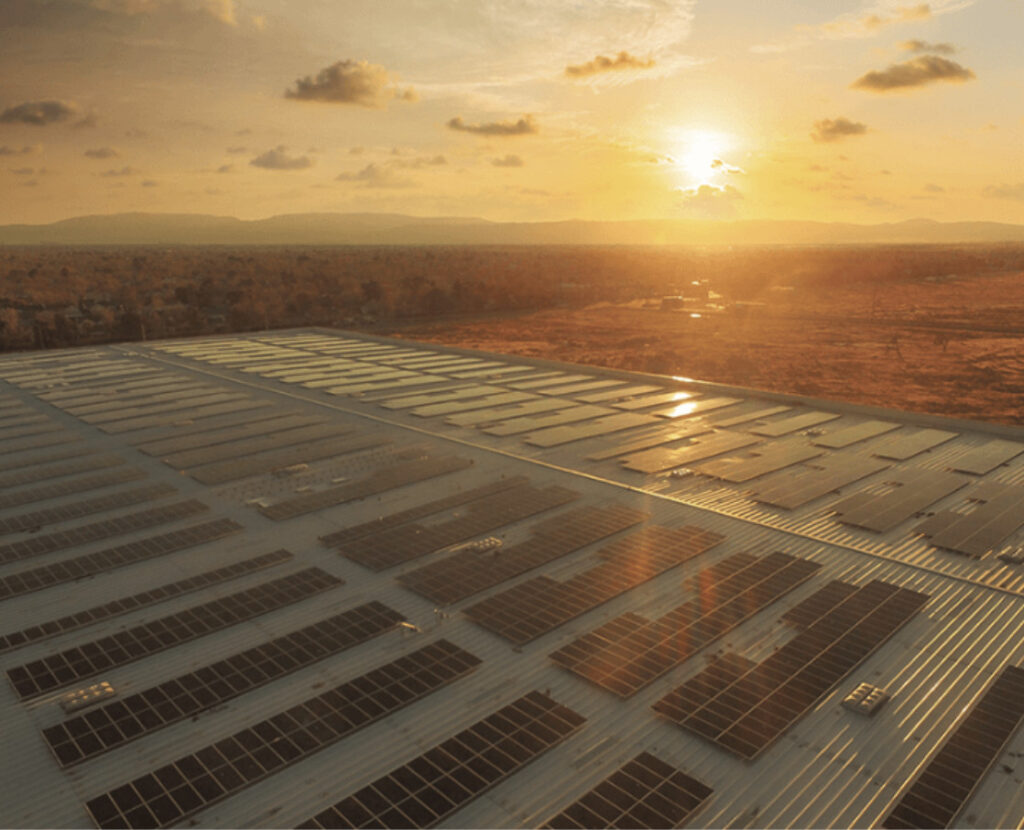
The success of these five brands represents a broader shift in the Australian identity—from a nation traditionally reliant on coal and gas exports to a global pioneer in distributed renewable energy. The integration of high-efficiency panels (SunPower), intelligent inverters (Fronius), and scalable storage (VoltX, Tesla, BYD) is creating a decentralized "grid of the future."
As Australia moves toward its 2030 and 2050 climate targets, the role of these companies will likely expand into commercial and industrial sectors. The transition is currently being bolstered by the development of community batteries and the expansion of the electric vehicle charging network. For the Australian consumer, the message is clear: the technology has matured, the financial benefits are quantifiable, and the infrastructure to support energy independence is now readily available. The continued monitoring of these brands will provide a roadmap for the next decade of the global energy transition.

