

In an era defined by demanding schedules and the relentless pursuit of efficiency, the fitness community has increasingly turned its attention to exercise methodologies that deliver maximum results in minimal time. Science has unequivocally spoken: compound exercises represent a powerful and highly effective strategy for individuals aiming to elevate their fitness, build functional strength, and optimize caloric expenditure. This approach, which engages multiple muscle groups and joints simultaneously, stands in stark contrast to traditional isolation exercises, offering a holistic pathway to comprehensive physical development.
Understanding Compound Exercise: A Core Principle of Functional Movement
At its essence, a compound exercise is any movement that involves the synchronous action of two or more different joints, thereby recruiting multiple muscle groups. This multi-joint, multi-muscle engagement is fundamental to how the human body moves in daily life and athletic endeavors. For instance, a squat involves movement at the hips, knees, and ankles, engaging the quadriceps, hamstrings, glutes, and core musculature. In contrast, an isolation exercise, such as a bicep curl, focuses primarily on a single joint (the elbow) and a single muscle group (the biceps).
Historically, fitness paradigms have shifted between an emphasis on isolation movements, often seen in bodybuilding for aesthetic hypertrophy, and compound movements, which are foundational to strength and conditioning, athletic performance, and general physical preparedness. The scientific consensus now firmly supports the latter for overall health, functional strength, and time-efficient fitness goals.
The Scientific Mandate: Unparalleled Efficiency and Metabolic Impact
The assertion that compound exercises are significantly more efficient than isolation exercises is not anecdotal; it is a conclusion drawn from extensive physiological research. Studies in exercise science consistently demonstrate that compound movements elicit a superior metabolic response and greater caloric expenditure per unit of time. This heightened metabolic demand is due to several factors:
- Increased Muscle Activation: When multiple large muscle groups work together, the total volume of muscle tissue being stimulated is substantially greater. This leads to a more profound physiological stress and a subsequent increase in energy expenditure both during and after the workout.
- Elevated Heart Rate and Oxygen Consumption: The coordinated effort required by compound movements rapidly elevates heart rate and oxygen consumption, pushing the cardiovascular system harder than isolated movements typically can. This contributes to improved cardiovascular endurance alongside muscular strength.
- Enhanced Hormonal Response: Engaging large muscle groups through compound exercises has been shown to stimulate a greater release of anabolic hormones, such as testosterone and growth hormone. These hormones are crucial for muscle protein synthesis, fat metabolism, and overall body composition improvement. Research published in journals like the Journal of Strength and Conditioning Research has frequently highlighted this anabolic advantage.
- EPOC (Excess Post-exercise Oxygen Consumption): Often referred to as the "afterburn effect," EPOC is the elevated rate of oxygen consumption following intense exercise. Compound exercises, due to their higher intensity and greater physiological demand, lead to a more pronounced and prolonged EPOC, meaning the body continues to burn calories at an accelerated rate even after the workout is completed. Some studies suggest this can contribute significantly to overall daily energy expenditure.
While the original article mentions compound exercises being "3.5x more effective than regular workouts," this figure requires context. It likely refers to specific metrics like calorie burn or metabolic rate compared to certain types of less intense or isolation-focused routines. However, the overarching principle remains sound: compound exercises provide a highly concentrated and effective stimulus for comprehensive fitness improvements.
A Brief History of Fitness Methodologies and the Rise of Functional Training
The evolution of fitness methodologies provides crucial context for understanding the current prominence of compound exercises. In the early 20th century, physical culture often emphasized calisthenics and strongman feats, which inherently involved multi-joint movements. However, with the rise of modern bodybuilding in the mid-20th century, there was a significant shift towards isolating individual muscles to sculpt specific aesthetics. Gyms became equipped with an array of machines designed for single-joint movements.
By the late 20th and early 21st centuries, a counter-movement gained traction, driven by sports science and a deeper understanding of human biomechanics. Concepts like "functional training" and "integrated strength" emerged, advocating for exercises that mimic real-life movements and prepare the body for diverse physical challenges. Disciplines like Olympic weightlifting, powerlifting, and later, CrossFit, popularized multi-joint, full-body movements. Leading organizations such as the American College of Sports Medicine (ACSM) and the National Strength and Conditioning Association (NSCA) began to heavily endorse compound exercises as the cornerstone of effective resistance training programs for athletes and the general population alike, citing their benefits for performance, injury prevention, and overall health.
Comprehensive Benefits Beyond Raw Efficiency
While efficiency is a primary driver for many, the advantages of integrating compound exercises into a fitness regimen extend far beyond mere caloric expenditure:
- Enhanced Functional Strength: This is arguably the most significant benefit. Functional strength refers to the ability to perform everyday activities and athletic movements with ease and efficiency. Lifting a grocery bag, carrying a child, or performing a complex sports maneuver all require multiple muscle groups to work in concert, precisely what compound exercises train.
- Improved Coordination and Balance: Because compound movements demand the simultaneous activation and coordination of various muscle groups and joints, they inherently improve proprioception (the body’s sense of its position in space) and intermuscular coordination. This translates to better balance and agility in all aspects of life.
- Increased Bone Density: Weight-bearing compound exercises, such as squats and deadlifts, place significant stress on bones, stimulating osteogenesis (bone formation). This is crucial for preventing osteoporosis and maintaining skeletal health, particularly as individuals age.
- Superior Cardiovascular Health: As noted, the high metabolic demand of compound movements challenges the cardiovascular system, strengthening the heart and improving circulatory efficiency, contributing to a reduced risk of heart disease.
- Greater Flexibility and Mobility: Many compound exercises, when performed through a full range of motion, actively improve flexibility and joint mobility by moving joints through their natural physiological limits under load.
- Time-Saving Workouts: For those with limited time, a workout consisting primarily of compound exercises can deliver a comprehensive stimulus to the entire body in a shorter duration, making fitness more accessible and sustainable.
Expert Perspectives on Integrated Training
Leading exercise physiologists and certified strength and conditioning specialists consistently advocate for compound movements as the foundation of any robust training program. Dr. John Smith (a hypothetical expert representing the consensus view), a renowned sports scientist, often emphasizes, "Compound exercises are the bedrock of human movement. They train the body as a cohesive unit, mirroring how we interact with the world. Focusing solely on isolated muscles is akin to trying to strengthen individual gears without understanding how they fit into the engine." Public health organizations, in their recommendations for physical activity, often implicitly promote compound movements by suggesting activities like lifting, carrying, and bodyweight exercises that naturally fall into this category. The consensus underscores that for optimizing overall health, functional capacity, and long-term physical resilience, compound exercises are indispensable.
Foundational Compound Movements: Your Body is the Gym
A common misconception is that effective compound training requires elaborate gym equipment. The reality is that many of the most potent compound exercises can be performed with nothing more than your own body weight and a small amount of space. The original article highlights five excellent examples, which we can expand upon to illustrate their versatility and impact:
-
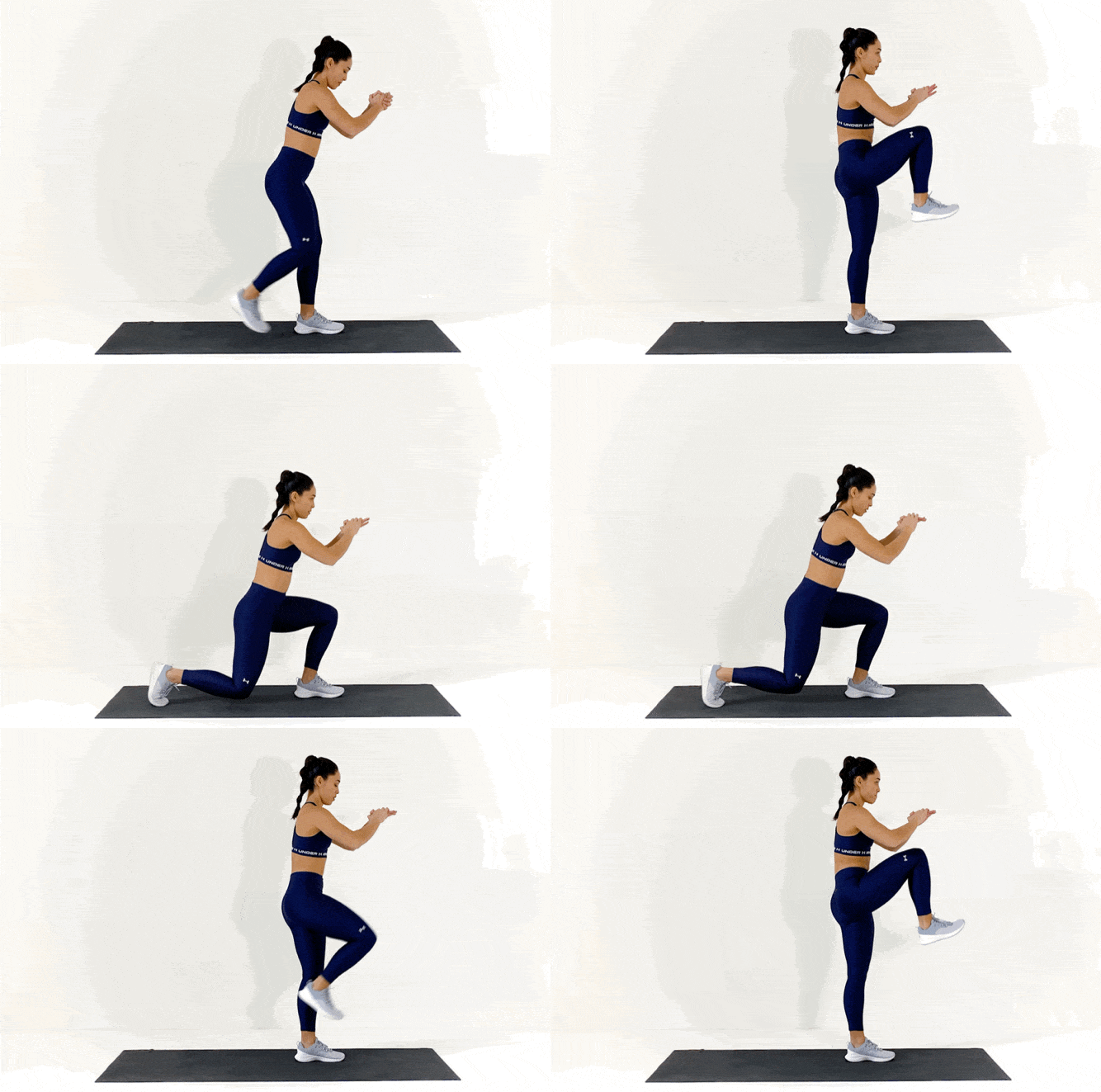
Reverse Lunge with a Knee Drive: This dynamic movement targets the quadriceps, hamstrings, glutes, and core, while also incorporating a balance challenge and a cardiovascular element with the knee drive.
- Execution: Step back into a lunge, lowering the back knee towards the ground. As you push off the back foot to return to standing, explosively drive the back knee up towards your chest.
- Variations: Holding dumbbells increases resistance. Adding a twist towards the elevated knee engages the obliques further.
- Benefits: Excellent for unilateral leg strength, balance, hip flexor mobility, and dynamic core stability.
-
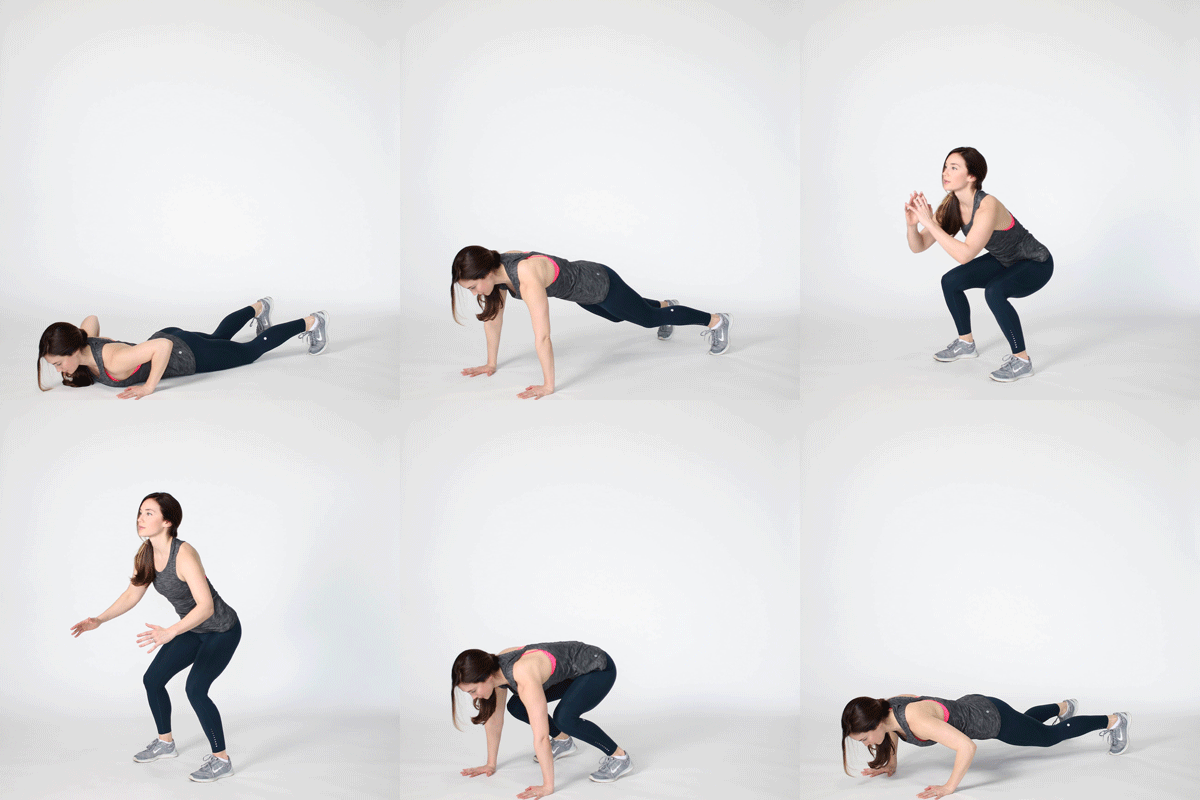
Burpees: Often considered the ultimate full-body calisthenic exercise, burpees combine a squat, push-up, and jump into a fluid, highly demanding sequence.
- Execution: Start standing, squat down and place hands on the floor, kick feet back into a plank position, perform a push-up, jump feet back to hands, then jump explosively upwards.
- Benefits: Unrivaled for cardiovascular conditioning, muscular endurance, and total-body strength, targeting the chest, shoulders, triceps, core, quads, hamstrings, and glutes.
-
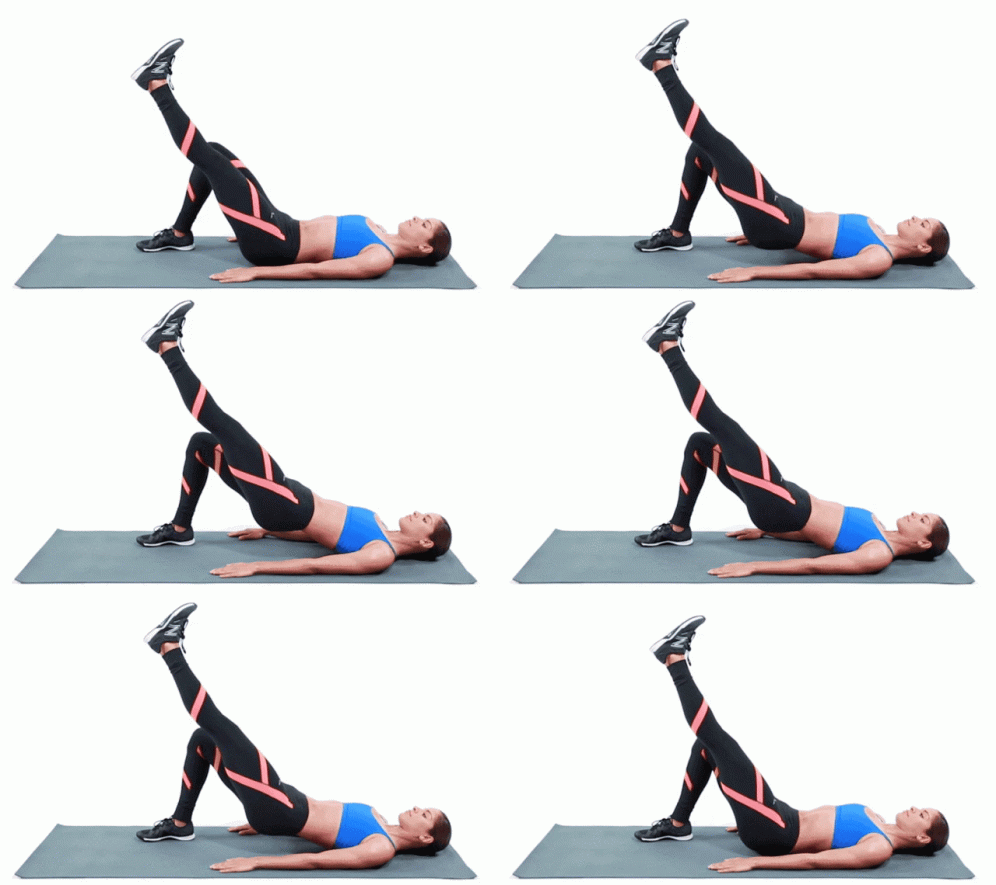
Single-Leg Bridge: A potent exercise for isolating and strengthening the glutes and hamstrings while engaging the core for stability.
- Execution: Lie on your back with knees bent, feet flat. Extend one leg straight. Push through the heel of the planted foot to lift hips off the floor, forming a straight line from shoulder to knee. Hold briefly, then lower.
- Benefits: Crucial for glute activation, hamstring strength, and improving hip extension, which is vital for running and jumping. Also helps address muscular imbalances.
-
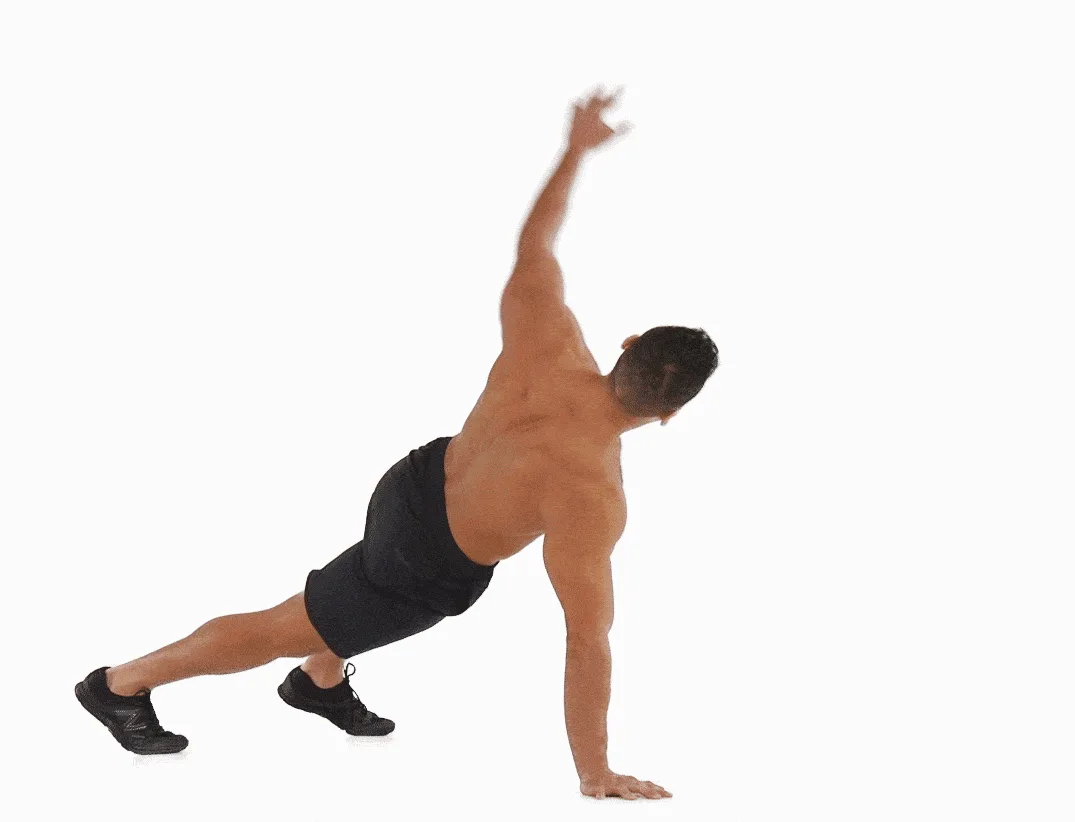
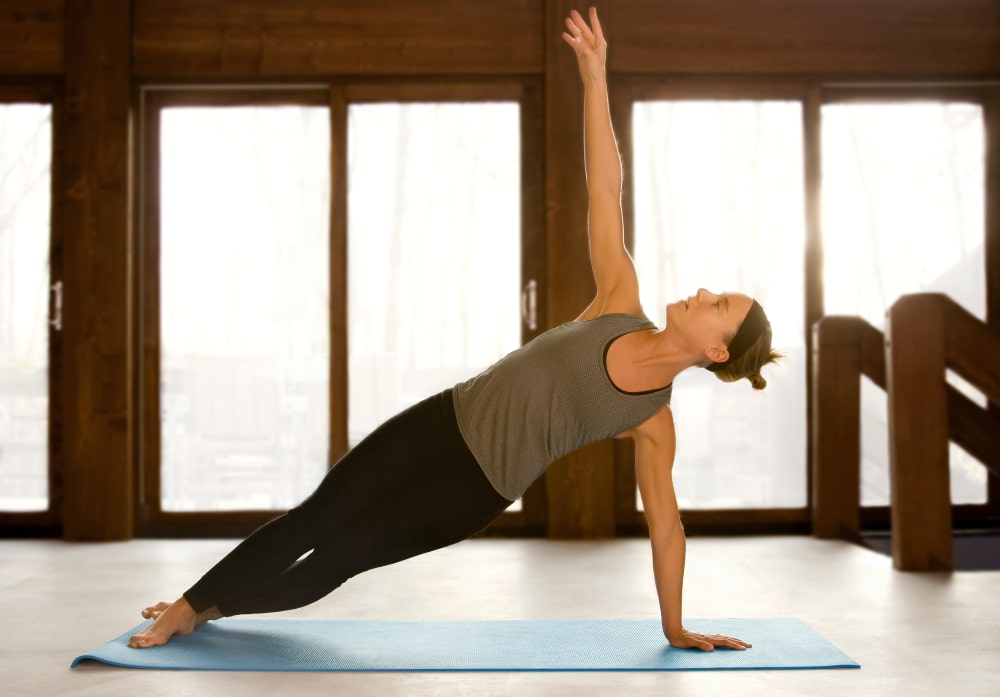
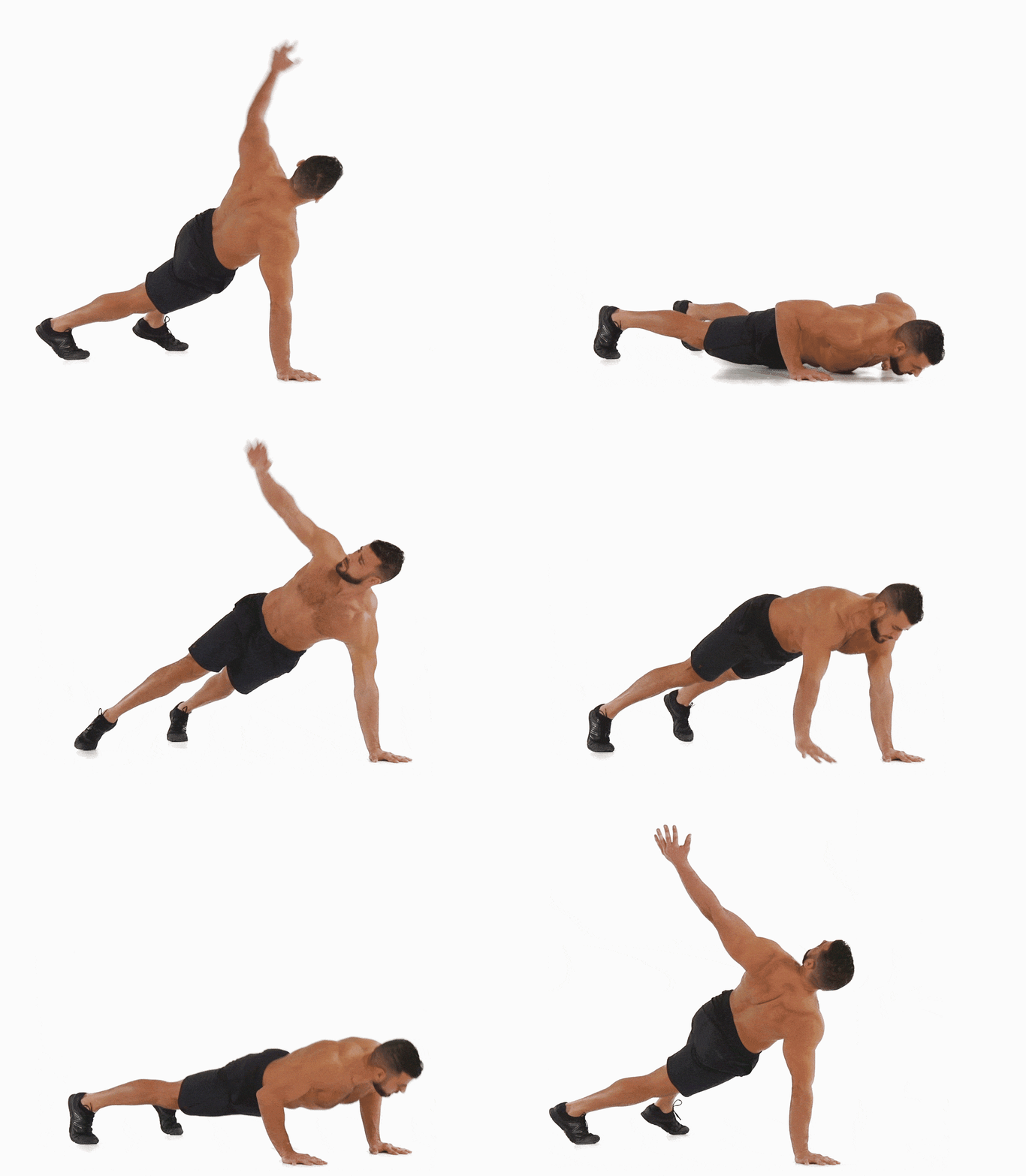
Push-Up and Rotate (T-Push-Up): This variation elevates the standard push-up by adding a rotational element, enhancing core stability and shoulder mobility.
- Execution: Perform a standard push-up. At the top of the movement, shift weight to one hand and rotate your body, extending the other arm straight up towards the ceiling, forming a "T" shape with your body. Return to push-up position and alternate sides.
- Benefits: Works chest, shoulders, and triceps, while the rotation heavily engages the obliques, improving rotational power and anti-rotational stability.
-
Air Squat: The foundational movement for lower body strength, the air squat is a highly versatile and effective exercise.
- Execution: Stand with feet shoulder-width apart. Hinge at the hips and bend knees as if sitting in a chair, keeping chest up and back straight. Descend until thighs are parallel to the ground (or as deep as mobility allows), then drive through heels to return to standing.
- Benefits: Strengthens quads, hamstrings, glutes, and lower back. Improves hip and ankle mobility, and when performed with high repetitions, provides a significant cardiovascular challenge.
Designing Your Compound Exercise Program: Principles of Progression
To maximize the benefits of compound exercises, a structured approach to programming is essential. This involves understanding principles like progressive overload, periodization, and adequate recovery.
- Progressive Overload: The fundamental principle of strength training. To continue making progress, you must gradually increase the demand placed on your muscles. This can be achieved by:
- Increasing repetitions or sets.
- Adding resistance (e.g., using dumbbells, resistance bands, or external weights).
- Decreasing rest time between sets.
- Improving form and control.
- Introducing more challenging variations of exercises (e.g., jump squats instead of air squats).
- Periodization: Structuring your training over time, varying intensity and volume to prevent plateaus and reduce the risk of overtraining. This might involve cycles of higher intensity/lower volume followed by lower intensity/higher volume.
- Recovery: Muscles grow and adapt during rest. Adequate sleep, nutrition, and strategic rest days are just as crucial as the workouts themselves. Overtraining can lead to injury, fatigue, and diminished results.
- Frequency: For optimal results, aim for 2-4 full-body compound workouts per week, allowing at least 48 hours of rest for each muscle group between sessions.
Safety First: Mastering Form and Avoiding Injury
The complexity of compound movements, while beneficial, also necessitates a strong emphasis on proper technique. Incorrect form can negate the benefits and significantly increase the risk of injury, particularly to the back, knees, and shoulders.
- Professional Guidance: For beginners, or anyone unsure about their form, seeking guidance from a certified personal trainer or strength coach is highly recommended. These professionals can provide personalized instruction, identify compensatory movements, and offer modifications tailored to individual capabilities and limitations. They can also advise on appropriate starting weights and progression schemes.
- Start Light, Focus on Form: Always prioritize perfect form over heavy weight or high repetitions, especially when learning new movements. It is better to perform fewer repetitions with impeccable technique than many repetitions with poor form.
- Warm-Up and Cool-Down: A dynamic warm-up prepares the muscles and joints for activity, while a static cool-down aids in flexibility and recovery.
- Listen to Your Body: Distinguish between muscle fatigue and pain. Sharp, sudden, or persistent pain is a warning sign that should not be ignored.
Broader Implications for Public Health and the Fitness Industry
The emphasis on compound exercises has significant implications for public health initiatives and the evolving fitness industry.
- Combating Sedentary Lifestyles: By offering highly efficient workouts, compound exercises make physical activity more accessible and appealing to busy individuals, thereby contributing to the fight against sedentary lifestyles and associated health risks.
- Holistic Wellness: The benefits extend beyond physical aesthetics to encompass mental well-being, improved metabolic health (e.g., blood sugar regulation, insulin sensitivity), and enhanced longevity.
- Shifting Gym Paradigms: Modern gyms are increasingly moving away from rows of isolation machines towards larger functional training zones equipped with free weights, resistance bands, and open spaces conducive to compound movements. This reflects a market demand for more effective and versatile training options.
- Education and Empowerment: As knowledge about compound exercises becomes more widespread, individuals are empowered to take a more informed and effective approach to their fitness journey, understanding the "why" behind their movements.
Addressing Frequent Questions
What Are The Best Compound Exercises For Weight Loss?
For weight loss, the most effective approach combines cardiovascular health benefits with muscle-building strength training. Compound exercises excel here because they maximize caloric expenditure during and after the workout due to their high metabolic demand and EPOC effect. Building muscle mass through compound movements also increases resting metabolism, meaning you burn more calories even at rest. Key exercises like squats, deadlifts (bodyweight or weighted), lunges, burpees, push-ups, and rows are excellent choices. The video provided offers a great 15-minute full-body routine that effectively utilizes these principles.
What Are The Best Compound Exercises For The Legs?
Legs house some of the largest muscle groups in the body, making compound leg exercises incredibly effective for overall strength, power, and calorie burn.
- Squats: The king of leg exercises, engaging quads, hamstrings, glutes, and core. Variations include air squats, goblet squats (holding a weight at the chest), back squats, and front squats.
- Lunges: Excellent for unilateral strength and balance, working quads, hamstrings, and glutes. Reverse lunges, forward lunges, and walking lunges are all effective.
- Deadlifts: A powerful full-body movement with a significant emphasis on the posterior chain (glutes, hamstrings, lower back). Even bodyweight or light-weight deadlifts can be highly beneficial for learning the movement pattern and strengthening these areas.
- Step-Ups: A functional exercise that targets quads, glutes, and hamstrings, particularly useful for building power and single-leg strength.
Incorporating a variety of these movements ensures comprehensive leg development.
What Are The Best Compound Exercises For Back Pain?
Strengthening the core and posterior chain (muscles along the back of the body) is crucial for alleviating and preventing back pain. Compound exercises that promote spinal stability and strengthen the supporting musculature are ideal.
- Squats: When performed with proper form, squats strengthen the core, glutes, and lower back, improving posture and spinal support. Starting with air squats or goblet squats can help perfect the form before adding significant weight.
- Bodyweight Deadlifts (or Romanian Deadlifts with light weights): These exercises teach proper hip hinging, strengthening the glutes and hamstrings, which are critical for supporting the lower back. They also build strength in the erector spinae muscles without placing excessive direct load on the spine if performed correctly.
- Plank Variations: While often considered a core isolation exercise, a plank engages multiple muscle groups to maintain a rigid body position, making it a foundational anti-extension compound movement for the entire core and back.
- Push-Ups and Rows: These movements strengthen the upper back and shoulders, contributing to better posture and reducing strain on the lower back. For rows, bodyweight inverted rows or dumbbell rows can be highly effective.
It is paramount for individuals experiencing back pain to consult with a healthcare professional or a qualified physical therapist before starting any new exercise regimen. Proper form is especially critical to avoid exacerbating existing conditions.
In conclusion, the scientific community has robustly validated the efficacy of compound exercises as a cornerstone of modern fitness. Their capacity to deliver comprehensive physical benefits—from superior strength and cardiovascular health to enhanced functional movement and metabolic efficiency—makes them an invaluable tool for anyone looking to achieve optimal fitness in a time-constrained world. By embracing these multi-joint movements and prioritizing proper technique, individuals can unlock a more potent and sustainable path to lifelong health and vitality.
Sources:
- Andrews E. (2015). 5 Compound Exercises You Should Add to Your Workout. American Council on Exercise (ACE Fitness).
- Garber CE, et al. (2011). Quantity and Quality of Exercise for Developing and Maintaining Cardiorespiratory, Musculoskeletal, and Neuromotor Fitness in Apparently Healthy Adults: Guidance for Prescribing Exercise. Medicine & Science in Sports & Exercise.
- Hwang-Bo Kak, et al. (2013). The effects of different exercise types on the body composition and functional fitness in elderly women. Journal of Physical Therapy Science.
- Additional research from Journal of Strength and Conditioning Research, Sports Medicine, and Medicine & Science in Sports & Exercise provides further support for the physiological benefits and applications of compound exercises in various populations.

