

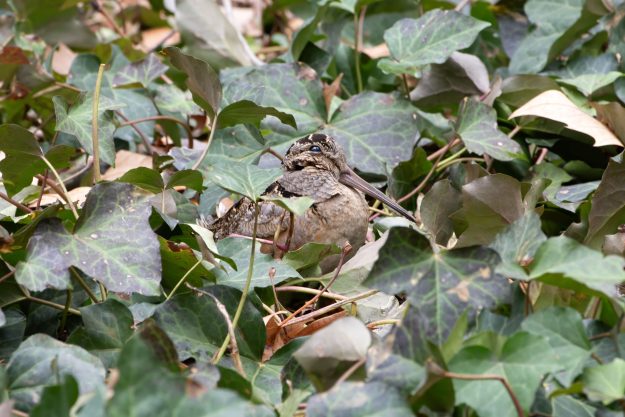
Midtown Manhattan, New York City. Amidst the cacophony of honking horns and bustling crowds, an American woodcock, a creature of delicate camouflage, stood in Bryant Park, a stark contrast to the urban symphony. Its dappled brown plumage, akin to snake scales, and a beak disproportionately long for its fist-sized body, drew quiet observation from passersby. This unexpected encounter with avian life in a concrete jungle serves as a potent metaphor for a growing movement that bridges the practices of birding and Buddhist meditation, revealing profound shared pathways to mindfulness, self-awareness, and a deeper connection with the natural world.
The Rise of Mindful Birding: Beyond the Life List
For many seasoned birders, the act of observing birds transcends mere species identification. It has evolved into a practice of deep attention, a deliberate quieting of the mind, and an embrace of the present moment. This approach, often termed "mindful birding," stands in contrast to more competitive forms of birding, where enthusiasts, sometimes called "twitchers," prioritize accumulating extensive "life lists" of observed species. As naturalist Tom Brown Jr. aptly put it, the essence of mindful birding is to "know the soul before you know the name." This philosophy emphasizes an empathetic understanding and appreciation of the bird’s being over a purely taxonomic classification.
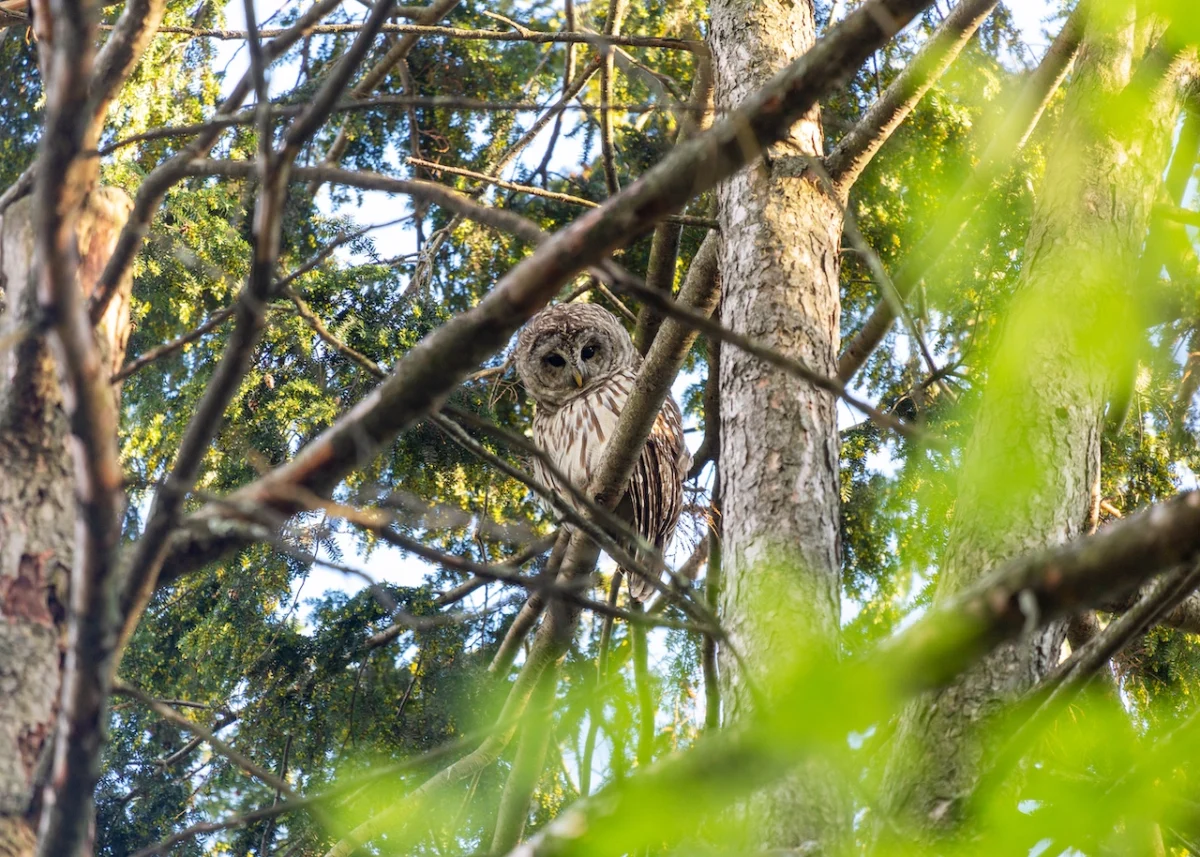
This burgeoning interest in mindful birding has found resonance within spiritual traditions, notably Buddhism. A recent visit to Zen Mountain Monastery in the Catskills, New York, illuminated the parallels between the contemplative practices of Zen and the observant stillness of birdwatching. Nestled amidst the natural beauty of the mountains, the monastery itself is deeply intertwined with its environment, with herons gracing its pond and barred owls finding roosts in its forests.
Nature’s Rhythms and the Monastic Life
Danica Shoan Ankele, a sensei at Zen Mountain Monastery, shared her observations on how avian life punctuates the monastic day. "Just last week," she recounted, "we heard the first birds in our dawn meditation period. Birds who winter here, like chickadees, are companions through the cold, dark months. Then spring comes with a cacophony of birdsong." This observation highlights how birds, much like chanting or formal meditation, can serve as natural markers of time and rhythm, anchoring practitioners to the unfolding of the day. The author’s own mornings are similarly consecrated by the familiar scuffle of northern cardinals at their feeder, a daily ritual of natural engagement.
"When people come here, they’re often seeking quiet," Shoan continued, tea steaming in the crisp air. "That opens up different possibilities for connection and communication." This sentiment mirrors the experience of mindful birding, where quietude creates a receptive space for the subtle offerings of nature. Shoan further elaborated, "We can get so myopic in our human-made, constructed world. The presence of these beings, with their full, rich lives, breaks through that self-concern."
Dissolving Boundaries: The Interconnectedness of Being
The natural world, in its unvarnished existence, offers a profound counterpoint to human narratives and self-imposed limitations. It "asks us to drop them, to be open," a principle that resonates deeply with Buddhist philosophy. Birding, in this context, becomes an exercise in collapsing the perceived gap between self and other. As empathy grows for other beings, the boundaries that define our individual selves begin to dissolve, revealing a more interconnected reality.
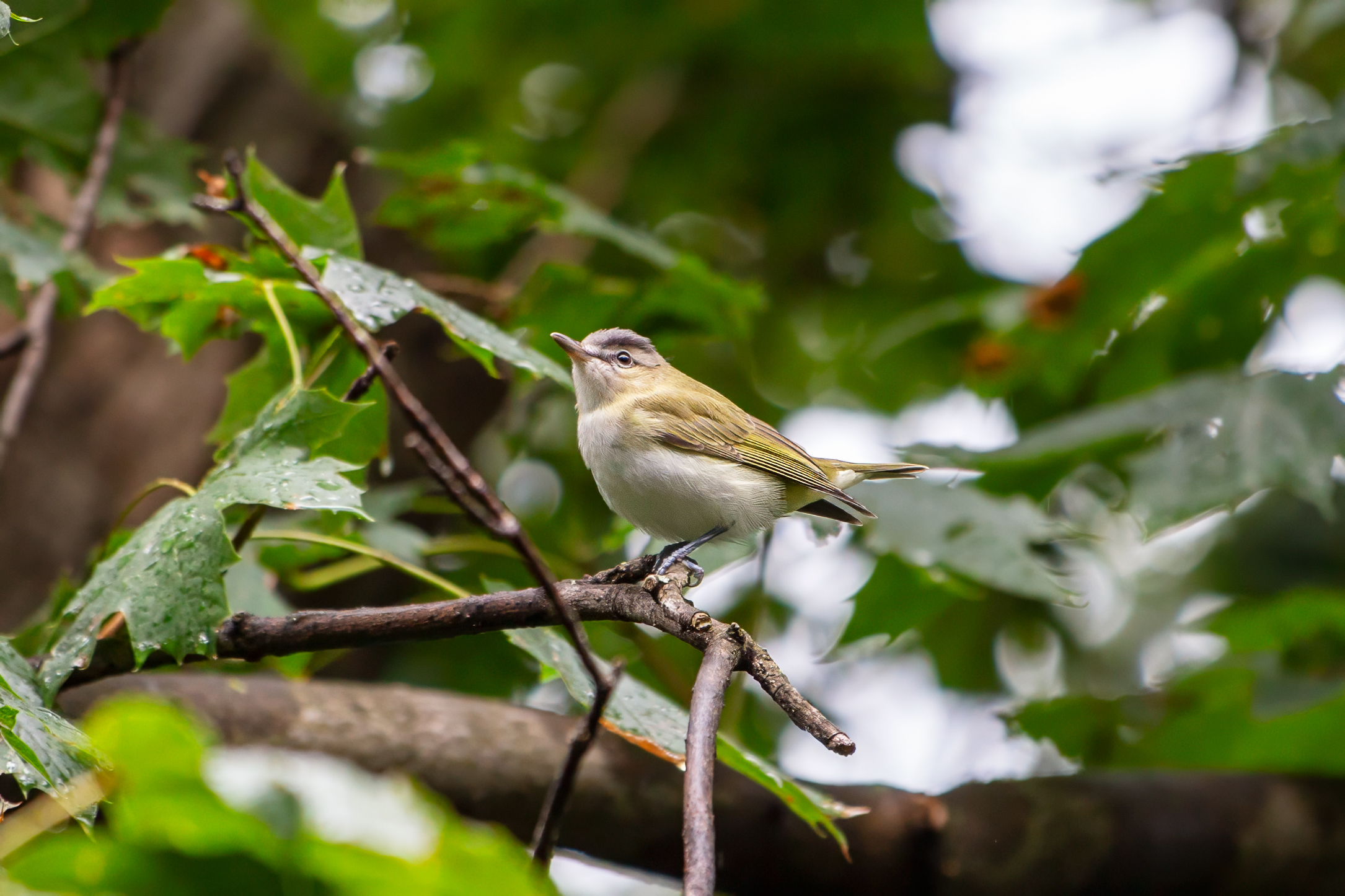
Simon Daio Harrison, another monastic at Zen Mountain, articulated this with stark clarity. "Zen practice, for me, is about relationships. If I’ve solidified me, and I’ve solidified that little warbler outside, there’s a gap between us. If I’m not careful, I’ll dismiss that ‘other,’ or even be OK destroying them." This underscores the transformative potential of birding to "unsolidify" the self, to decenter our human-centric perspective and foster a sense of shared existence.
Throughout the Zen canon, teachers and poets have utilized the natural world as a powerful metaphor for understanding the fundamental unity of all things. The poetry of Dogen Zenji, the founder of Soto Zen Buddhism, is replete with natural imagery, illustrating this interconnectedness. Shoan explained that these natural elements are not merely metaphorical but serve as exemplars of "fully embodied buddhahood." The mountains and rivers, the sounds of streams – these are seen as the sutras themselves, the universal song of praise. In this framework, birds, with their effortless flight and melodious songs, embody this inherent wholeness with particular brilliance.
Dogen’s poem "Zazenshin" (Acupuncture Needle of Zazen), found within the Shobogenzo, poetically captures this essence:
Realization, neither general nor particular,
is effort without desire.
Clear water all the way to the bottom;
A fish swims like a fish.
Vast sky transparent throughout;
A bird flies like a bird.
In this verse, animals are not mere symbols but "fully realized paradigms." Shoan elaborated on this, stating, "We can learn so much from the ease with which birds are in their own embodiment – so uncomplicated, so wholehearted." This contrasts with the human tendency to "twist ourselves in knots, trying to become who we already are," a sentiment that speaks to the inherent peace found in accepting one’s true nature.

Personal Journeys and the Birth of Mindful Birding Networks
This profound realization and the relief it brings have been life-altering for many. Holly Merker, founder of the Mindful Birding Network, exemplifies this transformation. Once a fervent "twitcher," Merker’s path to mindful birding was shaped by significant personal challenges. Two spinal fractures followed by a cancer diagnosis necessitated a slower pace of observation, leading her to engage more deeply with the birds outside her window. "Friends and family treated me differently because I lost my hair, and my body changed," Merker shared. "The birds weren’t judging me for who I was, or how I looked. That was an incredible gift."
Founded in 2021, the Mindful Birding Network actively integrates foundational mindfulness techniques into birding experiences. Merker often partners with local land trusts to host events in natural settings, guiding participants through sensory awareness exercises. "I invite people to gently close their eyes or set them at a soft gaze, and I walk them through tuning into the layers of sound, how the ground feels, their breath. Then noticing birds as they appear. . . . Often in mindfulness practices, the breath is the anchor. Here, the birds are the anchor."
This practice echoes the concept of a "sit spot," a dedicated place in nature where one can sit quietly and observe wildlife. Conceived by Jon Young, author of What the Robin Knows: How Birds Reveal the Secrets of the Natural World, this practice encourages a consistent, receptive engagement with the local environment. Daio Harrison’s past involvement in Young’s environmental education programs highlights the deep roots of this nature-attuned approach.
Scientific Validation: The Restorative Power of Avian Encounters
While the common ground between mindfulness and birding may seem intuitive, scientific research increasingly corroborates its benefits. Western psychology and neuroscience, which have extensively studied mindfulness, are now turning their attention to nature-based practices like birding. Similar restorative effects have been observed. Studies indicate that birding, akin to mindfulness, can enhance memory and neuroplasticity. Furthermore, birdsong has been shown to improve attention and cognitive performance, mirroring the effects of mindfulness practices.

The restorative impact extends even to casual exposure. A 2006 study identified wind, water, and birdsong as the three most soothing sounds for humans. Subsequent research has linked birdsong to reductions in stress, depression, and anxiety. This scientific backing underscores that one need not be a dedicated birder to reap the psychological and physiological advantages of avian encounters.
Reciprocity and Stewardship: A Call to Action
The relationship between humans and the natural world, particularly birds, is increasingly viewed as reciprocal. "They give us the gifts of joy and mindfulness," Merker stated. "In turn, we can support conservation and stewardship. We can plant native plants, offer food and water, and contribute to citizen science." This ethos of reciprocity forms the core of mindful birding, transforming passive observation into active engagement with environmental well-being.
The surge in birding’s popularity, particularly since the COVID-19 pandemic, is notable. This growth is attributable to its inherent accessibility. Birds inhabit virtually all environments, including urban centers, where over half the global population now resides, a figure projected to exceed 68 percent by 2050. Urban landscapes are home to a significant percentage of bird species, from resilient pigeons and starlings to hawks and blackbirds, demonstrating that nature’s presence is often closer than perceived.
Inclusivity and Accessibility: Nature for All
Birding is also breaking down traditional barriers to outdoor activities. It requires minimal physical exertion, and auditory birding allows individuals with visual impairments to participate. Citizen science projects like Project FeederWatch and Garden BirdWatch enable engagement from home. With abundant free online resources and growing efforts by birding groups to promote inclusion, birding is becoming a more equitable pursuit, historically marginalized communities can find pathways to connect with nature. Like mindfulness, the primary requirement for birding is a receptive mind.
Timeless Teachings and Present Realities
The wisdom found in observing birds is not new. From the waterbirds depicted in ancient Zen poetry to the woodcocks observed in bustling city parks, avian teachings are perpetually accessible. The act of observing a bird can quiet the internal "storms of consciousness," focusing the mind and distilling its essence into a form as pure as the avian presence itself.
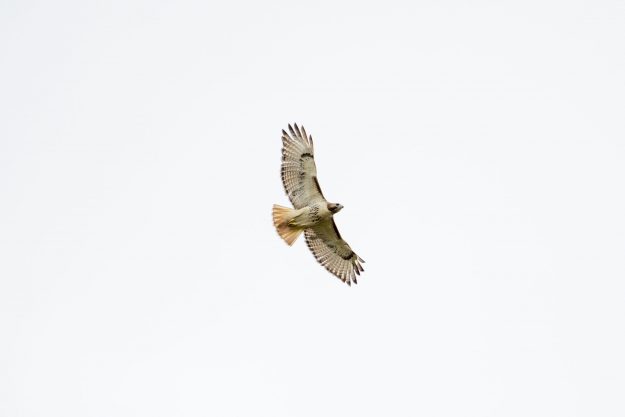
Dogen’s poem, "To what shall we compare this world? / To moonlit dew / Flicked from a crane’s bill," speaks to this profound truth – the ephemeral beauty and interconnectedness of existence. These moments of profound connection, whether observing the intense gaze of a northern spotted owl in an Oregon forest, or a bald eagle soaring above Brooklyn’s Prospect Park, offer a reality that feels intimately close, fostering an unparalleled sense of mental stillness.
As Zen Master Shunryu Suzuki famously stated, "I don’t know anything about consciousness. I just try to teach my students how to hear the birds sing." This simple yet profound invitation resonates deeply with the core of both mindful birding and Buddhist practice: to open ourselves to the world around us, to listen to its subtle melodies, and in doing so, to discover a deeper understanding of ourselves and our place within the vast, interconnected tapestry of life. The call of the wild, it seems, is an invitation to a more peaceful and connected existence, one bird song at a time.

