

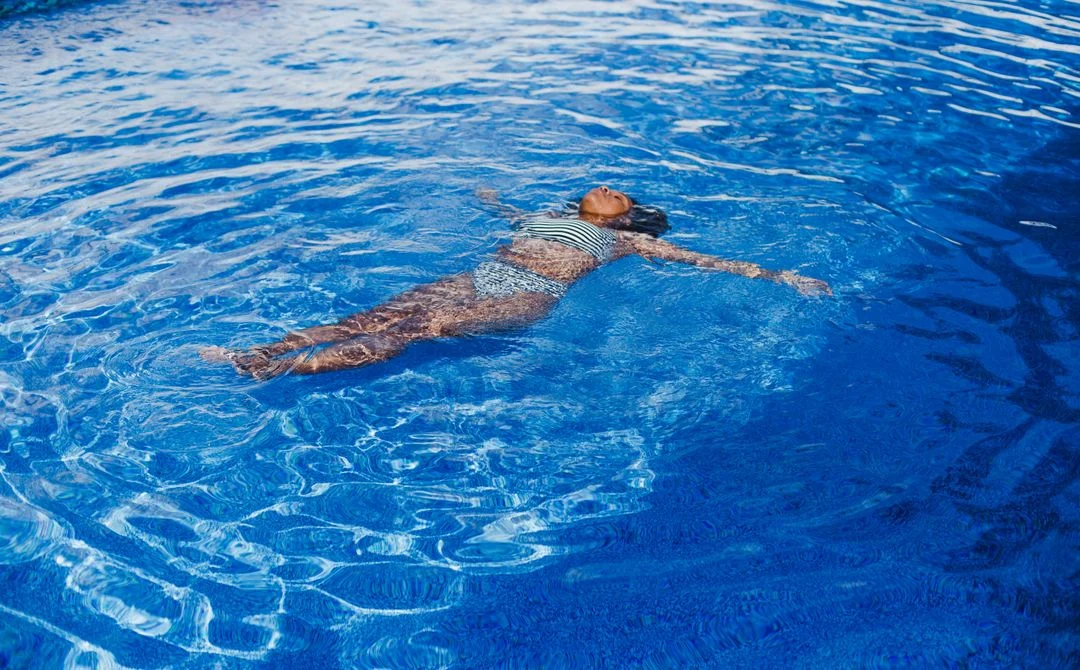
While traditional running remains a cornerstone of cardiovascular fitness and weight management, its high-impact nature can pose significant challenges to the human body, particularly as individuals age or contend with pre-existing conditions. The repetitive pounding of pavement, while effective for cardiovascular conditioning and promoting a "runner’s high," inherently elevates the risk of musculoskeletal injuries. Common ailments include patellofemoral pain syndrome (runner’s knee), shin splints, plantar fasciitis, Achilles tendinopathy, and even more severe issues like stress fractures and hip displacement. These adverse effects often lead to forced periods of rest, rehabilitation, or a complete cessation of running, impacting an individual’s fitness journey and overall well-being. Recognizing these limitations, sports medicine professionals and fitness experts have increasingly advocated for alternative training modalities that deliver comparable cardiovascular benefits without the detrimental impact. Among these, water running, also known as aqua jogging or deep-water running, stands out as a highly effective and versatile cross-training method. It enables the engagement of major muscle groups and provides a robust cardiovascular workout while virtually eliminating the harsh gravitational forces that contribute to land-based running injuries. This unique environment offers a sanctuary for joints, reducing stress on the knees, hips, ankles, and spine, thereby opening doors to sustained fitness for a broader demographic.
Understanding the Mechanics: What is Water Running?
At its core, water running involves mimicking the natural running motion while submerged in water, typically in the deep end of a pool, without touching the bottom. The fundamental difference lies in the medium: water replaces air, providing both buoyancy and resistance. Buoyancy, the upward force exerted by a fluid that opposes the weight of an immersed object, significantly reduces the gravitational load on the body. In deep water, an individual’s body weight can be reduced by as much as 90%, depending on the level of submersion and body composition. This drastic reduction in impact makes aqua jogging an invaluable tool for rehabilitation, injury prevention, and active recovery. Simultaneously, the viscosity of water—its resistance to flow—provides a constant, uniform resistance throughout the entire range of motion, both on the forward and return strokes of each limb. Unlike air, which offers minimal resistance, water challenges muscles from all directions, contributing to enhanced strength and endurance without the eccentric loading often associated with impact activities.
The primary goal of water running is to replicate the biomechanics of land running as closely as possible. Participants use a flotation belt, worn around the waist, to maintain an upright position and prevent their feet from touching the pool floor. This allows for a full range of motion in the legs and arms, mirroring the stride, arm swing, and core engagement of dry-land running. The sustained effort against water’s resistance elevates heart rate, improves circulation, and strengthens the cardiovascular system, making it an excellent aerobic exercise. Furthermore, the hydrostatic pressure exerted by the water on the submerged body aids in reducing swelling and improving blood flow, which can be particularly beneficial for post-injury recovery and muscle soreness.
A Historical Perspective on Hydro-Fitness
The concept of utilizing water for therapeutic and fitness purposes dates back to ancient civilizations, with hydrotherapy being a recognized practice for centuries. However, the specific application of mimicking running in deep water for athletic training and rehabilitation gained significant traction in the latter half of the 20th century. As sports science evolved and understanding of biomechanics deepened, coaches, physical therapists, and athletes began exploring methods to maintain cardiovascular fitness and muscular strength during injury layoffs or as a means of low-impact cross-training.
Early pioneers in the field, often working with injured athletes, observed that the buoyant and resistive properties of water offered a unique environment for exercise. The 1970s and 1980s saw an increased interest in aquatic exercise within the athletic community, moving beyond simple swimming to more specialized forms like aqua jogging. Key figures, such as Dr. Robert L. Wilder, a sports medicine physician, and Glenn Mills, an Olympic swimmer and coach, were instrumental in popularizing and refining aqua jogging techniques and protocols. They advocated for its use not only as a rehabilitation tool but also as a supplemental training method for elite athletes seeking to enhance performance and longevity. The development of specialized flotation belts further solidified aqua jogging’s practicality, making it accessible to a wider audience and allowing for proper upright posture and form replication. Over the decades, scientific studies have increasingly validated its efficacy, transitioning aqua jogging from a niche practice to a widely accepted and respected component of modern fitness and sports medicine.
The Science Behind the Splash: Supporting Data and Physiological Benefits
Numerous studies have substantiated the physiological benefits of water running, demonstrating its capacity to deliver robust cardiovascular and muscular conditioning comparable to land-based exercise. A foundational study published in the Journal of Strength and Conditioning Research in 2003, for instance, indicated that deep-water running could provide an adequate cardiovascular stimulus, maintaining heart rates and oxygen consumption levels similar to those achieved during moderate-intensity land running. This particular research highlighted that perceived exertion often correlated well with physiological responses, suggesting that individuals could effectively self-regulate their intensity in the water.
Further research has delved into the specific physiological adaptations. A 2011 study in the Journal of Sports Sciences compared muscle activation patterns during land and water running, finding that while some differences exist, key muscle groups (quadriceps, hamstrings, glutes) are effectively engaged in both environments. The consistent resistance from water ensures that muscles work throughout the entire movement, promoting balanced strength development and endurance. For instance, the concentric and eccentric phases of muscle contraction are challenged by water’s resistance in both directions, which can lead to improved muscular endurance and power.
Beyond cardiovascular and muscular benefits, aqua jogging’s low-impact nature is its most celebrated attribute. A meta-analysis published in Sports Medicine underscored its role in reducing ground reaction forces, making it ideal for individuals with orthopedic issues, recovering from injury, or those at high risk of impact-related conditions. For populations such as the elderly, individuals with arthritis, or those with bone density concerns, water running offers a safe pathway to maintaining mobility and cardiovascular health without exacerbating joint pain or risking further damage. The hydrostatic pressure also plays a crucial role, aiding in the reduction of peripheral edema (swelling) and improving venous return, which can accelerate recovery and reduce post-exercise muscle soreness (DOMS). This effect is particularly beneficial for athletes undergoing intensive training, providing an active recovery option that promotes healing and reduces inflammation.
Mastering the Technique: Form, Function, and Training Protocols
Effective aqua jogging hinges on proper form to maximize benefits and minimize compensatory movements. The primary objective is to replicate your natural running gait as accurately as possible. When submerged in deep water with a flotation belt, maintain an upright posture, avoiding leaning forward or backward excessively. Your head should be up, gaze forward, and shoulders relaxed, allowing your arms to hang naturally by your sides, slightly bent at the elbow.
The arm swing should mimic land running, with hands cupped loosely and arms driving forward and back from the shoulders, not just flapping at the elbows. This provides counterbalance and contributes to propulsion against the water’s resistance. For the legs, focus on a high knee drive, bringing the thigh up towards the waist, followed by a powerful "push" down and back against the water, extending the hip and knee. The foot should move through a natural dorsiflexion and plantarflexion, as if pushing off the ground. Avoid simply bicycling your legs; aim for a strong, purposeful stride that engages the hamstrings, glutes, and core.
To achieve meaningful fitness gains, intensity is key. Since pace and distance metrics are less relevant in water, focus on Rate of Perceived Exertion (RPE) or heart rate. An elevated heart rate, similar to that achieved during a steady dry-land jog, indicates sufficient effort. Interval training is particularly effective in water. A common protocol involves alternating periods of high-intensity aqua jogging with periods of active recovery. For example, a beginner might start with 5 minutes of high-intensity effort (where breathing is labored but sustainable) followed by 1 minute of gentle aqua jogging or walking, repeating this cycle for 20-30 minutes. As stamina improves, the high-intensity intervals can be extended, recovery periods shortened, or the total workout duration increased to 45-60 minutes. Incorporating variations like "fartlek" style training, where intensity is varied spontaneously, or "tempo" runs, sustained moderate-to-hard effort, can further enhance training adaptations. A cool-down period of gentle swimming or stretching in the water helps bring the heart rate down and promotes muscle flexibility.
Essential Gear for Water Workouts
While the most basic requirements for water running are simply a swimsuit and access to a suitable pool, several pieces of equipment can significantly enhance the experience, effectiveness, and safety of aqua jogging.
- Flotation Belt: This is arguably the most crucial piece of equipment for deep-water running. Worn around the waist, it provides the necessary buoyancy to keep the user upright and prevent their feet from touching the bottom of the pool. Modern belts are typically made of closed-cell foam, designed to be comfortable, non-chafing, and durable. Different designs cater to various body types and buoyancy needs, ensuring proper spinal alignment and preventing excessive forward lean.
- Water Shoes: While not strictly necessary, water shoes can improve foot grip on the pool floor during shallow water drills and protect the feet from rough surfaces or chemicals. They can also enhance comfort during prolonged sessions.
- Resistance Tools: To intensify the workout, various waterproof resistance tools can be incorporated:
- Aqua Dumbbells/Hand Buoys: These foam or plastic dumbbells are buoyant, requiring effort to push them down through the water, thereby increasing upper body and core engagement.
- Webbed Gloves/Paddles: Worn on the hands, these increase the surface area, enhancing resistance for arm movements and providing a more robust upper body workout.
- Ankle Weights: Designed for aquatic use, these can add resistance to leg movements, further challenging the quadriceps, hamstrings, and glutes. However, caution should be exercised with ankle weights, especially for those with joint issues, and their use should be guided by professional advice.
- Waterproof MP3 Player/Headphones: For those who enjoy exercising to music, waterproof devices allow for entertainment and motivation during longer sessions.
Expert Perspectives on Aquatic Exercise
The integration of water running into comprehensive fitness and rehabilitation programs is widely endorsed by professionals across sports medicine, physical therapy, and athletic coaching.
Dr. Eleanor Vance, a leading orthopedic surgeon specializing in sports injuries, states, "For patients recovering from knee or hip surgery, or those managing conditions like osteoarthritis, land-based running can be detrimental. Aqua jogging offers a non-weight-bearing environment that allows for early mobilization, muscle strengthening, and cardiovascular conditioning without placing undue stress on healing tissues or compromised joints. It’s an indispensable tool in our rehabilitation protocols."
Johnathan Reed, a physical therapist with extensive experience in athletic recovery, emphasizes the pre-emptive benefits: "We often recommend aqua jogging to athletes as a cross-training method. It’s fantastic for active recovery days, helping flush out metabolic waste and reduce muscle soreness without the added wear and tear of another high-impact session. For runners prone to stress fractures, incorporating water running can significantly reduce their weekly impact load while maintaining fitness levels, thus extending their athletic careers."
Elite running coach Sarah Chen highlights its role in performance enhancement: "Top-tier marathoners and track athletes frequently incorporate aqua jogging into their training cycles. It allows them to increase their overall training volume without overtraining or accumulating excessive impact. It’s a secret weapon for maintaining fitness during minor injuries, improving running form by focusing on technique without ground contact, and building stamina in a completely different, yet highly effective, manner. Plus, in hot climates, it’s an excellent way to get a quality workout without overheating."
Beyond Rehabilitation: Performance and Longevity
While its rehabilitative benefits are undeniable, aqua jogging’s utility extends far beyond injury recovery. It serves as a potent tool for a diverse range of individuals and fitness goals.
For athletes, aqua jogging is a critical component of cross-training. It can enhance cardiovascular fitness, improve muscular endurance, and refine running form without the cumulative impact stress. This allows athletes to maintain or even increase their overall training load, leading to improved performance and reduced risk of overuse injuries. It can also be a strategic choice for active recovery, aiding in muscle repair and reducing inflammation after strenuous land-based workouts.
For the general population, particularly those transitioning from a sedentary lifestyle or seeking a sustainable fitness routine, water running offers an accessible and enjoyable entry point. Its low-impact nature makes it appealing to individuals with higher body mass indices, where land-based activities might be uncomfortable or harmful. It provides a full-body workout that engages core muscles for stability, strengthens leg muscles for mobility, and boosts cardiovascular health, all while being gentle on the body.
Furthermore, in an increasingly aging global population, maintaining physical activity is paramount for health and independence. Aqua jogging provides an ideal solution for older adults to preserve muscle mass, bone density (through the resistive forces), cardiovascular function, and joint mobility without the risks associated with high-impact exercises. It enables them to sustain an active lifestyle, combating age-related decline and enhancing their quality of life. The psychological benefits, including stress reduction and improved mood, are also significant, as exercise in water can be perceived as less strenuous and more refreshing.
Integrating Aqua Jogging into Your Fitness Routine
Incorporating aqua jogging into a regular fitness regimen requires thoughtful planning. For general fitness, aiming for 2-3 sessions per week, lasting 30-45 minutes, can yield substantial benefits. As stamina and technique improve, these sessions can be intensified with resistance tools or more complex interval patterns.
For injury rehabilitation, it is imperative to consult a health professional, such as a physical therapist or sports medicine physician, before commencing an aqua jogging program. They can provide tailored guidance on intensity, duration, and specific movements appropriate for the individual’s condition, ensuring a safe and effective recovery process. The progression should always be gradual, listening to the body’s signals, and prioritizing proper form over speed or duration.
The Future of Low-Impact Fitness
As understanding of human biomechanics and longevity continues to evolve, the importance of low-impact, sustainable fitness methods like aqua jogging will only grow. It represents a versatile, scientifically supported approach to exercise that caters to a broad spectrum of needs—from elite athletic performance and injury rehabilitation to general health maintenance and active aging. The accessibility of pools, coupled with the relatively low cost of essential equipment, positions aqua jogging as a practical and enduring solution for individuals seeking effective cardiovascular and muscular conditioning without the inherent risks of high-impact alternatives. Its "life-changing magic" lies in its ability to empower individuals to move energetically, stay fit, and maintain their physical well-being, regardless of age, injury status, or fitness background, all within the refreshing embrace of water.

