


The landscape of international travel has undergone a radical transformation over the first half of the 2020s, shaped by the lingering effects of the global pandemic, shifting economic conditions, and significant technological advancements in the aviation and hospitality sectors. As the industry moves into the 2025-2026 cycle, travelers are navigating a complex environment characterized by increased passenger density, extended customs processing times, and evolving security protocols. To address these challenges, the travel gear market has pivoted toward high-performance, sustainable, and multi-functional equipment designed to mitigate the friction of modern transit.
The Evolution of Global Travel Infrastructure and Gear Requirements
The current state of travel is defined by a dichotomy of high demand and logistical constraints. Following the Federal Aviation Administration (FAA) modernization efforts and various international government shutdowns that impacted air traffic control and customs staffing earlier in the decade, efficiency has become the primary metric for travel success. Industry data suggests that travelers are increasingly opting for "carry-on only" strategies to avoid baggage claim delays and potential loss, driving a surge in the development of 40-liter to 45-liter technical packs.
Furthermore, the integration of sustainability into consumer goods is no longer a niche preference but a market standard. According to recent retail analytics, over 65% of frequent travelers prioritize gear made from recycled or bio-based materials. This shift is reflected in the 2025-2026 product landscape, where manufacturers are utilizing discarded fishing nets, plant-derived fibers, and decommissioned industrial materials to create durable travel solutions.
Advanced Luggage Solutions for the Modern Itinerary
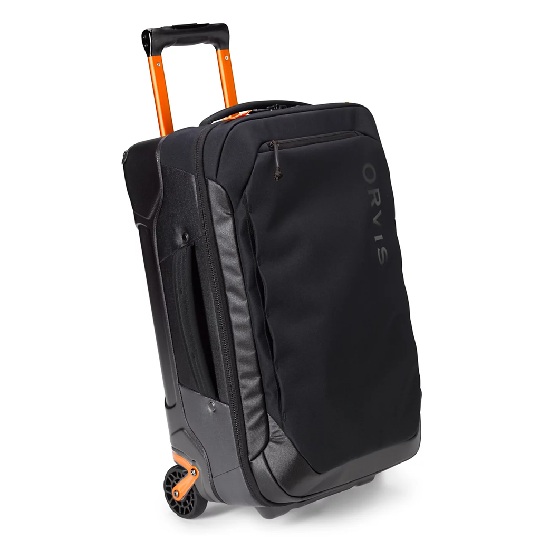
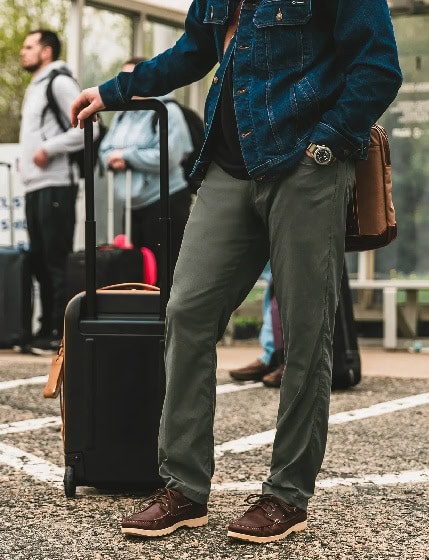
As airlines tighten restrictions on cabin dimensions, the engineering of carry-on luggage has reached new levels of precision. The Orvis Trekkage LT Adventure 40L Carry-On Roller Bag represents the pinnacle of this trend, utilizing 100% recycled 600D CORDURA re/cor™ fabric derived from post-consumer waste. Its design emphasizes longevity through a regenerative approach, featuring repairable components and crush-resistant polycarbonate rims.
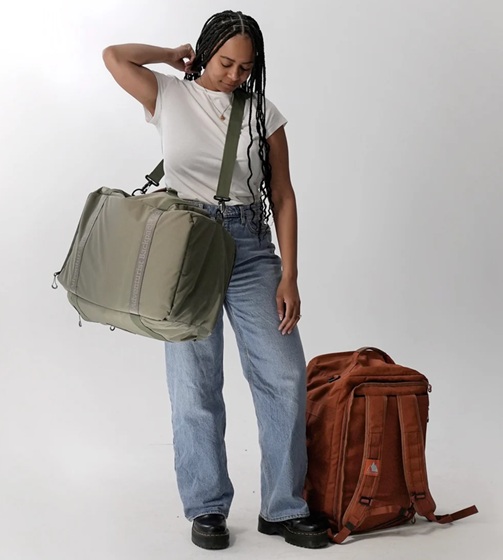
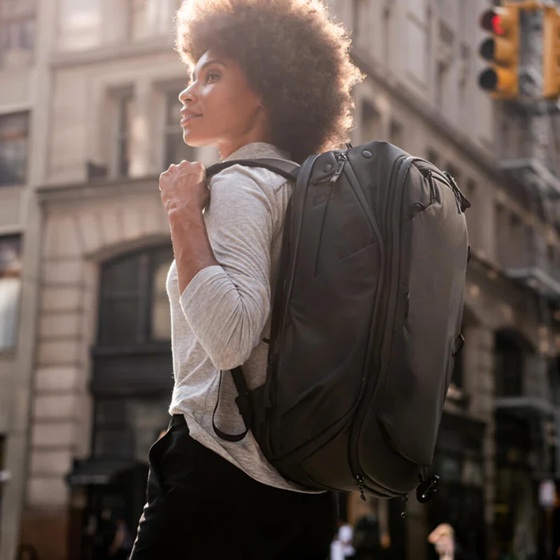
In the backpack sector, the 45-liter capacity has emerged as the industry’s "sweet spot." The Peak Design 45L Travel Backpack and the Adventurist Carry On Duffel Backpack demonstrate the market’s move toward versatility. The Peak Design model, particularly the Coyote X-Pac Ocean Edition, leverages recycled fishing nets, while the Adventurist brand integrates a social impact model, providing 25 meals to families in need for every unit sold. This "conscious capitalism" is a recurring theme in the 2025-2026 gift cycle, as consumers look for products that align with their ethical values.
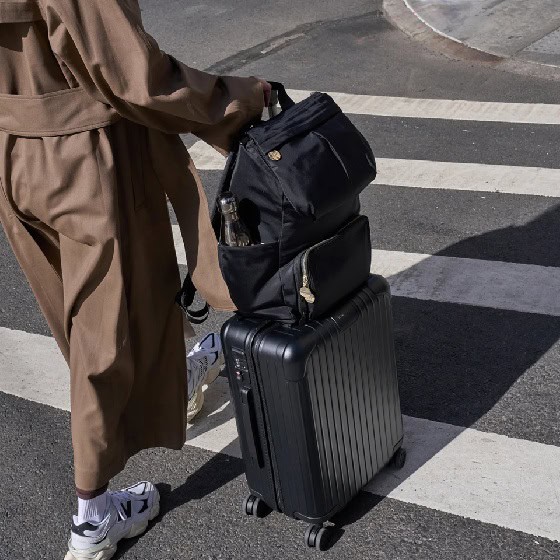
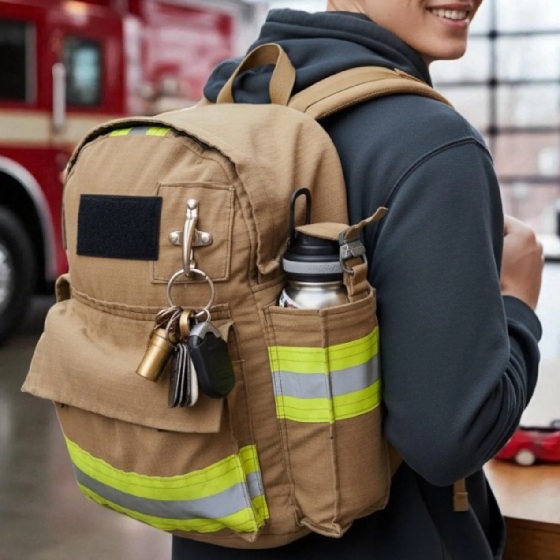
For travelers seeking specialized or artisanal options, the 277 Designs Firefighter Backpack offers a unique intersection of history and utility. By repurposing decommissioned firefighter turnout gear, the brand provides a product that is inherently heat-resistant and durable, while the Lo & Sons Melrose Rucksack caters to the professional demographic with a blend of recycled poly liners and high-end hardware.
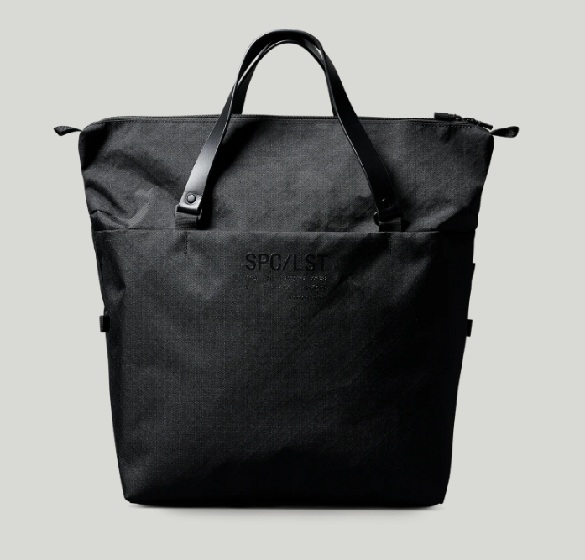
The Intersection of Sustainability and Outdoor Gear
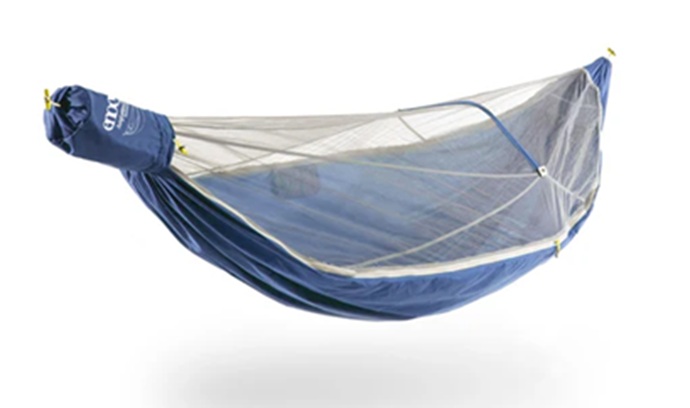
The "Great Outdoors" continues to be a primary motivator for global travel. Consequently, gear that facilitates comfortable wilderness experiences is seeing significant innovation. The ENO JungleNest Hammock addresses two primary complaints in the camping sector: insect intrusion and ergonomic discomfort. By integrating a structural ridgeline and a stowable bug net, the design creates a portable "tent-like" canopy.
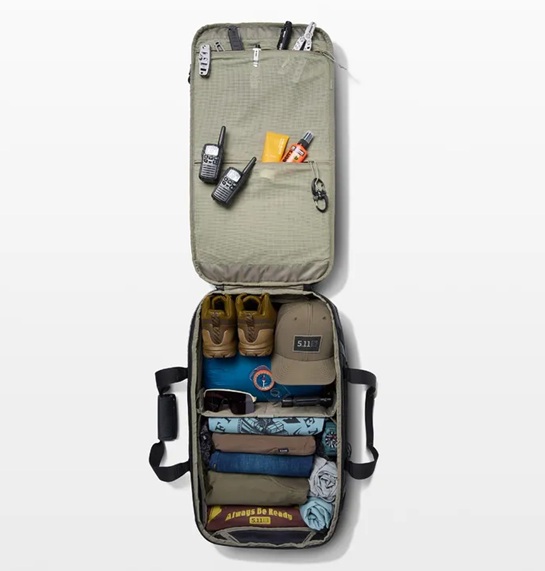
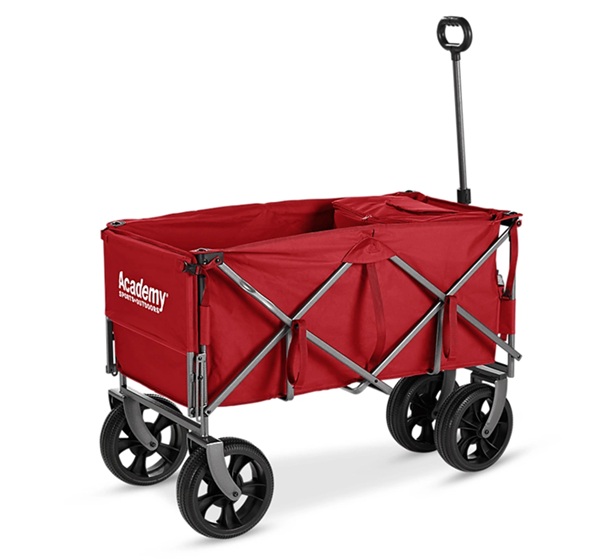
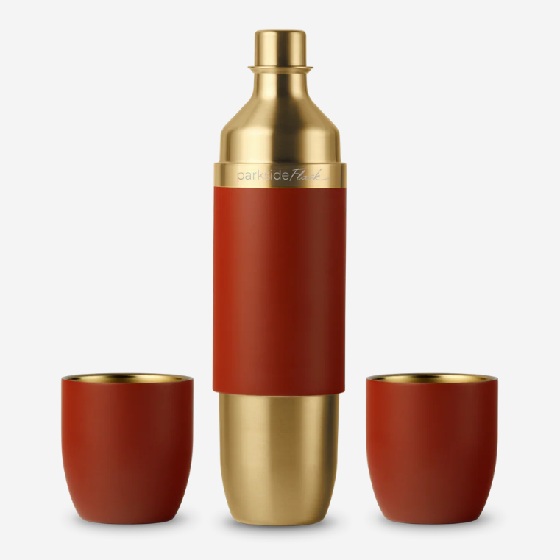
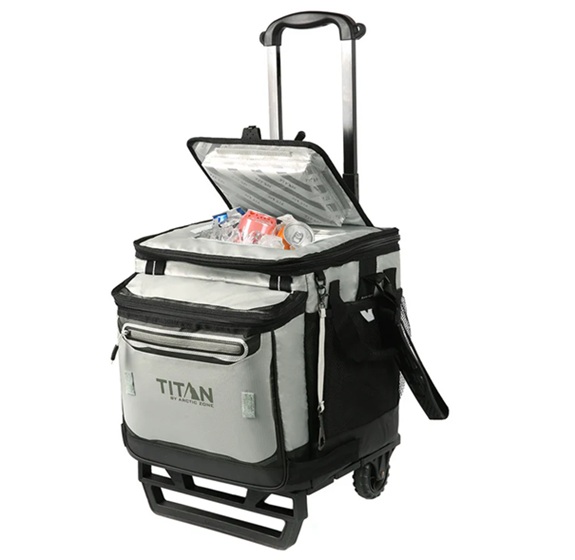
Thermal management has also seen advancements. The Arctic Zone Titan 60-Can Wheeled Cooler utilizes Deep Freeze Performance Insulation and a ColdBlock triple-layer base to maintain ice for up to three days, a feature essential for the growing "overlanding" and RV travel segments. Similarly, High Camp Flasks has reimagined beverage transport with the Parkside Flask Sundown Edition. This vacuum-insulated 759ml vessel, featuring magnetic tumblers, is designed to maintain the temperature of premium spirits or wine for 24 hours, appealing to the luxury outdoor market.
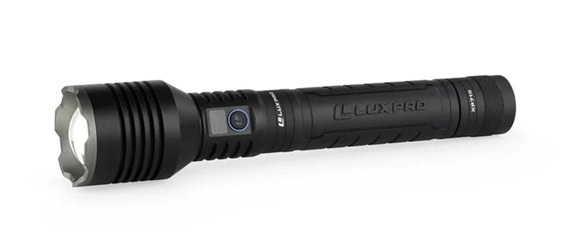
Safety and visibility remain paramount. The LuxPro XP715 Pro Series DS Flashlight delivers 16,070 lumens, utilizing dual 26650 rechargeable batteries. Its integrated power bank functionality reflects the multi-purpose requirement of modern tech gear, allowing travelers to charge secondary devices in remote environments.
Technical Apparel: Merging Performance with Versatility
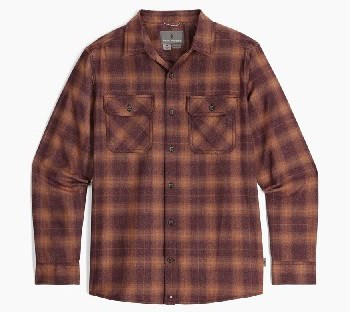
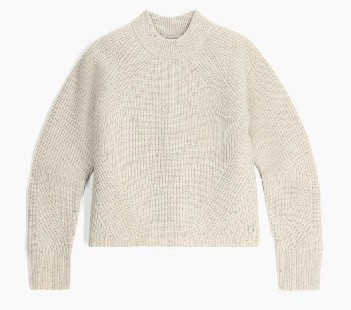
The apparel industry has responded to the needs of the "one-bag traveler" by developing fabrics that offer thermoregulation, odor resistance, and wrinkle recovery. Royal Robbins, a pioneer in the "clean climbing" movement, continues to lead the sector with its Vogelsang Long Sleeve and Rockcraft Mock Neck. These garments utilize recycled polyester and merino wool, materials favored for their moisture-wicking properties and natural durability.
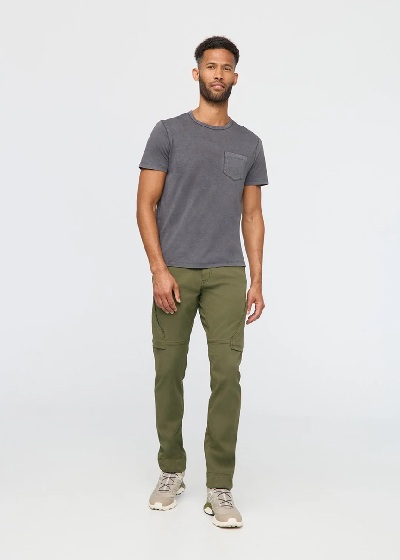
In the denim and trousers category, DUER has successfully bridged the gap between athletic wear and formal attire. Their Live Free Adventure Pant incorporates antibacterial treatments and a signature gusset for enhanced range of motion. This trend toward "performance lifestyle" wear is echoed by PATH Projects and Origin, the latter of which utilizes military-grade nylon yarn and body-heat-activated wrinkle release technology in its GTFO Travel Pant.
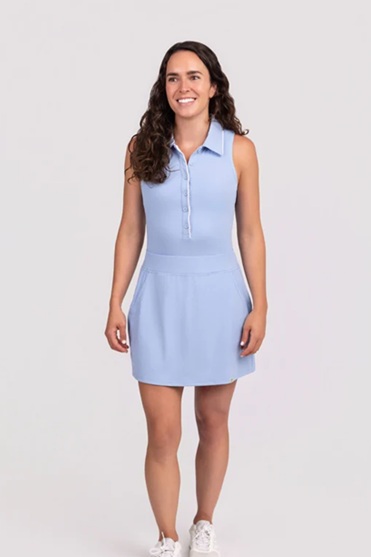
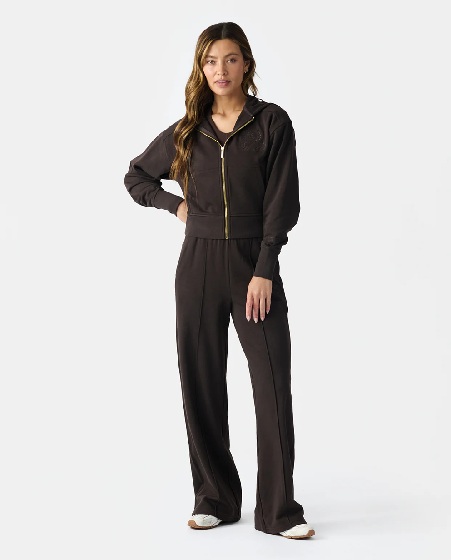
The women’s market is seeing a similar influx of technical sophistication. Honey Golf’s Helen Sleeveless Bodysuit and Sally Classic Skirt utilize buttery-soft spandex with compression properties, designed for seamless transitions from active pursuits to resort environments. Meanwhile, the Legends Rylie and Valentina sets cater to the high-end athleisure market, utilizing TerryLux knit fabrics that prioritize breathability during long-haul transit.
Outerwear and Climate Resilience
As global weather patterns become increasingly unpredictable, outerwear must provide protection against a broader range of conditions. RefrigiWear, a brand with origins in WWII-era industrial insulation, offers the PolarForce Hybrid Fleece and Pure-Soft Puffer Jacket. These garments are rated for temperatures as low as 0°F, featuring wind-tight finishes and abrasion-resistant panels.
For wet climates, the Bluffworks Faroe Rain Jacket and Gorewear Fernflow Hooded Windbreaker represent the evolution of waterproof technology. These jackets focus on breathability and packability, with the Bluffworks model weighing only 16 ounces. The use of GORE-TEX and recycled nylon blends ensures that travelers remain dry without the "sweltering" effect common in traditional rain gear.
Footwear: Durability Meets Orthopedic Science
Footwear remains the most critical component of a traveler’s wardrobe. The 2025-2026 market is dominated by brands that prioritize podiatric health alongside environmental responsibility. HOKA’s Transport Hike GTX is a standout, featuring a Vibram Megagrip outsole and a GORE-TEX waterproof bootie. Its use of 30% sugarcane EVA in the midsole highlights the industry’s move away from petroleum-based foams.
Minimalist and sustainable options are also gaining traction. SOLE’s Jasper Chukka utilizes ReCORK (upcycled wine corks) and bison fiber, while the VEJA x Finisterre Fitz Roy Trek-Shell employs 100% recycled polyester. For extreme conditions, the Xtratuff Legacy Boots and Merry People Fergie Tall Rain Boots provide triple-dipped waterproof protection, essential for adventure travel in muddy or aquatic environments.
Comfort-focused footwear, such as Stegmann’s wool clogs and Mykos Theo moccasins, continues to be a staple for long-haul flights and indoor-outdoor transitions. These products leverage natural materials like Australian sheepskin and merino wool for superior thermoregulation.

Emerging Travel Technology and Security Standards
Technological integration is the final pillar of the 2025-2026 travel experience. Security concerns have driven the adoption of biometric and RFID-blocking hardware. The BenjiLock Outdoor Fingerprint Padlock, recognized by industry analysts as a significant innovation, allows for keyless security using biometric sensors. Complementing this is the Ekster Wallet Pro, which incorporates RFID-blocking technology and global tracking capabilities to prevent digital theft and physical loss.
For entertainment, the Backbone Pro has revolutionized mobile gaming by providing a console-quality controller interface for smartphones. With 40 hours of battery life and seamless cross-platform compatibility, it addresses the "transit boredom" associated with extended flight times.
In the horological sector, the Casio PRO TREK PRG-340B demonstrates that traditional timepieces remain relevant through technical enrichment. Solar-powered and constructed from bio-based resins, it provides compass bearings, barometric pressure, and altitude readings, serving as a redundant safety system for hikers and divers.

Market Implications and Future Outlook
The comprehensive range of travel gear for the 2025-2026 period reflects a broader economic shift toward quality over quantity. As travel becomes more expensive and logistically demanding, consumers are investing in "buy-it-for-life" products that offer multi-environment utility. The emphasis on recycled materials and ethical manufacturing indicates that the travel industry is increasingly held accountable for its environmental footprint.
Industry experts anticipate that the next few years will see further integration of "smart" features into soft goods, such as clothing with embedded climate control and luggage with integrated weight sensors. However, for the current cycle, the focus remains on the refinement of existing technologies—making gear lighter, stronger, and more sustainable to meet the rigorous demands of global exploration. Travelers equipped with these innovations are better positioned to navigate the complexities of the modern world, ensuring that the spirit of adventure remains unburdened by the friction of the journey.

