

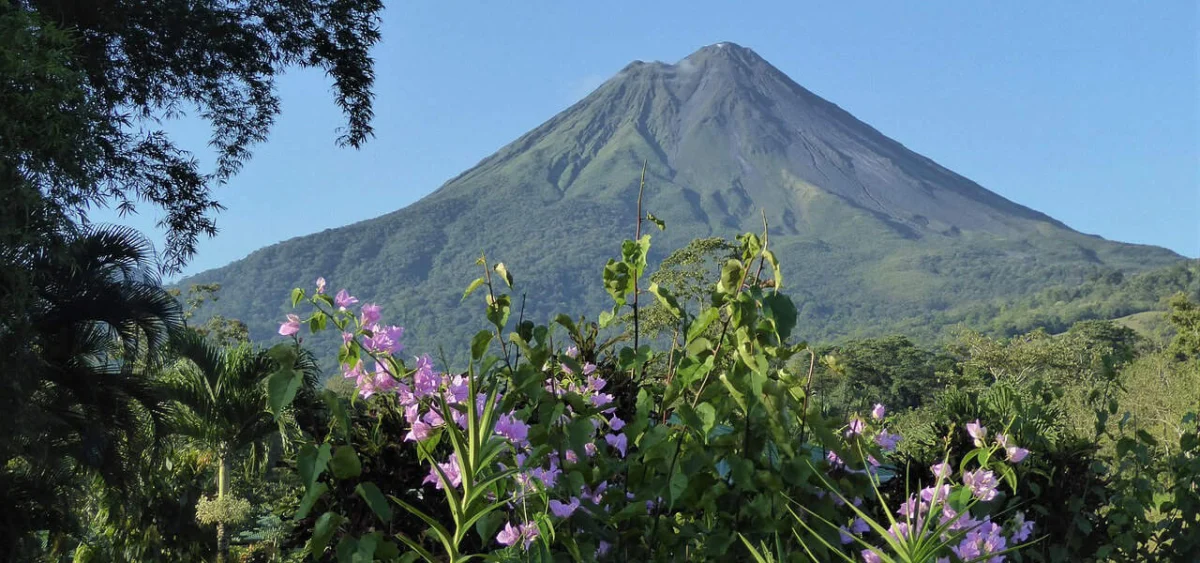
While the traditional image of a Costa Rican vacation often centers on the serene aesthetic of "Pura Vida"—encompassing luxury eco-lodges, tropical cocktails, and adrenaline-fueled zipline tours—a fundamental shift is occurring within the nation’s tourism sector. As the global climate crisis intensifies, Costa Rica has moved beyond passive conservation toward active climate innovation. The country, which contains nearly 6% of the world’s biodiversity despite covering only 0.03% of the earth’s surface, is increasingly positioning its travel industry as a primary tool for environmental resilience.
Local communities across the Central American isthmus are currently navigating the tangible effects of a warming planet, including intensified storm cycles, chronic flooding, and devastating landslides. These environmental pressures are compounded by a rapidly accelerating loss of biodiversity. In response, a new model of engagement has emerged: one where curious visitors move beyond the resort zones to participate in community-led climate action. From the high-altitude cloud forests of Monteverde to the carbon-sequestering mangroves of the Caribbean coast, the following seven experiences represent the vanguard of Costa Rica’s climate-focused travel initiatives.
1. The Osa Peninsula: Wildlife Migration and Biological Corridors
The Osa Peninsula, often described by National Geographic as "the most biologically intense place on Earth," serves as a critical laboratory for observing wildlife adaptation in a shifting climate. Current scientific data indicates a dire global trend: over 62% of tropical forests are becoming increasingly disconnected from their future climate zones. As temperatures rise, species are often left "trapped" in habitats that no longer support their biological needs.
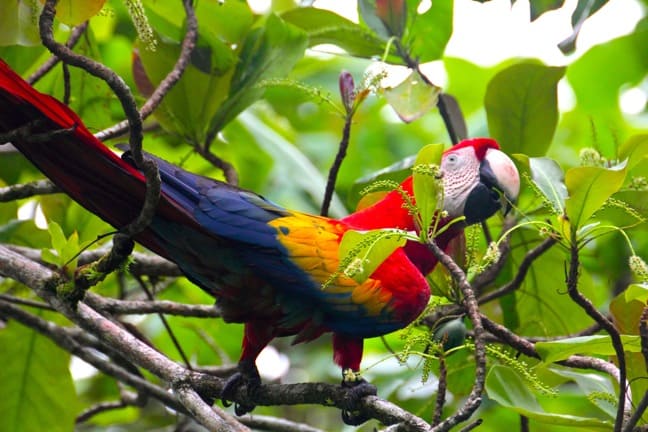
In the Osa region, the focus has shifted toward the restoration of biological corridors—strips of protected land that allow wildlife to migrate between fragmented patches of forest. Organizations such as Osa Conservation work alongside Bribri guides to monitor these corridors. For travelers, excursions into areas like Dos Brazos de Río Tigre, located on the periphery of Corcovado National Park, offer a masterclass in ecological stewardship.
This community, once dependent on gold mining, has transitioned into an ecotourism hub. By employing local guides, visitors directly fund the "guardians of the forest" who monitor changes in animal behavior and forest health. These guides provide essential data to researchers, helping to map how species like the jaguar and the scarlet macaw are adjusting their ranges in response to thermal stress.
2. Manzanillo: Women-Led Mangrove Restoration and Blue Carbon
On the Caribbean coast, the community of Manzanillo in the Limón province exemplifies the vulnerability of climate-dependent economies. With over 80% of the population residing within or adjacent to mangrove ecosystems, the local economy—historically rooted in artisanal fishing—has faced significant disruption due to erratic weather patterns and rising sea levels.
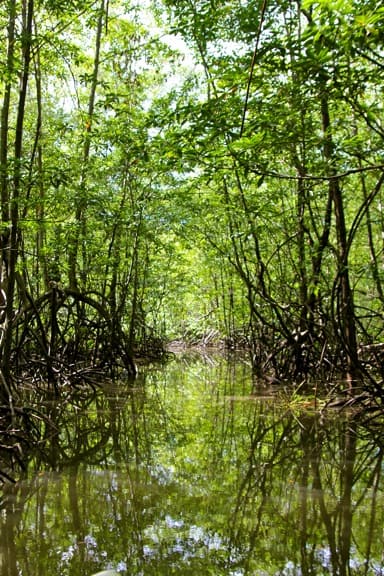
Mangroves are among the most effective "blue carbon" sinks on the planet, sequestering up to four times more carbon than terrestrial forests. Recognizing this, a local women’s cooperative has spearheaded a massive restoration project, planting over 4,000 mangrove seedlings to stabilize the coastline and restore fish nurseries.
Guided boat tours through the Gandoca-Manzanillo Wildlife Refuge, facilitated by the Talamanca Association of Ecotourism and Conservation (ATEC), provide a sustainable revenue stream that offsets the decline in traditional fishing. These tours emphasize the role of mangroves as a natural defense against storm surges, illustrating how community-based economic systems can flourish while simultaneously protecting vital ecosystems.
3. Monteverde: The Science of the Lifting Cloud Base
The Monteverde Cloud Forest Biological Preserve is perhaps the most visible indicator of climate change in Costa Rica. Historically defined by a persistent, low-hanging mist that nourishes thousands of species of orchids and ferns, the forest is currently undergoing a process known as "cloud base lifting."
Since 1979, the altitude at which clouds form in Monteverde has risen by an average of 1.8 to 2.7 meters annually. This shift results in drier conditions during the traditional dry season and more frequent waterlogging during the wet season, disrupting the delicate moisture balance required by the forest’s canopy-dwelling species.
To combat these changes, the preserve utilizes 100% of its tourism revenue to fund climate research and environmental education. Visitors contribute to the management of three distinct preserves and a bird refuge. Guided nocturnal and diurnal walks led by expert naturalists allow travelers to witness the "moving" forest firsthand, providing a sobering but educational look at how high-altitude ecosystems are being forced to adapt to a warming atmosphere.
4. Talamanca: Reforestation as Infrastructure
In the Talamanca mountains, the Association of Organizations of the Talamanca Caribbean Biological Corridor (ACBTC) is utilizing reforestation not just for carbon sequestration, but as critical infrastructure. As the region experiences more frequent and intense rainfall, the risk of landslides has become a primary concern for mountain communities.
Reforestation stabilizes steep hillsides, with root systems acting as a natural anchor for the soil. The ACBTC operates its own nursery, cultivating 120,000 native and exotic plants, many of which are endangered. These plants are used to mend forest connectivity and manage watersheds, preventing the destructive runoff that can occur when just six inches of fast-moving water sweeps through a village.
Travelers who visit the ACBTC facilities can participate in volunteer programs or provide donations that directly support the cultivation and planting of these trees. This initiative demonstrates a holistic approach to climate action, where land restoration serves the dual purpose of protecting biodiversity and safeguarding human life from climate-induced disasters.
5. Puerto Viejo: Indigenous Knowledge and Ancestral Resilience
The Bribri and Cabécar peoples of Talamanca have inhabited the region’s rainforests for millennia, developing a sophisticated body of ecological knowledge that is now being applied to climate adaptation. For these indigenous groups, the forest is not merely a resource but a living repository of data and spiritual significance.
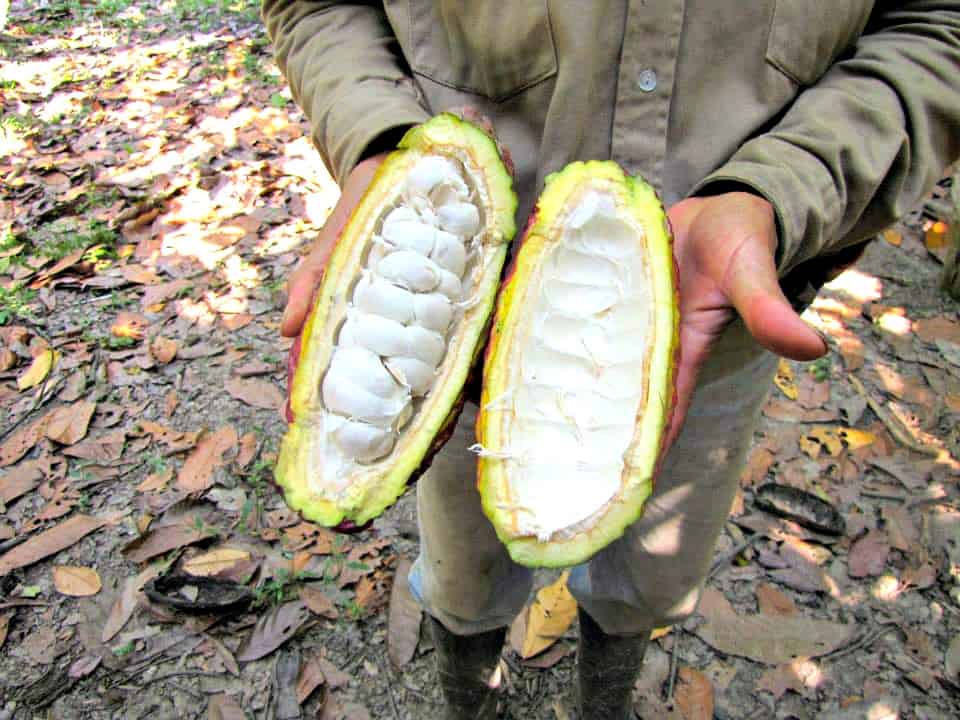
One of the most profound examples of this resilience is found in the cultivation of cacao. In Bribri cosmology, the cacao tree is a sacred entity, and specific women are designated from birth as "guardians of the cacao." As climate change affects traditional agricultural cycles, these communities are using ancestral polyculture techniques—planting cacao alongside taller fruit and timber trees—to create microclimates that protect crops from heat and soil erosion.
Tourism initiatives led by ATEC allow visitors to engage in traditional chocolate-making and learn about indigenous land management. These exchanges provide an alternative to the industrial agricultural models that have historically contributed to deforestation in Central America, highlighting the importance of cultural preservation in the broader fight against climate change.
6. Arenal: A Global Model for Renewable Energy
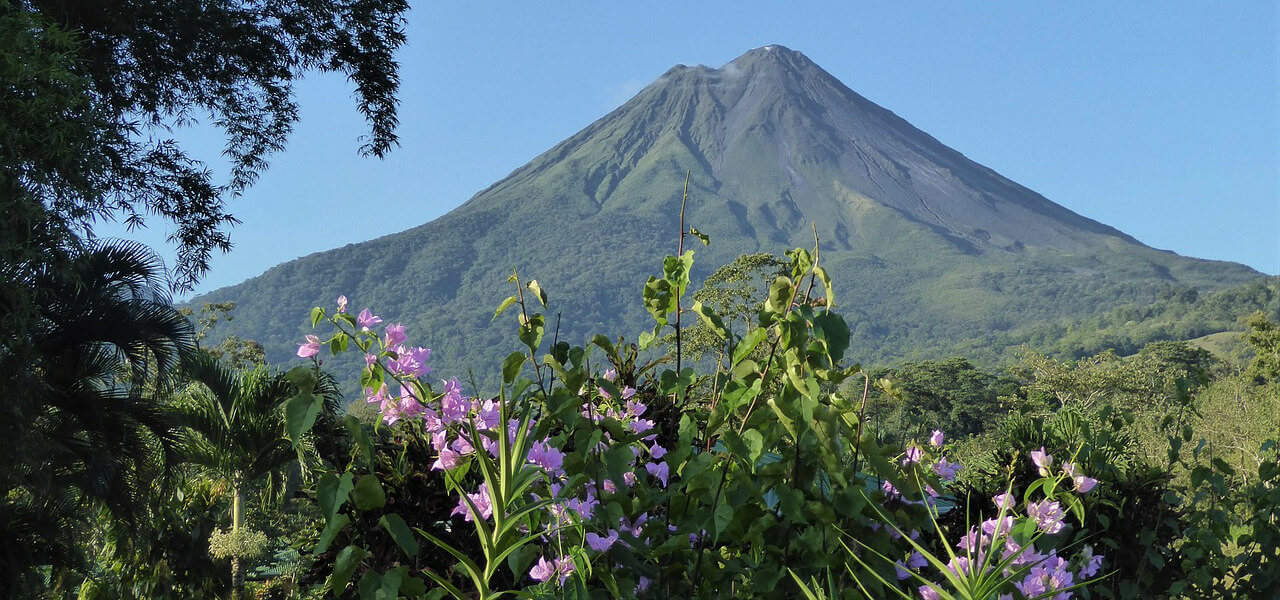
Costa Rica’s commitment to a carbon-neutral future is best reflected in its energy grid. For several consecutive years, the nation has generated over 98% of its electricity from renewable sources, primarily hydroelectric, geothermal, wind, and solar power. The Arenal region, home to the iconic Arenal Volcano and Lake Arenal, is the heart of this green energy production.
This national success has inspired local enterprises to pursue total energy independence. Rancho Margot, a self-sufficient organic farm and eco-lodge near Lake Arenal, serves as a premier example of a circular economy. The facility generates 100% of its power through on-site hydroelectric technology and produces its own biodiesel and organic compost.
Visitors to the Arenal region can move beyond sightseeing by participating in volunteer programs at such facilities. Working in organic gardens or assisting with sustainable animal husbandry provides travelers with a practical understanding of how renewable energy and regenerative agriculture can be integrated into a functional, low-impact lifestyle.
7. The Gandoca Coast: Protecting Marine Life in a Warming Ocean
The nesting beaches of the Gandoca-Manzanillo Wildlife Refuge are on the front lines of the marine climate crisis. Leatherback sea turtles, which have survived for millions of years, are now facing unprecedented threats from rising sea levels and increasing sand temperatures.
Research conducted by the Costa Rican Alliance for Sea Turtle Conservation & Science (COASTS) has revealed a troubling trend: as sand temperatures rise, incubation periods are shortening, and a disproportionate number of hatchlings are being born female. This "feminization" of the population, combined with the loss of nesting habitat due to coastal erosion, threatens the long-term survival of the species.
Community-led turtle watching excursions in Caribe Sur and Gandoca are designed to be non-intrusive and highly educational. Revenue from these tours is used to fund beach patrols that protect nests from illegal harvesting and to maintain hatcheries where sand temperatures can be monitored and managed. By participating in these programs, travelers support a vital intervention in the life cycle of one of the ocean’s most ancient inhabitants.
Broader Implications and the Future of Travel
Costa Rica’s approach to "Climate Action Through Travel" represents a significant evolution in the global tourism industry. By integrating scientific research, indigenous wisdom, and renewable technology into the visitor experience, the country is demonstrating that travel can be a regenerative force rather than an extractive one.
The success of these initiatives suggests that the future of the industry lies in transparency and direct impact. As travelers become increasingly conscious of their carbon footprints, destinations that offer tangible ways to contribute to climate resilience will likely see sustained growth. Costa Rica’s model proves that protecting the planet’s most vulnerable ecosystems is not only an ethical imperative but a viable economic strategy for the 21st century.
Through the "Pura Vida" lens, climate action is no longer a burden of the few, but a shared journey of the many. For the global community, the lessons learned in the jungles and coasts of Costa Rica provide a roadmap for how humanity might navigate the environmental challenges of the coming decades.

