


The landscape of consumer behavior in 2025 has undergone a significant transformation, characterized by a decisive shift away from high-frequency international travel toward a renewed focus on domestic wellness, home efficiency, and personal health. This trend, observed by industry analysts and long-term lifestyle commentators, is driven by a confluence of economic pressures, logistical challenges in the aviation sector, and a growing cultural emphasis on "active longevity." As the global wellness market reaches an estimated valuation of $1.8 trillion, according to recent McKinsey & Company reports, consumers are increasingly prioritizing high-quality home goods and health-focused innovations over traditional luxury experiences.

The Rise of the Homebody Economy and Domestic Wellness
The transition from a travel-heavy lifestyle to one centered on the home is not merely a personal choice for many but a response to global conditions. For professionals who have spent decades in the travel industry, such as Bret Love and Mary Gabbett of Green Global Travel, the shift highlights broader systemic issues: rising costs, overcrowded transit hubs, and geopolitical instability. This pivot has fueled a demand for products that enhance the "sanctuary" of the home.
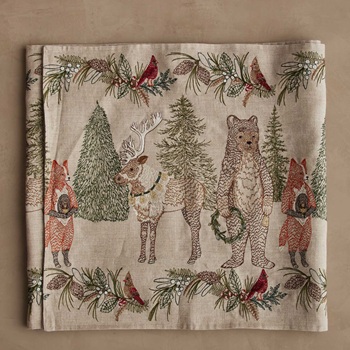
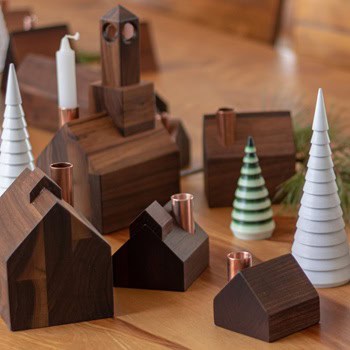
Designers like Stephanie Housley of Coral & Tusk and Ann Nygard of Hauskaa have seen increased interest in artisanal, hand-crafted decor. Housley’s hand-drawn textile designs and Nygard’s minimalist, Norwegian-influenced wooden villages represent a move toward "slow decor"—intentional, sustainable pieces that prioritize quality over mass-produced quantity. This aligns with the "Marie Kondo" philosophy of decluttering, where consumers replace outdated items with few, high-value pieces that provide aesthetic and emotional utility.
Culinary Innovation and the Professionalization of the Home Kitchen
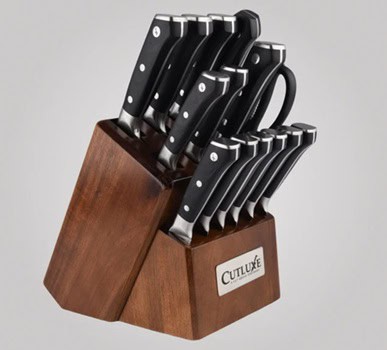
One of the most robust sectors in the 2025 gift market is premium kitchenware. As the cost of dining out continues to rise, more households are investing in professional-grade tools to facilitate home-cooked, health-conscious meals. The high-carbon German stainless steel market, exemplified by the Cutluxe 15-piece Knife Set, has seen a surge as home chefs seek durability and precision.
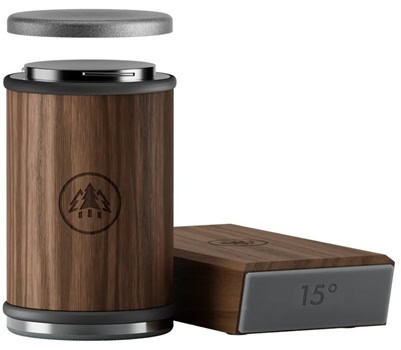
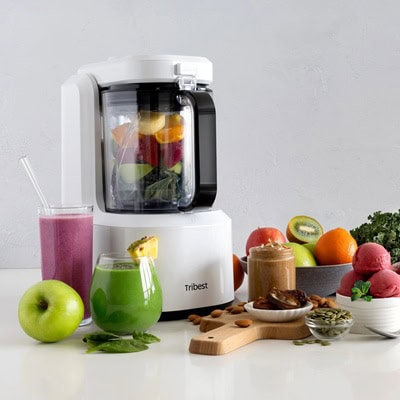
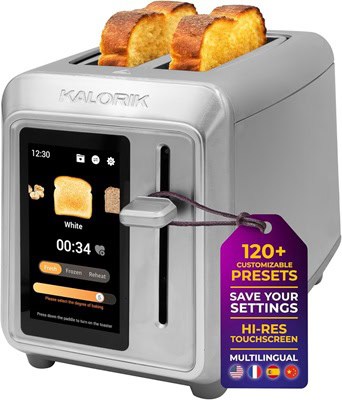
Supporting this trend is a new wave of maintenance technology. The HORL3 Rolling Knife Sharpener, for instance, utilizes diamond and ceramic disks to provide professional-level honing at home, reflecting a consumer desire for self-sufficiency. Furthermore, the appliance sector is witnessing a "futuristic" evolution. The Tribest Backspin Contra-Rotating Impact Blender and the Kalorik Vivid Touch Toaster—featuring high-resolution touchscreens and customizable presets—demonstrate how traditional appliances are being re-engineered for maximum efficiency and nutritional preservation.
Sustainable Food Systems and Direct-to-Consumer Protein
The domestic food market has faced significant inflation, with beef prices reportedly increasing by nearly 50% since 2020. This economic shift has redirected consumers toward curated gift boxes and direct-to-consumer (D2C) models that prioritize sustainability and transparency.
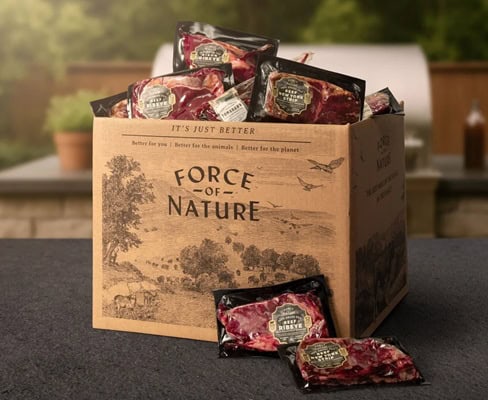
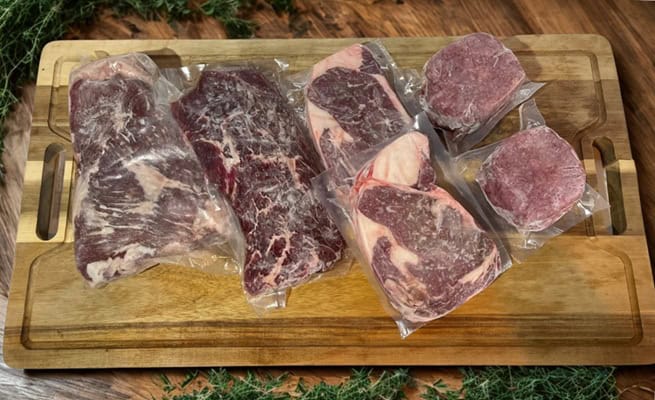
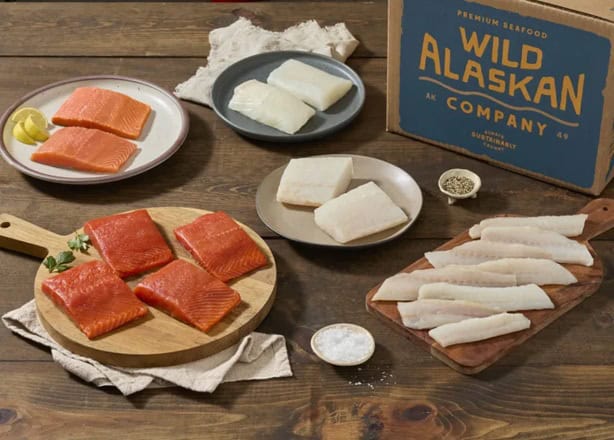
Companies like Force of Nature and Brown Ranch Meats are at the forefront of the regenerative agriculture movement. By offering grass-fed bison, venison, and pasture-raised beef, these brands cater to "foodies" who are concerned with both nutrient density and the environmental impact of their consumption. Similarly, the Wild Alaskan Company has capitalized on the demand for sustainable seafood, providing wild-caught, antibiotic-free products that bypass traditional supply chain inefficiencies.
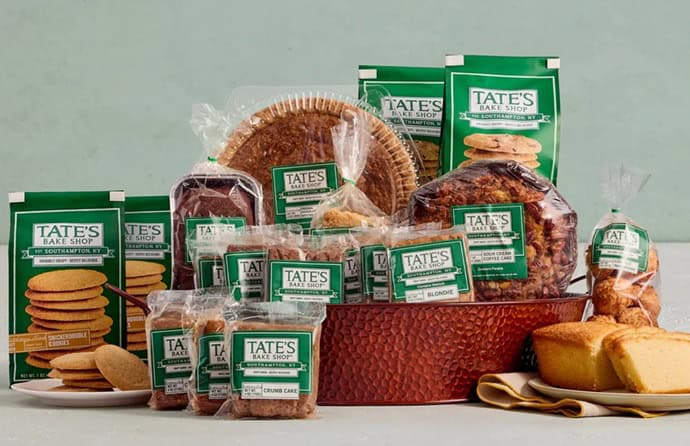
This movement toward specialized food extends to the "healthy indulgence" category. Brands like Harken Sweets and Mightylicious are disrupting the confectionery market by using dates and clean, gluten-free ingredients to cater to the growing demographic of health-conscious consumers, including those managing conditions like Type 2 diabetes.
The Evolution of Domestic Preparedness
A critical turning point in consumer awareness occurred in late 2024 following the devastation of Hurricane Helene in the Blue Ridge Mountains. This event highlighted the vulnerabilities of modern infrastructure and spurred a massive increase in the "preparedness" market.

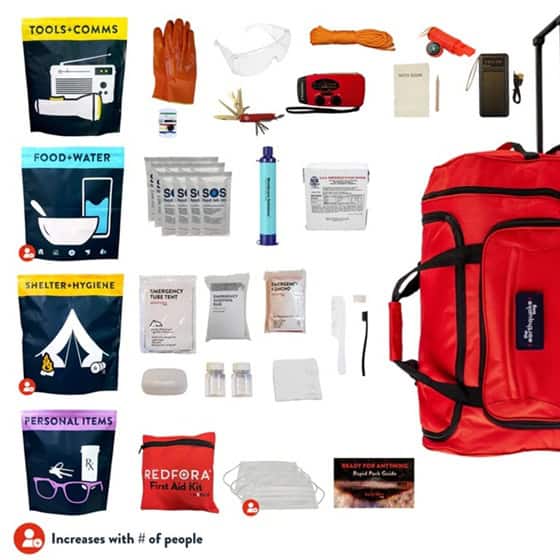
No longer relegated to fringe "prepper" culture, emergency readiness has become a mainstream household priority. The Redfora "Ready For Anything" Emergency Kit represents the professionalization of this sector. These kits, which include NOAA radios, solar power banks, and advanced water filtration systems, are designed for urban and suburban families who recognize the increasing frequency of climate-related disruptions. A portion of these sales often supports disaster relief funds, creating a circular economy of resilience.
Specialty Coffee and the Portable Brewing Revolution
The coffee industry continues to see a "third-wave" expansion, where consumers demand cafe-quality results in both home and travel settings. The Coulee Coffee SWIRL System, which automates the precise patterns of a manual pour-over, indicates a move toward "smart" brewing that respects the chemistry of the bean.
Simultaneously, the "portable espresso" market has matured. Brands like AeroPress and Outin have developed lightweight, shatterproof systems that allow travelers and campers to maintain their health and caffeine regimens without relying on single-use plastics or low-quality hotel coffee. This focus on "ethically sourced" and "small-batch" roasting—supported by veteran-owned companies like Fire Dept Coffee—reflects a consumer base that values social impact as much as flavor.
Active Longevity: E-Bikes and the Science of Sleep
As the "silver tsunami" of aging Gen Xers and Baby Boomers continues, the focus on "active longevity" has reached an all-time high. Physical fitness is no longer just about aesthetics; it is about maintaining mobility.
The e-bike industry is a primary beneficiary of this shift. Companies like Lectric have democratized micro-mobility by producing affordable, high-power electric bikes like the XP4 750. These vehicles allow individuals with joint issues or decreased stamina to remain active. This has necessitated a secondary market for safety; XNITO eBike Helmets, for example, are specifically certified (NTA 8776) to protect riders at the higher speeds (up to 28 mph) that e-bikes achieve, which standard bicycle helmets are not designed to withstand.
Parallel to physical activity is the burgeoning "sleep economy." With insomnia affecting a significant portion of the global population, products like the Manta Sleep Defense Bundle—which combines 100% blackout masks with white noise machines—are being marketed as essential health tools rather than mere accessories.
The Clean Beauty Movement and Dermatological Tech
The final pillar of the 2025 home and health market is the "clean beauty" and "at-home spa" sector. Consumers are moving away from chemical-heavy cosmetics toward plant-based, cruelty-free skincare.
The integration of technology into skincare is evident in the rise of LED therapy. Products like LED Esthetics’ Glotech Minis use red and near-infrared light to stimulate collagen production, bringing clinical-grade dermatological treatments into the home. Additionally, specialized lines for men (ManLabs) and Nordic-inspired organic brands (Viking Beauty Secrets) suggest a market that is increasingly segmented and focused on specific ingredient transparency, such as sea buckthorn and hyaluronic acid.
Broader Economic and Social Implications
The data suggests that the holiday shopping season of 2025 is less about "frivolous" spending and more about "investing" in the home and self. The 45+ gift ideas outlined in recent industry guides reflect a consumer who is:
- Risk-Averse: Investing in emergency kits and home security.
- Health-Conscious: Prioritizing nutrient-dense food and physical mobility tools.
- Value-Oriented: Seeking professional-grade products with long lifespans (e.g., high-end cutlery and durable appliances).
- Socially Aware: Favoring veteran-owned, female-led, and environmentally sustainable brands.
This shift toward "Home & Health" is likely to have long-term implications for the travel and hospitality industries, which may need to pivot toward "wellness retreats" and higher-quality amenities to lure consumers back from their increasingly optimized home environments. As households become better equipped with professional kitchens, advanced fitness gear, and high-tech wellness tools, the "staycation" may evolve from a budget-saving tactic into a preferred lifestyle choice for the modern era.

