

A landmark study, the DoYou Global Yoga Survey, has offered an unprecedented look into the contemporary landscape of yoga practice worldwide, drawing insights from over 10,000 participants across 124 countries. The comprehensive data highlights key trends in preferred yoga styles, revealing how practitioners globally are engaging with this ancient discipline. The findings, released by DoYou.com, underscore the diverse motivations and preferences shaping the global yoga community, with Vinyasa Flow emerging as the undisputed leader.
The Expanding Global Yoga Phenomenon
Yoga, originating in ancient India, has transformed over centuries into a multifaceted global wellness practice. Its journey from spiritual discipline to mainstream fitness and therapeutic modality has been marked by significant adaptation and diversification. The past few decades, in particular, have witnessed an exponential growth in its popularity, fueled by increasing awareness of holistic health, stress management, and physical well-being. This expansion has led to the proliferation of numerous styles, each catering to different needs and preferences, making a global survey like this invaluable for understanding current trends. The DoYou Global Yoga Survey, by engaging such a broad international demographic, serves as a crucial barometer for the evolving nature of yoga, providing data-driven insights into what resonates most with practitioners today.
Survey Methodology and Scope
Conducted over a specified period, the DoYou Global Yoga Survey employed an online questionnaire distributed to its extensive international user base and partner networks. Participants were asked to identify their primary yoga style, among other questions related to their practice frequency, motivations, and perceived benefits. The sheer volume of responses—10,982 individuals—and their geographical spread across 124 nations lend significant credibility to the survey’s findings, making it one of the most comprehensive recent studies on global yoga preferences. The survey aimed to move beyond anecdotal evidence, providing a statistical snapshot of the global yoga community’s choices.
Dominant Styles: An In-Depth Look
The survey identified several leading yoga styles, each appealing to distinct facets of physical and mental well-being.
1. Vinyasa Flow: The Global Frontrunner
Topping the charts with a significant 57% of respondents identifying it as their primary style, Vinyasa Flow demonstrates its pervasive appeal. This dynamic style is characterized by its fluid, breath-synchronized movement between poses, creating a continuous "flow." Its popularity is largely attributed to its adaptability and its ability to deliver a comprehensive physical workout. Vinyasa is an umbrella term encompassing various dynamic practices, including Power Yoga and Ashtanga. Its flexibility allows instructors to creatively sequence classes, making it accessible to a wide range of skill levels while ensuring a heart-pumping, muscle-warming experience.
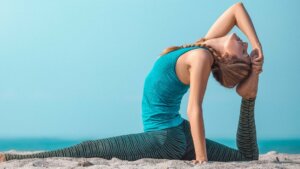
Wellness experts suggest Vinyasa’s appeal lies in its alignment with modern fitness expectations, offering tangible physical benefits such as increased strength, flexibility, and cardiovascular health, often with a less overtly spiritual emphasis compared to some traditional forms. Its energetic nature and immediate physical feedback are key drivers for its broad adoption. The customizable nature of Vinyasa series also allows practitioners to experience diverse sequences, preventing monotony and fostering continuous engagement.
2. Hatha Yoga: The Foundation of Practice
Securing the second spot with 42% of participants, Hatha Yoga represents a more deliberate and foundational approach. Often seen as the antithesis to Vinyasa’s rapid pace, Hatha classes typically involve holding individual poses for longer durations, emphasizing proper alignment, deep stretching, and breath awareness.
Hatha serves as a broad category that encompasses many traditional yoga styles. Its slower pace makes it an excellent entry point for beginners, allowing them to learn the fundamentals of poses and develop body awareness without the pressure of continuous movement. Experienced practitioners also gravitate towards Hatha for its meditative qualities and its focus on deep tissue stretching and relaxation, making it ideal for improving flexibility and cultivating a calmer state of mind. Its enduring popularity speaks to the timeless need for accessible and mindful physical practice.
3. Restorative Yoga: Embracing Stillness and Healing
A significant 29% of respondents chose Restorative Yoga as their preferred primary style, highlighting a growing global inclination towards practices that prioritize relaxation and stress reduction. Restorative yoga sequences are characterized by gentle poses held for extended periods, typically with ample support from props like bolsters, blankets, and blocks. The objective is to encourage passive stretching and deep relaxation, allowing the nervous system to calm and the body to release tension.
This style is particularly valued for its therapeutic benefits, aiding in recovery from stress, illness, or injury, and promoting better sleep. Its gentle nature makes it suitable for individuals of all ages and physical conditions, offering a sanctuary of stillness in a fast-paced world. The appeal of Restorative Yoga underscores a broader trend in wellness towards practices that emphasize recovery, mental health, and mindful repose.
4. Power Yoga: The Athletic Evolution
Also garnering 29% of the vote, Power Yoga stands as a more intense and athletic offshoot of Vinyasa. While adhering to the principles of flowing sequences, Power Yoga classes are designed to be more physically demanding. Instructors often incorporate faster transitions, more challenging inversions and arm balances, or extended holds to build significant strength and endurance.

Power Yoga appeals to practitioners seeking a rigorous workout that builds lean muscle, improves stamina, and enhances mental fortitude. Its emphasis on physical challenge aligns with contemporary fitness trends, offering a dynamic and invigorating experience that pushes physical boundaries.
5. Ashtanga Yoga: The Traditional Series
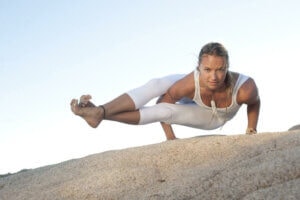
With 25% of participants, Ashtanga Yoga maintains a strong following. This disciplined style is a specific form of Vinyasa, distinguished by its fixed sequence of poses. Practitioners perform the same series of postures in the exact same order in every class, fostering a deep understanding of the sequence and allowing for measurable progress over time.
Ashtanga is renowned for its transformative potential, building immense strength, flexibility, and mental discipline. Its consistent structure appeals to those who thrive on routine and enjoy the meditative quality of repeating a familiar sequence. It represents a more traditional and rigorous path within the Vinyasa lineage, often practiced six days a week.
6. Yin Yoga: Deepening Connective Tissue Work
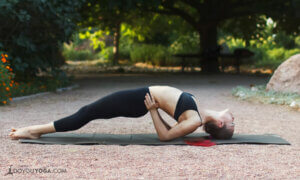
Yin Yoga captured 17% of the responses, demonstrating a solid interest in practices that target the body’s deeper tissues. Similar to Restorative Yoga in its use of long holds, Yin Yoga focuses on stretching connective tissues—fascia, ligaments, and joints—rather than muscles. Poses are held for several minutes, often in a seated or supine position, applying gentle stress to these tissues to improve flexibility and joint health.
Yin Yoga is considered a complementary practice to more dynamic, "yang" styles, promoting balance and injury prevention. It demands significant concentration and patience, inviting practitioners into a meditative state as they explore physical sensations and mental stillness. Its popularity reflects a growing appreciation for practices that enhance mobility and support long-term physical health.
7. Bikram/Hot Yoga: Sweating for Purity
Ten percent of survey respondents reported practicing Bikram or Hot Yoga. Bikram Yoga is a highly specific sequence of 26 postures and two breathing exercises performed in a room heated to 35-42°C (95-108°F) with 40% humidity. More generic Hot Yoga classes may vary in temperature and sequence but share the heated environment.
Proponents believe the heat aids in deeper stretching, detoxification through sweating, and improved circulation. These classes are intensely physical and require diligent hydration before and after practice. The disciplined environment and perceived health benefits attract a dedicated segment of the yoga community.
8. Iyengar Yoga: Precision and Alignment
Rounding out the top styles, Iyengar Yoga was chosen by 8% of participants. A subset of Hatha Yoga, Iyengar emphasizes precise anatomical alignment in each pose, often utilizing props like blocks, straps, and blankets to facilitate proper form and allow practitioners to experience poses more deeply.
Developed by B.K.S. Iyengar, this method is known for its meticulous instruction and therapeutic applications. It appeals to those seeking to refine their understanding of yoga postures, improve structural alignment, and address specific physical conditions. Its systematic approach to learning and progression makes it a powerful practice for developing strength, stability, and body intelligence.

Implications for the Global Yoga Community
The findings of the DoYou Global Yoga Survey carry significant implications for various stakeholders within the global yoga community:
- For Practitioners: The survey provides a clear overview of popular styles, helping individuals explore options that align with their fitness goals, lifestyle, and personal preferences. It also encourages cross-style exploration, suggesting that mixing different practices can lead to a more holistic and challenging experience.
- For Yoga Studios and Instructors: The data offers valuable market intelligence. The dominance of Vinyasa Flow, coupled with strong interest in Hatha and Restorative practices, suggests a demand for both dynamic and restorative options. Studios can tailor their schedules and training programs to meet these preferences, while instructors can diversify their offerings to attract a broader clientele. The steady presence of niche styles like Ashtanga, Yin, and Iyengar also indicates a market for specialized, in-depth instruction.
- For the Wellness Industry: The survey reinforces yoga’s position as a cornerstone of the global wellness industry. The preference for styles that offer both physical rigor and mental calm reflects a broader societal trend towards integrated health solutions. This insight can inform the development of related products, services, and digital platforms. The global reach of the survey also highlights the universal appeal of yoga as a tool for health and self-improvement, transcending cultural boundaries.
Broader Impact and Future Outlook
The diversification of yoga styles, as evidenced by this survey, reflects a remarkable ability of the practice to adapt to modern life. From high-intensity workouts to deeply meditative stretches, yoga offers a spectrum of experiences that cater to a wide array of physical, mental, and spiritual needs. The continued growth of online yoga platforms and hybrid classes further democratizes access, allowing individuals to explore these diverse styles from anywhere in the world.
As the global wellness movement continues to evolve, understanding these preferences will be crucial. The survey data suggests a future where personalized practice, informed by a deeper understanding of individual needs and goals, will become increasingly prevalent. The sustained interest in both physically demanding and deeply relaxing forms of yoga indicates a holistic approach to well-being that values both strength and serenity. The DoYou Global Yoga Survey stands as a testament to yoga’s enduring relevance and its dynamic evolution in response to the aspirations of millions worldwide.

