

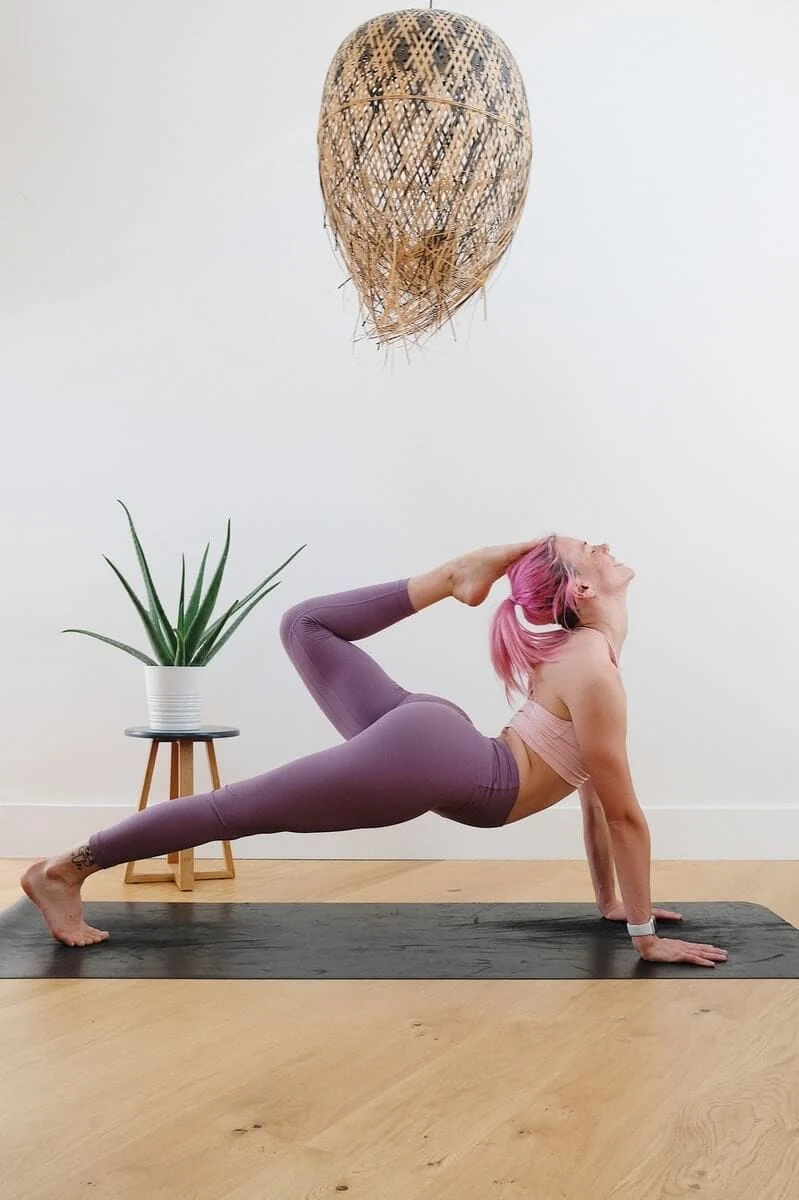
A comprehensive analysis of the DoYou Global Yoga Survey 2021, which garnered responses from over 10,000 practitioners across 124 countries, has highlighted a significant and accelerating trend: the overwhelming preference for practicing yoga within the comfort and confines of one’s own home. The survey’s findings indicate a paradigm shift in how individuals engage with yoga, signaling broader implications for the global wellness industry and traditional studio models. An astounding 85% of respondents reported primarily practicing yoga at home, a figure that underscores a fundamental reorientation driven by evolving lifestyles, technological advancements, and the unprecedented circumstances of the recent past.
This pronounced pivot towards home-based practice is not a singular phenomenon but a confluence of several compelling factors, identified by survey participants as paramount to their choices. The top four reasons cited by practitioners for their preference for home yoga include unparalleled convenience, greater affordability, the invaluable aspect of privacy, and the empowering sense of personal control over their practice. These drivers collectively paint a picture of a yoga landscape increasingly shaped by individual needs and modern demands, moving away from a historically studio-centric model.
The Context of the DoYou Global Yoga Survey 2021
The DoYou Global Yoga Survey 2021 was a landmark initiative by DoYou, a prominent online platform dedicated to yoga and wellness, aimed at understanding the evolving dynamics of yoga practice worldwide. Conducted between late 2020 and early 2021, the survey captured a critical juncture in global health and lifestyle trends. It’s imperative to note the significant backdrop against which this data was collected: the ongoing COVID-19 pandemic. Global lockdowns, social distancing mandates, and widespread restrictions on public gatherings profoundly impacted communal activities, including attendance at yoga studios and fitness centers. While the survey’s disclaimer explicitly acknowledges that these numbers are likely influenced by the pandemic, the sheer scale of the shift suggests that certain underlying preferences, merely amplified by the crisis, are likely to persist as enduring trends. The survey aimed to provide actionable insights for instructors, studios, and practitioners alike, navigating an uncertain yet rapidly evolving wellness ecosystem.
Prior to the pandemic, the yoga industry was largely characterized by a vibrant network of physical studios, retreats, and in-person classes. Community engagement, hands-on adjustments from instructors, and the shared energy of a group practice were often highlighted as core benefits. However, even before 2020, nascent trends towards digital fitness, including online yoga platforms and instructional videos, were gaining traction, albeit at a slower pace. The pandemic acted as a powerful accelerant, forcing an immediate and widespread adoption of digital alternatives, transforming them from niche offerings into mainstream necessities. The DoYou survey effectively captured the immediate aftermath of this seismic shift, providing a crucial snapshot of an industry in rapid transition.
Driving Factors Behind the Home Practice Surge
The survey meticulously broke down the primary motivations for this widespread embrace of home yoga, revealing distinct yet interconnected reasons:
1. Unmatched Convenience (71% of Home Practitioners)
For a substantial 71% of those who practice yoga at home, convenience emerged as the most compelling factor. In an increasingly fast-paced world, the prospect of navigating traffic, commuting, finding parking, and adhering to fixed studio schedules can be a significant deterrent. Home practice eliminates these logistical hurdles entirely. Individuals can roll out their mat at any time that suits their personal schedule—before work, during a lunch break, or late in the evening—without the added time commitment of travel. The freedom to practice in one’s preferred attire, be it pajamas or athletic wear, without the social pressures of a public setting, further enhances this sense of ease. This flexibility caters to busy professionals, parents, and anyone seeking to integrate wellness seamlessly into their daily routine without compromising other commitments. The rise of on-demand streaming services and vast libraries of online yoga content has further democratized access, making a high-quality practice available 24/7.
2. Enhanced Affordability (46% of Home Practitioners)
Financial considerations play a crucial role for nearly half of home practitioners. Studio memberships and drop-in class fees can represent a significant monthly expense, often ranging from $15 to $30 per class, or upwards of $100-$200 for unlimited monthly access in many urban centers. When factoring in additional costs such as transportation, specialized yoga attire, and potential childcare, the overall expense can become prohibitive for many. In stark contrast, the digital realm offers a wealth of free resources, most notably through platforms like YouTube, where countless certified instructors offer high-quality classes across all styles and levels. For those seeking more structured content, affordable online subscriptions (often less than $20-$30 per month) provide extensive libraries, often at a fraction of the cost of a single studio class. This economic accessibility has broadened yoga’s reach, making it viable for a wider demographic who might otherwise be excluded due to financial constraints.
3. The Sanctuary of Privacy (33% of Home Practitioners)
Yoga, while often promoted as non-competitive, can still present an intimidating environment for some, particularly beginners or those with body image concerns. The perceived sense of judgment, the pressure to keep up with more experienced practitioners, or simply the discomfort of exercising in public can deter individuals from attending studio classes. For 33% of respondents, the privacy of their home provides a safe and secure space to explore their practice without these external pressures. This is particularly beneficial for individuals who are new to yoga, wish to experiment with different poses, or prefer to engage in a more introspective and meditative practice away from distractions. It allows for vulnerability and self-exploration, fostering a deeper connection to the practice without the self-consciousness that can sometimes arise in a group setting. This personal sanctuary empowers practitioners to focus purely on their breath, alignment, and internal experience.
4. Empowering Personal Control (Over 60% cited instructor/atmosphere)
The survey revealed that over 60% of overall respondents considered the instructor and atmosphere crucial to their enjoyment of a yoga class. Practicing at home grants practitioners unparalleled control over these very elements. Individuals can meticulously curate their experience: choosing their preferred instructor from a global pool of talent, selecting a style of yoga that aligns with their current mood or physical needs (e.g., Vinyasa for energy, Restorative for relaxation), and even adjusting the duration and intensity of the practice on any given day. This level of personalization extends to the environment itself, allowing practitioners to control lighting, music, room temperature, and any other elements that contribute to their ideal practice space. This autonomy ensures a consistently satisfying experience, free from the potential disappointment of an incompatible instructor, a crowded studio, or an unsuitable class atmosphere. It transforms yoga from a prescribed activity into a deeply individualized journey.
The Dual Edge of Home Practice: Challenges and Considerations
While the advantages of home practice are compelling, the DoYou survey and subsequent analysis also highlighted several significant downsides and potential pitfalls that practitioners must navigate. These challenges underscore the enduring value of traditional studio environments and qualified in-person instruction.
Risk of Injury and Lack of Personalized Feedback: One of the most critical concerns associated with exclusive home practice is the increased risk of improper form and potential injury. Without the watchful eye of a trained instructor, practitioners may unknowingly perform poses incorrectly, leading to strain or more serious physical harm. The absence of real-time, personalized feedback and hands-on adjustments means that subtle misalignments can go uncorrected, hindering progress and potentially exacerbating existing physical conditions. This is particularly pertinent for beginners who are still learning fundamental alignment principles or for individuals with pre-existing injuries or chronic conditions who require modifications and expert guidance to practice safely.
Absence of Community and Shared Energy: Yoga studios are more than just spaces for physical exercise; they are often vibrant community hubs. The collective energy of a group, the shared journey through a practice, and the social interaction before and after class contribute significantly to the overall well-being of many practitioners. This sense of belonging, motivation, and mutual support is largely absent in a solitary home practice. For many, the social aspect of yoga is as crucial as the physical benefits, providing a mood boost, fostering connections, and offering a sense of accountability that can be difficult to replicate independently. The pandemic-induced isolation only amplified this need for connection, making the lack of in-person community a notable drawback for home-only practitioners.
Maintaining Motivation and Discipline: While the control offered by home practice is a draw for many, it can also be a double-edged sword when it comes to motivation and discipline. Without the external structure of a scheduled class, the commitment to attend, and the presence of an instructor, some individuals may struggle to maintain a consistent practice. Distractions at home, a lack of dedicated space, or simply the absence of external accountability can lead to sporadic engagement or a complete drop-off in practice. Studio environments often provide a dedicated, distraction-free space that signals a shift from daily life into a focused practice, a mental separation that can be challenging to achieve at home.
Implications for the Yoga and Wellness Industry
The insights from the DoYou Global Yoga Survey 2021 carry profound implications for the future trajectory of the yoga and broader wellness industry. The overwhelming preference for home practice necessitates a strategic rethinking by studios, instructors, and content creators alike.
The Rise of Hybrid Models: The future of yoga is unlikely to be exclusively home-based or studio-based but rather a dynamic hybrid model. Many practitioners already enjoy the flexibility of switching between home and studio practice, leveraging the convenience and affordability of online resources while still seeking the personalized guidance and community of in-person classes. Studios that adapt by offering a blend of in-person classes, live-streamed sessions, and on-demand content libraries are likely to thrive. This allows them to retain existing members who value the studio experience while simultaneously reaching a broader, more digitally-oriented audience.
Innovation in Digital Yoga: The surge in home practice is spurring rapid innovation in digital yoga offerings. This includes more sophisticated online platforms with personalized recommendations, AI-powered feedback mechanisms for alignment correction, and even immersive virtual reality (VR) experiences that seek to replicate the studio atmosphere. Instructors are increasingly developing skills in online pedagogy, learning to effectively guide students through a screen, offer verbal adjustments, and build virtual communities.
Shifting Role of Yoga Studios: Traditional yoga studios may evolve to become more specialized community hubs. Their value proposition could shift from being the sole provider of yoga classes to offering unique experiences such as workshops, retreats, advanced trainings, specialized therapeutic yoga, and personalized one-on-one sessions. They will continue to be crucial for beginners seeking foundational instruction, individuals with specific health needs requiring expert supervision, and those who deeply value the social and communal aspects of yoga. The emphasis will be on creating unparalleled in-person experiences that cannot be replicated at home.
Enhanced Accessibility and Diversity: The move towards home practice, particularly through free and affordable online resources, significantly enhances the accessibility of yoga. It breaks down geographical barriers, making yoga available to individuals in remote areas or those without local studios. It also democratizes access for lower-income individuals and those with mobility issues or social anxieties, thereby fostering a more inclusive and diverse global yoga community.
Statements from Industry Stakeholders (Inferred)
"The findings from the DoYou Global Yoga Survey are a clear call to action for the entire yoga community," stated a spokesperson for DoYou.com. "We are seeing a permanent shift in how people want to engage with their wellness practices. Our role is to continue providing valuable insights and resources that empower practitioners and support instructors and studios in adapting to these evolving needs."
A prominent yoga studio owner in New York City, who adapted her business during the pandemic, commented, "Initially, the shift to online was purely out of necessity. But what we’ve learned is that it opened our doors to people who would never have walked into our physical studio. While nothing truly replaces the energy of a live class, a hybrid model allows us to serve both our local community and a global audience. We’re now focusing on making our in-person classes even more special, emphasizing personalized attention and community events that home practice can’t replicate."
A certified yoga instructor, who has built a significant following online, shared, "I’ve seen firsthand how home practice has empowered so many people to start or deepen their yoga journey. My biggest concern is ensuring proper alignment and preventing injury without being physically present. This highlights the need for clearer verbal cues, detailed demonstrations, and perhaps even integrating technology that can provide some level of real-time feedback for students at home."
Conclusion: A More Flexible and Inclusive Future
The DoYou Global Yoga Survey 2021 provides compelling evidence of a transformative period for yoga worldwide. While influenced by the unique circumstances of the pandemic, the underlying drivers of convenience, affordability, privacy, and control are enduring human desires that will continue to shape consumption patterns across many industries, including wellness. The overwhelming shift towards home practice is not necessarily a demise of the traditional studio but rather an evolution towards a more flexible, personalized, and ultimately more accessible global yoga landscape.
The future of yoga appears poised for a dynamic interplay between digital innovation and the irreplaceable value of human connection and expert guidance. By embracing hybrid models, leveraging technology thoughtfully, and focusing on the unique strengths of both home and studio environments, the yoga community can continue to grow, reaching more individuals and fostering well-being in an ever-changing world. The insights from this survey serve as a critical compass, guiding the industry towards a more resilient, inclusive, and practitioner-centric future.

