

The global landscape of yoga practice has been illuminated by the recent DoYou Global Yoga Survey, which gathered insights from an impressive 10,000 participants across 124 countries. This comprehensive study provides a valuable snapshot of current trends, preferences, and motivations within the diverse world of yoga, offering clarity for both seasoned practitioners seeking new directions and beginners embarking on their wellness journey. The survey’s findings identify the most commonly practiced yoga styles, revealing how a global community engages with this ancient discipline.
Background and Methodology of the DoYou Global Yoga Survey
The DoYou Global Yoga Survey, conducted by the prominent online yoga platform DoYou.com, represents a significant endeavor to understand the evolving dynamics of yoga practice worldwide. Launched as an open invitation to its vast global audience, the survey aimed to quantify preferences, track trends, and gather demographic information to paint a clearer picture of the modern yogi. The participation of over 10,000 individuals from 124 distinct nations underscores the global reach and universal appeal of yoga, transforming it from a niche spiritual practice into a mainstream wellness phenomenon.
The methodology involved an online questionnaire distributed through DoYou.com’s extensive network, allowing for self-reported data on primary yoga styles, motivations for practice, frequency, and perceived benefits. This approach, while relying on participant self-identification of styles, provides a broad and representative overview of global preferences. The sheer volume and geographical diversity of responses lend considerable weight to the survey’s conclusions, making it a crucial reference point for the yoga industry, instructors, and practitioners alike. The survey’s design focused on identifying overarching trends rather than minute statistical variations, providing actionable insights into popular choices.
The Rise of Yoga: A Global Phenomenon
Yoga, originating in ancient India, has undergone a remarkable transformation over the past century, evolving from esoteric traditions into a widely accessible form of physical exercise, mental discipline, and spiritual practice. Its global expansion gained significant momentum in the mid-20th century, particularly in the Western world, driven by pioneering teachers and an increasing societal focus on holistic health and stress reduction. Today, yoga studios are ubiquitous in urban centers, and online platforms have democratized access, allowing millions to practice from the comfort of their homes. This widespread adoption creates a continuous demand for data-driven insights into practitioner preferences, which the DoYou survey directly addresses. Understanding these trends is vital for studios, teacher training programs, and content creators to tailor their offerings to meet the needs of the global yoga community.
Unveiling the Most Popular Yoga Styles
The survey meticulously categorized responses to pinpoint the most favored styles. While many variations and sub-styles exist, the survey focused on identifying primary practice preferences, revealing a clear hierarchy of popularity.
1. Vinyasa Flow: The Global Frontrunner (57% Preference)
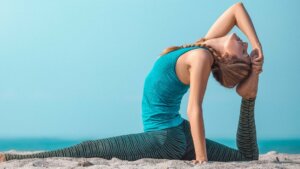
Securing the top position with a significant 57% of respondents identifying it as their primary yoga style, Vinyasa Flow stands out as the most popular form of yoga globally. Its widespread appeal is largely attributed to its dynamic nature, characterized by fluid transitions between poses synchronized with the breath. This "flow" quality creates a continuous, meditative movement sequence that can be both physically invigorating and mentally engaging.
Vinyasa, meaning "to place in a special way," is a broad and adaptable category, encompassing various sub-styles like Power Yoga and Ashtanga. However, when referred to simply as ‘Vinyasa,’ it emphasizes creative sequencing and adaptability, allowing instructors considerable flexibility to tailor classes to different levels and themes. This adaptability is a key factor in its popularity, as classes can range from gentle, meditative flows to vigorous, athletic sequences designed to build strength and endurance.
Practitioners are drawn to Vinyasa for its effectiveness as a comprehensive workout. The continuous movement elevates the heart rate, contributing to cardiovascular health, while holding poses strengthens muscles and improves flexibility. Beyond the physical, the emphasis on breath-synchronized movement cultivates a heightened sense of body awareness and mental focus, offering a practical approach to stress reduction without necessarily delving into overt spiritual themes, which appeals to a broad demographic seeking tangible exercise benefits. The immediate physical benefits, such as increased energy and reduced tension, contribute to its high retention rate among practitioners.
Inferred Commentary: Many yoga instructors commend Vinyasa for its versatility, noting that it allows for diverse class planning while still delivering a robust physical and mental experience. Its popularity also reflects a broader societal trend towards fitness-oriented wellness practices.
2. Hatha Yoga: The Foundation of Practice (42% Preference)
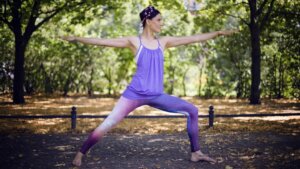
Hatha Yoga claims the second spot, with 42% of participants selecting it as their preferred style. Often considered the foundational umbrella under which many modern yoga styles fall, Hatha typically offers a slower-paced practice compared to Vinyasa. Its defining characteristic is the focus on holding individual poses (asanas) for longer durations, allowing practitioners to explore proper alignment, build foundational strength, and deepen stretches.
Hatha classes are generally more deliberate, with less emphasis on continuous flow. This measured approach makes it an excellent entry point for beginners, providing ample time to understand the mechanics of each pose and develop body awareness. It is also favored by those seeking a more contemplative practice, focusing on breath control (pranayama) and mindfulness within each posture. The benefits extend beyond physical flexibility and strength, promoting mental calmness and improved concentration. Hatha yoga’s emphasis on precise form and sustained holds can be particularly beneficial for improving posture, relieving chronic tension, and fostering a deeper connection between mind and body.
Inferred Commentary: Many wellness experts and physical therapists recommend Hatha yoga for its accessible nature and emphasis on proper alignment, making it ideal for rehabilitation, injury prevention, and building a strong, intelligent yoga practice.
3. Restorative Yoga: The Art of Deep Relaxation (29% Preference)
Tied for third place in preference with Power Yoga, Restorative Yoga garnered 29% of the votes, highlighting a significant demand for practices focused on relaxation and recovery. This style is characterized by its gentle nature, involving a limited number of passive poses held for extended periods (often 5-20 minutes). Crucially, Restorative Yoga makes extensive use of props such as bolsters, blankets, blocks, and eye pillows to fully support the body, allowing for complete physical release and profound relaxation.

The primary aim of Restorative Yoga is to activate the parasympathetic nervous system, responsible for the body’s "rest and digest" response. By minimizing muscular effort and maximizing support, the body can deeply relax, reducing stress, soothing the nervous system, and facilitating physical and mental rejuvenation. It is particularly beneficial for individuals experiencing high stress, fatigue, or recovering from illness or injury. Many practitioners find it an ideal practice before bedtime to improve sleep quality.
Inferred Commentary: In an increasingly fast-paced world, mental health professionals and sleep specialists often advocate for practices like Restorative Yoga as a vital tool for stress management and enhancing overall well-being.
4. Power Yoga: The Energetic Workout (29% Preference)
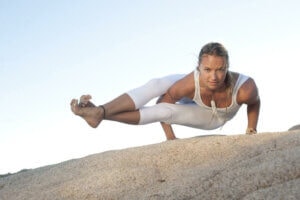
Sharing the third spot with Restorative Yoga, Power Yoga also attracted 29% of survey respondents, signifying its strong appeal to those seeking a more vigorous and physically demanding practice. As a direct descendant of Ashtanga Vinyasa, Power Yoga maintains the vinyasa principle of linking breath to movement but often deviates from Ashtanga’s strict sequence. This allows instructors to create challenging and creative flows designed to build significant strength, stamina, and flexibility.
Power Yoga classes are known for their intensity, often incorporating longer pose holds, advanced variations, and faster transitions. The emphasis is on building core strength, increasing cardiovascular fitness, and developing muscular endurance. It appeals particularly to individuals who view yoga as a primary form of exercise and enjoy a challenging workout that leaves them feeling invigorated and strong. The style’s adaptability means that while it is often physically demanding, modifications can be offered to accommodate various fitness levels, albeit with the expectation of significant effort.
Inferred Commentary: Fitness coaches and athletes often integrate Power Yoga into their training regimes, recognizing its effectiveness in enhancing physical performance, flexibility, and mental resilience.
5. Ashtanga Yoga: The Path of Discipline (25% Preference)
Ashtanga Yoga, with 25% of respondents, maintains its position as a revered and widely practiced style, particularly among those who appreciate structure and discipline. This traditional system, pioneered by K. Pattabhi Jois, is a highly structured form of Vinyasa yoga characterized by a fixed sequence of poses. Practitioners progress through a series (Primary, Intermediate, Advanced) in a precise order, performing each pose with specific breathing techniques (Ujjayi breath) and focal points (drishti).
The unchanging nature of the Ashtanga sequence means that regardless of where one practices globally, the class structure remains consistent. This predictability allows practitioners to internalize the sequence, leading to a deeper, more meditative experience as the physical movements become ingrained. Ashtanga is renowned for building immense strength, flexibility, and stamina, and its rigorous nature fosters profound mental discipline and concentration. It is a demanding practice, often requiring dedication and consistency, but offers a clear path for measurable physical and mental progress.
Inferred Commentary: Long-term Ashtanga practitioners often speak of the transformative power of its consistent discipline, which extends beyond the mat into daily life, fostering resilience and focus.
6. Yin Yoga: Deep Release for Connective Tissues (17% Preference)
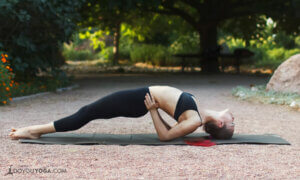
Yin Yoga, chosen by 17% of participants, represents a distinct and increasingly popular approach to yoga, contrasting sharply with dynamic, muscular styles. Similar to Restorative Yoga in its long holds, Yin Yoga differs in its intention: it targets the body’s deeper connective tissues—fascia, ligaments, joints, and bones—rather than muscles. Poses are typically held for three to five minutes, or even longer, allowing gravity and time to gently release tension in these often-neglected areas.
The practice focuses primarily on seated and reclined postures, often without muscular engagement, to access the deeper connective tissues that respond best to slow, sustained pressure. This makes Yin Yoga both physically challenging, due to the intensity of deep stretches, and mentally demanding, requiring practitioners to cultivate patience, stillness, and mindful awareness of sensations. It is considered a complementary practice, balancing the "yang" (active, muscular) styles of yoga and other physical activities, promoting joint health, increasing flexibility, and improving circulation in the connective tissues.
Inferred Commentary: Practitioners of traditional Chinese medicine and bodyworkers often highlight Yin Yoga’s benefits for energetic balance and maintaining the health of the body’s meridians, or energy channels.
7. Bikram/Hot Yoga: The Heated Practice (10% Preference)

With 10% of respondents, Bikram and other forms of Hot Yoga demonstrate a continued niche appeal. Bikram Yoga specifically follows a highly regimented sequence of 26 postures and two breathing exercises performed in a room heated to 35-42°C (95-108°F) with high humidity. More generic Hot Yoga classes offer similar heated environments but with more varied sequences, often drawing from Vinyasa or Hatha traditions.
Proponents of hot yoga often cite benefits such as increased flexibility due to warmed muscles, enhanced detoxification through sweating, and improved cardiovascular health. The intense heat adds an extra layer of challenge, requiring significant mental focus and stamina. However, practicing in such extreme conditions necessitates careful attention to hydration. Adequate water intake before, during, and after class is crucial to prevent dehydration and ensure a safe practice. The popularity of hot yoga speaks to a segment of practitioners who enjoy the intensity and perceived cleansing benefits of a heated environment.
Inferred Commentary: While studio owners often promote the unique physiological

