

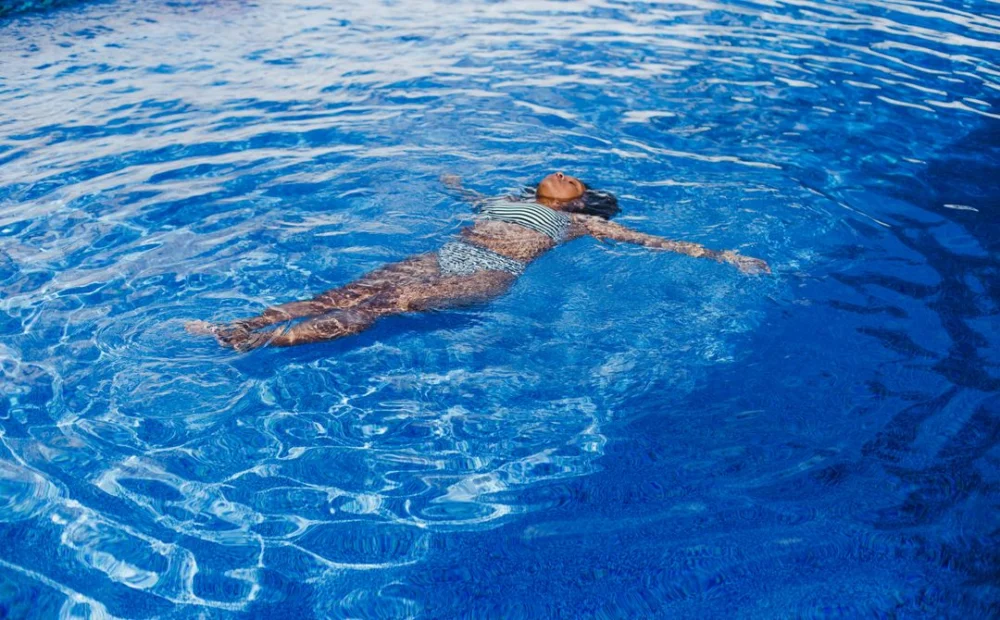
Running, a cornerstone of cardiovascular fitness and weight management for millions worldwide, undeniably offers profound benefits, yet its high-impact nature frequently presents significant challenges, particularly as individuals age or contend with pre-existing conditions. The repetitive pounding of pavement, while excellent for cardiovascular conditioning and fostering the famed "runner’s high," simultaneously elevates the risk of musculoskeletal injuries, including patellofemoral pain syndrome (runner’s knee), shin splints, stress fractures, and even more severe issues like hip displacement or lumbar spine compression. Statistics from various sports medicine organizations indicate that annual running injury rates can range from 20% to 70%, with knee injuries being the most prevalent, accounting for approximately 40% of all running-related complaints. For an aging demographic, whose joints naturally experience increased wear and tear, or for athletes sidelined by injury, these adverse effects can severely curtail or even halt their fitness routines. Recognizing this pervasive challenge, medical and fitness professionals have increasingly advocated for low-impact alternatives, with water running, also known as aqua jogging or pool running, emerging as a particularly effective and scientifically supported method. This cross-training modality allows for the engagement of running-specific musculature and the attainment of cardiovascular benefits without the detrimental forces of gravity and ground reaction.
The Genesis and Evolution of Water Running as a Therapeutic and Training Modality
While water-based exercises have roots in ancient hydrotherapy practices, the formal application of deep-water running as a specific training and rehabilitation tool gained significant traction in the mid-to-late 20th century. Initially, it was primarily embraced by elite athletes, particularly runners, seeking to maintain cardiovascular fitness and muscle memory during periods of injury recovery. The logic was simple yet profound: simulate running mechanics in an environment where body weight is drastically reduced, thereby eliminating impact stress on joints and bones.
The 1980s saw pioneering work by sports physiologists and coaches who observed the potential of aqua jogging to expedite recovery without de-training. Early anecdotal evidence from track and field athletes who successfully returned to competition after serious injuries, having maintained fitness through water running, spurred further interest. By the 1990s and early 2000s, scientific studies began to systematically investigate and validate the physiological benefits. A notable 2003 study published in the Journal of Strength and Conditioning Research demonstrated that deep-water running could indeed provide an adequate cardiovascular stimulus, eliciting heart rates and oxygen consumption levels comparable to land-based running, contingent on appropriate intensity and duration. This research was pivotal in shifting aqua jogging from a niche rehabilitation technique to a recognized and respected cross-training and primary fitness option. Today, water running is integrated into the training regimens of professional athletes, recommended by physical therapists for diverse patient populations, and adopted by general fitness enthusiasts seeking a sustainable and joint-friendly exercise.
The Biomechanics and Physics of Aqua Jogging
The effectiveness of water running is fundamentally rooted in the unique physical properties of water: buoyancy, hydrostatic pressure, and viscosity. When immersed in water, the body experiences an upward buoyant force that counteracts gravity, significantly reducing the effective body weight. In deep water, where the feet do not touch the bottom of the pool, the impact on joints is virtually eliminated. This reduction in weight-bearing stress is crucial for individuals with osteoarthritis, recovering from bone fractures, or those experiencing chronic joint pain in the knees, hips, and lower back.
Simultaneously, water’s viscosity provides omnipresent resistance. Unlike air, which offers minimal resistance to movement at typical running speeds, water creates a drag force that challenges muscles throughout the entire range of motion, not just during the propulsive phase. This resistance works both concentrically and eccentrically, meaning muscles are engaged during both the "push" and "pull" phases of a stride. For instance, the quadriceps and hip flexors work to lift the leg, while the hamstrings and glutes engage to pull it down and back, all against water resistance. This comprehensive muscular engagement contributes to enhanced strength and toning without the need for external weights in many cases.
Furthermore, hydrostatic pressure, the pressure exerted by water at a given depth, plays a role in cardiovascular efficiency. This pressure aids in venous return, pushing blood back towards the heart, which can reduce swelling in limbs and improve circulation. The cooling effect of water also helps to regulate body temperature, making intense workouts more comfortable and reducing the risk of overheating, especially beneficial for exercise in warmer climates or for individuals prone to heat intolerance.
Who Benefits from Water Running? A Broad Spectrum of Adopters
Water running’s versatility makes it suitable for a wide array of individuals, transcending age, fitness level, and physical condition.
1. Injury Rehabilitation: For athletes and casual exercisers nursing injuries such as stress fractures, shin splints, Achilles tendinopathy, plantar fasciitis, or recovering from ligament tears (e.g., ACL reconstruction) or muscle strains, aqua jogging is often a prescribed component of physical therapy. It allows them to maintain cardiovascular fitness and neuromuscular coordination without placing undue stress on healing tissues. Sarah Chen, a physiotherapist specializing in sports injury recovery at the National Rehabilitation Center, states, "Water running is invaluable for our patients. It bridges the gap between complete rest and full weight-bearing activity, enabling a gradual, controlled return to sport while minimizing re-injury risk. It helps maintain proprioception and muscle activation patterns specific to running."
2. Joint Health and Chronic Conditions: Individuals with arthritis, fibromyalgia, or chronic back pain find significant relief and benefit from water running. The buoyancy alleviates pressure on inflamed joints, making movement less painful and more fluid. The gentle resistance helps strengthen supporting musculature, which can stabilize joints and improve overall function. For the elderly, it provides a safe and effective way to maintain mobility, cardiovascular health, and bone density without the fall risk associated with land-based exercises.
3. Cross-Training for Runners: Even healthy, competitive runners incorporate aqua jogging into their training regimens. It serves as an excellent active recovery tool, helping to flush lactic acid from muscles and reduce soreness after high-intensity land runs. It can also be used for "double-day" training, allowing for increased training volume without over-stressing the body, or as a way to maintain fitness during periods of higher mileage without increasing impact-related injury risk. Veteran marathoner John Davis, 62, credits aqua jogging for extending his running career. "After years of pounding the pavement, my knees started protesting," Davis explains. "Water running became my secret weapon. I can log miles in the pool, maintain my cardio, and still hit the roads a few times a week without pain. It’s kept me in the race."
4. General Fitness and Weight Management: For those new to exercise, significantly overweight, or seeking a low-impact full-body workout, water running offers an accessible entry point. The support of the water makes movement easier, reducing perceived exertion while still providing a robust workout. It builds strength, improves cardiovascular endurance, and contributes to calorie expenditure, supporting weight management goals.
5. Pregnant Individuals: Aqua jogging can be a safe and comfortable exercise option for pregnant individuals, as the water supports the growing belly, reduces swelling in the extremities, and mitigates overheating.
Mastering the Technique: From Mimicry to Maximize Benefits
Effective water running requires a focus on proper form to replicate land running mechanics as closely as possible. The primary goal is to maintain an upright posture, mimicking a natural running stride without touching the pool bottom.
Deep Water Running Technique:
- Posture: Stand tall with a slight forward lean, similar to land running. Avoid slouching or leaning back. Engage your core muscles to stabilize your trunk.
- Arm Action: Keep your arms bent at approximately 90 degrees, swinging them rhythmically as you would on land. Your hands should be slightly cupped, pushing and pulling against the water. Allow your arms to relax from the shoulders, floating a few inches from your body.
- Leg Action: Focus on a high knee lift and a powerful "push-back" with your foot, driving the water behind you. The movement should be deliberate and controlled, working against the water’s resistance. Visualize striking the ground mid-foot, even though you won’t make contact. Maintain a fluid, continuous motion.
- Flotation Belt: A flotation belt worn snugly around the waist is essential for deep-water running. It provides the necessary buoyancy to keep your head above water without requiring excessive effort to stay afloat, allowing you to concentrate on your running form.
Shallow Water Running Technique:
In shallow water (waist to chest deep), you will have some ground contact, but the water still significantly reduces impact. This variation is excellent for transitioning back to land running or for those who prefer some ground feel. The technique is similar to deep water, but you can incorporate more dynamic movements like high knees, butt kicks, and backward running, using the water’s resistance for added challenge.
Structured Workouts and Progressive Overload
To achieve significant fitness gains, water running should be structured with progressive overload in mind, just like any other exercise.
Example Workout Structure (General Fitness/Cross-Training):
- Warm-up (5-10 minutes): Gentle aqua jogging, followed by dynamic stretches in the water (e.g., leg swings, arm circles).
- Main Set (20-45 minutes):
- Interval Training: Alternate 5 minutes of high-intensity aqua jogging (maintaining a heart rate similar to a steady land jog) with 1 minute of active recovery (slower pace). Repeat this sequence 3-7 times.
- Tempo Runs: Maintain a consistently challenging pace for 15-20 minutes, where you can speak only in short phrases.
- Fartlek Training: Incorporate spontaneous bursts of speed and recovery, varying the duration of each.
- Cool-down (5-10 minutes): Gentle aqua jogging, gradually decreasing intensity, followed by static stretches in the water to lengthen muscles and bring the heart rate down.
As stamina and strength improve, the duration of high-intensity intervals can be increased, recovery periods shortened, or the overall workout length extended. Dr. Elena Rodriguez, a sports physician at the Institute for Athletic Performance, advises, "Consistency is key. Start with manageable durations and intensities, and gradually increase them. Listening to your body, especially if you’re recovering from an injury, is paramount. Always consult with a healthcare professional before initiating any new exercise regimen, particularly for rehabilitation purposes."
Essential Equipment for an Enhanced Experience
While the fundamental requirement for water running is simply a swimsuit and access to a pool, certain equipment can significantly enhance the experience and effectiveness:
- Aqua Jogging Belt: This is the most crucial piece of equipment for deep-water running. It typically consists of a buoyant foam belt worn around the waist, keeping the user upright and afloat without requiring active treading, allowing full focus on running form. Various designs exist, offering different levels of buoyancy and comfort.
- Waterproof Weights: Hand paddles, ankle weights, or aquatic dumbbells can be incorporated to increase resistance and intensity, further challenging upper body, core, and leg muscles. These are particularly useful for advanced users looking to build strength.
- Aqua Shoes: While not strictly necessary, aqua shoes can provide better grip on pool surfaces during shallow water running and offer protection for the feet.
- Waterproof Heart Rate Monitor: To accurately track workout intensity and ensure cardiovascular benefits are being achieved, a waterproof heart rate monitor is highly recommended, especially for performance-oriented individuals or those monitoring specific training zones.
Broader Implications and Future Outlook
The growing acceptance and scientific validation of water running have significant implications for public health and the fitness industry. As global populations age, the demand for safe, effective, and sustainable exercise options will continue to rise. Water running addresses a critical need by providing a vigorous workout that mitigates the risk of impact-related injuries, thereby potentially reducing healthcare burdens associated with musculoskeletal conditions.
Its integration into mainstream fitness programs is evident in the increasing availability of aqua jogging classes at community pools and fitness centers. This trend suggests a broader recognition of water-based exercise as a legitimate and powerful form of training, moving beyond its traditional perception solely as rehabilitation.
Looking ahead, advancements in aquatic fitness technology, such as underwater treadmills and sophisticated resistance devices, promise to further enhance the effectiveness and appeal of water running. These innovations, combined with ongoing research into optimal training protocols, will likely solidify aqua jogging’s position as a cornerstone of comprehensive fitness, offering a refreshing and resilient path to health and performance for individuals of all ages and abilities. The life-changing magic of water running lies not just in its ability to heal and protect, but in its potential to empower individuals to pursue lifelong fitness with confidence and comfort.

