

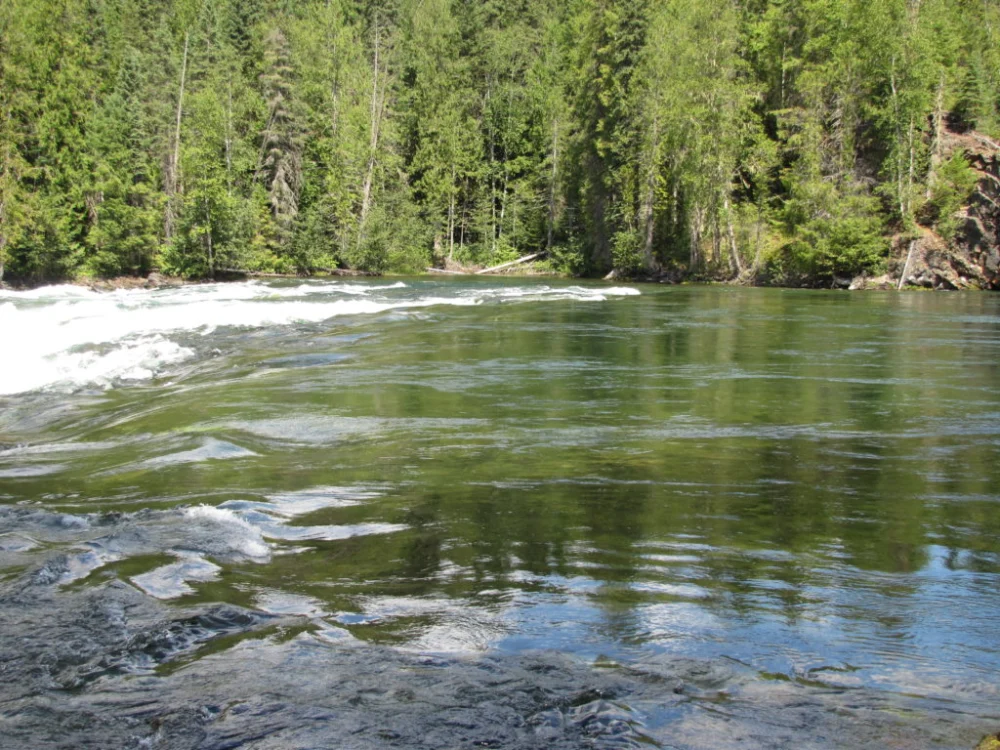
Wells Gray Provincial Park, British Columbia, Canada – Nestled within the vast, protected wilderness of the Caribou Mountains in British Columbia, Canada, lies Wells Gray Park, a sprawling natural sanctuary renowned for its dramatic topography and rich biodiversity. This expansive region, characterized by its majestic mountains, pristine lakes, and ancient forests, serves as a vital habitat for a diverse array of wildlife, including iconic species such as black and grizzly bears, moose, a vibrant avian population, and abundant fish. However, what truly distinguishes Wells Gray Park, even amidst its considerable natural splendors, is its astonishing abundance of waterfalls. Geological processes spanning millennia have sculpted this landscape, resulting in an estimated 39 named major waterfalls and countless smaller cascades, each a testament to the raw power and artistry of water. Among these natural marvels, Helmcken Falls stands as a particularly awe-inspiring spectacle, holding the distinction of being the fourth-largest waterfall in Canada, a towering cascade approximately three times the height of the world-famous Niagara Falls.
The Geological Genesis of Wells Gray’s Waterfalls
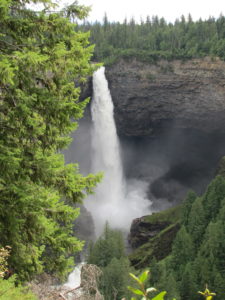
The unique geological history of Wells Gray Park is the primary driver behind its extraordinary concentration of waterfalls. The region’s landscape has been shaped by a complex interplay of volcanic activity, glacial erosion, and subsequent fluvial action. Over millions of years, successive lava flows from ancient volcanoes created distinct geological layers. As glaciers advanced and retreated during the Pleistocene epoch, they carved deep valleys and canyons. Following the retreat of the ice, rivers and streams re-established themselves, encountering these dramatic geological formations. Where rivers flowed over steep escarpments or through carved canyons, waterfalls were formed. The basaltic rock, known for its hardness and resistance to erosion, often creates dramatic cliff faces, providing the ideal substrate for these powerful watercourses to plunge over. Helmcken Falls itself is a prime example, plummeting over a sheer basalt cliff into a deep canyon below. The sheer volume of water in the Clearwater River, combined with the dramatic drop, generates immense erosive power, constantly shaping the gorge over geological time.
A Symphony of Nature: The Experience of Helmcken Falls
The presence of such a prodigious number of waterfalls within Wells Gray Park offers visitors a profound connection to the elemental forces of nature. To stand before a thundering cascade like Helmcken Falls is to be immersed in a sensory symphony. The air becomes thick with a fine mist, cool and refreshing against the skin, while the ground vibrates with the resonant roar of water meeting rock. This immersive experience invites contemplation, transforming the simple act of observing a waterfall into a profound encounter with the dynamic processes of the natural world.
The very nomenclature, "waterfall," speaks to the interconnectedness of the river’s journey and its specific geographical manifestation. A waterfall is not merely falling water; it is the dynamic event that occurs when a particular river reaches a specific point in its course, encountering a dramatic change in elevation. It represents water in its most powerful and visually arresting form, a fleeting yet majestic shape adopted during its continuous descent through the landscape.
Waterfalls as Metaphors for Life and Change
Beyond their immediate visual and auditory impact, waterfalls serve as potent metaphors for understanding the nature of existence and change. When viewed through a temporal lens that stretches beyond human lifespans, the ephemeral nature of a waterfall becomes strikingly apparent. Just as a waterfall is a momentary, dynamic configuration of water, a tree can be seen as a temporary embodiment of sunlight, water, and specific chemical elements, persisting for centuries. Similarly, animals, including humans, represent a transient form taken by food, water, and air, existing for less than a century. In this perspective, a waterfall becomes a vivid, instantaneous narrative of life itself – a powerful, beautiful, and temporary expression of fundamental elements in motion.
The Deceptive Calm Before the Cascade
A particularly striking characteristic observed at many waterfalls is the deceptive tranquility of the water preceding the plunge. The surface upstream can appear remarkably smooth, placid, and calm, offering little hint of the turbulent chaos that lies just ahead. The current may accelerate almost imperceptibly from the serene stillness of a lake or a broad river, gradually gaining momentum until it reaches the precipice. Then, with an explosion of energy, the water plunges over the edge in a maelstrom of power, chaos, and breathtaking beauty.
This phenomenon can be readily extrapolated to broader contexts, including human affairs and societal dynamics. As individuals age, life can proceed with a deceptive smoothness for extended periods. However, as illness strikes or the natural process of aging accelerates, bodily systems can begin to fail at an increasing rate, mirroring the accelerating current. On a societal level, the pace of technological advancement and social change appears to be undergoing a similar, gradual acceleration. Like the river approaching a waterfall, the shifts can be so incremental that they go unnoticed by many. However, a threshold can be reached, beyond which the accumulated changes lead to unforeseen consequences and potential chaos. Those positioned further downstream in this metaphorical river may already be caught in the maelstrom, while those upstream might still perceive their situation as stable and secure. The ability to listen with an alert and discerning mind, to perceive the subtle signs and the approaching roar, becomes crucial for navigating these transitions and finding safety before being swept away by unforeseen currents.
Wildlife and Conservation Efforts in Wells Gray Park
Wells Gray Provincial Park is not only a geological marvel but also a vital ecological zone. The park’s diverse habitats, ranging from old-growth forests to alpine meadows and river valleys, support a rich tapestry of wildlife. Beyond the bears and moose, the park is a haven for numerous bird species, including raptors and waterfowl, and its rivers and lakes teem with various fish populations. However, the park’s ecosystem also includes an estimated 30 species of mosquitoes, a testament to the humid, riparian environments present throughout the area.
The designation of Wells Gray Park as a protected area is a crucial aspect of its preservation. Established in 1965, the park spans over 5,200 square kilometers, safeguarding this unique natural heritage for future generations. Conservation efforts within the park focus on maintaining the integrity of its ecosystems, managing wildlife populations, and protecting its sensitive geological features, including the numerous waterfalls. Park management strategies often involve monitoring ecological health, controlling invasive species, and ensuring that human activities, such as tourism, are conducted in a manner that minimizes environmental impact. The popularity of Helmcken Falls and other scenic spots necessitates careful trail management and visitor education to prevent erosion and disturbance to the surrounding flora and fauna.
Tourism and Economic Impact
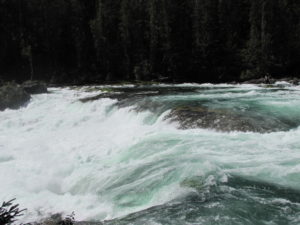
The natural beauty of Wells Gray Provincial Park, and particularly its spectacular waterfalls, draws a significant number of tourists annually. The park is a popular destination for hikers, campers, photographers, and nature enthusiasts from around the globe. The accessibility of Helmcken Falls, with well-maintained viewing platforms and trails, makes it a highlight for many visitors. This influx of tourism contributes to the local economy, supporting businesses in nearby communities such as Clearwater, which provides accommodation, dining, and outdoor recreation services.
However, the increasing visitor numbers also present challenges. Maintaining the delicate balance between facilitating public access and preserving the park’s pristine environment is an ongoing concern for park authorities. Initiatives to promote sustainable tourism, such as encouraging off-peak visitation, waste reduction, and respecting wildlife, are vital for the long-term health of Wells Gray Park. The economic benefits derived from tourism must be carefully weighed against the potential environmental costs, ensuring that the park remains a vibrant natural landscape for both its wildlife and its human visitors.
Official Statements and Future Outlook
Representatives from British Columbia Parks have consistently emphasized the importance of protecting natural heritage sites like Wells Gray. While specific statements regarding Helmcken Falls often focus on visitor safety and the preservation of its unique geological features, the underlying sentiment reflects a commitment to conserving these natural wonders. Park officials frequently issue advisories regarding trail conditions, wildlife encounters, and the responsible enjoyment of the park. The ongoing management of Wells Gray Provincial Park involves a continuous process of assessment, planning, and implementation of conservation strategies, often in collaboration with Indigenous communities who hold traditional knowledge of the land.
The future outlook for Wells Gray Park and its iconic waterfalls remains intertwined with global environmental trends and the effectiveness of conservation policies. Climate change, with its potential to alter precipitation patterns and increase the frequency of extreme weather events, poses a long-term challenge to the stability of these ecosystems. Continued investment in research, monitoring, and adaptive management strategies will be crucial for ensuring the resilience of Wells Gray Park. Furthermore, fostering a deeper public appreciation for the value of natural spaces, such as through educational programs and accessible interpretation, is essential for garnering the support needed for ongoing conservation efforts. The lessons learned from observing the powerful, yet transient, beauty of Helmcken Falls can serve as a profound reminder of our own place within the larger, ever-changing tapestry of life.

