


The global consumer landscape in 2025 has undergone a definitive shift toward domesticity, health optimization, and high-quality home environments. As international travel faces increasing friction—characterized by economic volatility, logistical challenges in aviation, and geopolitical instability—a growing demographic of experienced travelers and professionals are redirecting their discretionary spending toward the "staycation" economy and personal wellness. This transition is not merely a retreat from global exploration but a strategic pivot toward enhancing the quality of daily life and long-term physical vitality. Industry data suggests that the global wellness market is now valued at over $5.6 trillion, with consumers increasingly seeking products that integrate professional-grade functionality with the comfort of the home environment.
The Evolution of Domestic Priorities and the Nesting Trend
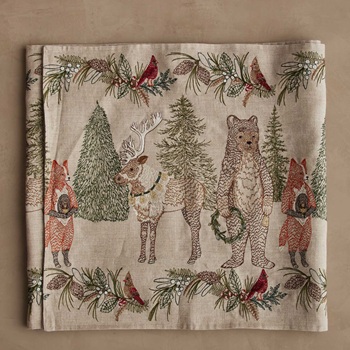
The current shift in consumer behavior reflects a broader societal trend often referred to as "nesting" or "homesteading lite." For individuals who have spent decades in high-mobility professions, the return to a more stationary lifestyle has catalyzed a demand for home decor and appliances that serve both aesthetic and functional purposes. This trend is exemplified by the rise of designers such as Stephanie Housley of Coral & Tusk and Ann Nygard of Hauskaa, whose works prioritize artisanal craftsmanship and sustainable materials like wood and copper.
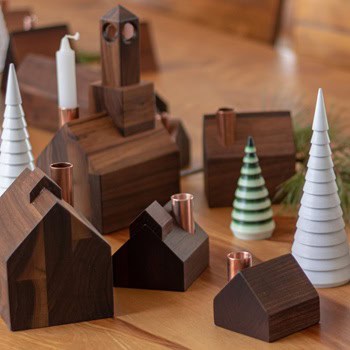
Market analysis indicates that the home decor sector is increasingly influenced by "minimalist maximalism"—a philosophy that encourages fewer, higher-quality acquisitions rather than cluttered environments. This approach aligns with the "Marie Kondo" methodology of intentional living, where household additions are curated to bring specific joy or utility. In 2025, this has manifested in a preference for hand-drawn textiles and Norwegian-inspired minimalist designs that offer a sense of tranquility and order within the primary residence.
Technological Advancements in Kitchen and Home Maintenance
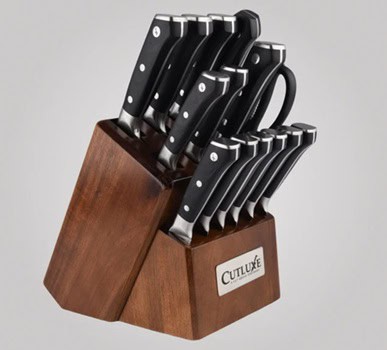
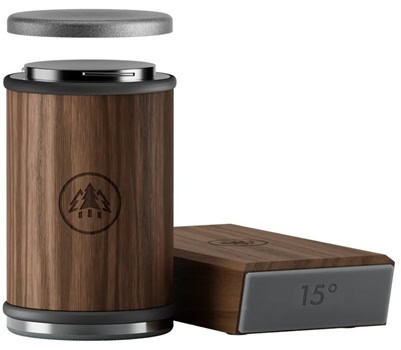
The modernization of the domestic sphere is most visible in the kitchen, where professional-grade tools are becoming standard for home chefs. The "home chef" market has seen significant growth as the cost of dining out has risen, leading to an investment in high-carbon German stainless steel cutlery and precision sharpening tools. Brands like Cutluxe and HORL are leading this charge, providing consumers with the ability to maintain restaurant-quality equipment at home.
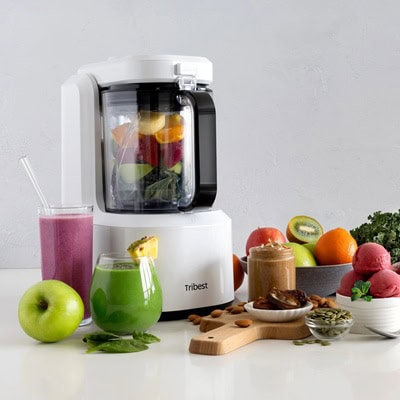
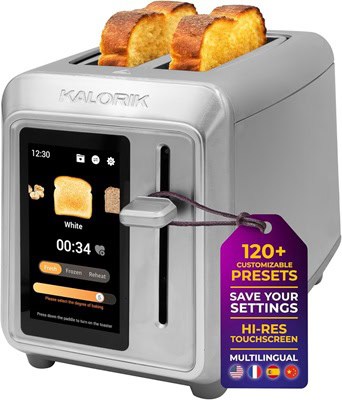
Furthermore, the appliance sector is moving toward "smart" and "contra-rotating" technologies. The introduction of vacuum-technology blenders and high-resolution touchscreen toasters represents a move toward hyper-customization in food preparation. These devices are designed to minimize preparation time while maximizing the nutritional integrity of ingredients—a key concern for health-conscious consumers in their 50s and beyond.
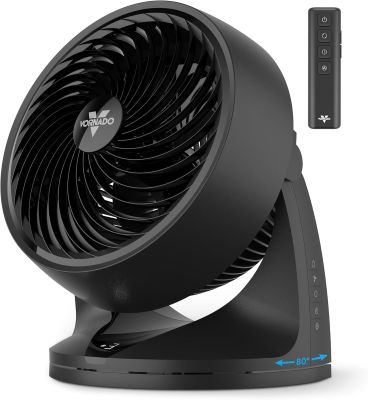
In terms of home maintenance, the integration of commercial-grade technology into residential units is a notable development. Touchless vacuum systems, originally designed for high-traffic environments like hair salons, are now being marketed for home use to improve air quality and hygiene. Similarly, advanced air circulation systems that utilize vortex technology and integrated aromatherapy are becoming essential for maintaining climate-controlled, allergen-free living spaces.
Emergency Preparedness and the Impact of Climate Volatility
A significant driver of the "Home & Health" market in late 2024 and early 2025 has been the increasing frequency of extreme weather events. The devastation caused by Hurricane Helene in the Blue Ridge Mountains in September 2024 served as a pivotal moment for many, highlighting the vulnerability of modern infrastructure. This has led to a surge in demand for comprehensive emergency preparedness kits.
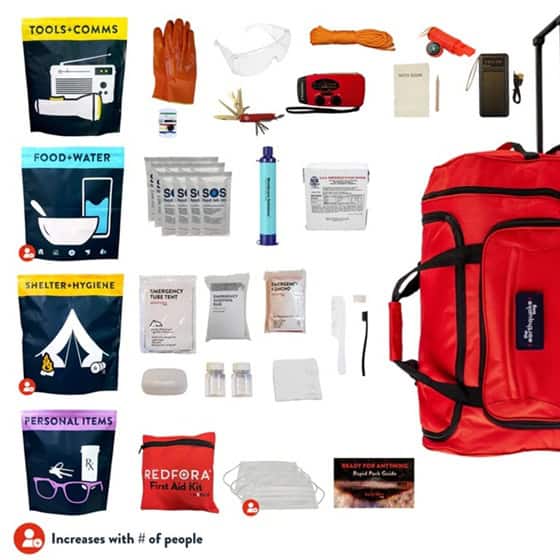
Companies like Redfora have responded by developing "Ready For Anything" systems that provide essential supplies for 72 hours to seven days of self-sufficiency. These kits, which include water filtration, solar power banks, and NOAA radios, are no longer seen as the purview of "preppers" but as a standard component of responsible homeownership. This shift reflects a growing realization that health and safety are inextricably linked to being prepared for environmental disruptions.

The Gastronomic Shift: Sustainable Sourcing and Specialty Diets
The food and beverage industry is currently navigating a period of significant price fluctuation, with beef prices reportedly rising nearly 50% since 2020. This economic pressure has transformed high-quality proteins into a luxury gift category. Consumer interest has pivoted toward regenerative agriculture and wild-caught, sustainable sourcing.
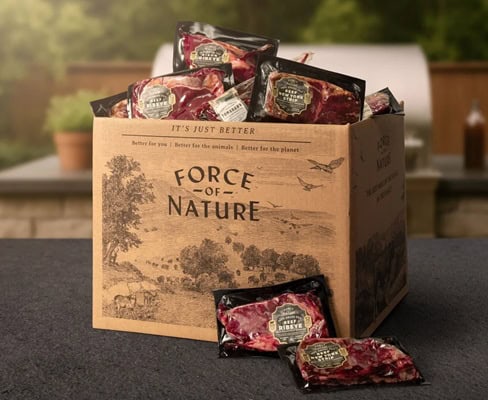
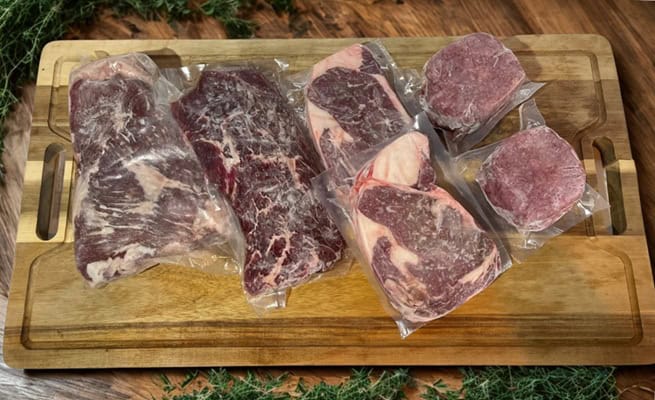
- Regenerative Meats: Brands such as Force of Nature and Brown Ranch Meats are emphasizing grass-fed bison, venison, and pasture-raised beef. These products are marketed not just for their flavor profile, which is often more intense and nutrient-dense, but for their lower environmental footprint compared to industrial feedlot operations.
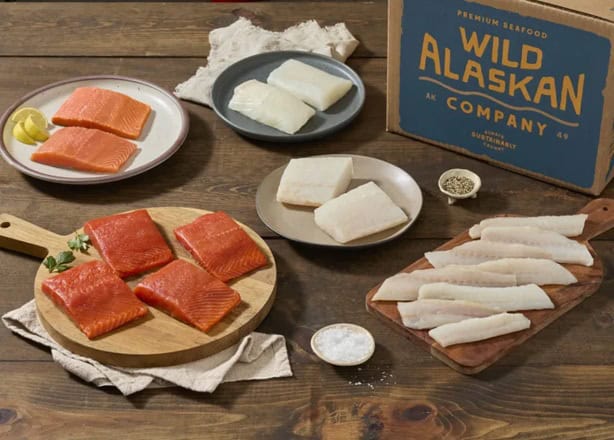
- Sustainable Seafood: The Wild Alaskan Company, founded by third-generation fishermen, has capitalized on the growing awareness of the issues surrounding industrial fish farming. Their model focuses on protecting wild populations in Bristol Bay while delivering additive-free, non-GMO seafood directly to consumers.
- Specialty and Health-Conscious Confections: For the estimated 38 million Americans living with diabetes, the market for low-glycemic treats is essential. Innovations in natural sweeteners, such as the use of dates in candy bars by Harken Sweets and maple syrup in gluten-free cookies by Mightylicious, represent a sophisticated evolution in the "healthy indulgence" category.
Innovations in Beverage Technology and Portability
The "third wave" coffee movement continues to evolve, with a focus on precision extraction and sustainability. The pour-over method remains a favorite among connoisseurs, leading to the development of systems like the Coulee Coffee SWIRL, which automates the precise patterns required for optimal flavor extraction without the use of plastic pods.
Portability has also become a key feature for coffee enthusiasts who maintain an active lifestyle. Portable electric grinders and 3-in-1 travel systems from brands like AeroPress and Outin allow for high-quality espresso and French press coffee in remote locations, such as National Parks or camping sites. This trend reflects a broader consumer desire to maintain high-quality rituals regardless of their physical location.
Health, Mobility, and the e-Bike Revolution
Physical fitness remains a cornerstone of the health and wellness gift market. For the aging population, low-impact exercise is a priority. The e-bike market, in particular, has seen a meteoric rise, with projections suggesting the industry will reach $120 billion globally by 2030. Electric motor assistance has made cycling accessible again for those with joint issues or chronic pain.
Lectric eBikes has emerged as a leader in the affordable e-bike sector, offering high-torque sensors and long-range batteries that allow for both exercise and utility, such as grocery hauling. Safety equipment has kept pace with this technological advancement; companies like XNITO are producing helmets specifically certified for the higher speeds of Class 3 electric vehicles, integrating rechargeable LED lighting and advanced impact protection.
The Science of Sleep and Skincare
As the medical community continues to emphasize the importance of the circadian rhythm, products designed to combat insomnia and environmental sleep disruptions have become highly sought after. The 100% blackout mask technology and white noise machines engineered for sleep optimization are now standard tools for those struggling with the effects of aging or travel-induced jet lag.
In the skincare sector, the trend is moving away from synthetic chemicals toward organic, ethically sourced ingredients.
- LED Therapy: The use of clinical-grade red and near-infrared light patches, such as those from LED Esthetics, allows consumers to treat fine lines and dark spots at home, reducing the need for expensive dermatological visits.
- Nordic Ingredients: Brands like Viking Beauty Secrets are utilizing antioxidant-rich berries from the Arctic circle, such as sea buckthorn and cloudberry, to provide natural anti-aging solutions.
- Inclusive Beauty: The rise of veteran-owned and minority-owned brands like Skincare by CMG highlights a market move toward cruelty-free, plant-based luxury products that cater to a diverse range of skin types and social values.
Broader Implications for the 2025 Holiday Season
The curated selection of 45+ gift ideas for 2025 indicates a significant move toward "holistic gifting." Consumers are no longer looking for mere novelties; they are seeking investments in their health, their home’s efficiency, and their family’s safety. This "Home & Health" focus reflects a sophisticated understanding of how the environment we inhabit and the products we consume directly impact our longevity and quality of life.
From the precision of German steel knives to the carbon-neutral goals of Nordic skincare, the common thread is a demand for transparency, sustainability, and professional-grade performance. As the world becomes increasingly complex, the home has become the ultimate sanctuary, and the gifts of 2025 are designed to make that sanctuary as healthy and high-functioning as possible. This transition from the global to the local, and from the external to the internal, defines the current era of consumerism.

