

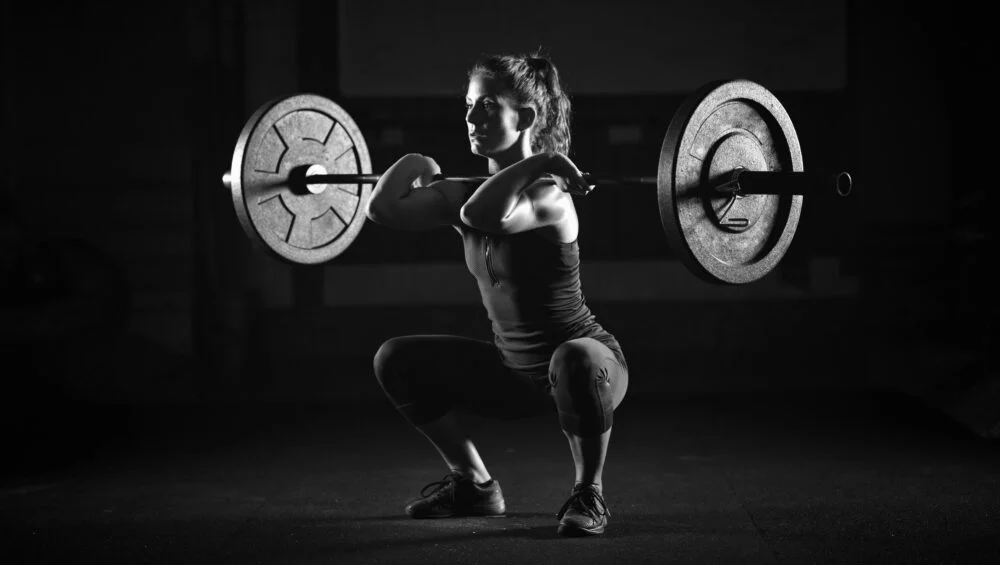
The debate surrounding the prioritization of multi-joint compound exercises versus single-joint isolation movements remains a central focus of contemporary sports science and strength and conditioning methodology. While the foundational role of compound movements—such as the deadlift, squat, bench press, and overhead press—is widely accepted as the primary driver of systemic strength, an emerging consensus among high-level coaches and exercise physiologists suggests that a dogmatic adherence to these lifts alone may result in performance plateaus, increased injury risk, and suboptimal muscular development. To maximize athletic potential, experts argue for a sophisticated "hybrid" approach that strategically integrates isolation exercises and specialized accessory work to address individual biomechanical weaknesses and physiological demands.
The Physiological Foundation of Compound Movements
In the hierarchy of resistance training, compound movements are defined by the involvement of multiple joints and muscle groups working in orchestration. The efficacy of these exercises in building "beast-like" strength is rooted in their ability to facilitate maximal mechanical tension and metabolic stress across the entire kinetic chain. By engaging several muscle groups simultaneously, these movements allow the trainee to move significantly heavier loads than is possible during isolation training.
The neuromuscular benefits of heavy, multi-joint lifting are well-documented in sports science literature. When an individual performs a maximal or near-maximal effort in a compound lift, several physiological adaptations occur. First, the body recruits a maximal number of motor units, particularly high-threshold motor units (HTMUs), which are essential for explosive power and strength. Second, the rate coding—or the frequency at which neural impulses are sent to the muscles—is significantly increased. Third, the inter-muscular and intra-muscular coordination improves, leading to more efficient "synchronous" activity where muscles work together to stabilize and move the load.
Furthermore, the systemic nature of compound movements triggers a more robust endocrine response. Research indicates that lifting heavy loads through large ranges of motion can lead to transient increases in serum testosterone and growth hormone levels. These hormonal spikes, while temporary, are believed to contribute to a more favorable environment for long-term hypertrophy and recovery. Consequently, the "Big Three"—the squat, bench press, and deadlift—remain the benchmarks for measuring raw physical power.
The Limitations of Specificity: Fatigue and Injury Risk
Despite the undeniable benefits of compound movements, exclusive reliance on them presents several challenges. One of the primary concerns is the accumulation of neural fatigue. Because compound lifts require high levels of central nervous system (CNS) output, consistent training at high intensities can lead to overreaching or overtraining if not managed through proper periodization. Unlike muscular fatigue, which is localized, neural fatigue affects the body’s ability to generate force across all movements, potentially leading to a decline in overall performance.
Moreover, the repetitive nature of heavy compound lifting places significant stress on the connective tissues and joints. Even with technically proficient execution, the cumulative "wear and tear" on the lumbar spine, knees, and glenohumeral joints can be substantial. For many trainees, the drive to achieve "personal records" (PRs) often leads to a sacrifice in form, further exacerbating the risk of chronic injury.
Biomechanical Compensation and the "Right to Load"
A critical aspect of strength development that is frequently overlooked is the human body’s inherent ability to compensate for weakness. When a trainee lacks the requisite stability or strength in a specific muscle group, the body will subconsciously shift the load to other structures to complete the movement. This is particularly evident in the "faulty joint positions" often seen in the gym, such as excessive lumbar extension or anterior pelvic tilt during squats and deadlifts.
Professional strength coaches emphasize that trainees must "earn the right" to increase the weight on the bar. This involves performing a sufficient volume of repetitions with perfect technique to ensure that the primary movers are doing the work rather than the joints or secondary stabilizers. When compensation patterns become ingrained, they create a "strength ceiling" that cannot be broken by simply adding more weight. At this juncture, the implementation of accessory and isolation movements becomes a tactical necessity rather than a "wimpy" distraction.
Strategic Accessory Work: Addressing Technical Flaws
Accessory movements are specialized exercises designed to target specific segments of a main lift. For example, if a lifter struggles with the initial "break" of a deadlift off the floor, coaches often prescribe deficit pulls. By elevating the lifter 2-3 inches on a platform, the exercise requires greater quadricep recruitment and increases the range of motion, thereby building the explosive power needed to overcome inertia.
Other specialized variations include:
- Anderson Squats: Performed from a "dead stop" at the bottom of the movement, this variation eliminates the stretch-reflex and forces the lifter to generate maximal force from a static position, closely mirroring the mechanics of a deadlift start.
- Spoto Presses: Named after world-record bench presser Eric Spoto, this involves pausing the barbell an inch or two above the chest. This technique builds tremendous isometric strength and stability in the "hole" of the bench press, addressing common sticking points.
- Safety Squat Bar (SSB) Squats: These are utilized to shift the center of mass and reduce strain on the shoulders, making them an ideal accessory for those with limited upper-body mobility who still require high-intensity lower-body stimulation.
The Re-emergence of Isolation and Hypertrophy Training
For decades, a segment of the strength community has viewed isolation exercises—such as bicep curls, leg extensions, and chest flyes—with a degree of elitist skepticism. However, modern evidence suggests that these movements play a vital role in a comprehensive strength program. The principle is straightforward: a larger muscle has a greater cross-sectional area and, therefore, a higher potential for force production.
By incorporating "bodybuilding-style" isolation work, a trainee can target specific muscular weaknesses that are not fully addressed by compound lifts. For instance, a lifter may find that their bench press performance is limited not by their chest strength, but by their triceps or anterior deltoids. Performing isolated tricep extensions or dumbbell chest flyes allows for the accumulation of volume in those specific tissues without the systemic fatigue associated with more heavy benching.
In recent years, even elite powerlifters have begun reporting significant gains in their primary lifts after incorporating isolation work. Reports from various training camps indicate that movements like leg extensions can improve knee stability and quad development for the deadlift, while chest flyes can enhance the "pectoral cleavage" area, providing a more stable base for the barbell during the bench press.
Chronology of Training Methodologies
The integration of these various styles has evolved through several distinct eras:
- The Golden Era (1950s-1970s): Athletes and bodybuilders utilized a mix of heavy basics and high-volume isolation work, emphasizing aesthetics and functional strength.
- The Rise of Powerlifting (1980s-1990s): A shift toward extreme specificity occurred, where the "Big Three" were prioritized above all else, often at the expense of general physical preparedness.
- The Modern Hybrid Era (2010s-Present): Current trends favor a "concurrent" or "hybrid" model. This approach recognizes that while compound movements are the "staple," isolation and accessory work are the "seasoning" that makes the program effective for the long term.
Broader Implications and Industry Analysis
The shift toward a more inclusive view of resistance training has significant implications for both competitive athletes and general fitness enthusiasts. For the athlete, it means greater longevity and a more resilient physique. For the coach, it requires a more nuanced understanding of anthropometry—the study of human body measurements—to tailor accessory work to a lifter’s specific limb lengths and leverages.
Industry analysts suggest that the "dogmatic" era of strength training is ending. The rise of social media has allowed for the rapid sharing of training data, showing that the world’s strongest individuals often engage in a wide variety of "non-traditional" exercises to maintain their performance. The consensus is clear: while compound movements are the engine of strength, isolation and accessory lifts are the fine-tuning necessary to keep that engine running at peak capacity.
In conclusion, the path to becoming "beast-like" in the gym is not a choice between compound or isolation movements, but rather a mastery of both. By respecting the foundational power of multi-joint lifts while acknowledging the strategic value of single-joint exercises, trainees can avoid the pitfalls of overtraining and plateaus. As the fitness industry continues to evolve, the most successful programs will be those that prioritize technical proficiency, manage fatigue, and remain open to the diverse tools available in the strength and conditioning arsenal. The internet, and the record books, will ultimately reward those who choose results over dogma.

