

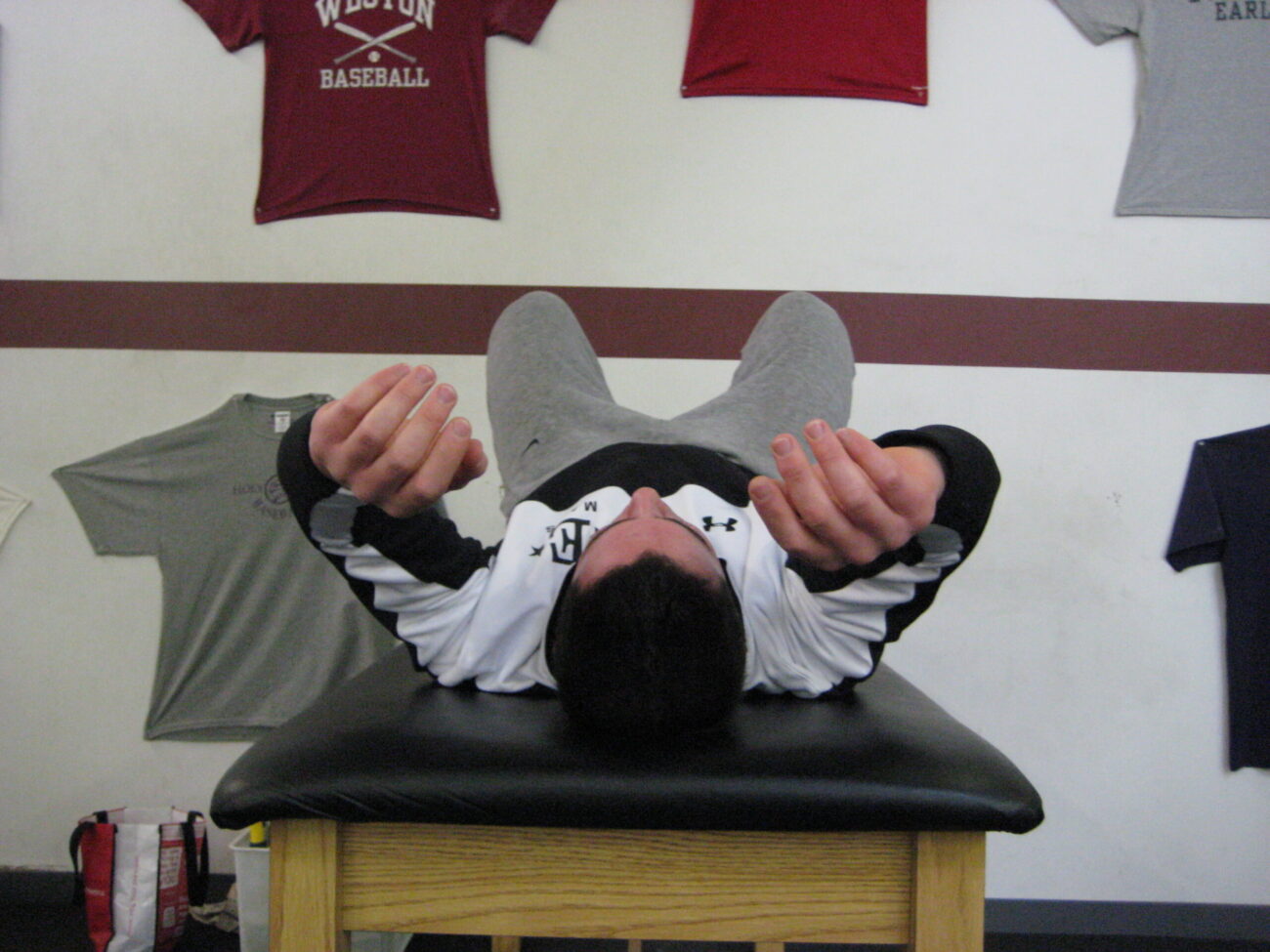
In the evolving landscape of sports science and physical rehabilitation, the "test and re-test" methodology has emerged as a cornerstone of evidence-based practice. This systematic approach involves the initial assessment of a specific physical metric—such as range of motion (ROM), muscular strength, or joint stability—followed by the implementation of a targeted corrective intervention, and a subsequent immediate reassessment to determine the efficacy of the modality. By utilizing this iterative feedback loop, fitness professionals and clinicians can move beyond theoretical prescriptions and toward data-driven, individualized care. The process not only refines the practitioner’s programming but also serves as a critical tool for establishing professional credibility and client buy-in.
The Foundational Mechanics of the Test and Re-Test Model
The primary objective of a test/re-test protocol is to validate whether a specific corrective strategy has achieved its intended physiological effect. In a professional setting, an assessment might reveal a discrepancy in shoulder flexion or a limitation in hip internal rotation. Following this identification, the practitioner selects a "corrective" modality—which could range from manual therapy and self-myofascial release to specific breathing drills or positional adjustments.
The immediate re-test serves as a binary indicator of success. If the intervention yields a measurable improvement in the target metric, the practitioner has confirmed the relevance of that specific strategy for the individual’s unique biomechanical needs. If no change is observed, the practitioner is prompted to pivot, thereby avoiding the prolonged use of ineffective exercises. This efficiency is paramount in high-performance environments where time and recovery capacity are finite resources.
Clinical Significance of Shoulder Flexion in the Kinetic Chain
Shoulder flexion—the ability to elevate the arms overhead—is a fundamental movement pattern with implications reaching far beyond the realm of overhead athletes or weightlifters. Functional shoulder flexion requires a complex coordination of the humerus, scapula, thoracic spine, and ribcage. When this movement is compromised, the body inevitably seeks compensatory patterns to achieve the desired position.
In athletic populations, such as baseball pitchers or swimmers, restricted shoulder flexion can lead to "gross shoulder depression." This misalignment alters scapular kinematics, potentially leading to subacromial impingement, labral stress, or elbow instability. However, the implications are equally severe for the general population. A sedentary professional suffering from restricted overhead mobility may experience "lower back shenanigans," a colloquial term for lumbar compensation. When an individual cannot reach overhead through the glenohumeral joint, they often achieve the range by excessively arching the lower back (lumbar extension), which can lead to chronic spinal irritation over time.
Chronology of an Evidence-Based Assessment
A standardized assessment typically follows a specific chronological order to ensure accuracy and safety. The process begins with active screening, where the client moves under their own muscular power. This is often followed by passive testing, conducted by the practitioner on a training table to differentiate between structural limitations and neuromuscular "tone" or guarding.
Once a limitation in shoulder flexion is identified, the practitioner categorizes the potential cause into one of several buckets:
- Positional/Structural Constraints: Such as thoracic kyphosis (rounded upper back).
- Neuromuscular Tension: Often involving "stiff" or overactive latissimus dorsi or teres major muscles.
- Kinematic Deficits: A lack of awareness or ability regarding scapular movement (protraction and upward rotation).
- Respiratory Influence: Inefficient ribcage positioning affecting the "platform" upon which the shoulder blade sits.
Targeted Interventions and Their Biomechanical Rationale
To address these deficits, practitioners utilize a hierarchy of interventions. The test/re-test model allows the professional to cycle through these strategies until the "key" to the individual’s restriction is found.
Thoracic Spine Mobilization
For individuals presenting with excessive thoracic kyphosis, the shoulder blades are often mechanically disadvantaged. The "Bench T-Spine Extension" mobilization is a frequent first-line intervention. By utilizing a bench to fix the elbows while sinking the chest toward the floor, the practitioner encourages extension through the mid-back. Similarly, the "Side Lying Windmill" addresses rotational capacity. Improvements in these areas often result in an immediate increase in active shoulder flexion, as the scapula gains a more favorable surface on which to rotate.

Respiratory and Positional Drills
In cases where an individual is "stuck" in a state of gross extension—common among heavy strength trainees—the shoulder blades may appear "glued" to the ribcage. In this scenario, "All 4s Belly-Breathing" is employed. This drill encourages 360-degree expansion of the ribcage and utilizes the breath to "un-glue" the scapulae from the posterior thorax. By shifting the position of the ribs, the practitioner can often restore range of motion without any direct manipulation of the shoulder joint itself.
Scapular Kinematics and Protraction
Many individuals lack the proprioceptive awareness to allow their shoulder blades to move freely. The "1-Arm Quadruped Protraction" drill is designed to isolate the movement of the scapula. By teaching the client to push the floor away and wrap the shoulder blade around the ribcage, the practitioner addresses the serratus anterior’s role in overhead health. Successful execution of this drill has been shown to alleviate long-standing shoulder discomfort in as little as one session.
Soft Tissue Modalities (Pin and Go)
When muscular stiffness is the primary culprit, self-myofascial release (SMR) can be effective. This involves "pinning" a specific muscle, such as the teres minor or latissimus dorsi, with a lacrosse ball or foam roller and then actively moving the limb through its range of motion. This "pin and go" technique aims to reduce neural drive to the stiff tissue, thereby "unlocking" the joint for a temporary window, during which more permanent strength changes can be coached.
The Psychological and Economic Impact of Immediate Results
Beyond the physiological benefits, the test/re-test model carries significant psychological weight. In a crowded fitness market often saturated with "smoke-and-mirror" tactics—ranging from unverified supplements to overly complex, proprietary training systems—the ability to provide a tangible, immediate result is a powerful differentiator.
When a client who has struggled with chronic pain or restricted movement sees a 20% improvement in ROM following a single two-minute drill, it establishes a "perceived level of mastery" for the practitioner. This immediate feedback addresses the "pain center" of the client, whether that pain is literal (physical discomfort) or figurative (frustration with a lack of progress). From a business perspective, this builds a level of trust and value that far exceeds traditional marketing. It moves the interaction from a transaction of time for money to a transaction of expertise for a specific, measurable outcome.
Broader Implications for the Fitness and Healthcare Industries
The shift toward iterative assessment protocols represents a broader movement toward professionalization in the fitness industry. By rejecting "one-size-fits-all" programming in favor of a "test, implement, re-test" cycle, coaches align themselves more closely with the scientific method.
Data suggests that client retention is significantly higher when individuals feel their program is customized to their specific anatomical needs. Furthermore, this approach reduces the risk of injury. By identifying a lack of shoulder flexion before asking a client to perform a heavy overhead press, a coach can prevent the compensatory spinal stress that leads to long-term injury.
However, experts caution that the test/re-test model is not a panacea. It assumes the practitioner possesses the diagnostic skill to choose the correct tests and the humility to abandon an intervention that fails the re-test. The ultimate goal is not just to "fix" a range of motion for five minutes, but to use that improved window of movement to load the body and create lasting, structural adaptations through strength training.
Conclusion
The test/re-test concept is a fundamental shift from subjective coaching to objective performance management. Whether addressing the needs of a professional athlete or a sedentary office worker, the protocol ensures that every exercise serves a documented purpose. By focusing on shoulder flexion as a primary screen and utilizing a diverse toolkit of thoracic, respiratory, and kinematic drills, practitioners can provide a level of care that is both clinically effective and professionally transformative. In an era where "bio-hacks" and shortcuts are frequently promoted, the systematic application of basic biomechanical principles remains the most reliable path to physical excellence.

