

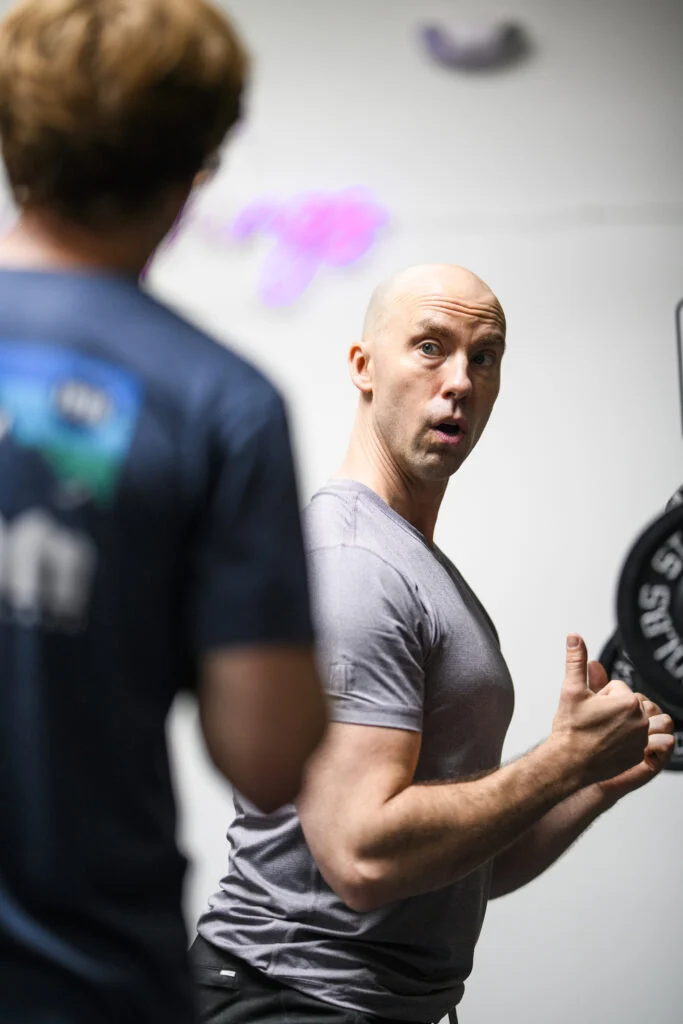
In the contemporary fitness and sports performance landscape, the initial client assessment has transitioned from a rudimentary checklist of physical limitations to a sophisticated, multi-layered diagnostic process. Professional strength coaches are increasingly adopting a holistic approach that synthesizes injury history, training experience, and equipment availability with clinical investigative work. This methodology aims to bridge the gap between a client’s current physical state and their ultimate performance goals through a process often referred to as identifying the "trainable menu." By moving away from a model that views clients as "broken" and toward one that prioritizes functional capacity, practitioners are redefining the standard of care in personal training and athletic development.
The Philosophical Shift in Physical Evaluation
The traditional fitness assessment often relied heavily on passive observation or isolated muscle testing, which frequently left clients feeling scrutinized rather than supported. Modern experts, including prominent strength coach Tony Gentilcore and his collaborator Luke Worthington, advocate for an assessment that functions as a "pseudo-training session." This shift serves a dual purpose: it provides the coach with high-fidelity movement data while simultaneously establishing a positive psychological tone for the client.
The primary objective of this evolved assessment is to determine whether an individual can perform fundamental movement patterns under varying conditions. Rather than focusing solely on "red flags" or dysfunction, the coach seeks to uncover what the individual can do safely and effectively. This "trainable menu" becomes the foundation of the periodized program, ensuring that the transition from initial evaluation to active training is seamless and data-driven.
The Chronology of a Comprehensive Assessment
A professional assessment typically follows a structured timeline designed to extract maximum information while maintaining client engagement. The process generally unfolds in four distinct phases:
- Biopsychosocial Intake: This phase involves a deep dive into the client’s unique history. It encompasses past and present injuries, lifestyle constraints, psychological drivers, and specific performance objectives. This stage is critical for establishing the "Point A" from which all programming originates.
- Active Movement Screening: The client is asked to perform a series of fundamental patterns, such as squats, hinges, and presses. The coach observes for compensation patterns, range of motion (ROM) limitations, and the presence of any symptoms or discomfort.
- Passive Clinical Testing: If the active screen reveals limitations, the coach moves to "table work" or passive testing. Here, the coach moves the client’s limbs through various ranges of motion to isolate the joint’s structural capacity from the client’s neurological control.
- Synthesis and Programming: The data from the active and passive screens are cross-referenced to determine the root cause of movement discrepancies. This allows the coach to decide whether a limitation requires a coaching intervention, a corrective exercise, or a referral to a medical professional.
Technical Analysis: Active versus Passive Assessment
The distinction between active and passive assessment is perhaps the most critical component of modern movement diagnostics. Luke Worthington, co-presenter of the Strategic Strength Workshop, defines the two categories succinctly: Active assessment asks, "What can they do?" while passive assessment asks, "What can I do for them?"
The Active Screen
During an active screen, such as a bodyweight squat, the client’s central nervous system (CNS) must coordinate muscle recruitment, joint stability, and balance. If a client exhibits a "butt wink" (posterior pelvic tilt) or limited depth, it does not necessarily indicate a structural blockage. It may instead suggest a lack of stability, poor motor control, or a psychological hesitation due to previous pain.

The Passive Screen
In contrast, a passive screen—such as a supine hip flexion test or a hip scour—removes the requirements of balance and self-directed muscle recruitment. By manually moving the client’s hip into flexion, the coach can feel the "end-feel" of the joint. If the passive range of motion significantly exceeds the active range of motion, the coach has identified a "mobility-stability gap."
Supporting Data on Movement Discrepancies
Industry data suggests that a significant portion of the general population possesses a greater passive range of motion than they can actively control. According to various orthopedic studies, nearly 80% of non-traumatic musculoskeletal issues in the gym environment stem from motor control deficits rather than structural abnormalities like bony blocks or labral tears.
For example, in assessments of ankle dorsiflexion—a key component of the squat—many trainees appear to have "tight calves." However, when tested passively in a non-weight-bearing position, many demonstrate sufficient joint mobility. This indicates that the limitation during the squat is likely a functional compensation for a lack of core or hip stability. By identifying this gap, coaches can avoid "over-corrective exercising," a phenomenon where clients spend months on mobility drills that yield no actual improvement because the underlying issue is neurological, not mechanical.
The Squat Case Study: Navigating the "Shit Show"
The squat serves as the quintessential example of the active-passive diagnostic split. It is rare for a new client to demonstrate impeccable squat technique on day one. Common issues include knee valgus (caving inward), excessive forward lean, or an inability to reach parallel depth.
When these "wonky" movements occur, the coach’s role is to determine the etiology. If a passive hip flexion screen reveals that the client has the structural capacity to reach deep flexion without pain or bony impingement, the coach can conclude that the client is "trainable." In this scenario, the coach implements regressions—such as goblet squats or heel-elevated squats—to help the body learn to access that passive range actively.
However, if the passive screen also shows a hard stop or reproduction of pain, the coach realizes that the limitation is structural. This is a critical pivot point in the assessment process.
Professional Scope and the Referral Pipeline
One of the most vital aspects of the modern assessment is knowing when a client’s needs fall outside the coach’s scope of practice. The assessment acts as a filter to protect both the client and the practitioner.
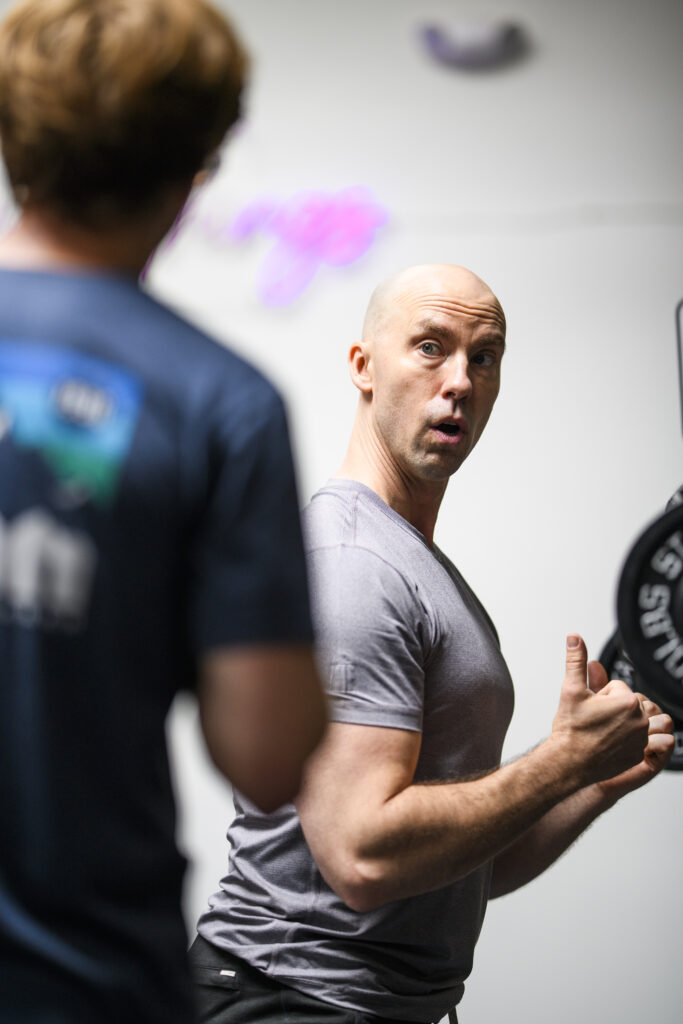
- Scenario A (Coachable): Active movement is poor, but passive movement is good. The coach proceeds with strength training, utilizing appropriate progressions to bridge the stability gap.
- Scenario B (Referral Required): Both active and passive movements are restricted or painful. The coach may suspect a bony block, a chronic inflammatory condition, or a soft tissue injury that requires diagnostic imaging or manual therapy.
In Scenario B, the coach’s responsibility is twofold: first, to train the client within a pain-free, controllable range of motion; and second, to refer the client to a physical therapist or orthopedic specialist. This collaborative approach ensures that the client receives comprehensive care while continuing to make progress in the gym.
Industry Implications and the "Strategic Strength" Framework
The integration of these assessment techniques is a central theme of the Strategic Strength Workshop, a collaborative effort between Tony Gentilcore and Luke Worthington. The workshop emphasizes that a coach’s value lies in their ability to interpret movement data quickly and accurately.
The broader implication for the fitness industry is a move toward "time-efficient and safe" training. In an era where consumers are increasingly skeptical of "one-size-fits-all" programs, the ability to provide a bespoke "trainable menu" is a significant competitive advantage. It fosters trust, as the client sees immediate evidence that they are not "broken" but are instead on a path toward improved performance.
Conclusion: Setting the Tone for Long-Term Success
The physical assessment is more than a technical requirement; it is a foundational psychological event. By involving the client in the process and demonstrating the difference between what they can currently control (active) and what their body is capable of (passive), the coach empowers the individual.
This investigative work ensures that the training program is neither too aggressive (leading to injury) nor too conservative (leading to stagnation). As the fitness industry continues to professionalize, the mastery of the active versus passive assessment will remain the hallmark of an elite coach. By narrowing the gap between these two states, coaches transform "Point A" into a springboard for long-term, "badass" physical resilience.

