


European culinary tourism has solidified its position as the primary driver of the global gastronomic market, with recent industry analyses indicating that the continent now generates more than half of all wine-related tourism revenue worldwide. According to a market report by Grand View Research, the global wine tourism market is projected to expand at a compound annual growth rate (CAGR) of 13.1% through 2030, with Europe maintaining its dominance due to its deeply entrenched viticultural history and sophisticated hospitality infrastructure. This surge in interest is reshaping how international travelers approach the continent, moving away from traditional sightseeing toward "palate-led" itineraries that prioritize regional authenticity and high-end sensory experiences.
As the travel industry adapts to a post-pandemic landscape, there is a marked increase in the demand for premium travel services that facilitate these culinary journeys. Industry data shows a rising trend in the procurement of business-class tickets to European hubs, as travelers prioritize arriving in a physical state conducive to intensive gastronomic exploration. Aviation analysts suggest that the "well-rested traveler" demographic is more likely to engage in high-value activities, such as private cellar tours and multi-course tasting menus, which are foundational to the European food and wine economy.
The Historical Evolution of European Gastronomic Travel
The concept of traveling specifically for food and drink—once the exclusive domain of the aristocratic "Grand Tour"—has evolved into a structured multi-billion-dollar industry. Historically, the French "Appellation d’Origine Contrôlée" (AOC) system, established in the 1930s, provided the first formal framework for geographic-based culinary branding. This was followed by Italy’s "Denominazione di Origine Controllata" (DOC) and similar systems in Spain and Portugal. These regulatory frameworks did more than ensure quality; they created a map of "destination flavors" that modern tourists now follow with precision.
In the 21st century, this evolution has been further accelerated by UNESCO’s recognition of various European culinary traditions as Intangible Cultural Heritage. The "Gastronomic Meal of the French," the Mediterranean Diet (shared by Italy, Spain, and Greece), and the wine culture of the Douro Valley in Portugal have all received international protection, elevating them from mere sustenance to vital cultural assets that require preservation and promotion.
France: The Progenitor of Terroir-Driven Tourism
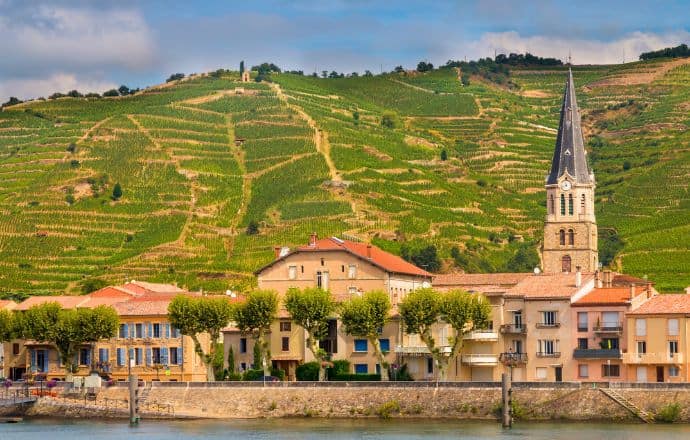
France remains the benchmark for culinary travel, anchored by the concept of "terroir"—the idea that the specific environment (soil, climate, and topography) imparts a unique character to food and wine. In the Burgundy region, specifically within the Côte d’Or, the limestone-rich soils have created a hierarchy of vineyards that has remained largely unchanged for centuries. The town of Beaune serves as the administrative and commercial heart of this region, where subterranean cellars house some of the world’s most sought-after Pinot Noir and Chardonnay.
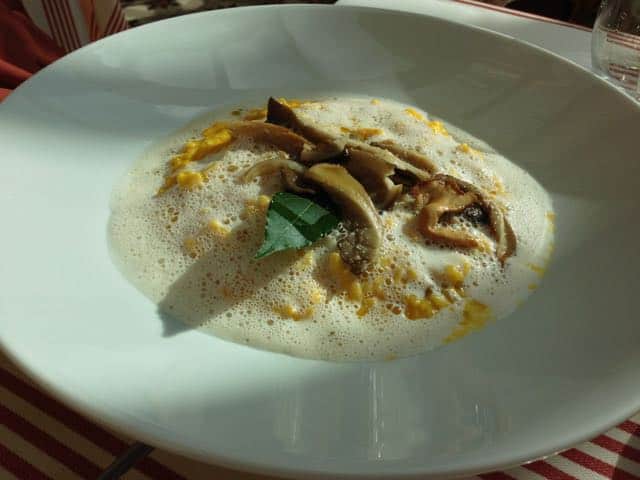
Further south, Lyon has earned the title of the "World Capital of Gastronomy." The city’s culinary identity is defined by its bouchons—traditional bistros that originated from the silk workers’ need for hearty, affordable meals. Today, these establishments are celebrated for their preservation of classic techniques, serving dishes such as quenelles de brochet (pike dumplings) and andouillette. Meanwhile, the Bordeaux region has modernized its approach with the opening of the Cité du Vin, a high-tech museum and cultural center that has revitalized the Garonne riverfront and integrated urban wine bars with historic grand châteaux.
Italy: Regional Diversity and the Slow Food Movement
Italy’s culinary appeal lies in its fierce regionalism. Unlike the centralized culinary tradition of France, Italian food is a collection of distinct "micro-cuisines." The northern region of Piedmont is currently experiencing a surge in tourism driven by the international prestige of the Nebbiolo grape—responsible for Barolo and Barbaresco wines—and the seasonal allure of the white truffle.
In the central region of Emilia-Romagna, often referred to as Italy’s "Food Valley," the economy is heavily reliant on the export and tourism surrounding Parmigiano-Reggiano, Prosciutto di Parma, and traditional balsamic vinegar from Modena. This region is also the spiritual home of the "Slow Food" movement, an international organization founded in Italy in 1986 to prevent the disappearance of local food cultures and traditions.
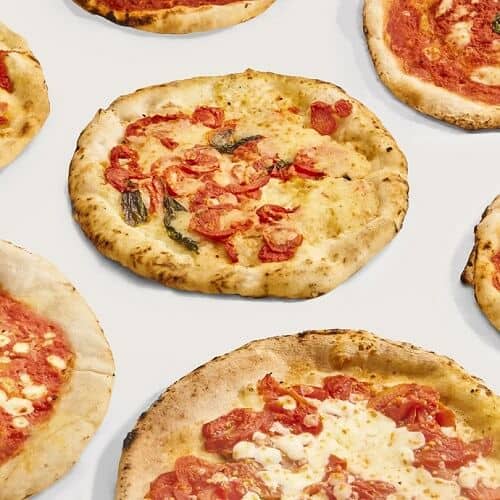
Southern Italy offers a different profile, with Naples serving as the global epicenter for pizza culture, protected by the "Associazione Verace Pizza Napoletana." In Sicily, the volcanic soils of Mount Etna have recently become one of Europe’s most exciting wine frontiers, producing high-altitude wines that offer a stark contrast to the heavier Nero d’Avola found in the island’s interior.
Spain: The Intersection of Tradition and Avant-Garde
Spain has successfully positioned itself as a leader in both traditional viticulture and modernist gastronomy. San Sebastián, in the Basque Country, boasts one of the highest concentrations of Michelin stars per capita in the world, yet it remains equally famous for its pintxos culture—a social form of dining that encourages movement between bars.
In the arid landscapes of La Rioja, the wine industry has embraced architectural tourism, with world-renowned architects like Frank Gehry and Zaha Hadid designing winery facilities that serve as both production centers and tourist landmarks. To the south, the "Sherry Triangle" in Andalusia (Jerez de la Frontera, Sanlúcar de Barrameda, and El Puerto de Santa María) is undergoing a renaissance. Once viewed as a dated beverage, Sherry is being rediscovered by a younger generation of sommeliers and travelers who are drawn to its complex biological and oxidative aging processes.
Portugal and Greece: The Rise of Indigenous Varieties
Portugal and Greece are currently the fastest-growing segments of the European wine tourism market, largely due to their wealth of indigenous grape varieties that offer "novelty" to experienced travelers. Portugal’s Douro Valley, the oldest demarcated wine region in the world, has transitioned from being primarily a port wine producer to a source of world-class dry red wines. The Alentejo region, known for its vast cork forests, has also seen a significant increase in "enotourism" (wine tourism) infrastructure, with luxury estates offering immersive "farm-to-glass" experiences.
Greece has utilized its ancient viticultural history to attract modern tourists. On the island of Santorini, the Assyrtiko grape is grown in "kouloura"—basket-shaped vines designed to protect the fruit from harsh Aegean winds. This unique viticultural landscape, combined with the island’s volcanic soil, produces wines with a distinct salinity that has become a major draw for culinary enthusiasts. In the Peloponnese, the Nemea region is gaining international recognition for the Agiorgitiko grape, often called the "Blood of Hercules," which is the centerpiece of a burgeoning wine trail system.
Strategic Planning for the Culinary Traveler
Industry experts and tourism boards suggest that the most successful culinary itineraries are those that balance structured tastings with spontaneous exploration. Travel analysts recommend the following strategic approaches for maximizing the value of a European food and wine tour:
- Seasonal Synchronization: Travelers are increasingly timing their visits to coincide with specific harvests, such as the grape harvest (vendange) in September or the truffle season in late autumn. This "harvest tourism" provides a deeper look into the production cycle of regional delicacies.
- Shoulder Season Utilization: To avoid the logistical strain of peak summer crowds, the "shoulder seasons" (May–June and September–October) are identified as the optimal times for cellar visits and restaurant reservations.
- Direct Producer Engagement: There is a growing trend toward booking directly with small-scale producers rather than through large tour operators. This supports local economies and often results in more intimate, educational experiences.
- Integrated Transportation: The use of Europe’s extensive high-speed rail network is recommended as a sustainable and safe method for moving between wine regions, allowing travelers to transition from one "palate" to the next without the complexities of regional driving.
Economic Impact and Future Implications
The broader implications of this culinary tourism boom are significant for European national economies. In countries like Italy and France, tourism accounts for approximately 10% to 13% of the national GDP, with a substantial portion of that attributed to the food and beverage sector. The shift toward high-yield, low-impact tourism—exemplified by wine enthusiasts—is being actively encouraged by government tourism boards as a way to combat "over-tourism" while maintaining high revenue levels.
Furthermore, the integration of premium air travel into these itineraries reflects a broader shift in consumer behavior. The "luxury of comfort" is no longer seen as a mere extravagance but as a functional component of the travel experience. By arriving in Europe via business class, travelers are able to bypass the "jet lag recovery period," effectively gaining an extra 24 to 48 hours of high-quality engagement with their destination.
As the global market for wine tourism continues to grow, Europe’s ability to blend its historical heritage with modern luxury and sustainable practices will likely ensure its continued dominance. For the traveler, this represents a unique opportunity to participate in a living history, where every meal and every glass of wine serves as a data point in the vast, flavorful syllabus of the European continent. The stories of these culinary adventures are not just about consumption; they are about the preservation of culture, the support of local agriculture, and the enduring human desire to connect through the universal language of food and drink.

