


The intersection of metabolic health and respiratory medicine has reached a significant turning point as glucagon-like peptide-1 (GLP-1) receptor agonists, originally designed for type 2 diabetes, are increasingly being utilized to treat obstructive sleep apnea (OSA). While medications like Ozempic have become household names for weight loss, their application in treating sleep disorders has created a complex environment regarding clinical efficacy, regulatory approval, and insurance reimbursement. As of 2024, the medical community is witnessing a shift in how chronic sleep conditions are managed, moving from purely mechanical interventions like Continuous Positive Airway Pressure (CPAP) machines toward pharmacological solutions that address the underlying cause of many OSA cases: obesity.
The Clinical Link Between Weight Management and Respiratory Health
Obstructive sleep apnea is a chronic condition characterized by the repeated collapse of the upper airway during sleep, leading to fragmented rest and decreased oxygen saturation. The physiological link between excess body weight and OSA is well-documented. Anatomically, the accumulation of adipose tissue around the neck and throat increases the mechanical pressure on the airway, making it more prone to collapse when the muscles relax during sleep. According to clinical data, approximately 31% of individuals diagnosed with OSA also have obesity, while an additional 44% are classified as overweight.
The relationship between weight reduction and the alleviation of sleep apnea symptoms is nearly linear. Research indicates that a 20% reduction in Body Mass Index (BMI) can result in a staggering 57% reduction in the severity of sleep apnea symptoms. This correlation has fueled the rapid adoption of GLP-1 medications as a secondary treatment for OSA. By mimicking hormones that regulate appetite and blood sugar, these drugs facilitate significant weight loss, which in turn reduces the physical obstruction in the airway. However, while the clinical benefits are becoming clearer, the regulatory and financial hurdles remain substantial for many patients.
Regulatory Chronology and the FDA Approval Milestone
The journey of GLP-1 medications from diabetic treatments to sleep apnea interventions has followed a rigorous clinical timeline. Understanding this chronology is essential for patients navigating the healthcare system:

- December 2017: The FDA approves Ozempic (semaglutide) for the treatment of type 2 diabetes. While weight loss is noted as a side effect, it is not an approved indication.
- June 2021: The FDA approves Wegovy, a higher-dose version of semaglutide, specifically for chronic weight management in adults with obesity or overweight and at least one weight-related condition.
- November 2023: Tirzepatide (Zepbound) receives FDA approval for weight loss, introducing a dual-agonist approach (targeting both GLP-1 and GIP receptors) that shows even greater weight loss potential in clinical trials.
- June 2024: A landmark shift occurs as the FDA officially approves Zepbound (tirzepatide) for the treatment of moderate-to-severe obstructive sleep apnea in adults with obesity. This marked the first time a GLP-1 class medication received a specific indication for OSA.
The 2024 approval of Zepbound was supported by the SURMOUNT-OSA Phase 3 clinical trials. These trials demonstrated that patients using tirzepatide experienced a significant reduction in the Apnea-Hypopnea Index (AHI)—the metric used to measure the number of breathing pauses per hour. In some cases, patients achieved a reduction of up to 30 events per hour, effectively moving many from the "severe" category to "mild" or even "resolved" status.
The Insurance Conundrum: Ozempic vs. Zepbound
Despite the clinical success of these medications, insurance coverage remains the primary barrier to access. A critical distinction exists between Ozempic and Zepbound regarding sleep apnea. Because Ozempic is strictly FDA-approved for type 2 diabetes, most insurance providers will not cover it for sleep apnea or weight loss alone. When a physician prescribes Ozempic for OSA, it is considered "off-label" use. While legal, off-label prescriptions are rarely reimbursed by private insurers or government programs like Medicare.
In contrast, the recent approval of Zepbound for OSA has forced insurance companies to re-evaluate their formularies. However, coverage is not guaranteed. Many plans require "prior authorization," a process where the healthcare provider must prove that the medication is medically necessary. Common requirements for approval include:
- A confirmed diagnosis of moderate-to-severe OSA via a polysomnography (sleep study).
- A BMI above a certain threshold (typically 30, or 27 with comorbidities).
- Documentation of "step therapy," where the patient must first try and fail more traditional treatments, such as CPAP therapy or structured lifestyle modification programs.
Financial Implications and Out-of-Pocket Costs
For those without insurance coverage, the financial burden of GLP-1 therapy is significant. The list price for Ozempic typically hovers around $900 to $1,000 per month, though some discount programs may bring the cost down to approximately $499. Zepbound and Wegovy carry similar price tags. Even with insurance, patients may face "tier-based" pricing, where specialty drugs require high co-payments or co-insurance, sometimes reaching several hundred dollars monthly until a deductible is met.
Medicare policy has also been in a state of flux. Historically, Medicare was prohibited by law from covering drugs used for weight loss. However, following the 2024 FDA approval of certain GLP-1s for secondary conditions—such as reducing cardiovascular risk or treating OSA—Medicare Part D plans have begun to cover these medications for those specific diagnoses. For example, Zepbound may be covered for a Medicare patient with OSA, with typical out-of-pocket costs estimated at $50 per month, provided the patient meets the clinical criteria.
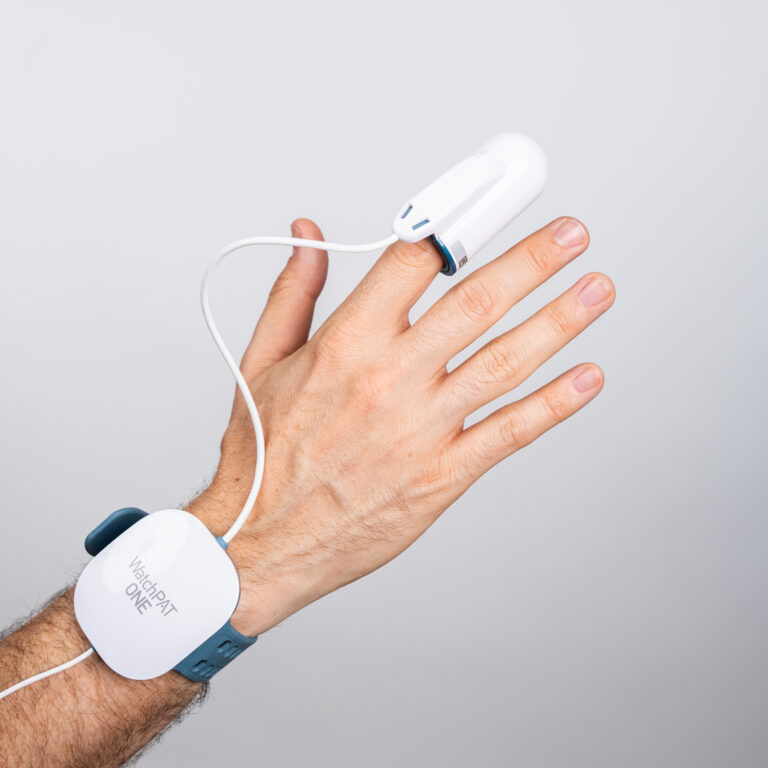
The Role of Medical Necessity and the Appeals Process
When insurance coverage is denied, patients and providers have the right to file an appeal. This process is often successful if the provider can document that the patient has "medical necessity." For sleep apnea patients, this might include evidence that the patient is intolerant to CPAP therapy—a common issue where patients find the mask too restrictive or uncomfortable to use consistently.
An internal appeal involves the insurance company’s own medical reviewers re-examining the case. If the internal appeal is denied, patients can request an external review by an independent third party. This process can take several months, but as clinical data for GLP-1s in sleep medicine grows, the success rate for these appeals is gradually increasing. Providers are encouraged to include data from the SURMOUNT-OSA trials and the patient’s specific comorbidities, such as hypertension or heart disease, to strengthen the case.
Broader Impact on the Healthcare Industry
The rise of GLP-1s for sleep apnea is reshaping the medical device industry and sleep clinic operations. Traditionally, the "gold standard" for OSA has been the CPAP machine. While highly effective, CPAP compliance rates are notoriously low, with some studies suggesting up to 50% of patients stop using the device within the first year. The introduction of a pharmacological alternative offers a more "passive" treatment that addresses the biological root of the obstruction rather than just the mechanical symptom.
However, medical professionals caution that GLP-1s are not a "magic bullet." These medications are intended to be used alongside lifestyle changes. Clinical guidelines emphasize that when patients stop taking GLP-1s, weight regain is common, which would likely lead to the return of sleep apnea symptoms. Furthermore, the long-term effects of these drugs on sleep architecture—beyond just weight loss—are still being studied. Some researchers believe GLP-1s may have a direct effect on the central nervous system’s control of breathing, though this remains a hypothesis requiring more data.
Alternative Strategies and Lifestyle Integration
For patients who cannot access or afford GLP-1 medications, traditional methods remain vital. The U.S. Department of Health and Human Services continues to recommend a multifaceted approach to managing OSA and obesity:

- Physical Activity: A minimum of 150 to 300 minutes of moderate-intensity exercise per week, supplemented by resistance training. Increased muscle mass is particularly beneficial for metabolic rate and long-term weight maintenance.
- Dietary Deficits: Achieving a sustainable calorie deficit through nutrient-dense foods while reducing the intake of alcohol and sugary beverages, which can relax the throat muscles and worsen apnea episodes.
- Alternative Devices: Oral appliances, which reposition the jaw during sleep, and surgical interventions like the Inspire upper airway stimulation system, provide options for those who cannot tolerate CPAP.
Future Outlook
The landscape of sleep medicine is moving toward a personalized approach. In the coming years, it is expected that more GLP-1 and dual-agonist medications will seek FDA approval for sleep-related indications. As competition in the pharmaceutical market increases, there is hope that prices will stabilize and insurance coverage will become more standardized. For now, patients are encouraged to work closely with both their sleep specialists and primary care providers to navigate the evolving requirements of insurance companies and to ensure that any pharmacological treatment is part of a comprehensive, long-term health strategy.
The shift from Ozempic as a "weight loss trend" to Zepbound as a "clinical respiratory treatment" represents a significant maturation of GLP-1 therapy. As the medical community continues to analyze the data, the focus remains on improving the quality of life and long-term cardiovascular health of the millions of individuals living with obstructive sleep apnea.

