

Germany serves as the historical and cultural epicenter of European winter traditions, attracting millions of international visitors annually to experience a festive season rooted in centuries of heritage. The German Christmas experience, characterized by its "Gemütlichkeit" (a unique sense of coziness and belonging), is not merely a holiday but a significant economic and cultural phenomenon. From the snow-capped peaks of the Bavarian Alps to the historic squares of Dresden and Nuremberg, the country transforms into a synchronized display of light, gastronomy, and communal celebration. As global travel patterns stabilize, Germany’s winter tourism sector continues to demonstrate resilience, driven by a combination of traditional authenticity and modern infrastructure.
The Historical Evolution of the German Christmas Market
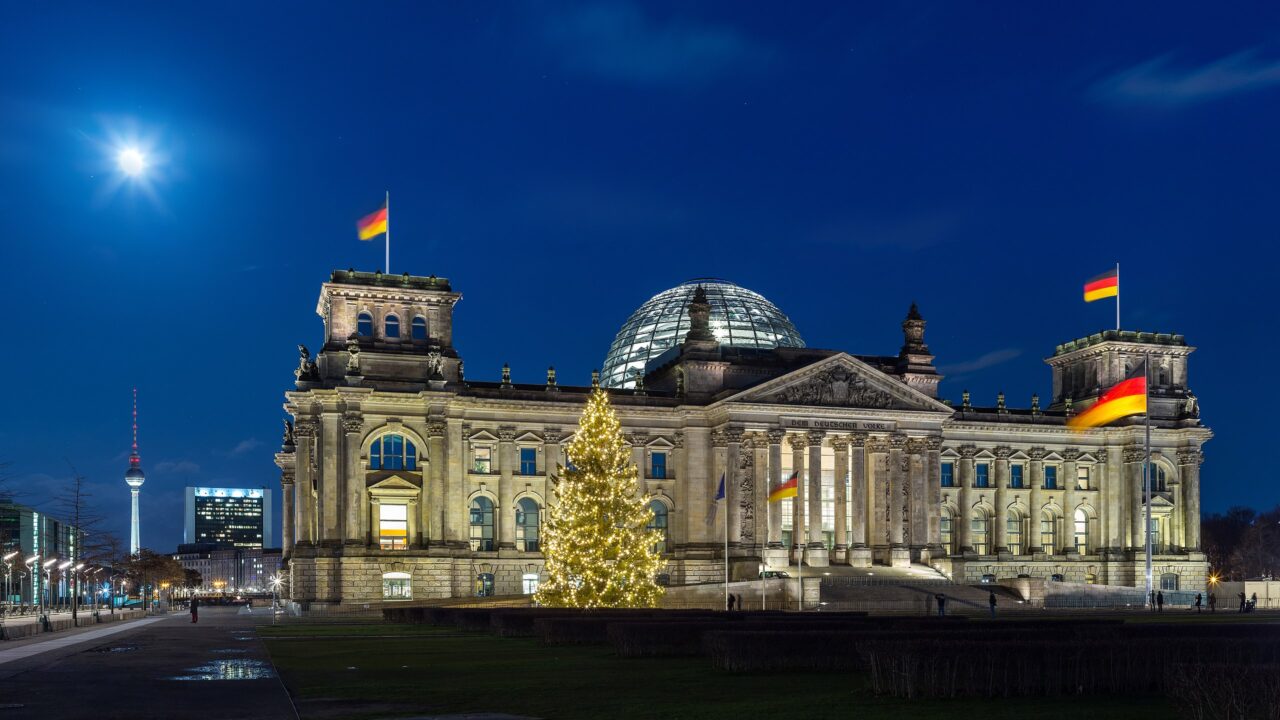
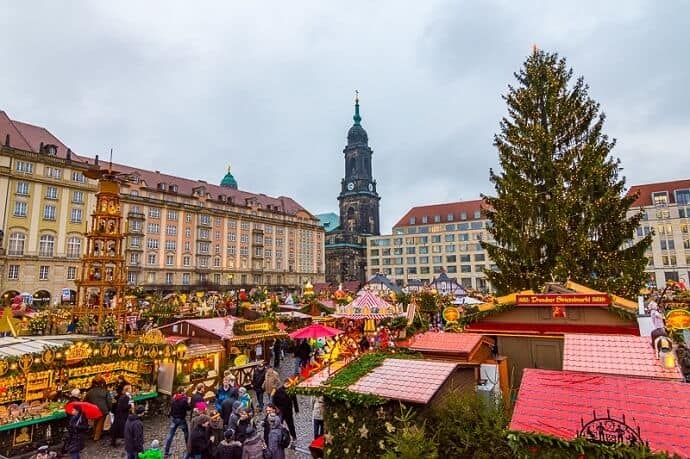
The German Christmas market, or "Weihnachtsmarkt," is an institution with roots stretching back to the Late Middle Ages. Historically, these gatherings were not festive celebrations but essential winter markets where citizens could purchase meat and seasonal supplies to survive the colder months. The Bautzen Christmas Market, first mentioned in records in 1384, and the Dresden Striezelmarkt, established in 1434, are among the oldest in the world. Over centuries, these functional markets evolved into cultural hubs, incorporating artisans, toy makers, and bakers.
The chronology of the German Christmas reflects a transition from purely religious observance to a broader societal celebration. By the 19th century, during the Biedermeier period, the focus shifted toward the family unit, giving rise to many traditions now recognized globally, such as the decorated evergreen tree (Tannenbaum) and the Advent wreath. Today, the German National Tourist Board (DZT) emphasizes these historical roots as a primary draw for cultural tourists, positioning Germany as the "Land of Christmas."
Economic Impact and Tourism Statistics
The festive season represents a vital pillar of the German economy. According to data from the German Retail Federation (HDE), the months of November and December account for approximately 20% of annual retail turnover, often exceeding €100 billion. Christmas markets alone contribute significantly to local economies; industry reports indicate that Germany hosts over 2,500 markets each year, attracting an estimated 160 million visitors in peak years.
The economic ripple effect extends beyond the market stalls to the hospitality and transportation sectors. In cities like Nuremberg, hotel occupancy rates frequently reach 90% or higher during the four weeks of Advent. Tourism analysts note that the average visitor to a major German Christmas market spends between €30 and €50 per day on food, beverages, and crafts, excluding accommodation and travel costs. This influx of capital supports thousands of small-scale artisans and seasonal workers, preserving traditional crafts that might otherwise face obsolescence in a digital economy.
Regional Diversity and the "Big Three" Destinations
While almost every municipality in Germany hosts a market, three cities stand out for their historical significance and scale: Nuremberg, Dresden, and Berlin.
The Nuremberg Christkindlesmarkt is perhaps the most famous globally. It is distinguished by its strict adherence to tradition; plastic garlands and mass-produced goods are largely prohibited in favor of regional crafts. The market is opened by the "Christkind," a local young woman elected every two years to serve as a symbolic figure of the season.
Dresden’s Striezelmarkt is renowned for its connection to the "Stollen," a traditional fruit bread. The city hosts a dedicated Stollen Festival, featuring a giant version of the cake that is paraded through the streets. This regional specialty has "Protected Geographical Indication" (PGI) status under EU law, meaning only bread produced in the Dresden area can carry the official name.
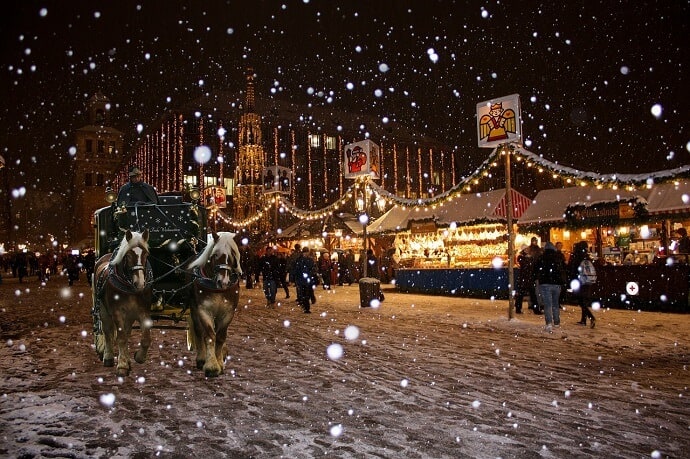
Berlin offers a more modern interpretation of the season, hosting over 80 different markets ranging from the traditional Gendarmenmarkt to "eco-markets" and Scandinavian-themed events. This diversity reflects Berlin’s status as a cosmopolitan capital, blending historical aesthetics with contemporary urban culture.
Culinary Heritage and the Science of Seasonal Flavors
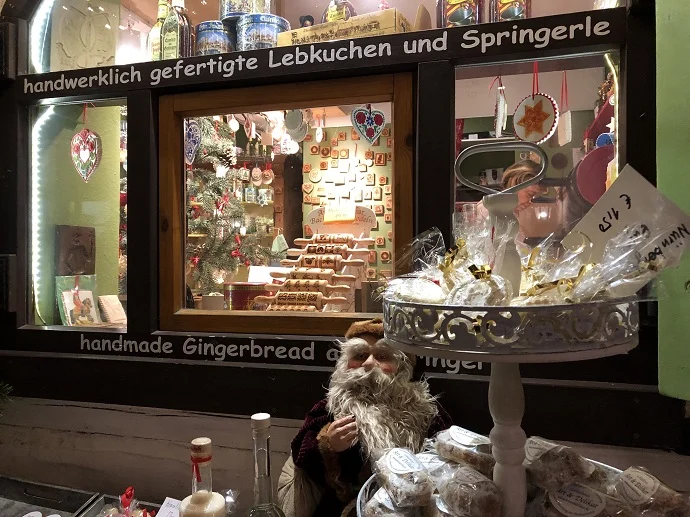
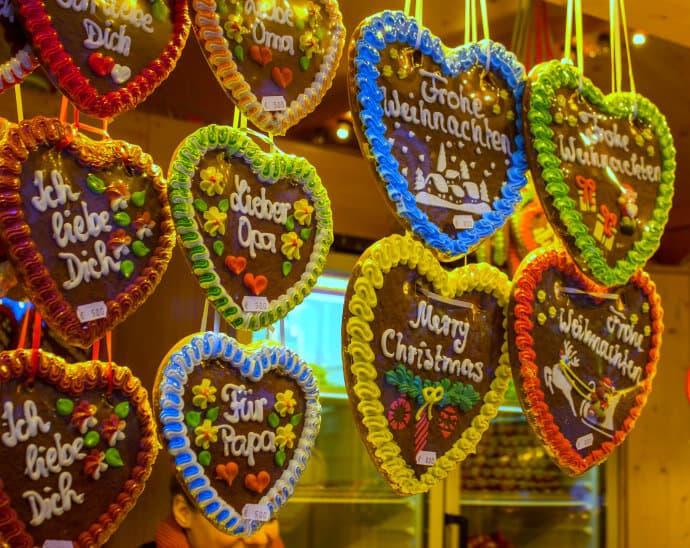
German Christmas gastronomy is a sensory experience defined by specific spices and preparation methods that have remained unchanged for generations. Lebkuchen, the German equivalent of gingerbread, originated in the 14th century with Franconian monks. Today, Nuremberg Lebkuchen is a world-renowned delicacy, often baked with high nut content and minimal flour.
The beverage of choice is "Glühwein," a mulled wine heated with cinnamon, cloves, star anise, and citrus. The production of Glühwein is a serious industry in Germany, with strict regulations regarding sugar content and alcohol percentage. Beyond the markets, the "Weihnachtsgans" (Christmas Goose) remains the centerpiece of the holiday meal on December 25, typically served with "Klöße" (potato dumplings) and red cabbage. Analysts suggest that the persistence of these specific culinary traditions is a key factor in the "nostalgia tourism" that drives repeat visits to the country.

Folklore, Customs, and the Dual Identity of Nicholas and Krampus
German Christmas traditions are characterized by a unique blend of Christian hagiography and Alpine folklore. A primary example is the celebration of St. Nicholas Day on December 6. Unlike the American Santa Claus, the German "Sankt Nikolaus" is a bishop-like figure who rewards children for their behavior throughout the year.
In Southern Germany and the Alpine regions, Nicholas is often accompanied by "Krampus," a horned, anthropomorphic figure who serves as a foil to the saint’s benevolence. While Nicholas rewards the virtuous, Krampus is said to punish the unruly. This duality reflects a broader European tradition of "mummers" and seasonal plays that date back to pre-Christian winter solstice celebrations. Modern cultural historians observe that these traditions are experiencing a resurgence, with "Krampus runs" (Krampusläufe) becoming popular public spectacles that attract both locals and tourists.
Infrastructure and the Digital Transformation of Holiday Travel
Germany’s efficiency in handling the massive influx of winter tourists is a result of integrated transport and communication systems. The Deutsche Bahn (DB) rail network provides high-speed connections between major market hubs, and the recent introduction of the "Deutschland-Ticket" (a monthly subscription for regional transport) has made cross-country travel more accessible for budget-conscious travelers.
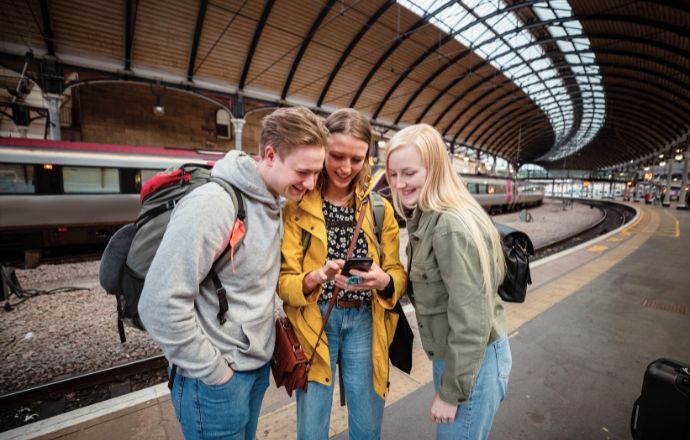
The digital experience has also become a priority for German tourism boards. The widespread adoption of eSIM technology allows international travelers to maintain high-speed data connections without the burden of roaming fees. This connectivity is essential for navigating complex market layouts, booking last-minute regional trains, and utilizing real-time translation apps. As tourism becomes increasingly data-driven, the ability for a traveler to access "digital guides" and interactive maps is now considered a standard requirement for a successful holiday experience.
Sustainability and Future Implications
In recent years, the German Christmas market industry has faced increasing pressure to adopt sustainable practices. Many cities have transitioned to 100% LED lighting for their festive displays and have implemented "deposit systems" (Pfand) for ceramic Glühwein mugs to eliminate single-use waste. In Munich and Stuttgart, several markets have introduced organic-certified food stalls and carbon-neutral heating solutions.
The broader implication of Germany’s Christmas season is its role as a "soft power" tool. By successfully marketing its winter traditions, Germany projects an image of stability, warmth, and cultural richness. However, industry experts warn that climate change poses a long-term threat to the "winter wonderland" aesthetic. The decline in reliable snowfall in lower-altitude regions has led many municipalities to invest in more "light-based" attractions and indoor cultural programming to ensure the season remains attractive regardless of the weather.
Ultimately, the celebration of Christmas in Germany is a masterclass in cultural preservation and economic mobilization. It provides a blueprint for how traditional heritage can be adapted for a modern global audience without losing its essential character. For the traveler, it offers a rare opportunity to step into a living history, where the scents of cinnamon and roasted almonds serve as a bridge between the medieval past and the technological present.

