

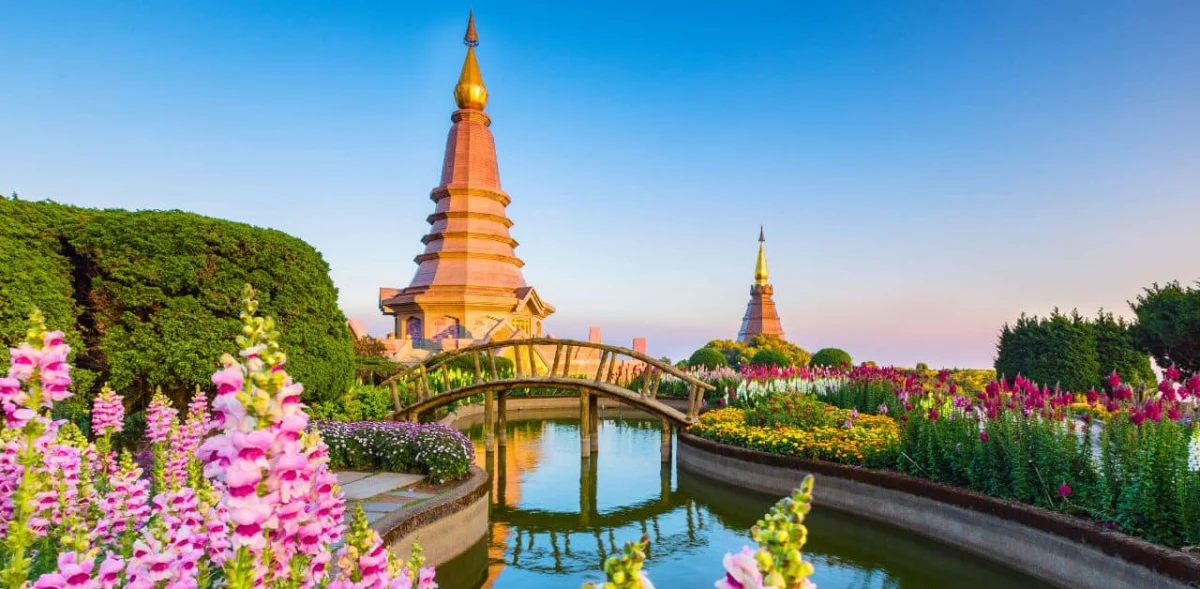
Thailand remains one of the most significant hubs for international tourism in Southeast Asia, consistently ranking as a top destination due to its multifaceted appeal that spans ancient cultural heritage, modern urban infrastructure, and pristine natural environments. As the kingdom continues to evolve its tourism sector, the emphasis has shifted from mass-market backpacking toward a more refined, comfortable, and sustainable travel experience. Navigating this diverse landscape requires a strategic approach to seasonal timing, logistical planning, and cultural engagement to ensure a seamless journey across its various provinces.
Strategic Seasonal Planning and Regional Climate Analysis
The geography of Thailand, stretching from the mountainous northern highlands to the tropical archipelagos of the south, results in distinct microclimates that dictate the quality of the travel experience. For travelers prioritizing comfort, understanding these patterns is essential for avoiding the logistical disruptions often caused by the monsoon seasons.

The "Cool Season," which spans from November to February, is statistically the most favorable time for nationwide exploration. During this period, the northeast monsoon brings cooler, drier air, with temperatures in Bangkok and central Thailand averaging between 25°C and 30°C (77°F to 86°F). In the northern provinces like Chiang Mai and Chiang Rai, evening temperatures can drop significantly, providing a respite from the humidity common in tropical latitudes.
Conversely, the "Hot Season" (March to May) sees temperatures frequently exceeding 35°C (95°F), which can make outdoor sightseeing and temple visits physically taxing. The "Rainy Season" (June to October) offers a different set of advantages, often referred to by the tourism board as the "Green Season." While rain is frequent, it is often characterized by short, intense bursts rather than day-long downpours, leading to lush landscapes and lower accommodation costs. However, travelers seeking comfort should note that heavy rains can occasionally disrupt domestic ferry schedules and flight paths.
The Role of Professional Itinerary Management
The complexity of Thailand’s logistical landscape has led to a rise in the demand for professional travel experts and high-end tour operators. According to industry data from the Tourism Authority of Thailand (TAT), there is a growing segment of "value-based" travelers who prefer pre-arranged, personalized itineraries over spontaneous planning.

Engaging travel experts, such as those from established luxury firms like Black Tomato, allows visitors to bypass the common stressors of international travel. These services provide more than just hotel bookings; they offer "ground handling" expertise, which includes private airport transfers, fast-track immigration services, and curated access to sites that may otherwise be difficult to navigate. For the luxury traveler, this means the elimination of language barriers and the assurance that every component of the trip—from domestic flight connections to dietary requirements at local restaurants—is managed by professionals with local insights.
Evolution of Domestic Transportation Infrastructure
Thailand has invested heavily in its transportation networks, making it increasingly easy to traverse the country in comfort. The choice of transit often depends on the balance between time efficiency and the desire for scenic immersion.
Aviation Hubs and Domestic Flights
For long-distance travel, such as moving from the northern capital of Chiang Mai to the southern islands of Phuket or Koh Samui, domestic aviation is the most efficient choice. Suvarnabhumi Airport (BKK) and Don Mueang International Airport (DMK) serve as the primary hubs. Low-cost carriers and full-service airlines like Bangkok Airways provide frequent connections. Bangkok Airways, in particular, markets itself as "Asia’s Boutique Airline," offering lounge access to all passengers, which significantly enhances the comfort of regional transit.

Rail Development and Scenic Travel
The State Railway of Thailand (SRT) is currently undergoing a massive modernization project, including the introduction of new sleeper trains on popular routes such as the Bangkok-Chiang Mai line. While slower than flying, these first-class sleeper cabins provide a unique, comfortable way to view the rural landscapes of the central plains. Furthermore, the development of high-speed rail links, particularly those connecting Bangkok to the Eastern Economic Corridor, is expected to revolutionize travel times in the coming decade.
Urban and Private Transit
Within urban centers like Bangkok, the BTS Skytrain and MRT Subway systems offer climate-controlled, efficient alternatives to the city’s notorious traffic. For more personalized comfort, ride-hailing applications like Grab and Bolt have become standard, providing transparent pricing and air-conditioned vehicles. For families or groups, private chauffeured vans are the gold standard for mid-range distances, offering door-to-door service and the flexibility to stop at points of interest along the way.
High-End Accommodations and Sustainable Luxury
The Thai hospitality sector is globally renowned for its service standards. To ensure a comfortable stay, travelers are increasingly looking toward "well-located" accommodations that minimize transit time to major attractions. In Bangkok, this often means staying along the Chao Phraya River or in the Sukhumvit district, where luxury hotels provide easy access to both cultural sites and modern shopping complexes.

A significant trend in recent years is the integration of sustainability into the luxury experience. High-end resorts are moving away from single-use plastics and investing in greywater recycling and farm-to-table dining. For the discerning traveler, choosing a "Green Hotel" certified by the Department of Environmental Quality Promotion ensures that their comfort does not come at the expense of the local ecosystem. Industry analysts suggest that accommodations with high sustainability ratings often see higher guest satisfaction scores due to the increased attention to detail and the quality of natural, locally sourced products.
Cultural Stewardship and Ethical Engagement
Exploring Thailand in comfort also involves a psychological and social component: the ease of interaction with local communities. Thailand’s social fabric is deeply influenced by Buddhism and a tradition of hospitality known as "Nam Jai" (water from the heart).
Etiquette and Social Norms
Respecting local customs is vital for a smooth experience. This includes dressing modestly when visiting temples (shoulders and knees covered) and participating in the "Wai"—the traditional Thai greeting of bowing with palms pressed together. Such gestures of respect are often met with increased warmth and assistance from locals, which can significantly improve the quality of a traveler’s daily interactions.

Linguistic Integration
While English is widely spoken in tourist hubs and luxury hotels, learning basic Thai phrases—such as "Sawasdee" (hello) and "Khop Khun" (thank you)—is a powerful tool for building rapport. This effort toward cultural integration often leads to "hidden" experiences, such as recommendations for local markets or less-crowded viewpoints that are not featured in standard guidebooks.
Conservation Tourism: Khao Yai and Ang Thong
A key part of a comfortable Thai itinerary involves exploring the country’s protected natural areas. Thailand’s National Park system is one of the most robust in Asia, providing structured and safe ways to experience biodiversity.
Khao Yai National Park
As the third-largest national park in the country and a UNESCO World Heritage site, Khao Yai is a prime example of accessible wilderness. Located just three hours from Bangkok, it offers well-maintained roads and professional guide services. The park is home to an estimated 300 species of birds and a significant population of wild Asian elephants. For travelers, the comfort of Khao Yai lies in its high-quality lodges and the ability to conduct "vehicle-based" safaris, allowing for wildlife viewing without the physical strain of long-distance trekking.

Ang Thong Marine National Park
In the south, the Ang Thong Marine National Park represents the pinnacle of coastal beauty. Comprising 42 islands, the park is protected under strict environmental laws to prevent the over-development seen in other parts of the region. Visitors can explore the archipelago via high-speed catamarans or private yachts, which offer a luxury alternative to the crowded public ferries. The park’s focus on conservation ensures that the coral reefs and limestone lagoons remain pristine, providing a high-quality environment for snorkeling and kayaking.
The Gibbon Rehabilitation Project: A Case Study in Ethical Wildlife Tourism
In Phuket, the Gibbon Rehabilitation Project (GRP) serves as a critical educational site for travelers interested in conservation. Gibbons are among the most threatened primates in Southeast Asia due to habitat loss and the illegal pet trade. Historically, young gibbons were used as photo props for tourists, a practice that the GRP has fought to eradicate since 1992.
The project emphasizes "passive observation." Visitors can see the gibbons that are being rehabilitated but are kept at a distance to prevent human habituation. This model of tourism is increasingly preferred by modern travelers who seek meaningful, ethical experiences. Supporting such initiatives provides a sense of "moral comfort," knowing that one’s tourism dollars are contributing to the restoration of Thailand’s natural heritage rather than its exploitation.

Economic Implications and Future Outlook
The shift toward comfortable and high-value tourism is a deliberate policy of the Thai government. By 2025, the Ministry of Tourism and Sports aims to increase tourism revenue significantly, not necessarily by increasing the volume of visitors, but by increasing the average spend per person. This involves improving infrastructure in secondary cities and promoting "Slow Travel," which encourages longer stays in fewer locations.
For the traveler, this evolution means a more refined infrastructure, better-protected natural sites, and a hospitality industry that is increasingly attuned to global standards of luxury and sustainability. By prioritizing careful planning, professional guidance, and cultural respect, visitors can experience the "Land of Smiles" in a way that is both deeply comfortable and profoundly rewarding. The future of Thai travel lies in this balance—where modern convenience meets ancient tradition, and where the comfort of the guest is matched by the preservation of the destination.

