

The landscape of North American travel has undergone a profound transformation over the last decade, with recreational vehicle (RV) camping evolving from a niche retirement pastime into a multi-billion-dollar industry embraced by diverse demographics. At the center of this movement is Kampgrounds of America, Inc. (KOA), the world’s largest system of privately held campgrounds. With a network exceeding 500 locations across the United States and Canada, KOA has established a standardized infrastructure that facilitates the freedom of the open road while providing the predictable amenities required by modern travelers. As the RV Industry Association (RVIA) reports that approximately 8.1 million American households now own an RV, the demand for reliable, full-service campsites has reached an all-time high, positioning KOA as a critical player in the outdoor hospitality sector.
The Historical Evolution of Standardized Camping
The origins of organized RV camping can be traced back to 1962, when Dave Drum founded the first KOA in Billings, Montana. At the time, the Interstate Highway System was expanding rapidly, and travelers heading to the Seattle World’s Fair needed a place to park their rigs that offered more than a primitive clearing. Drum’s vision was to provide a "home away from home" with hot showers, clean restrooms, and a small store. This franchise model revolutionized the industry by introducing consistency to the camping experience. Over the subsequent six decades, the company has navigated economic shifts and changing consumer preferences, transitioning from a basic overnight stop to a sophisticated hospitality brand.
Today, the RV industry contributes an estimated $140 billion to the U.S. economy annually. This growth is driven not only by traditional "snowbirds"—retirees who travel south for the winter—but also by a burgeoning segment of younger families and "digital nomads" who utilize high-speed internet to work from scenic locations. KOA’s evolution reflects these shifts, with the company investing heavily in site upgrades, digital booking platforms, and diverse accommodation types to meet the expectations of a more tech-savvy and amenity-focused clientele.
Categorization of the Camping Experience: Journey, Holiday, and Resort
Recognizing that travelers have varying objectives, KOA restructured its network into three distinct brand categories: KOA Journey, KOA Holiday, and KOA Resort. This strategic segmentation allows RVers to select a location based on their specific itinerary needs rather than just geographic proximity.
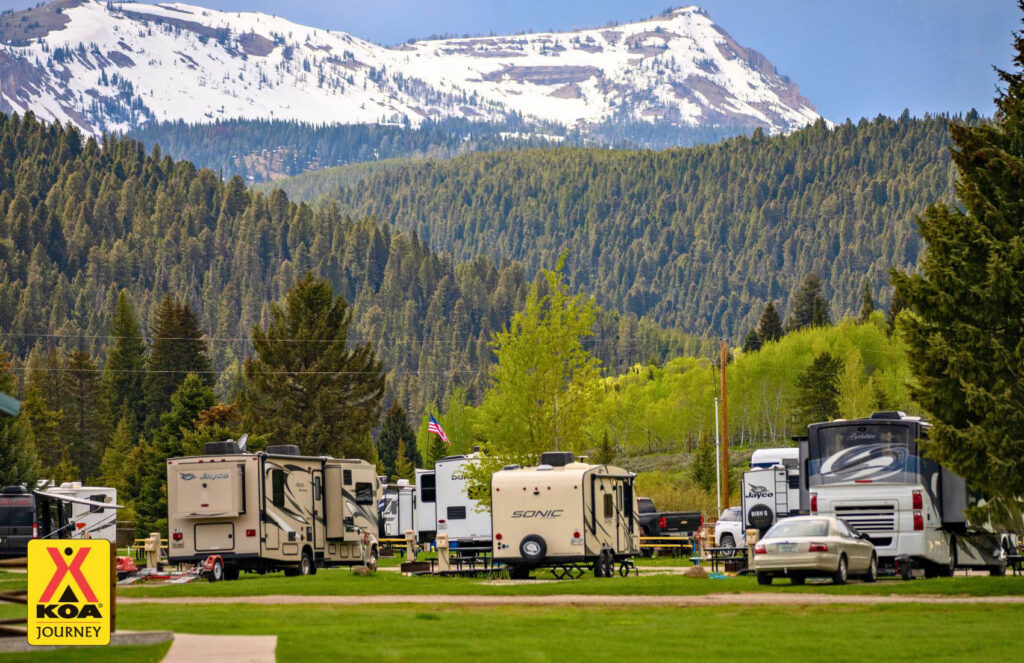
KOA Journey locations are strategically positioned near major highways and travel corridors. These campgrounds are engineered for the cross-country voyager, focusing on ease of access, well-lit pull-through sites, and streamlined after-hours check-in processes. They serve as the "roadside hotels" of the camping world, providing a safe and reliable environment for travelers to recharge before continuing their journey.
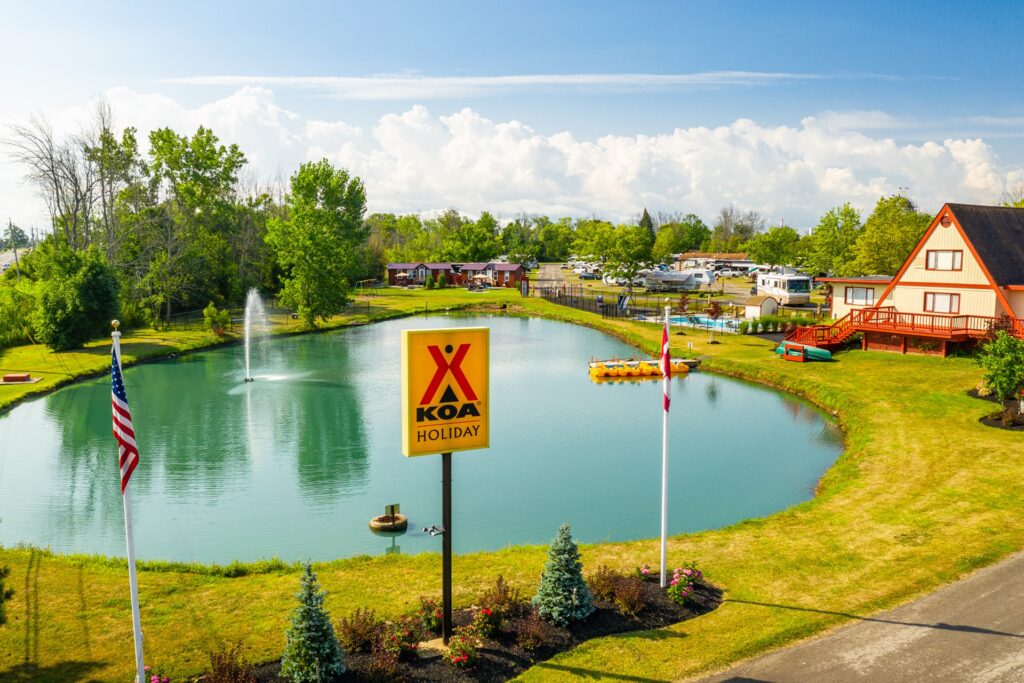
KOA Holiday campgrounds are designed as base camps for exploring specific regions. Located near major attractions or natural wonders, these facilities offer more robust amenities, including upgraded pavilions, organized activities, and a wider variety of site types. They cater to "weekend warriors" and families who intend to stay for several days while visiting nearby national parks or urban centers.
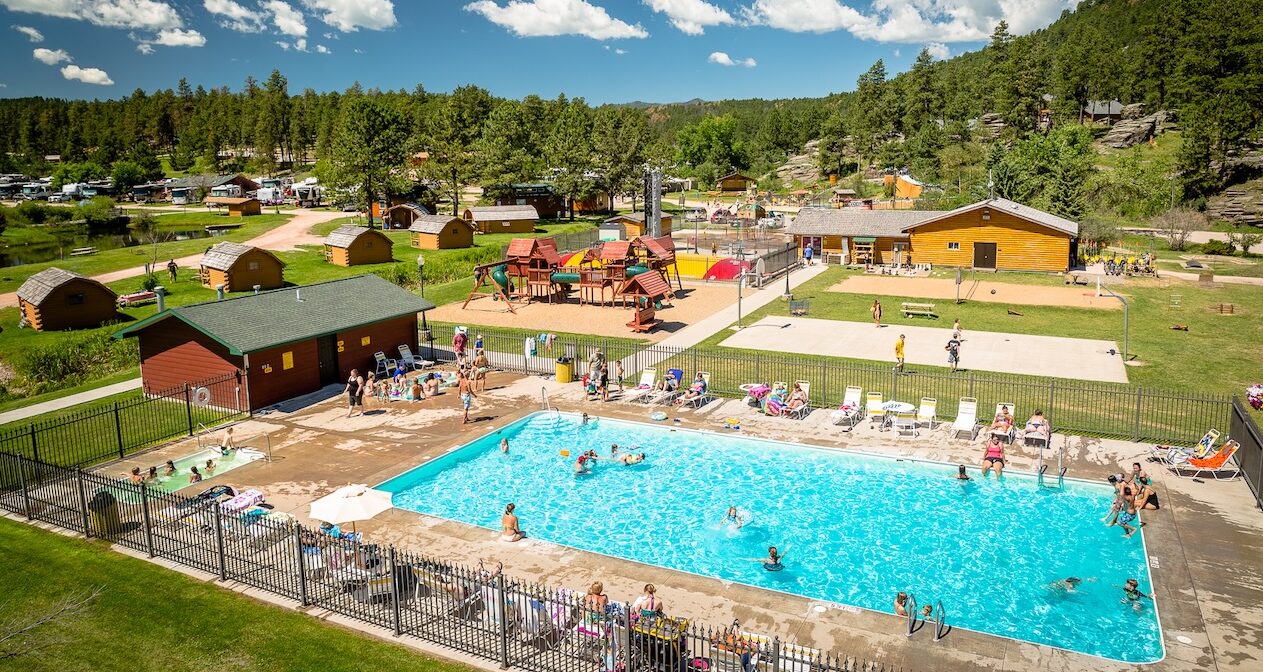
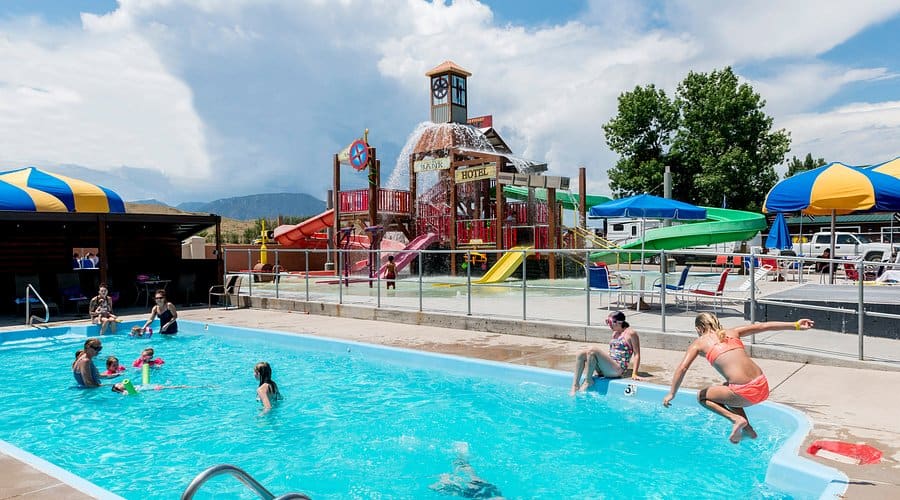
KOA Resort locations represent the pinnacle of the brand’s offerings. These are destination campgrounds where the facility itself is the primary attraction. Featuring resort-style swimming pools, on-site dining options, mini-golf, and extensive recreational programming, these sites cater to the "Snowbird" demographic and vacationers seeking an all-inclusive outdoor experience. The infrastructure at these locations is often more permanent, supporting extended stays that can last weeks or months.
Technical Infrastructure and Site Specifications
For the modern RVer, the technical specifications of a campsite are as vital as the location itself. KOA has standardized its "hookup" offerings to accommodate the wide variety of rigs on the road, from 20-foot camper vans to 45-foot Class A motorhomes. A "Full Hookup" site typically includes three essential components: electrical service (offering 30-amp or 50-amp connections), a pressurized water connection, and a sewer hookup.
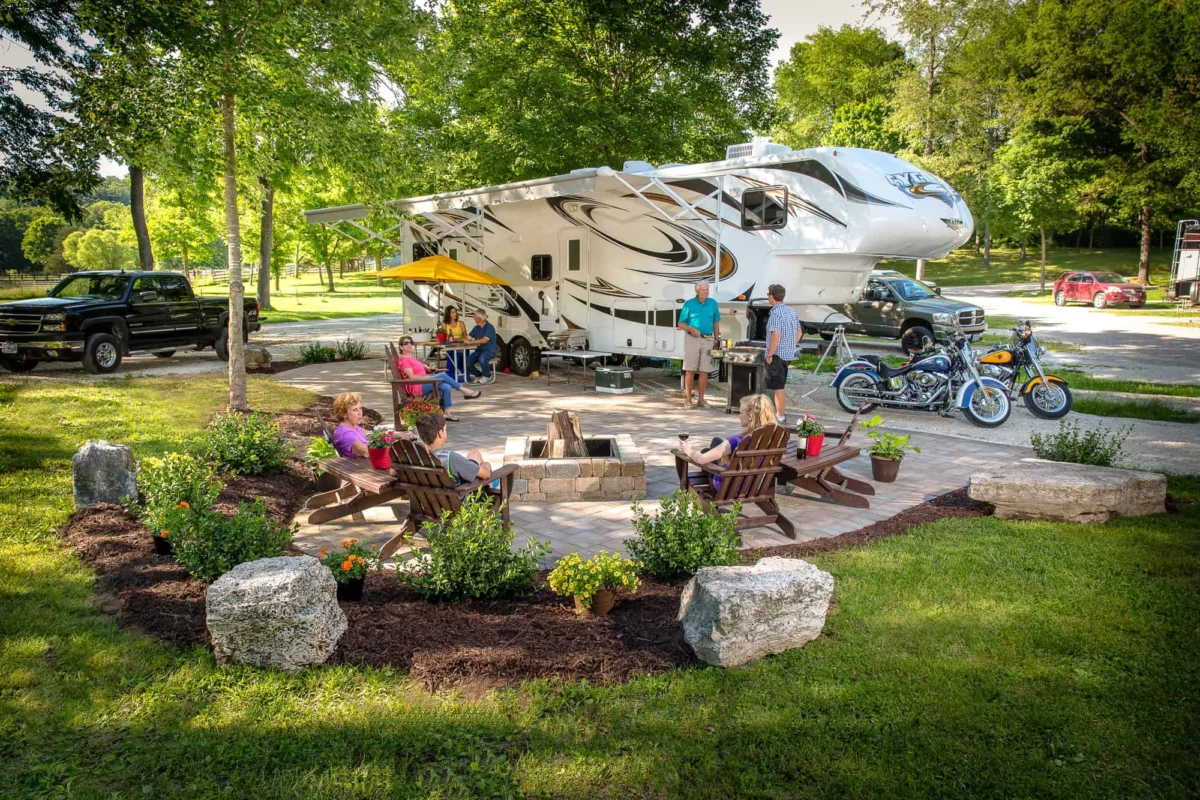
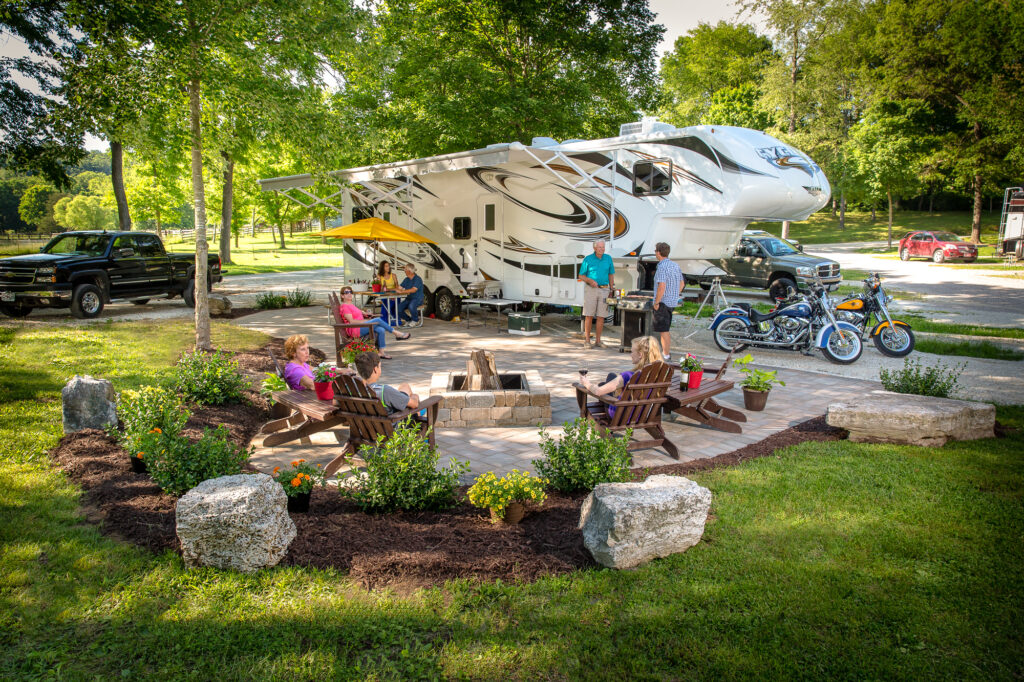
In recent years, the company has introduced the KOA Patio site, an innovation aimed at the luxury RV market. These sites replace the traditional gravel or grass pad with an extended concrete or paved patio area. They often include high-end outdoor furniture, dedicated fire pits or stone fireplaces, and enhanced landscaping to provide a sense of privacy and exclusivity.
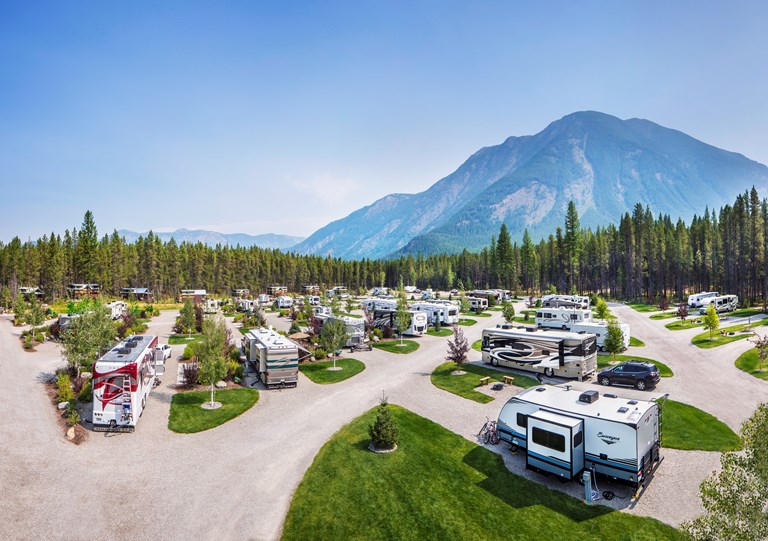
The logistical challenge of maneuvering large vehicles is addressed through two primary site designs: pull-through and back-in. Pull-through sites allow a driver to enter from one side and exit from the other, eliminating the need for complex reversing maneuvers—a feature highly prized by those towing large fifth-wheels or travel trailers. Back-in sites, while requiring more technical skill to navigate, often provide superior views and a more secluded atmosphere, as they are frequently positioned along the perimeter of the campground.
The Rise of Pet-Centric Travel and Specialized Amenities
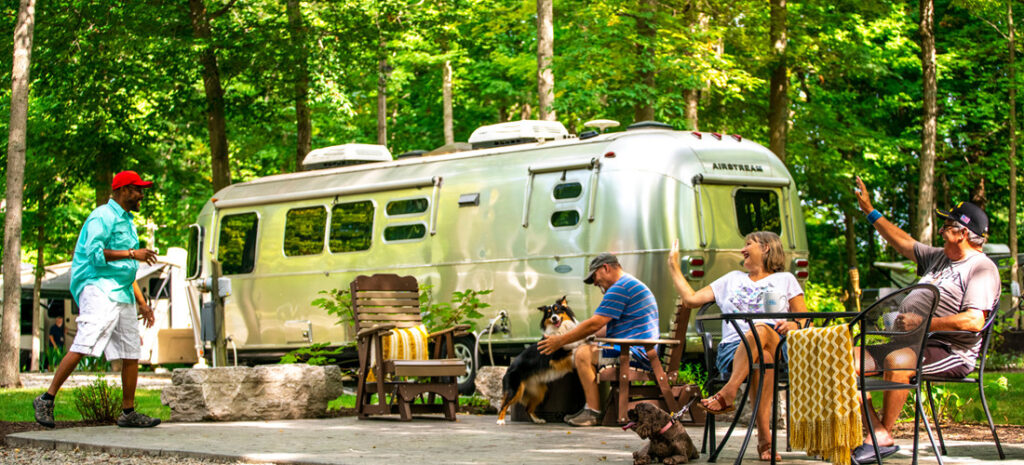
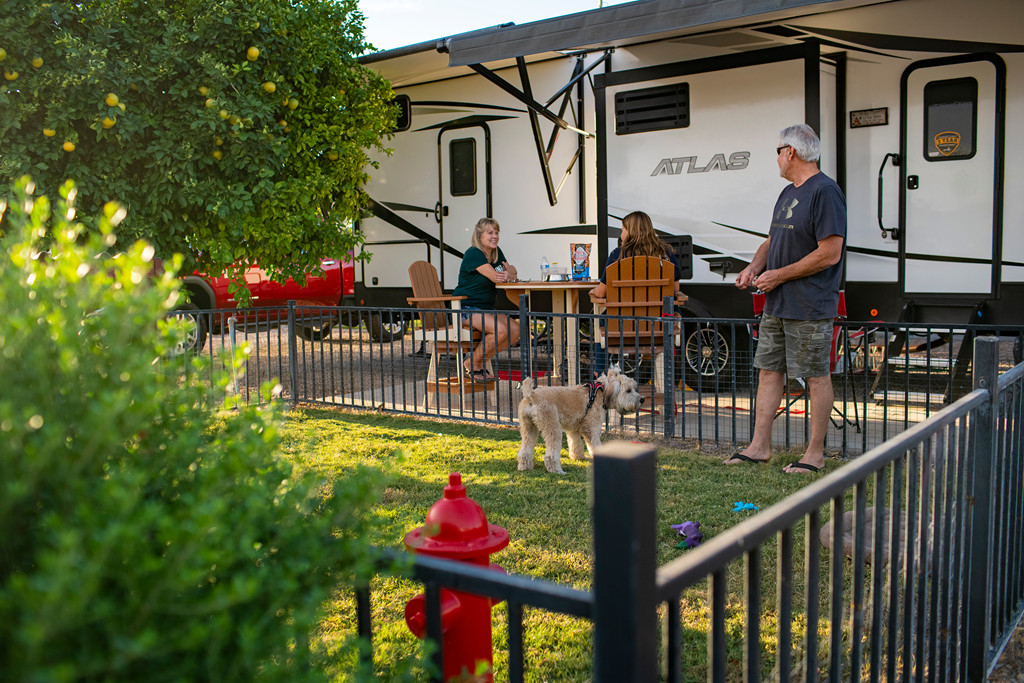
One of the most significant trends in the RV industry is the inclusion of pets in travel plans. Industry surveys indicate that approximately 43% of RVers consider pet-friendliness a non-negotiable factor when choosing a campground. In response, KOA has integrated "KampK9" facilities into its standard site requirements. These fenced, off-leash dog parks provide a safe environment for animals to exercise, often featuring separate sections for large and small breeds, as well as agility equipment and fresh water stations.
To further capitalize on this trend, the company is rolling out "KOA Paw Pen" sites. These specialized campsites include a private, fenced-in area directly attached to the RV pad, allowing pets to roam freely outside the vehicle without being tethered. This development reflects a broader shift in the hospitality industry toward "pet-humanization," where the needs of the animal are given equal weight to those of the human traveler.
Digital Integration and the Economic Impact of Rewards Programs
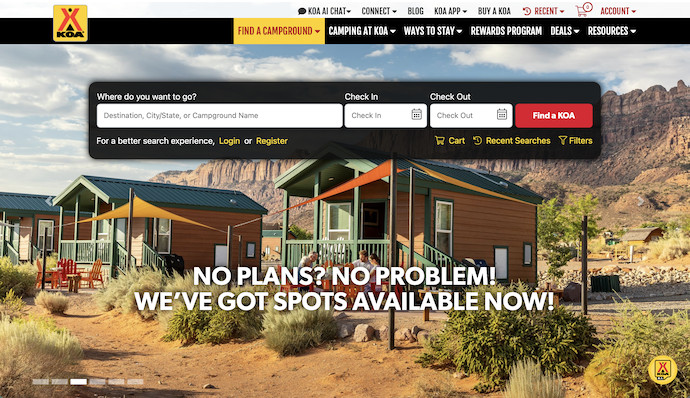
The process of securing a campsite has moved away from the "first-come, first-served" model toward a sophisticated digital reservation system. KOA’s centralized platform provides real-time availability and transparent pricing, a necessity in an era where popular locations can book up months in advance. The integration of site-specific photos and detailed amenity filters allows travelers to verify that a site can accommodate their vehicle’s length and electrical requirements before they arrive.
To foster brand loyalty in an increasingly competitive market, the KOA Rewards program offers a structured incentive system. Members pay an annual fee to receive a 10% discount on nightly rates, along with a points-based system that can be redeemed for free nights. For the 16.9 million people who have expressed interest in joining the RV community, such programs lower the barrier to entry by providing a predictable cost structure and a sense of community.
Wellness and the Psychological Benefits of Nature
Beyond the logistical and economic aspects of RVing, there is a growing body of evidence regarding the health benefits of spending time in natural environments. Research suggests that "forest bathing" and regular exposure to green spaces can significantly reduce cortisol levels, improve sleep quality, and enhance overall mood. KOA positions its campgrounds as gateways to these benefits, providing managed outdoor spaces that feel accessible even to those who may be intimidated by "primitive" wilderness camping.
This focus on well-being has attracted a new generation of campers. Data suggests that the average age of the first-time camper is dropping, with Millennials and Gen Z seeking out experiences that prioritize mental health and "unplugged" time. By providing Wi-Fi in common areas while maintaining proximity to hiking trails and waterways, KOA offers a compromise that allows for a "connected" outdoor experience.
Environmental Stewardship and Future Outlook
As the footprint of outdoor recreation expands, the industry faces increasing pressure to adopt sustainable practices. KOA has implemented various "green" initiatives, including water conservation programs and the promotion of "Leave No Trace" principles among its guests. Many locations are also exploring the installation of solar arrays to offset the high energy demands of modern RVs, which often run multiple air conditioning units and high-end appliances simultaneously.
The future of RVing at KOA appears to be one of continued technological integration. As electric RVs (eRVs) begin to enter the market, the infrastructure will need to adapt to provide high-speed charging stations alongside traditional power pedestals. Furthermore, as the "work-from-anywhere" trend stabilizes into a permanent fixture of the modern economy, the demand for "office-ready" campsites with robust 5G or satellite internet connectivity will likely drive the next phase of campground design.
In conclusion, the modern KOA experience is a far cry from the gravel lots of the 1960s. It is a sophisticated, data-driven hospitality network that caters to a diverse array of travelers. By balancing the desire for rugged adventure with the necessity of modern comfort, KOA has secured its position as a cornerstone of the North American travel industry. For the millions of people hitting the road this year, the familiar yellow sign remains a symbol of safety, consistency, and the enduring appeal of the great outdoors.

