

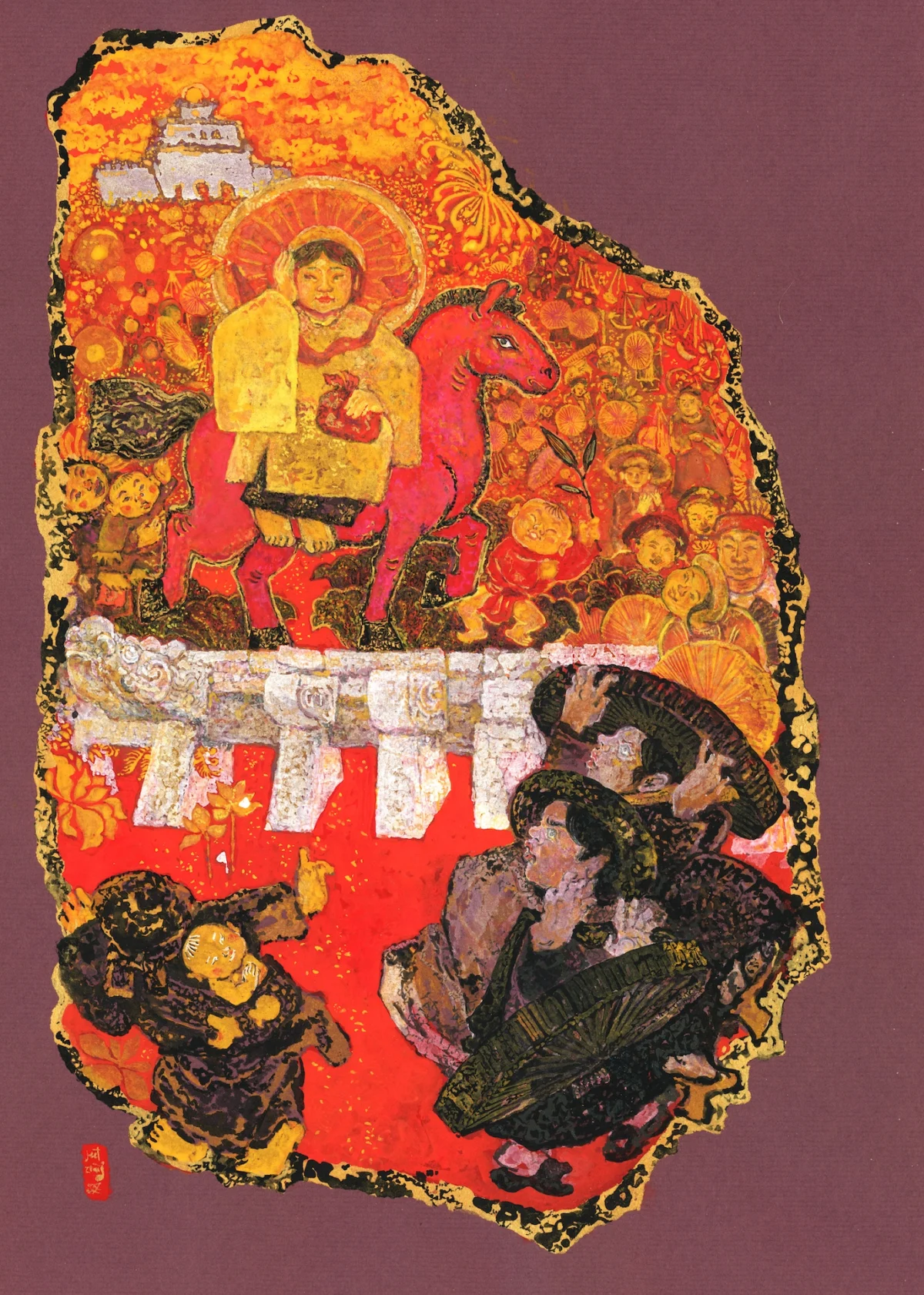
The recent release of Treasury of Vietnamese Folk Tales: Volume 1, a new translation by Nguyễn Bính and Lan Võ of works by Nguyễn Đặng Chi, offers a profound glimpse into the rich tapestry of Vietnamese folklore and its inextricably linked Buddhist heritage. This collection, published by Major Books, transcends mere storytelling, serving as a vital conduit for cultural preservation and a powerful tool for reconnecting diasporic communities with their ancestral roots. The meticulously translated tales, accompanied by vibrant, hand-painted illustrations by Jeet Zdöng, reveal how deeply Buddhist teachings and cosmology have permeated Vietnamese culture, shaping its worldview and moral fabric over centuries.
The impetus behind this significant translation is rooted in the enduring challenge faced by immigrant communities worldwide: the erosion of cultural transmission across generations. As individuals and families migrate, the mother tongue often recedes into a memory, and with it, the rich tradition of oral storytelling and folktales. The author, An Tran, reflects this sentiment, describing a personal journey of grappling with a cultural disconnect stemming from her parents’ arrival in America during the Vietnamese refugee crisis. The exigencies of survival and assimilation meant that storytelling and cultural heritage took a backseat to pragmatic needs. For many Vietnamese Americans of her generation, the early years in the United States were characterized by a drive to fit in, a process that often involved a quiet shame associated with their Vietnamese identity. Vietnamese media was scarce, replaced by bootlegged Chinese productions, offering little in the way of authentic cultural representation. It was only in adulthood, during her graduate studies, that Tran began to confront this cultural void. Her pursuit of writing led her to discover the profound resonance of Vietnamese folklore, even through fragmented and imperfect translations. These tales, she found, began to heal long-unacknowledged traumas and facilitated a reconnection with her heritage, inspiring her own creative endeavors.
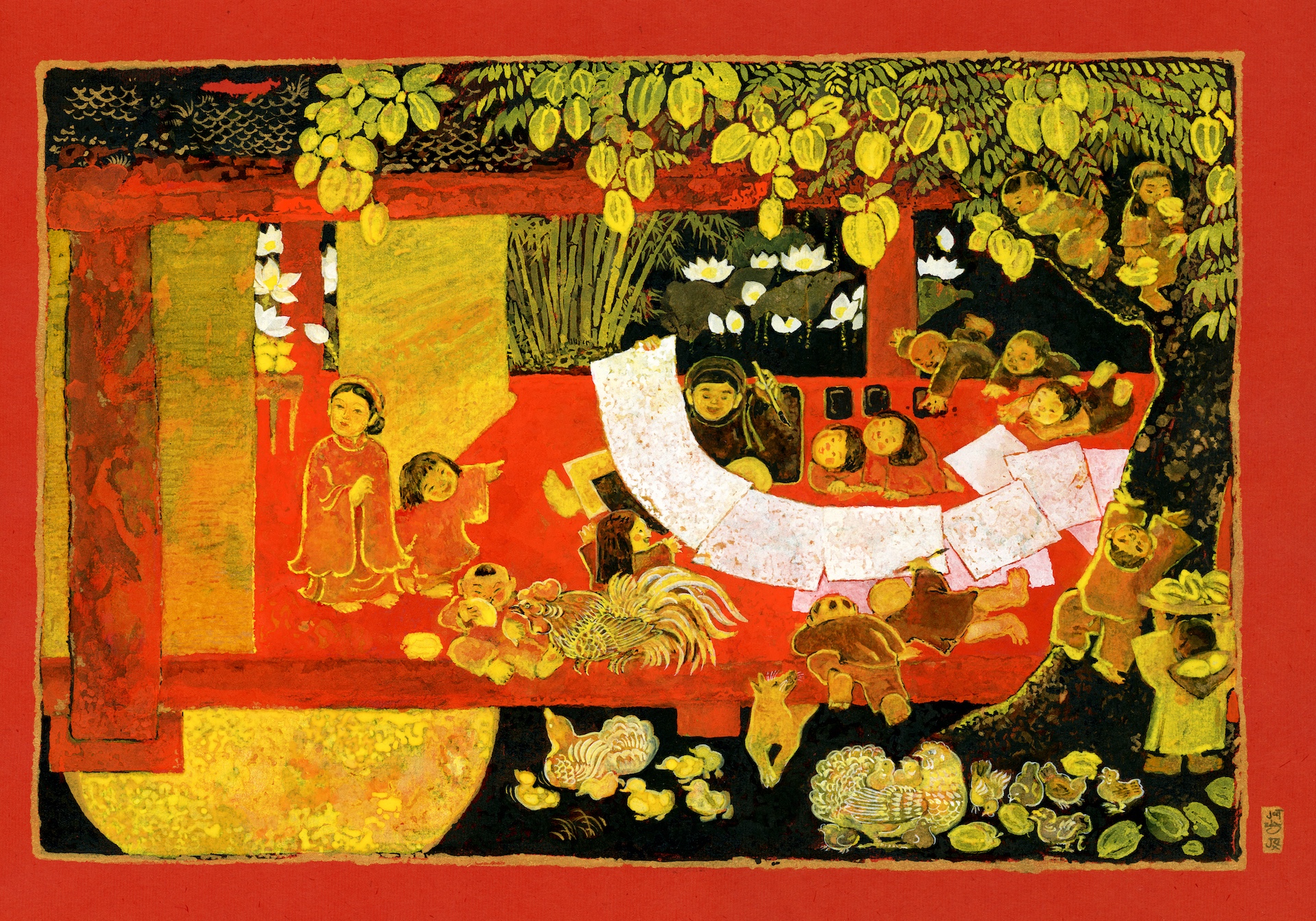
Treasury of Vietnamese Folk Tales: Volume 1 emerges as a timely and invaluable resource for precisely this kind of rediscovery. The collection meticulously gathers popular Vietnamese folktales, presenting them in a format accessible to contemporary readers. A central theme that unfolds across these narratives is the profound and often inseparable integration of Buddhism into the Vietnamese cultural consciousness. The tales are not merely stories; they are vehicles through which Buddhist principles, cosmology, and iconography have been absorbed and woven into the very fabric of Vietnamese identity and perception.
Buddhist Cosmology Woven into Ancient Narratives
The collection’s depth is particularly evident in its exploration of Buddhist themes within seemingly secular narratives. For instance, the second tale, "Mother Lưu Hằng," offers a fascinating case study. In this story, a fairy princess (tiên nữ, often associated with Daoist immortals) is exiled from the celestial realm and subsequently harassed by the Crown Prince of King Lý Thái Tổ. When the king, believing Lưu Hằng to be a demon corrupting his son, invokes the eight Vajrapani generals for intervention, the narrative takes a significant turn. It reveals that these powerful protectors of the dharma were manifested from lotus flowers by Quán Âm, the bodhisattva of compassion, a thousand years prior, to vanquish evil from the East Sea.
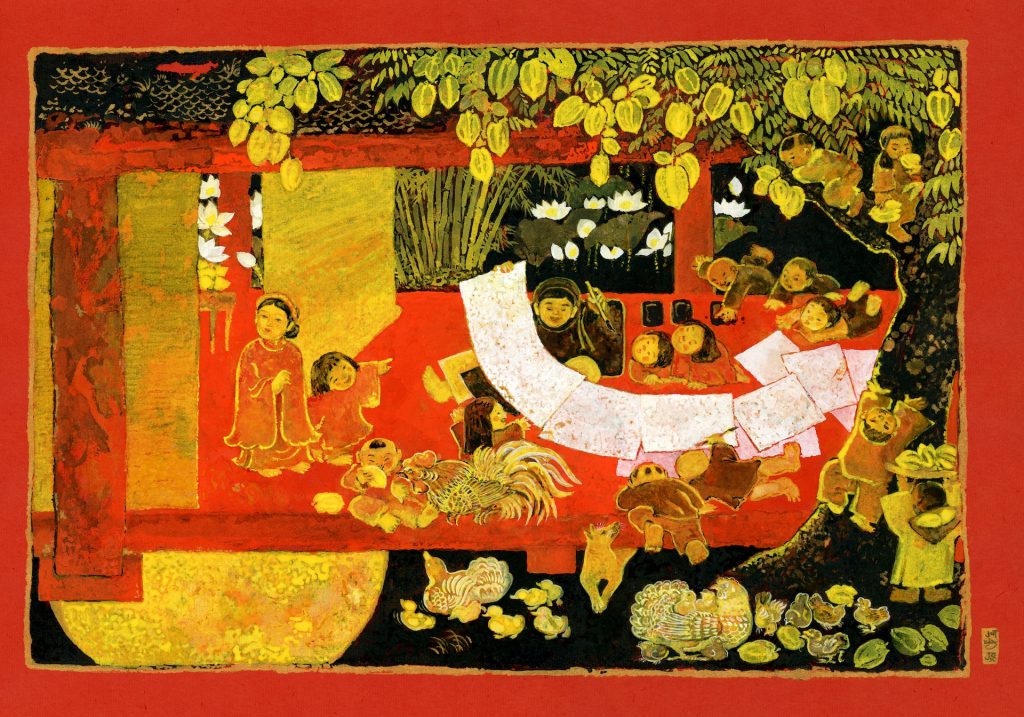
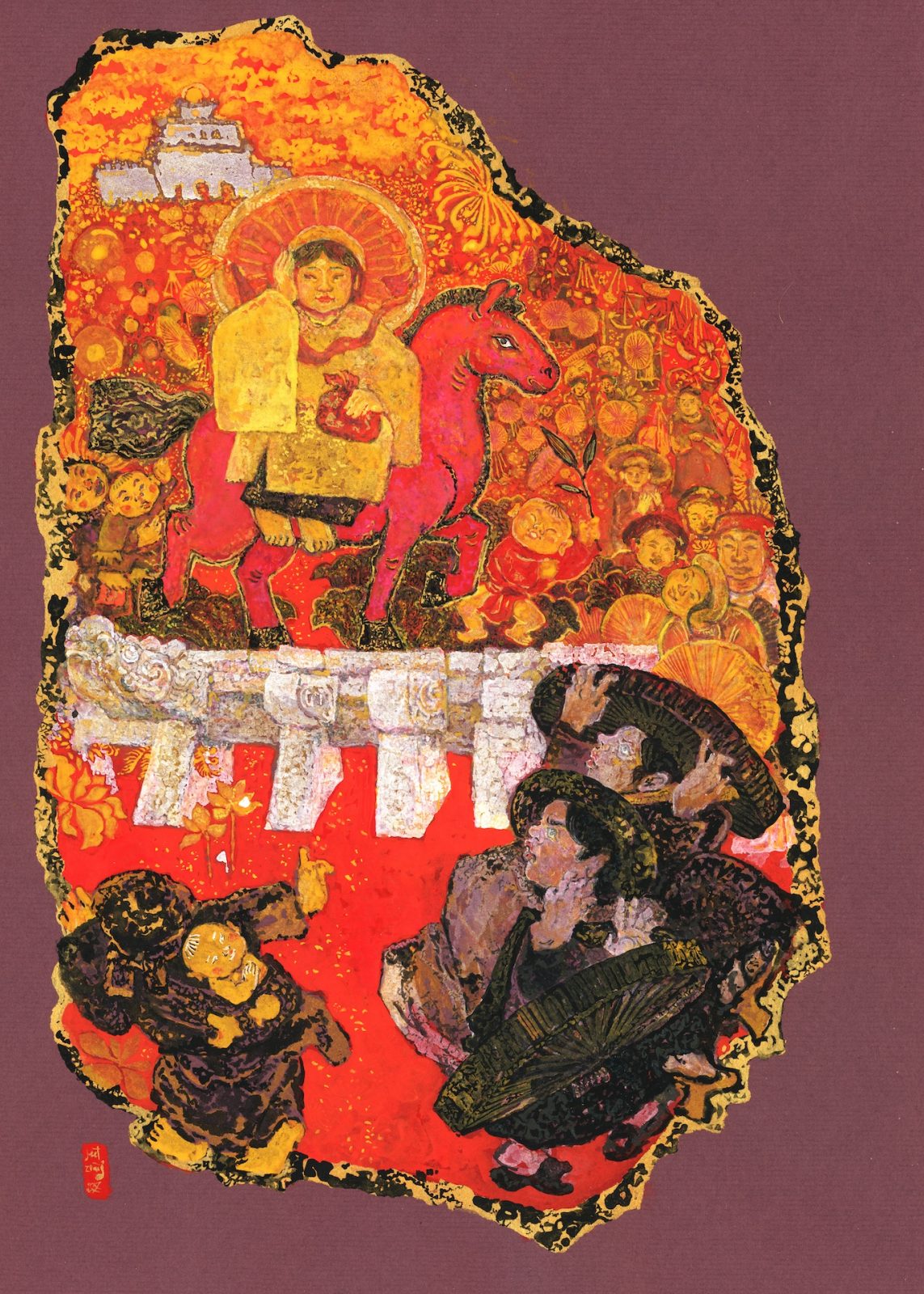
This detail offers a unique insight into Vietnamese Buddhist iconography and practice. While the eight Vajrapani are mentioned in Chinese Buddhist liturgies, their specific depiction and veneration in Vietnamese monasteries and temples hold particular significance. Originating in the Lý dynasty, statues of these eight formidable warrior-spirits are strategically placed in the eight compass directions within Vietnamese temples. This architectural motif, distinct from the more common representation of the four heavenly kings in Chinese Buddhist structures, highlights a unique development in Vietnamese Buddhist art. The artwork accompanying this tale, as with the others, is by Jeet Zdöng, whose hand-painted illustrations draw inspiration from traditional Vietnamese art forms. These depictions are not merely decorative; they visually embody the cultural integration of Buddhist concepts, showcasing celestial realms, vibrant lotuses, and powerful elemental deities engaged in epic battles, mirroring the seasonal cycles and cosmic struggles described in the tales.
The ferocity of the Vajrapani, as portrayed in Vietnamese tradition, is tempered by the compassionate seed from which they are born. Each general is understood to embody an aspect of the Eightfold Path, collectively representing the indomitable strength required to engage with the world compassionately while simultaneously safeguarding the mind from spiritual defilements. This nuanced understanding of dharma protectors, where martial prowess is rooted in boundless compassion, offers a distinctive perspective on Buddhist warrior imagery.
Subverting Patriarchy and Embracing Matrifocal Traditions
Beyond its Buddhist underpinnings, Treasury of Vietnamese Folk Tales also sheds light on Vietnam’s historical societal structure, which scholars describe as originally matrifocal. In this pre-patriarchal society, women held positions of authority, managed property, and often served as political and military leaders. The imposition of patriarchy, largely attributed to Chinese colonialism and Confucianism, did not entirely erase these ingrained societal norms. The domestic sphere, in particular, retained its matrifocal character, with property rights frequently passing through maternal lines. Women traditionally served as the "keepers of the treasure chest" (tay hòm chìa khoá), managing household finances with considerable authority. In many traditional accounts, men were even allocated a small allowance at their wives’ discretion, highlighting a societal structure where financial stewardship was firmly in female hands.
Several folktales within the collection humorously reinforce this societal dynamic. Stories like "A Wise Wife’s Teaching of Her Idiot Husband" and "Madame Dupe" serve as morality fables that justify why men might not be inherently suited to manage household finances. In these narratives, husbands often squander family fortunes through gambling or are victims of clever scams, necessitating their capable wives to reclaim their wealth. These tales not only entertain but also subtly exalt moral values deeply rooted in Vietnam’s Buddhist and Daoist traditions, such as filial piety and generosity towards the sangha. They offer a counterpoint to the Confucian ideal of the "three submissions" imposed upon women, instead championing a Vietnamese social order where husbands defer to their wives and entrust the family’s well-being to their wisdom. This subversion of imported patriarchal norms underscores a unique aspect of Vietnamese social organization, distinguishing it from other Sinosphere cultures.

Enduring Relevance for Modern Audiences
The collection’s impact extends to contemporary audiences, particularly within the Vietnamese diaspora. For Vietnamese Americans who came of age during the 1980s, 1990s, and early 2000s, the book offers a profound opportunity for healing and reconnection. Many in this generation have navigated a complex emotional landscape, moving from adolescent shame and rejection of their heritage to a mature grief over the cultural sacrifices made for assimilation, and now, a deep-seated longing to rebuild and strengthen their ties to their ancestry. This translation provides a tangible means to achieve that goal, offering a sense of urgency to ensure that future generations do not have to alienate themselves from their cultural heritage to feel truly American.
While the book assumes a degree of cultural familiarity, with minimal contextualization provided for figures like the Hung kings, its value lies in its ability to introduce novelty and contrast to familiar Western fairy tale traditions. For parents seeking to immerse their children in Buddhist cultural frameworks, especially in convert households, these tales offer a rich source of moral teachings and cultural understanding. The stories themselves, some dating back hundreds, if not thousands, of years, represent a living tradition that has sustained Vietnamese identity through periods of immense historical upheaval.
The act of reading these tales with young children is presented not just as an act of entertainment but as a profound gesture of honor and respect towards ancestors. By sharing these narratives, families can dedicate their merit to those who came before, fostering a sense of continuity and belonging that transcends geographical and temporal boundaries.
A Catalyst for Cultural Reclamation
The publication of Treasury of Vietnamese Folk Tales: Volume 1 arrives at a critical juncture for many Vietnamese communities. The challenges of cultural assimilation, particularly for immigrant populations who arrived in Western countries during periods of significant geopolitical flux, have created a generational gap in cultural knowledge. The author’s personal narrative resonates deeply with many who experienced similar feelings of shame and disconnect during their formative years. The subsequent adult realization of the profound loss incurred through this cultural severing has ignited a powerful desire for reclamation.
Major Books, in its commitment to preserving and disseminating diverse literary traditions, has provided a vital platform for this resurgence. The translation team, Nguyễn Bính and Lan Võ, have been lauded for their skillful rendering of Chi’s work, capturing the essence and spirit of the original Vietnamese tales. Jeet Zdöng’s illustrations, described as vibrant and fabulous, further enhance the immersive experience, bringing ancient characters and mythical landscapes to life with a contemporary artistic sensibility deeply rooted in Vietnamese aesthetics.
The implication of this work is far-reaching. It not only serves as an educational resource but also as a catalyst for intergenerational dialogue and cultural revitalization. By making these foundational stories accessible in English, the book empowers parents to share a critical part of their heritage with their children, bridging the gap created by assimilationist pressures. The tales, with their inherent Buddhist wisdom and uniquely Vietnamese social commentary, offer a powerful counter-narrative to dominant cultural paradigms, celebrating resilience, feminine strength, and the enduring spiritual core of Vietnamese identity. As the author concludes, the simple act of sharing a fairy tale becomes a powerful ritual, honoring the past and investing in the cultural future of a community.

