

In an era defined by demanding schedules and the constant pursuit of efficiency, the scientific consensus on optimizing physical fitness points decisively towards compound exercises. This foundational training methodology offers a powerful solution for individuals seeking to elevate their fitness, build functional strength, and enhance overall well-being within constrained timeframes. Far from being a niche concept, compound movements are increasingly recognized by sports scientists and fitness professionals as the cornerstone of effective and sustainable physical conditioning.
Understanding Compound Versus Isolation Exercises: A Foundational Distinction
At the heart of modern exercise science lies the fundamental distinction between compound and isolation exercises. Isolation exercises, as their name suggests, target a single muscle group, often utilizing machines designed to restrict movement to a specific joint (e.g., bicep curls, leg extensions). While these can be valuable for specific aesthetic goals, rehabilitation, or correcting muscle imbalances, their scope is inherently limited.
Compound exercises, conversely, are multi-joint movements that engage several muscle groups simultaneously across multiple joints. Think of a squat, which activates the quadriceps, hamstrings, glutes, core, and even calf muscles all at once. This integrated approach mirrors the natural movements of the human body in daily life and athletic endeavors, making them highly effective for developing holistic strength and coordination. The scientific rationale for prioritizing compound movements stems from their ability to simulate real-world physical demands, fostering a more robust and adaptable physique.
The Scientific Imperative: Why Compound Exercises Deliver Superior Results
The claim that compound exercises are significantly more efficient—up to 3.5 times more effective than traditional isolated workouts, as cited in various studies—is rooted in several physiological advantages:
-
Elevated Metabolic Demand and Calorie Expenditure: Engaging multiple large muscle groups concurrently necessitates a much higher energy output during the workout itself. This heightened metabolic demand translates directly to more calories burned per unit of time compared to isolation exercises. Furthermore, the body’s recovery process post-compound workout, known as Excess Post-exercise Oxygen Consumption (EPOC) or the "afterburn effect," is considerably greater. This means your body continues to burn calories at an elevated rate for hours after you’ve finished exercising, contributing significantly to fat loss and overall energy expenditure.
-
Enhanced Hormonal Response: Compound exercises, especially those involving heavy loads or high intensity (even bodyweight can be high intensity when performed dynamically), stimulate a more robust release of anabolic hormones such as growth hormone (GH) and testosterone. These hormones are crucial for muscle protein synthesis, tissue repair, and fat metabolism. A greater systemic hormonal response accelerates muscle growth, strength gains, and the body’s ability to recover and adapt.
-
Improved Functional Strength and Neuromuscular Coordination: Functional strength refers to the ability to perform real-world tasks efficiently and safely. Compound movements intrinsically train muscles to work together in coordinated patterns, mimicking actions like lifting, pushing, pulling, bending, and carrying. This improves inter-muscular coordination (how different muscles work together) and intra-muscular coordination (how effectively muscle fibers within a single muscle contract). The result is not just stronger muscles, but a stronger, more agile, and more resilient body better equipped for daily life, sports, and injury prevention.
-
Time Efficiency: For individuals with limited time, the efficiency of compound exercises is paramount. A full-body compound workout can achieve results that would otherwise require multiple sessions focusing on isolated muscle groups. This makes fitness accessible and sustainable for busy lifestyles, removing a common barrier to consistent exercise.
A Brief Chronology: The Evolution of Strength Training Philosophy
While the concept of compound movements is ancient—rooted in the fundamental human movements necessary for survival and labor—their scientific validation and integration into mainstream fitness have evolved.
- Ancient Times: Early forms of physical training, from ancient Greek athletics to military conditioning, inherently relied on full-body, multi-joint movements like running, jumping, throwing, and wrestling. There was no concept of "isolating" a bicep; strength was holistic.
- Early 20th Century: The rise of competitive weightlifting and strongman competitions emphasized compound lifts such as squats, deadlifts, and overhead presses, recognizing their unparalleled ability to build maximal strength.
- Mid-20th Century (1960s-1980s): The burgeoning bodybuilding culture and the development of sophisticated resistance machines led to a greater focus on isolation exercises. The goal shifted from purely functional strength to hypertrophy (muscle growth) and sculpting individual muscle groups for aesthetic appeal.
- Late 20th Century to Present: A renewed emphasis on functional fitness, sports performance, and injury prevention, driven by advancements in sports science and biomechanics, has seen a resurgence in the prominence of compound exercises. Methodologies like CrossFit, functional training, and comprehensive strength and conditioning programs for athletes are built almost entirely on compound movements. This shift reflects a deeper understanding of human movement and the integrated nature of the musculoskeletal system. Fitness organizations like the American Council on Exercise (ACE) and the National Strength and Conditioning Association (NSCA) consistently advocate for compound movements as the foundation of effective training programs.
Comprehensive Benefits: Beyond the Basics
The advantages of incorporating compound exercises extend far beyond mere muscle gain and calorie burn:
- Improved Cardiovascular Health: The intense nature of compound movements often elevates heart rate significantly, providing a cardiovascular workout alongside strength training benefits. This contributes to better heart health and endurance.
- Enhanced Bone Density: Weight-bearing compound exercises, such as squats and lunges, place stress on bones, stimulating osteogenesis (bone formation) and improving bone mineral density. This is crucial for preventing osteoporosis, particularly as individuals age.
- Better Balance and Stability: By engaging core muscles and requiring coordination across multiple joints, compound exercises significantly improve balance and proprioception (the body’s sense of its position in space). This reduces the risk of falls and enhances athletic performance.
- Increased Flexibility and Mobility: Performing exercises through a full range of motion, as is common with compound movements, can improve joint flexibility and overall mobility, counteracting the stiffness often associated with sedentary lifestyles.
- Reduced Risk of Injury: By strengthening supporting muscles, improving movement patterns, and enhancing overall body awareness, compound exercises build a more resilient body, less prone to injuries from daily activities or sports.
Practical Application: Five Core Bodyweight Compound Movements
One of the most appealing aspects of compound exercises is that many can be performed with just your bodyweight, requiring no specialized equipment or gym membership. This accessibility makes them ideal for anyone looking to start or enhance their fitness journey. Here are five foundational compound movements, along with detailed execution tips:
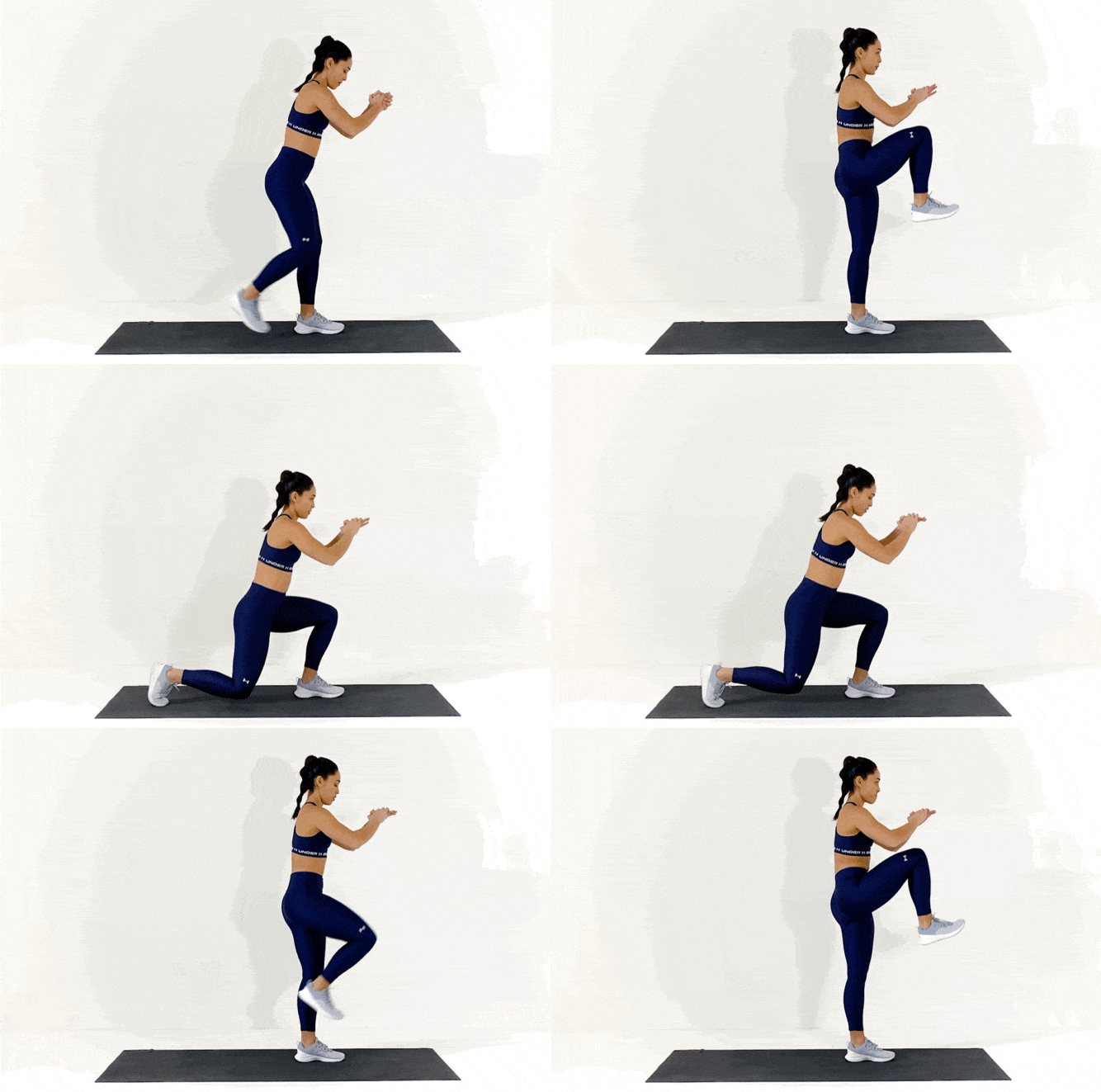
1. Reverse Lunge with a Knee Drive
This dynamic exercise powerfully works the lower body and integrates a cardiovascular element.
- Execution: Start standing tall. Step one foot directly backward, lowering your hips until both knees are bent at approximately a 90-degree angle. Ensure your front knee is stacked over your ankle and your back knee hovers just above the ground. Push off your back foot to return to the standing position, simultaneously driving the back knee forward and upward towards your chest in a controlled motion. Maintain balance and a strong core throughout.
- Muscles Targeted: Quadriceps, glutes, hamstrings, hip flexors, calves, and core stabilizers.
- Benefits: Improves unilateral leg strength, balance, hip mobility, and cardiovascular endurance.
- Progression: Hold dumbbells in each hand or perform the movement faster for a greater cardio challenge.
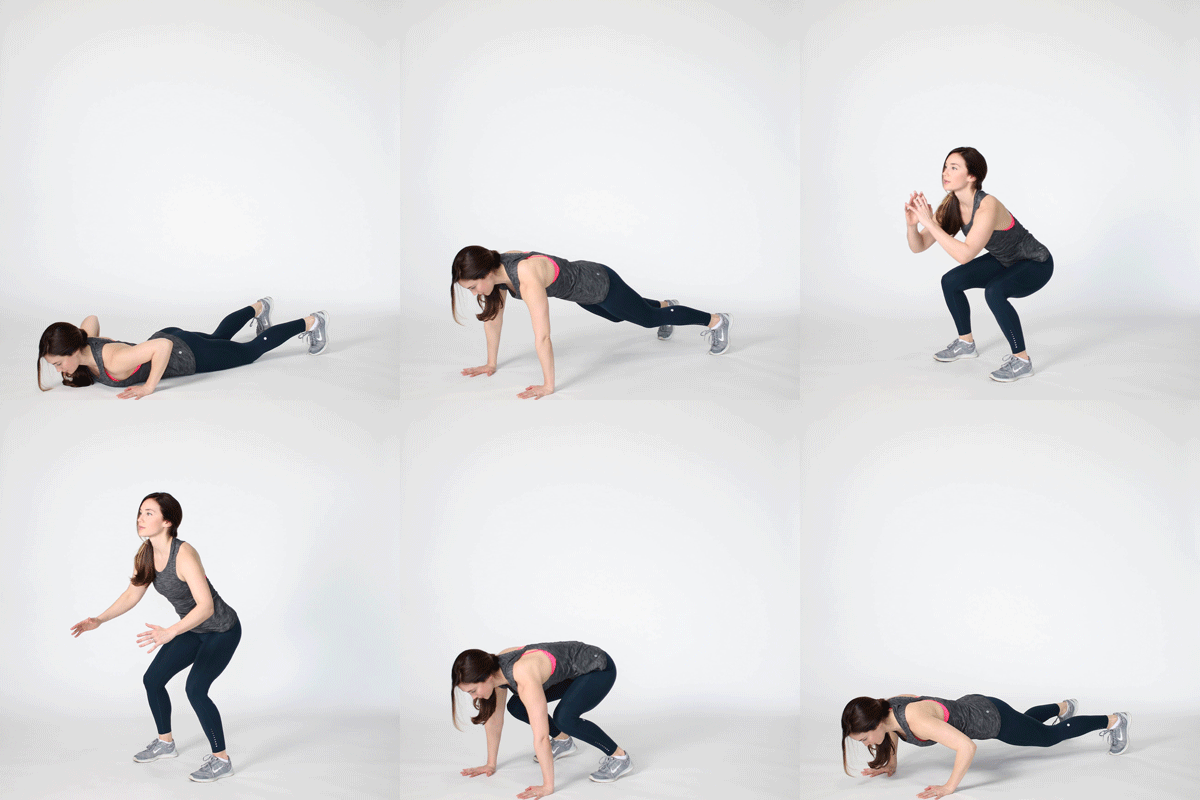
2. Burpees
Often lauded as the ultimate full-body conditioning exercise, the burpee combines strength, power, and cardio into one fluid movement.
- Execution: Begin standing. Squat down and place your hands on the floor in front of you. Kick your feet back into a plank position. Perform a push-up (optional, but highly recommended for full effect). Jump your feet back towards your hands. Explode upward into a jump, reaching your arms overhead.
- Muscles Targeted: Chest, shoulders, triceps, quadriceps, hamstrings, glutes, core, and hip flexors.
- Benefits: Exceptional for cardiovascular fitness, explosive power, muscular endurance, and full-body strength.
- Progression: Add a chest-to-ground push-up, jump higher, or perform consecutively with minimal rest.
- Regression: Remove the push-up, step feet back instead of jumping, or remove the final jump.
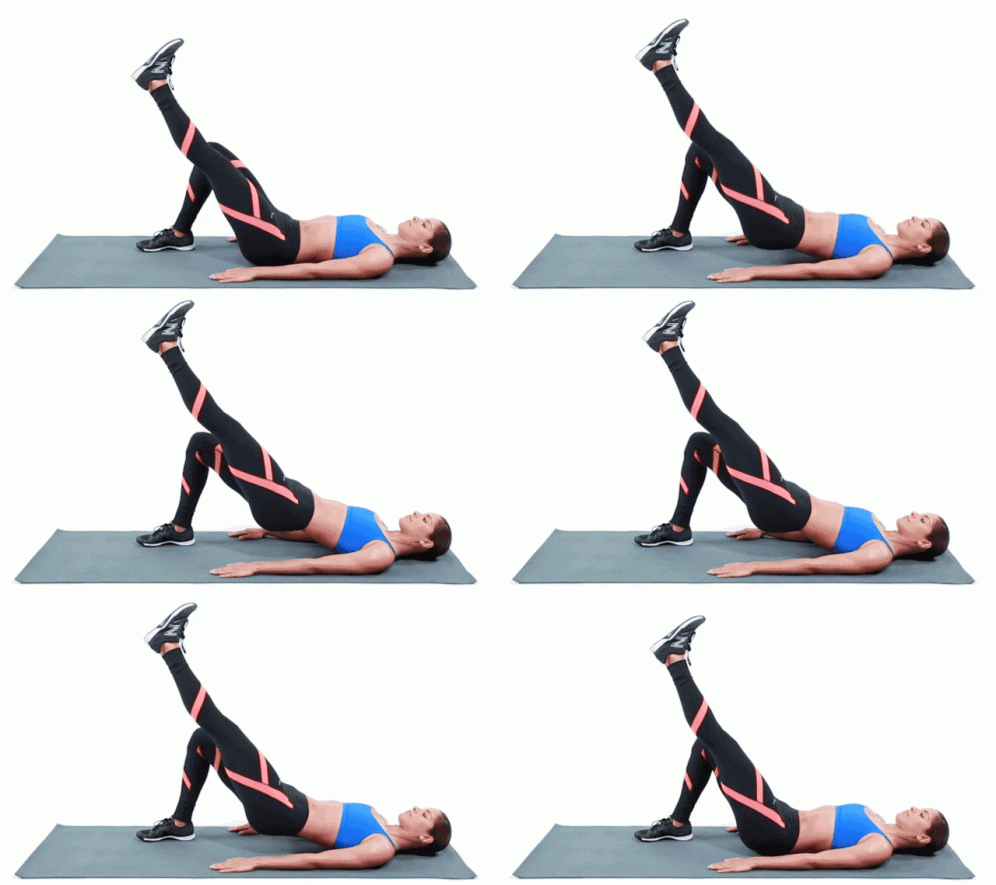
3. Single-Leg Bridge
An excellent exercise for targeting the glutes, hamstrings, and core stabilizers, particularly beneficial for addressing muscle imbalances.
- Execution: Lie on your back with knees bent, feet flat on the floor close to your glutes, and arms by your sides. Extend one leg straight up towards the ceiling. Engaging your glutes and core, lift your hips off the floor until your body forms a straight line from your shoulders to your raised foot. Slowly lower your hips back down without touching the floor, maintaining tension in the working glute.
- Muscles Targeted: Gluteus maximus, hamstrings, erector spinae, and core stabilizers.
- Benefits: Strengthens the posterior chain, improves hip extension, enhances core stability, and corrects muscular imbalances between legs.
- Repetitions: Aim for 10-12 repetitions on each side before switching.
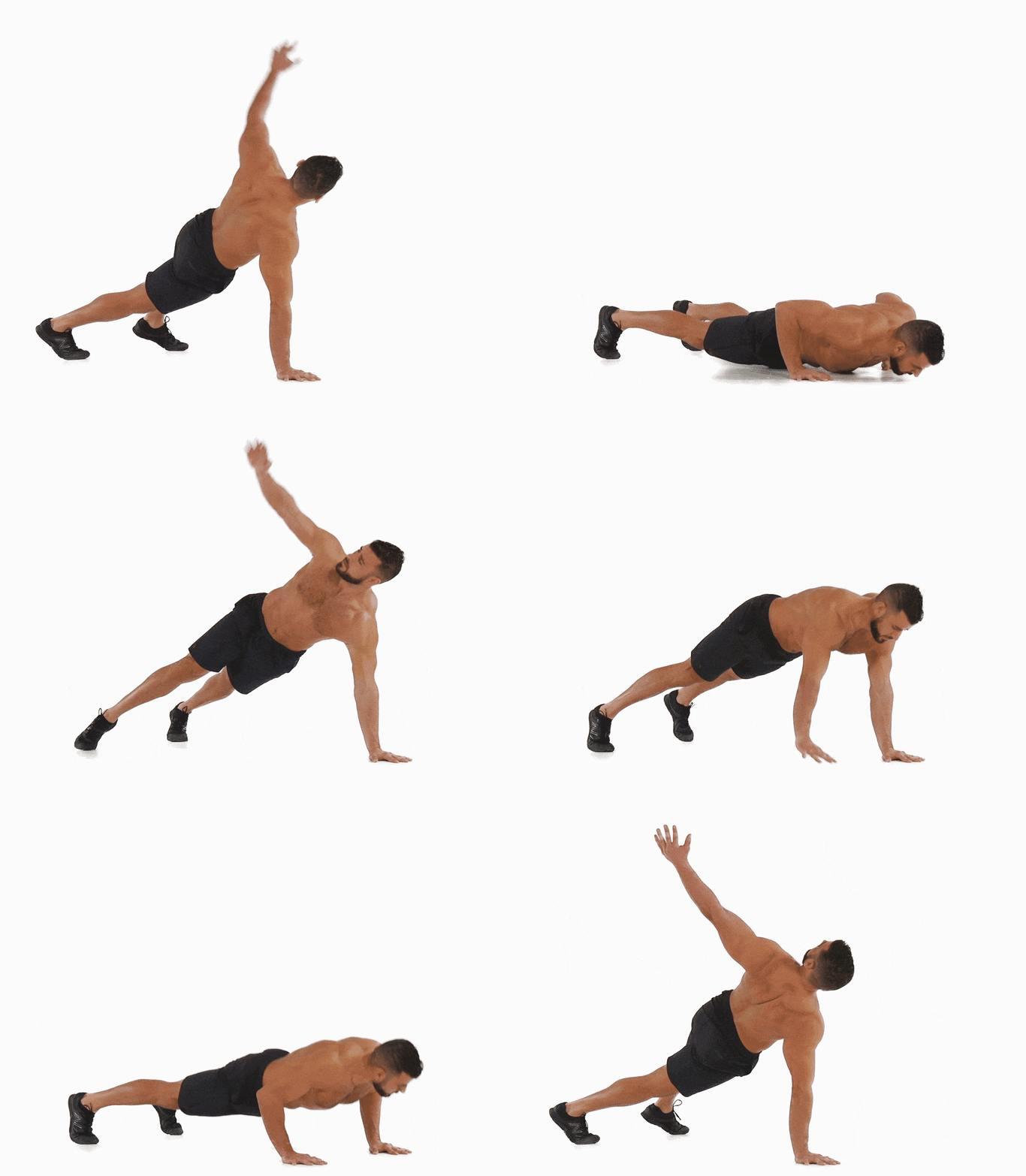
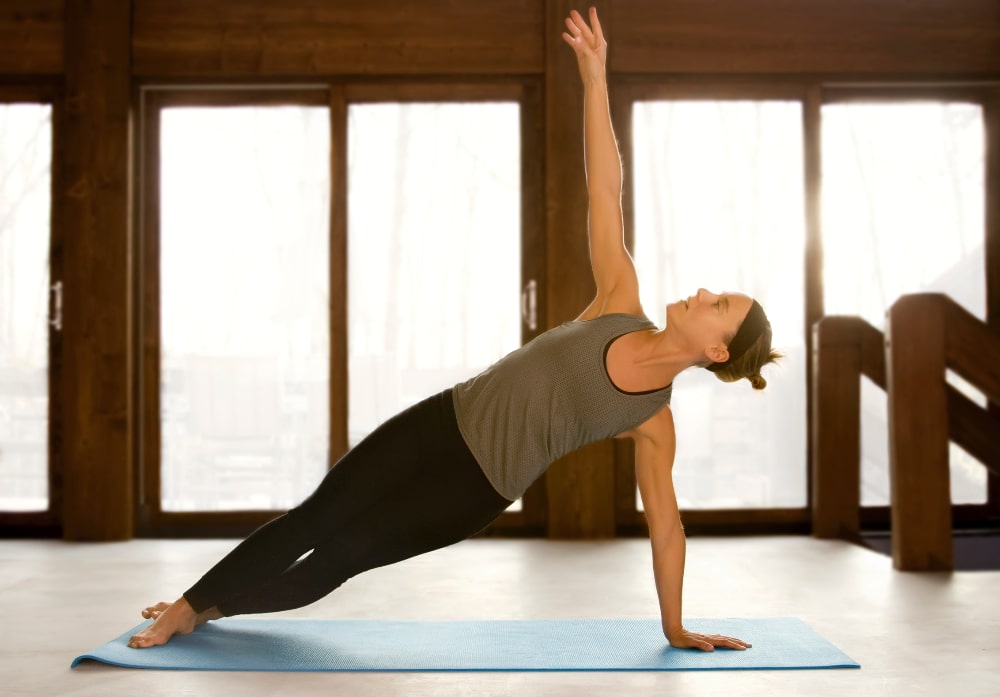
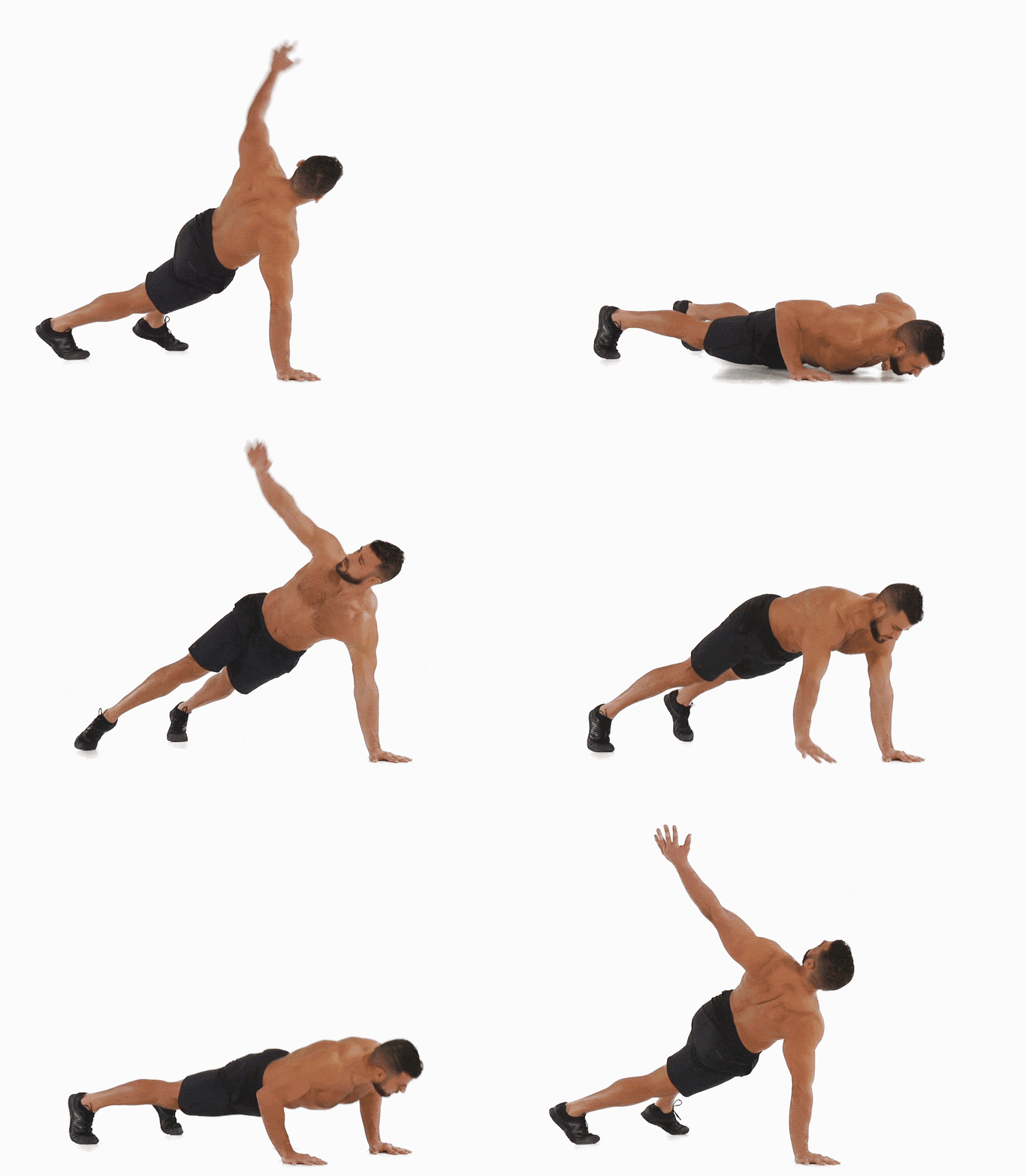
4. Push-Up and Rotate
This variation of the classic push-up adds a rotational element, challenging your core stability and upper body strength.
- Execution: Start in a strong plank position, hands directly under your shoulders. Perform a full push-up. As you push back up to the starting plank, shift your weight onto one hand and rotate your torso, extending the opposite arm straight up towards the ceiling. Your body should form a "T" shape. Return to the plank position and repeat on the other side.
- Muscles Targeted: Chest, shoulders, triceps, core (especially obliques), and back stabilizers.
- Benefits: Develops upper body strength, improves core rotational stability, and enhances shoulder mobility.
- Progression: Increase the number of repetitions, slow down the movement, or incorporate a pause at the top of the rotation.
- Regression: Perform push-ups on your knees, or perform the rotation without the push-up.
5. Air Squat
The air squat is a fundamental movement pattern that strengthens the entire lower body and improves mobility.
- Execution: Stand with your feet shoulder-width apart, toes pointing slightly outward. Keep your chest up, shoulders back, and core engaged. Initiate the movement by pushing your hips back as if sitting in a chair, while simultaneously bending your knees. Descend until your thighs are at least parallel to the ground (or deeper if mobility allows), ensuring your heels remain grounded and your knees track in line with your toes. Drive through your heels to return to the standing position, squeezing your glutes at the top.
- Muscles Targeted: Quadriceps, glutes, hamstrings, adductors, and core.
- Benefits: Builds foundational lower body strength, improves hip and ankle mobility, and enhances overall body mechanics.
- Progression: Perform jump squats, slow down the eccentric (lowering) phase, or eventually add external resistance like a backpack or dumbbells.
Designing an Effective Compound Exercise Routine
To maximize the benefits, consider these guidelines for structuring your workouts:
- Frequency: Aim for 2-4 full-body compound workouts per week, allowing for adequate rest and recovery between sessions.
- Sets and Reps: For general fitness and strength, 3-4 sets of 8-15 repetitions per exercise are effective. For endurance, higher reps (15-20+) may be appropriate.
- Progressive Overload: To continue seeing results, gradually increase the challenge over time. This can mean more reps, more sets, faster execution, deeper range of motion, or eventually adding external weight (dumbbells, resistance bands).
- Warm-up and Cool-down: Always begin with 5-10 minutes of light cardio and dynamic stretches, and end with static stretches to improve flexibility and aid recovery.
Safety First: The Importance of Form and Professional Guidance
While highly effective, compound exercises, especially when performed incorrectly, carry a risk of injury. The multi-joint nature means that poor form can place undue stress on joints, ligaments, and tendons.
- Mastering Form: Prioritizing correct technique over speed or intensity is paramount. It is far better to perform fewer repetitions with perfect form than many with sloppy execution. Utilize mirrors, record yourself, or work with a partner to observe your movements.
- Professional Expertise: For those new to compound exercises or fitness in general, consulting a certified personal trainer (CPT) is highly recommended. A CPT can:
- Assess your current fitness level and mobility.
- Teach proper form for each exercise, providing real-time feedback and corrections.
- Design a personalized program tailored to your goals and limitations.
- Identify potential muscular imbalances or movement dysfunctions that could lead to injury.
- Guide you through safe and effective progressive overload.
- Listen to Your Body: Pay attention to pain signals. While muscle soreness (DOMS) is normal, sharp or persistent pain indicates a problem. Rest, modify the exercise, or seek professional advice if pain persists. Start with bodyweight and gradually increase intensity and resistance as your strength and form improve.
Broader Impact and Societal Implications
The growing emphasis on compound exercises carries significant implications for public health, the fitness industry, and individual well-being:
- Public Health: Promoting compound, functional movements can be a powerful tool in combating sedentary lifestyles and the associated health crises, including obesity, type 2 diabetes, and cardiovascular disease. Accessible bodyweight routines can empower individuals to take control of their health without financial barriers to gym memberships or equipment.
- Fitness Industry Evolution: The shift towards compound exercises influences gym design (more open spaces for functional training, fewer isolation machines), personal training methodologies (emphasis on movement patterns over isolated muscles), and the development of fitness programs that prioritize holistic strength and athleticism.
- Longevity and Quality of Life: Maintaining functional strength and mobility through compound exercises is crucial for healthy aging. The ability to perform daily tasks independently, prevent falls, and maintain an active lifestyle well into old age directly contributes to an enhanced quality of life and reduced healthcare burdens.
Frequent Questions About Compound Exercises
What Are The Best Compound Exercises For Weight Loss?
For weight loss, the most effective strategy combines cardiovascular health with significant strength training. Compound exercises excel here because they maximize calorie expenditure during and after the workout (EPOC) and build lean muscle mass. Muscle is metabolically active, meaning it burns more calories at rest than fat tissue, thus increasing your basal metabolic rate. Excellent bodyweight compound exercises for weight loss include burpees, jump squats, mountain climbers, and dynamic lunges. Incorporating these into a circuit training format can further amplify calorie burn. When weights are introduced, exercises like squats, deadlifts, overhead presses, and rows become invaluable.
What Are The Best Compound Exercises For The Legs?
Legs are a powerhouse of large muscle groups, making them ideal for compound training.
- Squats (Air Squat, Jump Squat, Goblet Squat with weight): Work quadriceps, hamstrings, glutes, and calves. They are fundamental for lower body strength and power.
- Lunges (Forward, Reverse, Lateral, Walking): Excellent for unilateral strength, targeting quads, glutes, and hamstrings, while also improving balance and stability.
- Deadlifts (Romanian Deadlift, Conventional Deadlift – with or without weight): Primarily target hamstrings, glutes, and the entire posterior chain, building immense strength and improving posture.
- Step-Ups: Target glutes and quads, also improving single-leg strength and balance.
Incorporating a variety of these movements ensures comprehensive development of the lower body.
What Are The Best Compound Exercises For Back Pain?
Addressing back pain often involves strengthening the core and the muscles of the posterior chain, while improving movement patterns. It is crucial to perform these with impeccable form to avoid exacerbating pain.
- Bodyweight Squats: Strengthen the glutes and legs, which are often weak links contributing to back pain, and improve hip mobility.
- Glute Bridges (Single-Leg Bridge, Two-Leg Bridge): Directly strengthen the glutes and hamstrings, supporting the lower back.
- Bird-Dog: A fantastic core stability exercise that strengthens the erector spinae and deep core muscles without spinal flexion.
- Bodyweight Deadlifts (or with very light weight): Focus on the hip hinge movement pattern, which is crucial for lifting objects safely and strengthening the posterior chain. Emphasis here is on form and engaging the glutes and hamstrings, not heavy lifting.
- Push-Ups (with strong core engagement): While primarily upper body, a well-executed push-up requires significant core stability, which supports the spine.
Always consult a healthcare professional or physical therapist before starting any new exercise program if you have pre-existing back pain.
In conclusion, compound exercises stand as a proven, highly efficient, and foundational method for achieving comprehensive fitness. By embracing movements that mirror the body’s natural functions, individuals can unlock greater strength, enhance metabolic health, improve functional capacity, and optimize their overall well-being. In a world where time is a premium, the strategic integration of compound training offers a powerful pathway to sustainable health and vitality.
Sources: Andrews E. (2015), Garber CE, et al. (2011), Hwang-Bo Kak, et al. (2013). Further research by organizations such as the American Council on Exercise (ACE) and the National Strength and Conditioning Association (NSCA) consistently supports the efficacy and benefits of compound exercises in comprehensive fitness programs.

