

Androgenic alopecia, commonly known as male or female pattern hair loss, affects a significant portion of the global population and is a frequent concern for dermatologists. Characterized by progressive thinning of hair, primarily on the central scalp, this condition impacts self-esteem and quality of life for millions. While pharmaceutical interventions and supplements have long been the focus of treatment strategies, emerging research is shedding light on the potential of dietary interventions, suggesting that everyday foods might play a more substantial role in managing hair loss than previously understood. Recent scientific inquiries are exploring the efficacy of ingredients found in hot peppers, soy products, and pumpkin seeds, offering a promising, food-based approach to combating this pervasive issue.
The Gut-Microbiome Connection to Hair Growth
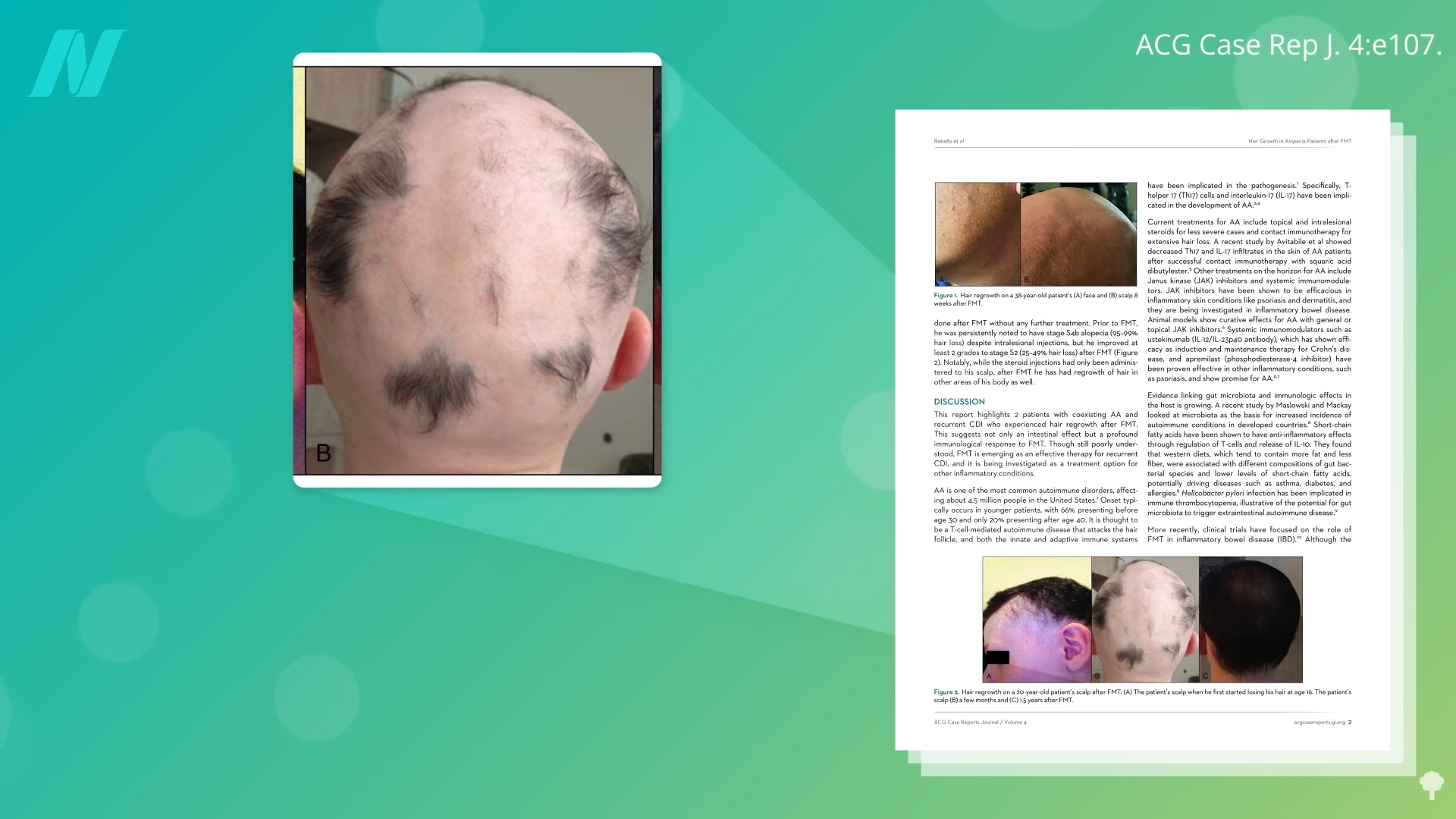
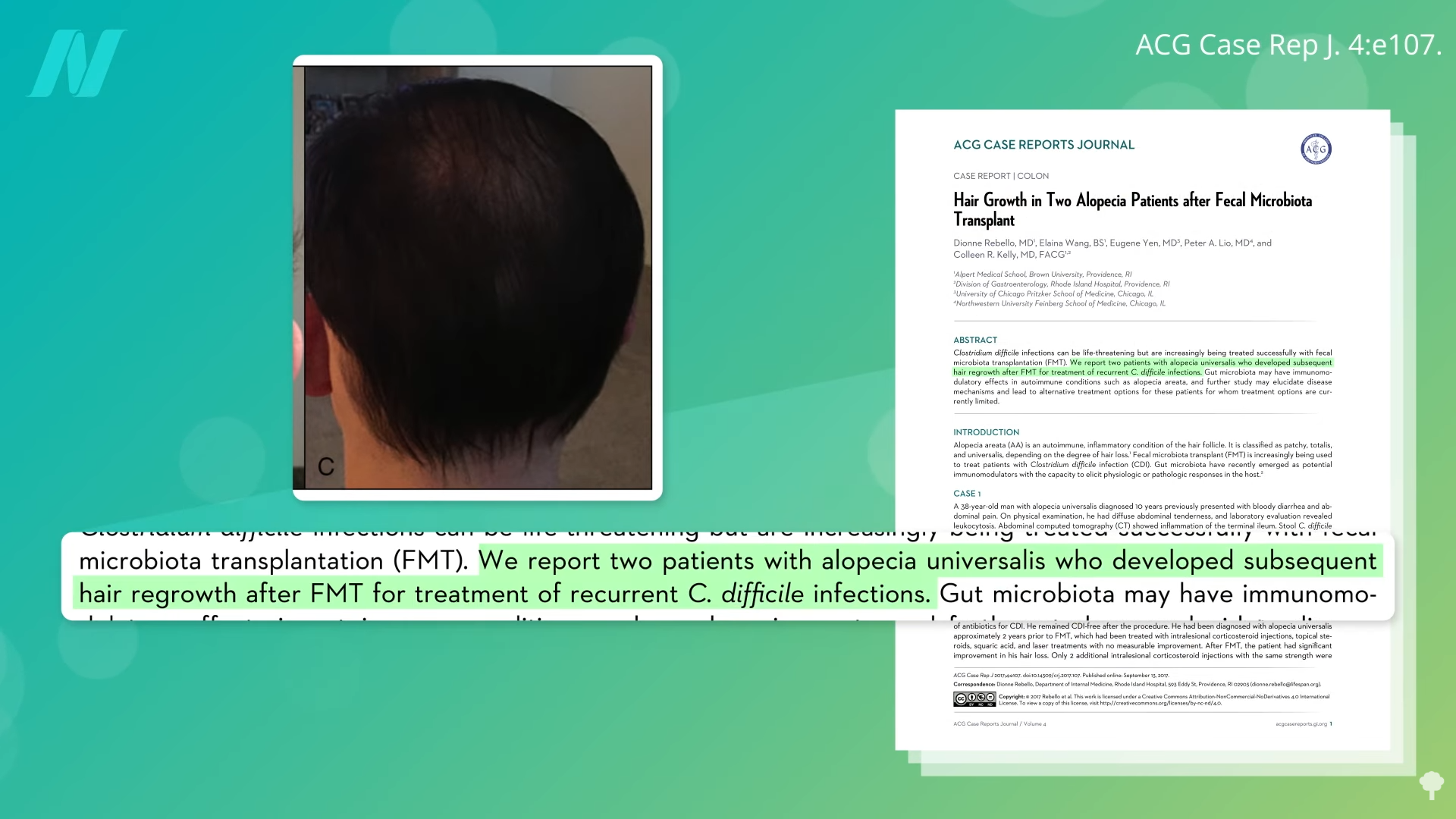
The intricate relationship between the human gut microbiome and overall health is increasingly becoming a focal point of scientific investigation. Fecal microbiota transplantation (FMT) studies, initially explored for various gastrointestinal conditions, have yielded unexpected insights into hair regrowth. In some remarkable cases, individuals experiencing complete baldness have shown significant hair regeneration following FMT. These instances, documented in clinical observations, suggest a powerful, indirect influence of gut health on the hair growth cycle. The success of FMT in promoting hair regrowth underscores the critical role of a balanced and diverse gut microbial ecosystem, implying that nurturing these internal communities through diet could be a key strategy for promoting healthier hair. This groundbreaking observation shifts the paradigm from topical or systemic treatments to a more holistic approach, emphasizing the body’s internal environment.
Dietary Associations and Population Studies
Population-based studies have begun to draw correlations between dietary habits and the prevalence of androgenic alopecia. Research indicates that male pattern baldness is often associated with less healthy lifestyle choices, including poor sleep patterns and a higher consumption of processed meats and "junk food." Conversely, protective associations have been identified with diets rich in raw vegetables, fresh herbs, and notably, soymilk. One significant finding highlighted that individuals consuming soy beverages on a weekly basis exhibited a 62% lower likelihood of experiencing moderate to severe hair loss. This suggests the presence of beneficial plant-derived compounds within soy that may confer a protective effect against hair thinning. The consistent consumption of such plant-based foods, rich in various micronutrients and bioactive compounds, appears to contribute to a more robust hair follicle environment.
Critically Evaluating Alternative Treatments
The landscape of hair loss treatment is often populated by claims of miraculous cures through complementary and alternative medicine (CAM). While many CAM therapies boast "safe" and "side-effect-free" solutions, a critical review of the scientific literature is essential. Many studies that appear to support these claims are based on experiments conducted on shaved rodents, which may not accurately reflect human physiology. Furthermore, human clinical trials sometimes lack robust methodologies, such as placebo controls, making it difficult to ascertain whether observed improvements are due to the intervention itself or other confounding factors. This underscores the importance of evidence-based research and randomized, placebo-controlled trials to validate the efficacy of any proposed treatment, including dietary interventions.
The Power of Capsaicin and Soy Isoflavones
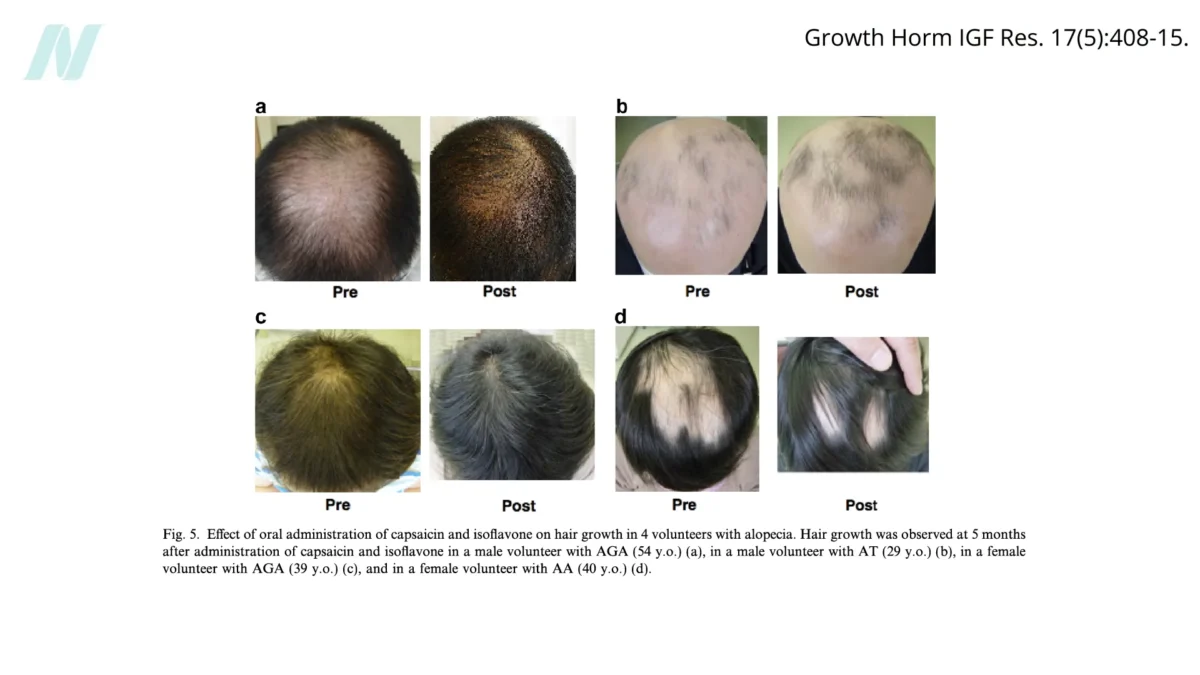
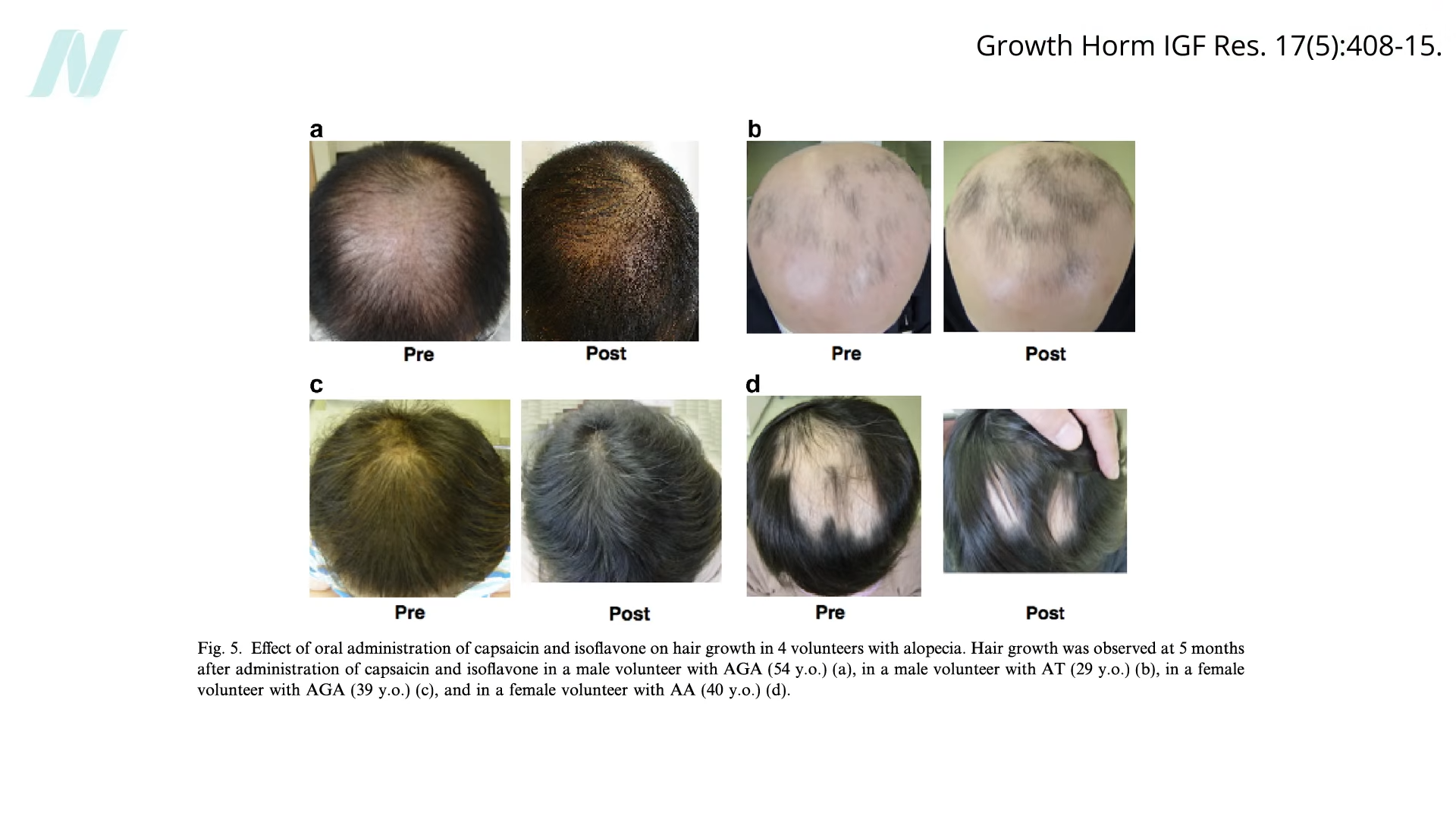
Scientific inquiry has moved beyond observational studies to conduct rigorous clinical trials. One such randomized, double-blind, placebo-controlled study investigated the effects of compounds found in hot peppers and soy on hair growth, reporting significantly positive outcomes. The study involved administering a daily dose of 6 milligrams of capsaicin, the active compound in chili peppers, and 75 milligrams of isoflavones, derived from soy.
To put these dosages into perspective, 6 milligrams of capsaicin can be obtained from approximately a quarter of a fresh jalapeño pepper, a readily accessible amount for many individuals. The 75 milligrams of isoflavones can be consumed through about three-quarters of a cup of tempeh or directly from soybeans. Soy nuts, while a concentrated source, are noted to potentially form advanced glycation end-products when prepared at high temperatures with high fat and protein content. Therefore, moderation and preferred preparation methods, such as steaming or boiling, are advised for regular consumption of soy products to maximize benefits and minimize potential downsides. The findings from this study suggest that specific components within these common foods can actively promote hair growth.
Pumpkin Seed Oil: A Promising Anti-Androgen
Further research has explored the potential of pumpkin seed oil in combating hair loss, building upon earlier observations related to benign prostatic hyperplasia (BPH). A 2009 South Korean study demonstrated that men with BPH who consumed 320 milligrams of pumpkin seed oil daily experienced improved urinary flow rates. This finding suggested an anti-androgenic effect, a mechanism that could be relevant to hair loss, as many forms of alopecia are linked to hormonal influences.
Building on this, a randomized, double-blind, placebo-controlled trial specifically investigated the impact of pumpkin seed oil on male pattern baldness. In this study, 76 men were divided into two groups: one receiving 400 milligrams of pumpkin seed oil daily (encapsulated and disguised to be indistinguishable from placebo), and the other receiving a placebo. After 24 weeks, the group consuming pumpkin seed oil reported significantly higher self-rated improvements and satisfaction scores. Objectively, this group experienced a 40% increase in hair counts, compared to only a 10% increase in the placebo group. Investigators, blinded to group assignments, also rated the pumpkin seed oil group as showing significant improvement, while the placebo group showed slight worsening over the study period. Notably, 95% of participants in the pumpkin seed oil group were rated as unchanged or improved, in contrast to over 90% in the placebo group who were classified as unchanged or worsened. Crucially, assessments for erectile dysfunction showed no adverse effects associated with pumpkin seed oil consumption, alleviating potential concerns about sexual side effects.
The daily intake of 400 milligrams of pumpkin seed oil is equivalent to consuming the oil from approximately two to two and a half pumpkin seeds. This suggests that incorporating a small number of pumpkin seeds into one’s diet could potentially offer similar benefits. It is noteworthy that many of us discard pumpkin seeds, squash seeds, and watermelon seeds, overlooking their rich nutritional profile, which may include compounds beneficial for hair health.
Implications and Future Directions
The findings from these studies offer a compelling argument for the integration of specific foods into dietary strategies aimed at managing hair loss. The research suggests that a diet incorporating hot peppers, soy products, and pumpkin seeds may provide a natural and accessible means of promoting hair growth and reducing hair thinning. These dietary recommendations align with broader principles of healthy eating, emphasizing whole, unprocessed foods.
This investigation into dietary interventions represents the final segment of a three-part series examining hair loss and growth, following explorations into the efficacy and risks of hair growth supplements and pharmaceutical drugs. The cumulative evidence points towards a significant, yet often underestimated, role of nutrition in maintaining hair health.
Doctor’s Note and Daily Dozen Recommendation
This body of research provides practical dietary recommendations. For instance, a handful of pumpkin seeds can contribute to meeting the Daily Dozen recommendation for nuts and seeds, a daily checklist compiled by Dr. Greger focused on nutrient-dense foods. The accessibility and relative ease of incorporating these foods into a regular diet make them an attractive option for individuals seeking natural ways to address hair loss. Further research is continually being conducted to explore the full potential of these and other food-based interventions in promoting overall health and well-being, including the complex issue of hair restoration. The journey towards understanding and treating hair loss is evolving, with dietary science emerging as a key player.

