

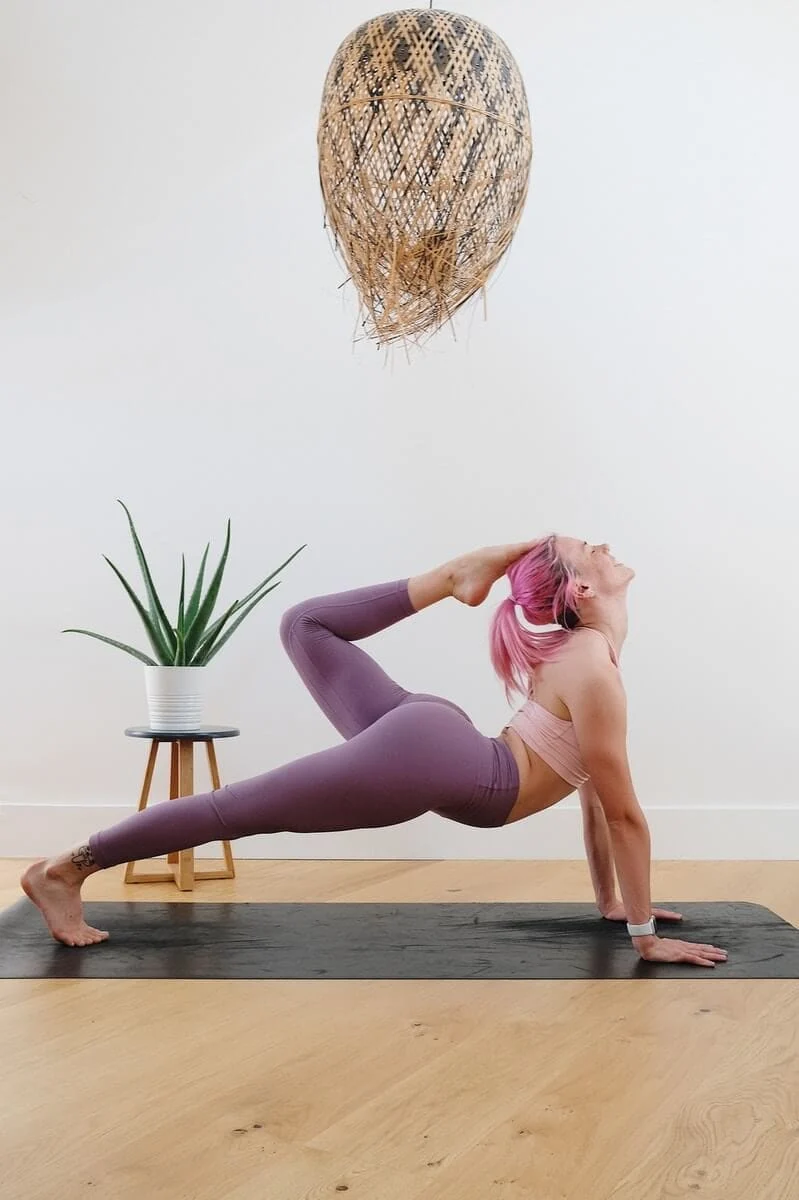
The landscape of global yoga practice has undergone a significant transformation, with the DoYou Global Yoga Survey 2021 providing compelling evidence of a pronounced shift towards home-based practice. Conducted amidst unprecedented global circumstances, the survey, which gathered insights from over 10,000 respondents across 124 countries, highlighted that a striking 85% of practitioners now choose to engage with yoga from the comfort and privacy of their homes. This pervasive trend is attributed to a confluence of factors, primarily convenience, affordability, privacy, and an increased desire for personal control over one’s practice.
The DoYou Global Yoga Survey 2021: A Comprehensive Snapshot
The DoYou Global Yoga Survey 2021 stands as a pivotal document for understanding contemporary yoga trends. Launched by DoYou, a prominent online yoga platform, the survey aimed to capture the evolving habits and motivations of yoga practitioners worldwide. Its broad reach, encompassing diverse demographics and geographic locations, lends considerable weight to its findings. The timing of the survey, conducted during the height of the COVID-19 pandemic, is crucial for interpreting its results. As acknowledged in the survey’s disclaimer, the global restrictions on public gatherings and widespread closures of physical establishments undoubtedly influenced participant responses, likely accelerating and amplifying the existing trend towards digital and home-based activities across various sectors, including fitness and wellness. The survey’s methodology, soliciting responses from a large, international cohort, sought to provide a holistic view of how individuals were maintaining and adapting their yoga routines in a rapidly changing world. It serves not just as a snapshot of a specific moment but also as an indicator of potentially lasting changes in how yoga is perceived and accessed.
The Unmistakable Shift: 85% Embrace Home Practice
The headline finding of 85% of respondents practicing yoga at home represents a profound statistical indicator of changing consumer preferences and the adaptability of the yoga community. This figure is not merely a reflection of temporary pandemic-induced necessity but points to deeper, more structural advantages that home practice offers. While traditional yoga studios have long been the cornerstone of community and instruction, the survey data suggests a significant portion of the global yoga population is finding compelling reasons to opt for a more solitary and self-directed approach. This percentage signifies a substantial market redirection, impacting everything from the demand for physical studio spaces to the burgeoning market for online content, virtual instruction, and home yoga equipment. The implications for the yoga industry are substantial, necessitating a re-evaluation of business models and service offerings to cater to this dominant preference.
Driving Forces Behind the Home Yoga Phenomenon
Several key factors emerged from the survey as primary motivators for the widespread adoption of home yoga:
1. Unrivaled Convenience and Accessibility
Convenience emerged as the top reason, cited by 71% of home practitioners. In an increasingly fast-paced world, the prospect of eliminating travel time, navigating traffic, and adhering to fixed studio schedules holds immense appeal. For many, integrating yoga into a demanding daily routine becomes significantly more feasible when it can be performed spontaneously – before work, during a lunch break, or late in the evening – without the logistical hurdles associated with attending an external class. The flexibility to practice in one’s pajamas, casual attire, or even nude, as humorously noted in the original article, underscores a level of comfort and freedom unattainable in a public studio. This convenience extends beyond mere time-saving; it allows for a seamless integration of wellness into personal space and time management, making yoga less of an external appointment and more of an intrinsic part of daily life. The rise of on-demand digital content further amplifies this, offering instant access to a vast library of classes tailored to various needs and moods.
2. Economic Prudence: The Affordability Factor
Financial considerations play a significant role, with 46% of home practitioners citing affordability as a key motivator. The cost differential between studio memberships and home-based alternatives can be substantial. A typical yoga studio membership can range from $50 to $150 per month, often excluding additional costs for workshops or specialized classes. In contrast, the digital landscape offers a plethora of free resources, most notably YouTube tutorials, which provide high-quality instruction at no direct financial cost. Paid online platforms and apps, while requiring a subscription, are often significantly cheaper than studio fees, typically ranging from $10 to $30 per month. This economic advantage is particularly pertinent in a global context where disposable income varies greatly, making yoga more accessible to a broader demographic who might otherwise be priced out of studio-based practices. The elimination of travel expenses, parking fees, or public transport costs further enhances the financial attractiveness of practicing at home.
3. Sanctuary and Solitude: The Appeal of Privacy
For 33% of respondents, the privacy afforded by home practice was a primary driver. The intimate nature of yoga, which often involves deep introspection, physical vulnerability, and emotional release, can be intimidating in a public setting. Many individuals, especially beginners or those with body image concerns, may feel self-conscious or perceive a sense of competition or judgment in a studio environment. Practicing at home offers a safe and secure space to explore poses, experiment with movement, and connect with one’s body without external scrutiny. This sense of privacy fosters a deeper level of comfort and self-acceptance, allowing practitioners to fully immerse themselves in the experience without distractions or inhibitions. It removes the pressure to perform or conform, enabling a more authentic and personal yoga journey.
4. Empowerment Through Control and Customization
Over 60% of overall survey respondents indicated that the instructor and atmosphere were crucial to their enjoyment of a class. This underscores the importance of control, a factor that home practice excels in delivering. At home, practitioners have complete autonomy over their environment, their choice of instructor (whether a self-guided practice or a specific online guru), the style of yoga, the duration of their session, and even the accompanying music or ambiance. This level of customization ensures that each practice session is perfectly aligned with their current physical and mental state, preventing the potential for disappointment or disengagement that can arise in a studio class that doesn’t resonate with individual preferences. This personalized approach empowers individuals to tailor their yoga journey precisely to their evolving needs, fostering a deeper sense of ownership and satisfaction.
The Pandemic’s Profound Influence: A Chronological Context
While the factors listed above have been long-standing advantages of home practice, the COVID-19 pandemic served as a powerful catalyst, accelerating this trend to unprecedented levels. In early 2020, as governments worldwide imposed lockdowns and social distancing measures, yoga studios, like many other non-essential businesses, were forced to close their doors. This sudden cessation of in-person classes left millions of practitioners seeking alternative ways to maintain their routines. The digital infrastructure, already burgeoning, rapidly expanded to fill this void. Yoga instructors pivoted en masse to online platforms, offering live-streamed classes, pre-recorded content, and virtual workshops. This period witnessed a rapid acceleration in the development and adoption of online fitness apps and platforms, transforming them from niche offerings to mainstream necessities.
The DoYou Global Yoga Survey 2021, conducted during this period of extensive public health restrictions, therefore provides a snapshot heavily influenced by these circumstances. While the survey’s disclaimer rightly notes that the reported numbers are likely affected by the pandemic, it also suggests that the pandemic didn’t necessarily create these preferences but rather amplified and normalized them for a wider audience. Many who might have previously hesitated to try online or home yoga were compelled to do so, discovering the benefits and integrating them into their routines even as restrictions eased. This forced adaptation likely cemented home practice as a viable and preferred option for many, even in a post-pandemic world.
Navigating the Challenges: The Downsides of Exclusive Home Practice
Despite its numerous advantages, exclusive home yoga practice presents several significant drawbacks that warrant careful consideration:
1. Risk of Injury and Form Correction
One of the most critical concerns with unsupervised home practice is the increased risk of injury due to incorrect form or alignment. While online tutorials can offer visual guidance, they cannot provide the immediate, personalized feedback that a trained instructor offers in a live setting. A subtle misalignment in a pose, if repeated over time, can lead to chronic pain or acute injury. Without an instructor to make real-time adjustments or spot potential issues, practitioners, especially beginners, may unknowingly reinforce poor habits. This absence of expert oversight means individuals might push too far, misinterpret instructions, or fail to recognize their body’s limitations, all of which elevate the risk of physical harm.
2. Lack of Personalised Guidance for Specific Needs
Individuals with pre-existing injuries, chronic conditions, or specific physical limitations require tailored modifications and expert supervision to practice yoga safely and effectively. In a studio environment, a qualified instructor can assess these needs and provide appropriate variations or props. At home, without this personalized guidance, practitioners might engage in movements that exacerbate their conditions or miss out on beneficial adaptations. This is particularly crucial for therapeutic yoga applications where precise instruction is paramount to achieving desired health outcomes and preventing adverse effects.
3. The Missing Element: Community and Collective Energy
Yoga, for many, extends beyond physical postures; it is a communal practice rooted in the concept of "sangha" (community). Attending a studio class offers a unique opportunity to connect with like-minded individuals, share energy, and foster a sense of belonging. The collective breath, shared focus, and motivational presence of others can elevate the practice, providing a mood boost and a sense of shared purpose that is difficult to replicate in solitude. This communal aspect contributes to mental well-being, reduces feelings of isolation, and provides a support network that is invaluable for many practitioners. Exclusive home practice, while convenient, can lead to a feeling of detachment and a loss of these vital social and emotional benefits.
The Evolving Landscape: Hybrid Models and Studio Adaptations
Recognizing the undeniable shift towards home practice while also acknowledging the inherent value of in-person instruction, the yoga industry is actively adapting. Many studios are now embracing hybrid models, offering a blend of in-person and online classes. This approach allows them to cater to both segments of the market – those who prefer the studio experience and those who value the flexibility of home practice. Online memberships, access to recorded class libraries, and even virtual workshops have become common offerings.
From the perspective of studio owners, the challenge lies in differentiating the in-person experience to justify the higher cost. This often involves emphasizing personalized attention, specialized equipment, unique ambiance, and the invaluable sense of community. Many studios are focusing on creating welcoming, non-judgmental spaces that encourage connection and support. Instructors are also developing skills in teaching to both in-person and online audiences simultaneously, a testament to the industry’s agility.
Perspectives from the Yoga Community
Instructors: Many yoga instructors have expressed a complex view of the shift. While some have embraced the global reach and flexibility offered by online teaching, allowing them to connect with students across continents and manage their schedules more effectively, others lament the loss of direct physical connection and the inability to provide hands-on adjustments. They often emphasize the foundational importance of learning proper alignment in person, especially for beginners, to build a safe and sustainable practice.
Practitioners: For practitioners, the choice often boils down to a balance of priorities. Many articulate that while home practice offers unparalleled convenience and affordability, they sometimes miss the tangible energy of a group class, the immediate feedback from an instructor, or the simple joy of sharing a space with others. This has led to a growing number of individuals adopting a "both/and" approach, complementing their home routines with occasional studio visits for workshops, advanced classes, or simply to reconnect with the community. This increased scheduling flexibility allows practitioners to optimize their yoga journey, leveraging the strengths of both environments.
Broader Implications for the Wellness Industry
The profound shift highlighted by the DoYou Global Yoga Survey 2021 has broader implications for the entire wellness industry:
- Growth of Digital Wellness Platforms: The demand for online yoga content has spurred massive investment and innovation in digital wellness platforms, apps, and streaming services. This trend is likely to continue, driving further advancements in interactive experiences and personalized digital coaching.
- Demand for Home Equipment: The surge in home practice has fueled a corresponding increase in demand for yoga mats, props (blocks, straps, bolsters), and even specialized home fitness equipment, creating new market opportunities for manufacturers and retailers.
- Evolution of Instructor Training: Yoga teacher training programs are increasingly incorporating modules on effective online instruction, digital content creation, and building virtual communities, reflecting the changing landscape of yoga pedagogy.
- Increased Global Accessibility: The move to online practice has democratized access to yoga, making it available to individuals in remote areas or those facing mobility challenges, thereby expanding the global reach of yoga beyond traditional studio strongholds.
In conclusion, the DoYou Global Yoga Survey 2021 unequivocally demonstrates a significant and likely enduring preference for home-based yoga practice. Driven by compelling advantages in convenience, cost, privacy, and control, this trend was powerfully amplified by the unique circumstances of the pandemic. While home practice offers unparalleled accessibility and personalization, it also presents challenges related to safety, personalized instruction, and community engagement. The future of yoga appears to be a dynamic hybrid model, where physical studios adapt to offer unique, community-rich experiences, while digital platforms continue to provide flexible and accessible options. Ultimately, the choice will increasingly rest with individual practitioners to curate a yoga journey that best suits their evolving needs and lifestyle, blending the best of both worlds.

