

The intricate relationship between what we consume and the composition of our gut microbiome is a cornerstone of modern nutritional science. Emerging research, building on foundational studies, illuminates how dietary choices directly influence the microbial communities residing within our digestive tracts, with profound implications for our health, ranging from the promotion of cardiovascular disease to the prevention of chronic illnesses. This article delves into the scientific understanding of how our gut flora metabolizes dietary components, leading to the production of either harmful or beneficial compounds, and the cascading effects on our well-being.
The Dual Nature of Gut Microbiome Metabolism
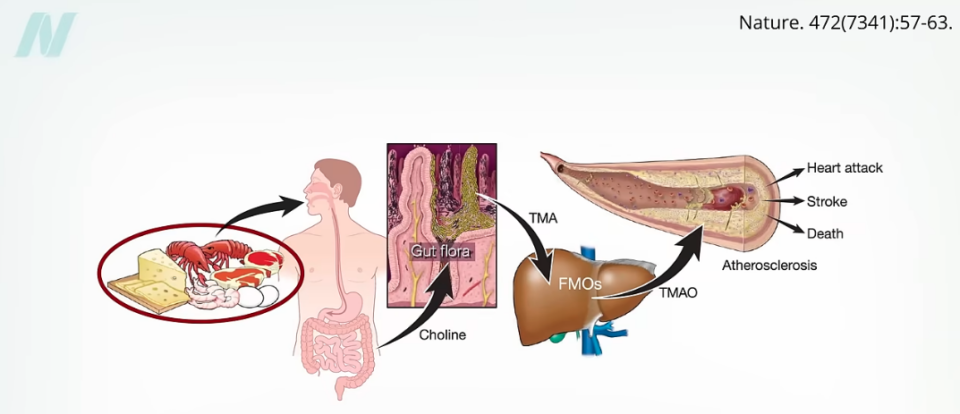
At the heart of this complex interplay is the metabolism of specific compounds found in our food by the bacteria in our gut. Scientific investigations have revealed a critical pathway where certain components of animal-based foods, namely carnitine and choline, are processed by gut microbes into trimethylamine (TMA), which is then converted in the liver to trimethylamine N-oxide (TMAO). This compound has been strongly linked to an increased risk of cardiovascular events, including heart attacks, strokes, and ultimately, mortality.
A pivotal study published in Nature provided compelling evidence for this mechanism. Researchers demonstrated that when individuals consume meat, dairy, or eggs, their gut bacteria can metabolize carnitine and choline present in these foods. This metabolic process generates TMAO, a substance that has been associated with adverse cardiovascular outcomes. The scientific community has further elaborated on this process, highlighting the dependency on the presence of specific "meat-eating" bacteria within the gut ecosystem.
The Role of Gut Bacteria in TMAO Production
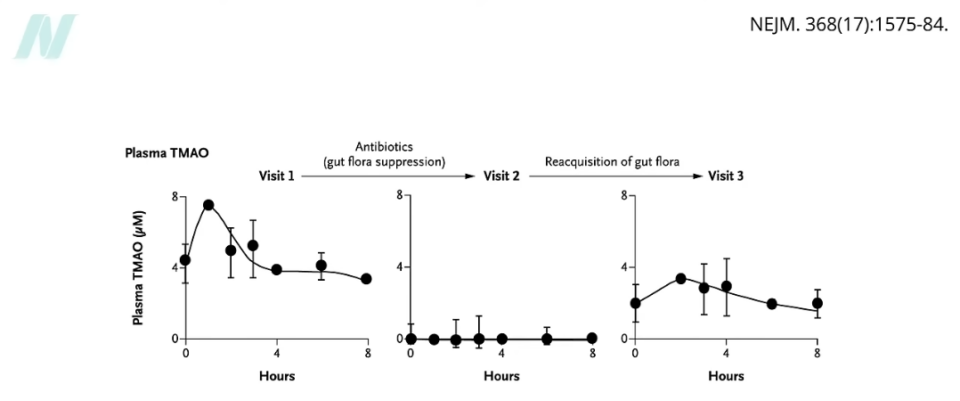
The critical role of gut bacteria in TMAO production was underscored by experiments involving antibiotics. When individuals consumed two eggs, a significant spike in blood TMAO levels was observed within hours. However, when the same individuals were administered a course of antibiotics to disrupt their gut flora, followed by the consumption of eggs, no significant increase in TMAO was detected. This phenomenon highlights that the presence of specific gut bacteria is essential for the conversion of dietary components into TMAO.
The study further revealed that once the gut microbiome begins to repopulate after antibiotic treatment, the capacity to produce TMAO from egg consumption is restored. This recovery period, typically observed over a month, demonstrates the dynamic nature of the gut microbiome and its direct correlation with dietary metabolic pathways. Similar observations have been made with red meat consumption. Studies have shown that consuming an amount equivalent to an 11-ounce steak leads to a surge in blood TMAO levels. However, this effect is largely mitigated when the same quantity of meat is consumed after a period of antibiotic treatment, emphasizing the requirement for both the dietary substrate (meat) and the specific gut bacteria capable of metabolizing it.
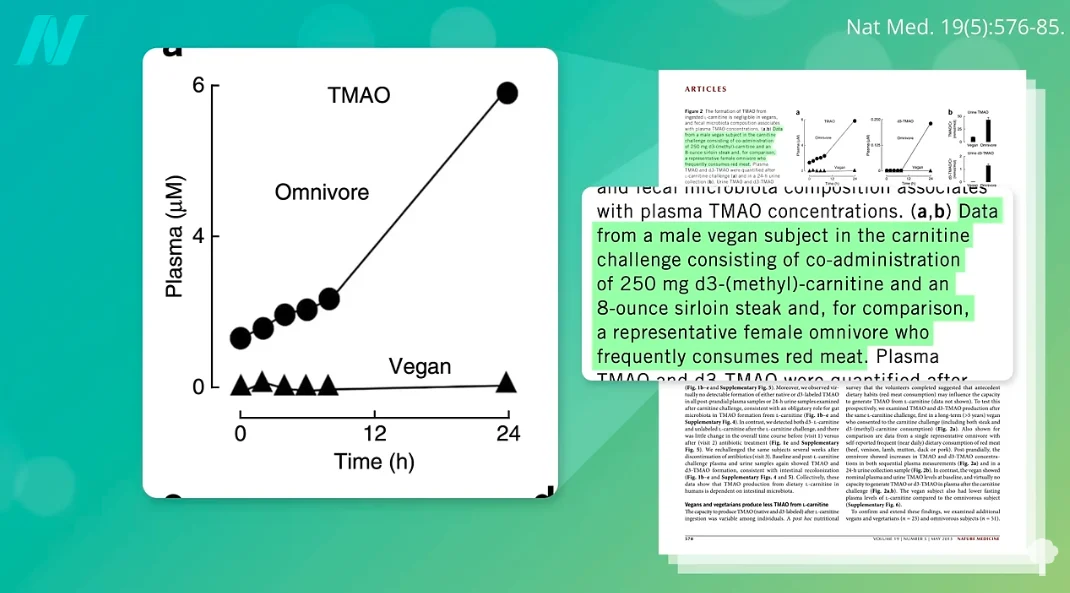
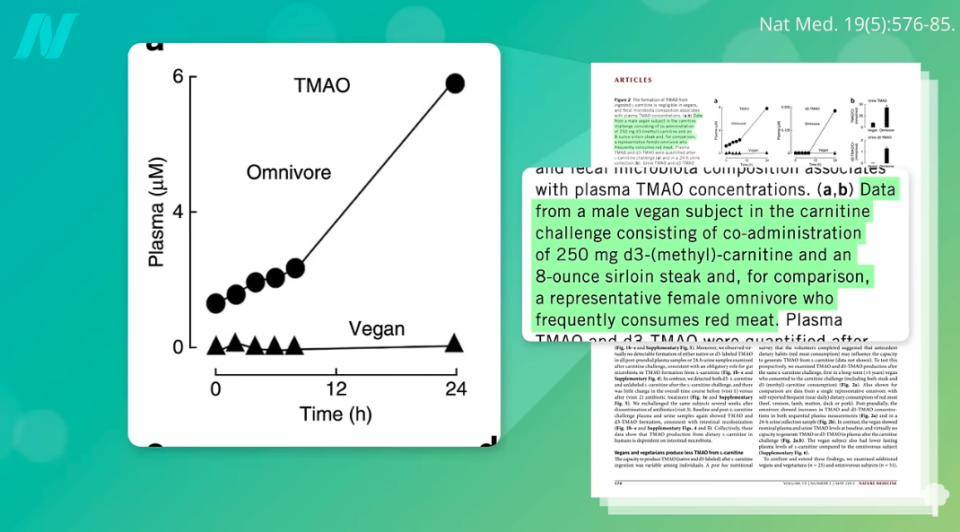
This dependency on the microbial community explains why individuals adhering to a vegan diet may consume animal products without exhibiting elevated TMAO levels. Vegans, by definition, generally lack the specific gut bacteria that are adept at metabolizing carnitine and choline from animal sources. This distinction underscores the profound influence of long-term dietary patterns on shaping the gut microbiome’s metabolic capabilities.
The Protective Power of Plant-Based Foods
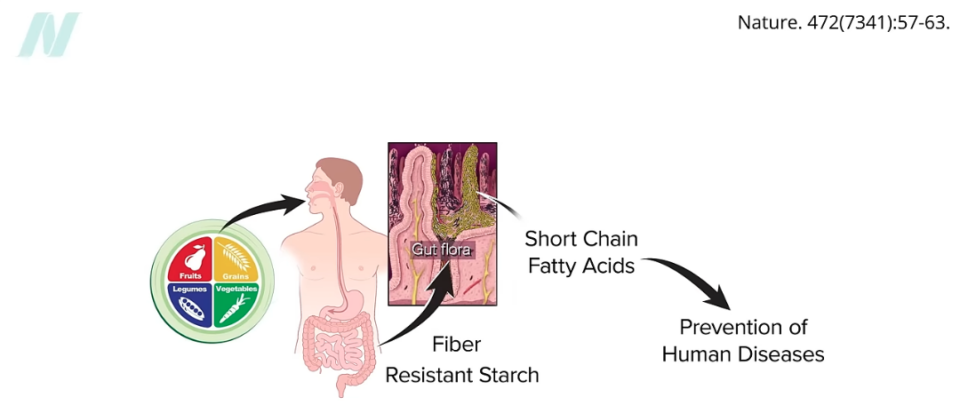
In stark contrast to the detrimental effects associated with TMAO production, the consumption of whole plant foods—including fruits, vegetables, whole grains, legumes, nuts, and seeds—promotes the production of beneficial compounds. The fiber and resistant starch abundant in these foods serve as fuel for specific gut bacteria, leading to the generation of short-chain fatty acids (SCFAs). SCFAs, such as butyrate, are recognized for their extensive health-promoting properties.
These beneficial metabolites have been shown to contribute to a healthier gut lining, helping to seal a "leaky gut," thereby preventing the passage of harmful substances into the bloodstream. SCFAs also play a crucial role in modulating inflammation throughout the body, which is a key factor in the development of numerous chronic diseases. Furthermore, they have been implicated in weight management by promoting satiety, improving insulin sensitivity, and potentially accelerating weight loss. Emerging research even suggests a role for SCFAs in cancer prevention.
The benefits derived from SCFAs, however, are contingent upon two crucial factors: the dietary intake of fiber and the presence of fiber-fermenting bacteria within the gut. This mirrors the mechanism observed with TMAO production, where both the dietary source and the specific microbial community are essential for the outcome.
Cultivating a Fiber-Rich Microbiome
The cultivation of a robust fiber-fermenting microbiome can be significantly influenced by dietary choices. Studies investigating the impact of whole intact grains, such as barley kernels, have provided concrete data on the rapid benefits of increased fiber intake. A randomized crossover study involving healthy middle-aged subjects who consumed three servings of barley kernels daily—an intervention that added approximately 30 grams of fiber and resistant starch—demonstrated remarkable changes within just three days.
During this short period, the gut bacteria responded by significantly increasing SCFA production. This metabolic shift led to a notable improvement in insulin sensitivity, with participants experiencing a 25% reduction in their need to produce insulin to manage blood glucose levels. This also resulted in a dampening of post-meal blood sugar spikes.
However, the study also revealed individual variability in response. While some participants exhibited striking reductions in blood sugar and insulin levels, others showed minimal impact from the same dietary intervention. This variability was attributed to the individual composition of their gut microbiomes. The presence of specific fiber-feeding bacteria, such as Prevotella, is crucial for maximizing the health benefits derived from plant-based fiber.
The Importance of Fiber-Feeding Bacteria
The abundance of Prevotella in the gut has been directly linked to long-term fiber intake. Research comparing gut microbiomes of rural African children, who consume diets largely composed of whole plant foods (approximately 97%), with children on standard Western diets revealed significantly higher levels of Prevotella in the former. This difference was further reflected in the increased production of SCFAs found in their stool samples.
In industrialized nations, habitually consuming vegetarian and vegan diets has been shown to promote the growth of fiber-eating bacteria. Studies comparing the gut microbial composition of meat-eaters, vegetarians, and vegans consistently show a higher relative abundance of Prevotella in individuals who consume predominantly plant-based diets. This microbial shift is thought to contribute to a less inflammatory profile observed in vegetarians compared to omnivores.
Researchers have suggested that an intestinal environment favored by the consumption of animal foods may predispose individuals to systemic inflammation and insulin resistance-related metabolic disorders, such as type 2 diabetes. The reduction in inflammation associated with a plant-based gut microbiota is considered a key factor linking this dietary pattern to protective health benefits.
Dietary Constraints and Microbiome Potential
The question arises whether omnivores can achieve similar benefits by simply increasing their plant intake. While omnivores can certainly incorporate more fiber into their diets, they may face "constraints on diet-dependent gut microbiota metabolite production." This phenomenon is essentially the inverse of a vegan eating meat; an omnivore might consume abundant fiber, but their gut microbiome may lack the necessary "machinery"—the specific fiber-munching bacteria—to fully capitalize on the potential benefits.
At lower levels of fiber intake, an increase in consumption generally leads to a proportional increase in beneficial SCFAs. However, there appears to be a saturation point. Once the available fiber-feeding bacteria are operating at their maximum capacity, further increases in fiber intake may yield diminishing returns. This suggests that long-term dietary patterns that consistently support the growth and activity of fiber-fermenting bacteria are crucial for sustained SCFA production and associated health benefits.
Individuals who habitually consume a whole-food, plant-based diet have had the opportunity to cultivate the growth of these crucial fiber-feeders over time. This sustained dietary approach fosters a diverse and robust microbial ecosystem that is highly effective in supporting both gut health and overall well-being. The caveat to this is the consumption of "vegan junk food," which, despite being plant-based, may not provide the necessary fiber and nutrients to support a healthy microbiome.
Broader Health Implications and Future Directions
The scientific evidence strongly suggests that our dietary choices are not merely about providing nutrients to our bodies but also about shaping the complex ecosystem within our gut. This microbial community acts as a vital intermediary, transforming dietary components into compounds that can either promote disease or protect our health.
The implications of this understanding are far-reaching. It reinforces the importance of a whole-food, plant-based dietary pattern for cardiovascular health, metabolic well-being, and inflammatory control. It also highlights the need for further research into personalized nutrition, acknowledging that individual responses to dietary interventions can vary based on their unique gut microbiome composition.
Understanding the specific bacteria involved in these metabolic pathways opens avenues for targeted interventions, such as the use of probiotics or prebiotics, to modulate the gut microbiome for improved health outcomes. As research continues to unravel the intricate connections between diet, the gut microbiome, and human health, the message remains clear: what we eat fundamentally shapes who we are, from our cellular processes to the microbial life within us. The cultivation of a healthy gut microbiome through a nutrient-rich, plant-forward diet is a powerful strategy for promoting long-term health and preventing chronic disease.

